Best Carrier Oils to Use with Vetiver: A Complete Purchasing Guide
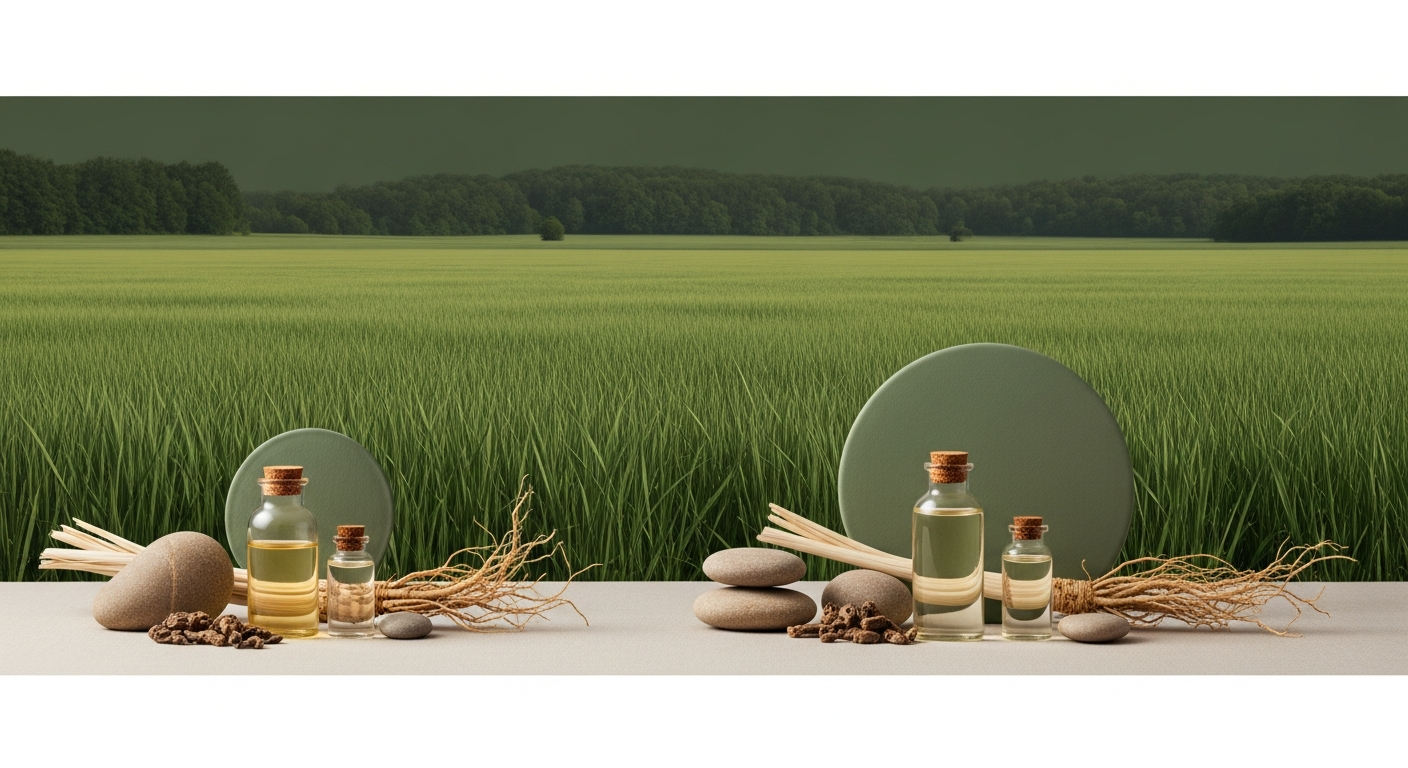
Finding the right carrier oil for vetiver essential oil transforms your aromatherapy experience from ordinary to extraordinary. Like finding the perfect frame for a cherished painting, the best carrier oil vetiver pairing enhances the earthy, grounding qualities that make this essential oil so beloved by mindful practitioners.
Vetiver's rich, complex profile deserves a carrier that complements rather than competes. Whether you're crafting personal care blends, creating massage oils, or developing your signature scent, understanding carrier oil quality markers and compatibility will guide you toward purchases that honor both your investment and your intention.
Understanding Carrier Oil Essentials
Before exploring specific vetiver carrier oil guide recommendations, let's ground ourselves in what makes a carrier oil exceptional. Quality carrier oils serve as more than simple dilution agents—they're the foundation that determines how vetiver's molecules interact with your skin and how its aroma unfolds over time.
Quality Indicators to Seek
Premium carrier oils share several unmistakable characteristics. First, look for cold-pressed or expeller-pressed extraction methods, which preserve the oil's natural integrity without harsh chemical solvents. The label should clearly state the botanical name, country of origin, and extraction date or batch number.
Color and consistency offer immediate quality clues. High-quality carrier oils typically maintain their natural hue—golden for jojoba, pale green for hemp seed, or clear amber for fractionated coconut oil. Avoid carriers that appear cloudy, separated, or unusually uniform in color, as these may indicate processing shortcuts or adulterants.
Scent provides another authenticity marker. Pure carrier oils possess subtle, characteristic aromas. Jojoba oil should smell faintly nutty, while sweet almond oil carries a gentle, barely-there sweetness. Completely odorless carriers (except fractionated coconut oil) or those with sharp, chemical notes warrant caution.
Key Features for Vetiver Compatibility
When selecting carrier oils for vetiver buying decisions, consider absorption rate, shelf life, and aromatic neutrality. Vetiver's deep, woody notes pair beautifully with carriers that absorb moderately, allowing the essential oil's complex bouquet to develop slowly on the skin.
Shelf stability matters significantly for vetiver blends, as this precious essential oil improves with age. Choose carriers with longer shelf lives—jojoba (technically a wax) remains stable for years, while hemp seed oil requires refrigeration and faster use.
Top Carrier Oil Categories for Vetiver
Lightweight Absorbers
For those who prefer vetiver dilution carrier oils that absorb quickly without residue, lightweight options create elegant, wearable blends perfect for daily use.
Fractionated Coconut Oil stands as the most versatile lightweight carrier. Its indefinite shelf life, complete odorlessness, and silky texture make it ideal for beginners exploring vetiver blending. The refined processing removes the heavier coconut molecules, leaving a stable, colorless oil that won't compete with vetiver's complex aroma.
Caprylic/Capric Triglycerides offer similar benefits with even lighter texture. Derived from coconut or palm kernel oil, this processed carrier provides excellent slip for massage applications while maintaining complete neutrality. Its molecular structure ensures rapid absorption, making it perfect for vetiver oil for skin applications where you want the benefits without lingering oiliness.
Squalane represents the premium end of lightweight carriers. Whether derived from olives or sugarcane, squalane mimics natural skin lipids, creating an almost weightless feel. Its exceptional stability and skin-compatibility make it worth the higher investment for vetiver enthusiasts seeking luxury experiences.
Medium-Weight Classics
Medium-absorption carriers provide the perfect balance for vetiver, offering enough substance to carry the essential oil's deeper notes while still absorbing within reasonable time frames.
Sweet Almond Oil remains the gold standard for good reason. Its mild, barely-there scent won't interfere with vetiver's complexity, while its moderate viscosity creates beautiful, spreadable blends. Look for organic, cold-pressed versions with pale golden color and subtle nutty aroma.
Jojoba Oil technically isn't an oil but a liquid wax, giving it extraordinary stability and skin compatibility. Its molecular structure closely resembles human sebum, making it exceptional for facial applications with vetiver. The investment in quality jojoba pays dividends in shelf life and performance.
Grapeseed Oil offers an economical middle ground with light texture and minimal scent. Its high linoleic acid content may support skin barrier function, though individual results vary. Choose cold-pressed versions and store properly, as grapeseed oil has a shorter shelf life than heartier options.
Rich, Nourishing Bases
For intensive applications or when creating deeply nourishing blends, richer carriers complement vetiver's grounding nature with substantial, lasting feel.
Avocado Oil brings natural richness perfect for dry skin applications. Its deep green color and fuller texture create luxurious vetiver blends ideal for evening use or intensive care routines. The natural chlorophyll content gives quality avocado oil its characteristic hue—avoid pale or colorless versions that may be heavily refined.
Rosehip Seed Oil offers natural vitamin C and essential fatty acids, though its distinct berry-like scent may influence vetiver's aromatic profile. Use sparingly in blends or choose refined versions if scent neutrality is important.
Argan Oil provides moderate richness with excellent absorption. Its naturally occurring vitamin E content supports shelf stability, while the nutty aroma complements vetiver's earthy character beautifully.
Price Point Recommendations
Budget-Friendly Excellence ($5-15)
Quality doesn't require premium prices. Several excellent carriers fall into accessible price ranges while maintaining the standards vetiver deserves.
Sweet Almond Oil consistently delivers exceptional value. A 16-ounce bottle of organic, cold-pressed sweet almond oil typically costs under $15 and provides enough base for dozens of vetiver blends. Its reliability, gentle nature, and neutral scent profile make it perfect for beginners building their vetiver carrier oil pairings knowledge.
Fractionated Coconut Oil offers unbeatable shelf stability in this price range. While not technically "natural" due to processing, its consistent performance and indefinite storage life provide excellent value for regular vetiver users. A single bottle can last years without degradation.
Sunflower Oil (High Oleic) presents an often-overlooked budget option. Choose high-oleic varieties for better stability and lighter feel. While requiring more careful storage than jojoba, quality sunflower oil creates pleasant vetiver blends at fraction of premium carrier costs.
Mid-Range Quality ($15-35)
This range offers the sweet spot for most vetiver enthusiasts, providing noticeable quality improvements without luxury pricing.
Jojoba Oil deserves its reputation in this category. Organic, cold-pressed jojoba from reputable suppliers typically ranges $20-30 for 4 ounces, delivering exceptional stability and skin compatibility. The investment pays long-term dividends through extended shelf life and superior performance.
Grapeseed Oil (Premium) from established suppliers offers refined quality at moderate pricing. Look for organic, expeller-pressed versions that maintain the oil's naturally light color and minimal scent. These typically cost $15-25 for 16 ounces, providing excellent volume for regular use.
Apricot Kernel Oil brings gentle luxury to mid-range budgets. Its similarity to sweet almond oil but with slightly richer feel makes it perfect for those seeking upgrade experiences without premium pricing. Quality versions range $20-30 for 4 ounces.
Premium Selections ($35+)
Luxury carriers justify their pricing through exceptional quality, unique properties, or sustainable sourcing practices that align with conscious consumption values.
Argan Oil (Certified Organic) from women's cooperatives represents ethical luxury. Authentic argan oil's complex production process and limited growing region naturally elevate pricing, but the results speak for themselves. Quality versions range $40-80 for 2-4 ounces.
Squalane (Plant-Derived) commands premium pricing for good reason. Its exceptional stability, weightless feel, and perfect skin compatibility create unparalleled vetiver application experiences. Expect $35-60 for 2 ounces of quality plant-derived squalane.
Rosehip Seed Oil (Cold-Pressed) from Chilean or Bulgarian sources offers natural vitamin C and essential fatty acids. The careful extraction required to preserve these compounds, combined with the oil's shorter shelf life, justifies $30-50 pricing for 1-2 ounces.
Red Flags and What to Avoid
Recognizing quality issues protects both your investment and your vetiver blending experience. Several warning signs indicate carriers that won't honor vetiver's precious nature.
Processing and Purity Concerns
Avoid carriers labeled simply "carrier oil blend" without specific botanical identification. These mystery blends often contain cheap fillers or synthetic components that create unpredictable interactions with vetiver's complex chemistry.
Extremely low pricing relative to similar products often indicates quality shortcuts. While budget options exist, carriers priced significantly below market rates may be diluted, expired, or processed with harsh methods that strip beneficial compounds.
Chemical smell or harsh, solvent-like odors suggest poor extraction methods or contamination. Quality carriers should smell like their source—nutty, fruity, or nearly neutral—never sharp, medicinal, or artificially perfumed.
Storage and Packaging Issues
Clear plastic bottles expose oils to light degradation, while metal containers may create oxidation issues with certain carriers. Quality suppliers use dark glass bottles with proper closures that prevent air exposure and maintain oil integrity.
Missing or vague labeling information—including botanical names, extraction methods, or origin details—indicates suppliers who don't prioritize transparency. Reputable companies provide comprehensive product information because they're proud of their sourcing and processing standards.
Carriers sold without batch numbers or production dates make it impossible to assess freshness. Essential oil blending requires fresh carriers, especially for precious oils like vetiver that deserve optimal companions.
Marketing and Claims Warning Signs
Be cautious of carriers marketed with exaggerated health claims or "miracle" properties. While quality carriers support healthy skin through proper hydration and barrier function, avoid suppliers who make unrealistic promises about medical benefits.
"Therapeutic grade" marketing on carriers lacks standardized meaning and often indicates marketing-focused rather than quality-focused companies. Legitimate quality markers include organic certification, extraction methods, and sourcing transparency.
Purchasing Strategies and Where to Buy
Online Retailers
Established essential oil companies typically offer the most comprehensive carrier oil selections with detailed product information. These suppliers understand the relationship between carrier quality and essential oil performance, often providing vetiver dilution guide resources alongside their products.
Look for retailers who provide comprehensive product information including botanical names, country of origin, extraction methods, and storage recommendations. Companies that educate customers about proper use and safety typically maintain higher quality standards throughout their supply chain.
Health food store chains and natural product retailers often carry quality carriers at competitive prices. While selection may be limited compared to specialty suppliers, these outlets provide opportunity to examine products before purchase and often maintain good turnover for freshness.
Local and Specialty Sources
Farmers markets and local producers sometimes offer exceptional carrier oils, particularly regional specialties like sunflower, walnut, or hemp seed oils. These sources provide transparency about growing methods and processing, though selection typically focuses on locally-produced options.
Aromatherapy schools and natural health practitioners often maintain supplier relationships with quality distributors. While not always available for individual purchase, these connections can lead to group buying opportunities or professional-grade products.
Cooperative buying groups and aromatherapy communities frequently organize bulk purchases that make premium carriers more accessible. These arrangements require planning and commitment but offer significant savings on higher-quality options.
Storage and Handling Considerations
Purchase quantities based on realistic usage timeframes. While larger sizes offer better per-ounce pricing, carrier oils have varying shelf lives. Sweet almond oil typically maintains quality for 1-2 years, while hemp seed oil requires use within 6-12 months even with refrigeration.
Consider your storage capabilities when selecting carriers. Some oils require refrigeration, others perform best at room temperature in dark locations. Matching purchases to storage reality prevents waste and maintains quality.
Factor shipping and seasonal considerations into timing. Extreme temperatures during shipping can affect carrier quality, particularly with temperature-sensitive oils like hemp seed or evening primrose. Plan purchases during moderate weather when possible.
Making Your Final Decision
Choosing the best carrier oil vetiver combination ultimately depends on your specific needs, usage patterns, and quality priorities. Begin with one or two versatile carriers like sweet almond oil and jojoba to understand how vetiver behaves in different bases.
Consider creating a carrier oil collection that serves different purposes—lightweight options for daily wear, richer bases for intensive treatments, and stable carriers for long-term blends. This approach provides flexibility while ensuring each application receives appropriate support.
Remember that quality carriers honor vetiver's precious nature while supporting your mindful practice. Whether choosing budget-friendly sweet almond oil or investing in premium squalane, prioritize suppliers who demonstrate commitment to purity, sustainability, and customer education.
Start with smaller quantities to test compatibility before committing to larger purchases. Your skin's response, scent preferences, and usage patterns will guide you toward carriers that truly complement your vetiver journey. With quality carriers as your foundation, every drop of vetiver essential oil can express its full potential for grounding, centering, and connecting you to nature's profound wisdom.
Trust your senses, honor your budget, and choose carriers that align with your values. The perfect vetiver-carrier partnership waits within these guidelines—ready to support your aromatherapy practice with integrity, quality, and mindful intention.