
DIY Vetiver and Lavender Sleep Spray for Your Pillow
There is something quietly powerful about a bedtime ritual. The act of slowing down, dimming the lights, and signaling to your body that the day is done — these small, intentional moments can shift everything. A handmade vetiver pillow spray is one of the simplest ways to weave scent into that ritual, grounding your senses before rest.
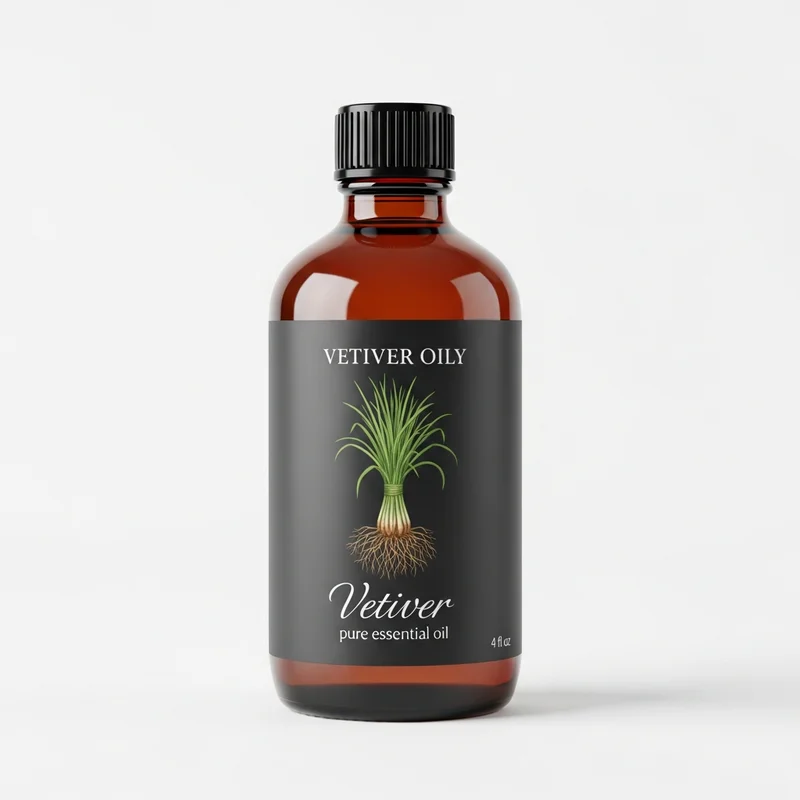
Vetiver Essential Oil
Our own Vetiver Essential Oil, in sizes from 0.5 oz to bulk.
From $18.99
Shop Now →In this guide, we'll walk you through how to create your own vetiver lavender spray DIY from scratch — from choosing quality ingredients to mixing, storing, and using your spray mindfully. Whether you're new to essential oils or a seasoned maker, this is a satisfying, accessible project with an earthy, deeply calming result.
Why Vetiver and Lavender?
Vetiver (Chrysopogon zizanioides) is an earthy, smoky, deeply rooted essential oil steam-distilled from the roots of a tall grass native to South Asia. It carries a rich, woody scent that many people describe as grounding — like the smell of cool, damp earth after rain. Lavender (Lavandula angustifolia), by contrast, is light, floral, and widely beloved for its gentle, familiar fragrance.
Together, these two oils are considered a classic pairing in aromatherapy blending. The heaviness of vetiver anchors the airiness of lavender, creating a scent profile that is neither too sharp nor too sweet — just quietly present. Many people find that incorporating this combination into their evening routine helps them feel more settled and at ease before sleep, though individual experiences with scent will always vary.
It's worth noting that aromatherapy and the use of essential oils are considered complementary wellness practices. They are not intended to diagnose, treat, cure, or prevent any disease or medical condition. If you are experiencing significant sleep difficulties, please consult a qualified healthcare provider.
What You'll Need
Ingredients
- Distilled water — 3 oz (approximately 90 ml). Tap water contains minerals that can affect the longevity of your spray and potentially clog your bottle's misting mechanism. Distilled is always preferable.
- Witch hazel or high-proof alcohol (such as 190-proof grain alcohol or isopropyl alcohol at 91%+) — 1 oz (approximately 30 ml). This acts as an emulsifier, helping the essential oils disperse evenly throughout the water rather than floating on top.
- Vetiver essential oil — 8–10 drops. Look for a pure, unadulterated vetiver sourced from a reputable supplier. Quality matters significantly here. Learn how to evaluate vetiver essential oil quality before purchasing.
- Lavender essential oil — 20–24 drops. Choose a true Lavandula angustifolia (also called "true lavender" or "fine lavender") rather than lavandin, which has a sharper, more camphor-like quality.
- Optional: Cedarwood essential oil — 4–5 drops. Cedarwood Virginia or Cedarwood Atlas both add an additional woody, grounding dimension that complements vetiver beautifully.
Equipment
- One 4 oz (120 ml) fine-mist glass spray bottle, preferably amber or cobalt to protect the oils from light degradation
- A small glass measuring cup or beaker
- A clean glass stirring rod or a toothpick for mixing
- Labels and a permanent marker (always label your blends with ingredients and date)
- A small funnel (optional but helpful)
Understanding Dilution: Safety First
Before we get into the recipe steps, let's talk about dilution — because this is the most important safety consideration when working with essential oils.
The recipe above results in a blend of approximately 0.9–1.2% essential oil concentration in the final spray. This is a very gentle dilution, well within the range considered appropriate for a product that will be sprayed onto fabric near the face during sleep. However, it is always wise to be mindful of the following:
Important Safety Notes:
- Patch test your fabric first. Spray a small, hidden area of your pillowcase and allow it to dry fully. Check for any discoloration or staining before applying broadly. Dark-colored essential oils like vetiver can occasionally leave faint marks on very light fabrics.
- Do not apply this spray directly to skin without first consulting appropriate dilution guidelines for topical use, which differ from fabric spray applications.
- Keep away from eyes, mouth, and mucous membranes.
- Not recommended for use around infants, young children, or pets without guidance from a qualified aromatherapist or veterinarian. Both lavender and vetiver essential oils require care around vulnerable populations.
- Avoid if pregnant or breastfeeding unless you have consulted with your healthcare provider and a certified aromatherapist.
- Those with asthma, respiratory sensitivities, or fragrance allergies should consult a healthcare professional before using any essential oil product, including room and fabric sprays.
- If you experience any irritation, headache, or adverse reaction, discontinue use immediately.
Step-by-Step Instructions
Step 1: Prepare Your Space
Work in a well-ventilated area. While the quantities of essential oil in this recipe are small, good air circulation is a simple habit worth building into any blending practice. Lay out all of your ingredients and equipment so everything is within easy reach before you begin.
Step 2: Combine Your Essential Oils with the Emulsifier
Pour your 1 oz of witch hazel or high-proof alcohol into your glass beaker first. Then, add your essential oils directly into the alcohol and stir gently. The alcohol will help the oils disperse more effectively once the water is added.
Start with your vetiver drops first. Vetiver essential oil is quite viscous — thicker than most essential oils — due to its high sesquiterpene content. You may need to warm the bottle slightly in your hands before dispensing, or use a heated dropper if your vetiver is particularly thick. Be patient and count your drops carefully.
Add your lavender drops next, followed by the optional cedarwood. Stir the mixture gently with your glass rod for about 30 seconds.
Step 3: Add Distilled Water
Slowly pour the 3 oz of distilled water into your beaker with the oil-and-alcohol mixture. Stir again gently. You will likely notice the liquid become slightly cloudy — this is normal and expected when essential oils are present in water, even with an emulsifier. Your spray will require a gentle shake before each use to re-disperse the oils.
Step 4: Transfer to Your Spray Bottle
Using your funnel if needed, carefully pour the mixture into your amber glass spray bottle. Secure the spray top firmly. Give the bottle a gentle shake to ensure everything is combined.
Step 5: Label and Date
Write the blend name, all ingredients with their approximate quantities, and the date of creation on your label. Apply it to the bottle. This step is easy to skip and easy to regret — labels are essential for safe, organized oil storage.
Your vetiver sleep spray is now ready to use. However, if you have the patience, allow it to rest for 24 hours. Many blenders find that essential oil blends "bloom" slightly after resting — the individual notes integrate and the overall scent becomes more cohesive.
How to Use Your Vetiver Pillow Spray

Using your vetiver pillow spray is simple, but the way you incorporate it into your evening can make a meaningful difference in how effective the ritual feels.
- Shake the bottle gently before each use to recombine the oils with the water base.
- Hold the bottle 8–12 inches from your pillowcase. Mist lightly — one to three spritzes is usually sufficient. The goal is a subtle, ambient scent, not saturation.
- Allow the spray to dry for one to two minutes before resting your head on the pillow. This brief wait allows the alcohol to evaporate and the scent to settle into the fabric.
- Take three slow, deliberate breaths as you settle in. Inhale gently through the nose. Let your exhale be long and unhurried. This simple breathwork practice can help you arrive more fully in the present moment — and in your bed.
Some people find it meaningful to use their vetiver lavender spray as part of a broader wind-down sequence: dimming lights, putting away screens, perhaps journaling or reading for a few minutes before spraying the pillow as a final, closing gesture of the evening. Rituals gain their power through repetition and intention.
Storage and Shelf Life
Store your spray in a cool, dark location — a bedside drawer, a cabinet, or a closet shelf away from direct sunlight and heat. The amber glass bottle provides some protection from light, but additional shielding from environmental exposure will extend the life of your blend.
With witch hazel or alcohol as a preservative, this spray should remain at its best for approximately four to six weeks. Over time, the aromatic profile of the essential oils may shift slightly as they oxidize. Vetiver, due to its resinous, heavy chemistry, is generally considered one of the more stable essential oils — it does not oxidize as quickly as lighter citrus or top-note oils — but freshness still matters.
If the spray begins to smell "off," develops visible cloudiness or sediment that does not resolve with shaking, or if you notice any changes in color, discontinue use and make a fresh batch.
Customizing Your Blend
Once you've made the base recipe and grown comfortable with how it performs, consider experimenting with variations. Essential oil blending is a deeply personal creative practice, and your ideal vetiver lavender spray DIY may look slightly different from someone else's.
For a Warmer, Spicier Profile
Try adding 3–4 drops of sandalwood or frankincense in place of the optional cedarwood. These resins blend harmoniously with vetiver's earthiness and add a soft, meditative warmth to the scent.
For a Lighter, Greener Result
Reduce the vetiver by 2 drops and add 4–5 drops of Roman chamomile. Chamomile contributes a gentle, slightly apple-like quality that softens the overall blend without losing the grounded character vetiver brings.
Adjusting Vetiver Intensity
Vetiver is a powerful base note — even small adjustments to the drop count can significantly shift the overall scent. If you find the earthy quality a touch too bold, dial back to 6 drops and allow the lavender to take more prominence. If you love deep, rooty grounding and want vetiver to be the clear star, you can increase to 12 drops while keeping lavender at 20. Always keep records of your adjustments so you can recreate a blend you love. Explore more vetiver blending combinations and ratios to deepen your practice.
A Note on Ingredient Quality
The quality of your vetiver essential oil matters enormously in a spray like this, where vetiver is a central player rather than a supporting character. Vetiver sourced from different regions — Sri Lanka, Haiti, India, Indonesia — carries meaningfully different aromatic profiles. Haitian vetiver, for example, tends to be somewhat lighter and more smoky, while Sri Lankan vetiver often presents as darker, denser, and more intensely earthy.
Look for suppliers who provide GC/MS (gas chromatography/mass spectrometry) testing reports for their oils. This testing verifies chemical composition and helps confirm that the oil is what it claims to be — undiluted, unadulterated, and properly identified. Learn more about what GC/MS testing means for essential oil purity and why it matters when selecting your ingredients.
Bringing It All Together
Making your own vetiver sleep spray is a small act, but small acts done consistently and with intention have a way of becoming anchors in our days. The process of gathering your ingredients, measuring, blending, labeling — it is its own kind of mindfulness practice. And then each evening, when you reach for that little amber bottle and mist your pillow, you are doing something quietly significant: you are telling yourself that rest matters. That you matter.
Vetiver has been described by many as the scent of the earth itself — rooted, unhurried, unconcerned with the noise of the surface. There is something to be learned from that. Bring a little of that quality into your nights.
As always, remember that essential oils are powerful botanical concentrates to be used with respect and care. They are not a substitute for medical treatment. If sleep challenges are persistent or significantly impacting your quality of life, please speak with a qualified healthcare provider who can offer appropriate support and guidance.
Wishing you stillness, and rest that restores.