
How to Use Vetiver Essential Oil: A Beginner's Complete Guide
Key Takeaways
- Always dilute vetiver oil before topical use - typically 1-3% for most applications
- Start with small amounts and test sensitivity with a patch test
- Vetiver's earthy, grounding aroma may support relaxation and mindfulness practices
- Quality matters - choose oils from reputable sources with proper testing
- Store properly in dark glass bottles away from heat and light
- Consult healthcare providers before use if pregnant, nursing, or managing health conditions
Table of Contents
- Understanding Vetiver Essential Oil
- Essential Safety Guidelines and Precautions
- Proper Dilution Ratios and Methods
- Application Techniques for Beginners
- Aromatherapy and Diffusion Practices
- Blending Vetiver with Other Oils
- Storage and Maintenance
- Choosing Quality Vetiver Oil
Understanding Vetiver Essential Oil
Vetiver essential oil emerges from the deep roots of Chrysopogon zizanioides, a perennial grass native to India. This golden-amber oil carries an intensely earthy, woody aroma that has been cherished for centuries in traditional practices. For beginners exploring how to use vetiver oil, understanding its unique characteristics forms the foundation of mindful application.
The oil's complex aromatic profile includes deep, smoky base notes that may help create a sense of grounding and stability. Unlike lighter citrus or floral oils, vetiver possesses a heavy, almost mysterious quality that tends to deepen and evolve on the skin. This makes it particularly valued in meditation and evening relaxation routines.
Traditionally, vetiver has been used in various cultures for its purported calming properties, though individual experiences may vary. Some people report that its rich, earthy scent helps them feel more centered and present, making it a popular choice for those seeking natural ways to support their mindfulness practices.
What Makes Vetiver Unique
Vetiver oil stands apart from other essential oils due to its:
- Viscosity: Thicker consistency compared to most essential oils
- Longevity: Scent may linger for hours, making it an excellent base note
- Intensity: A little goes a long way - start with minimal amounts
- Complexity: Scent profile that may reveal different facets over time
Essential Safety Guidelines and Precautions
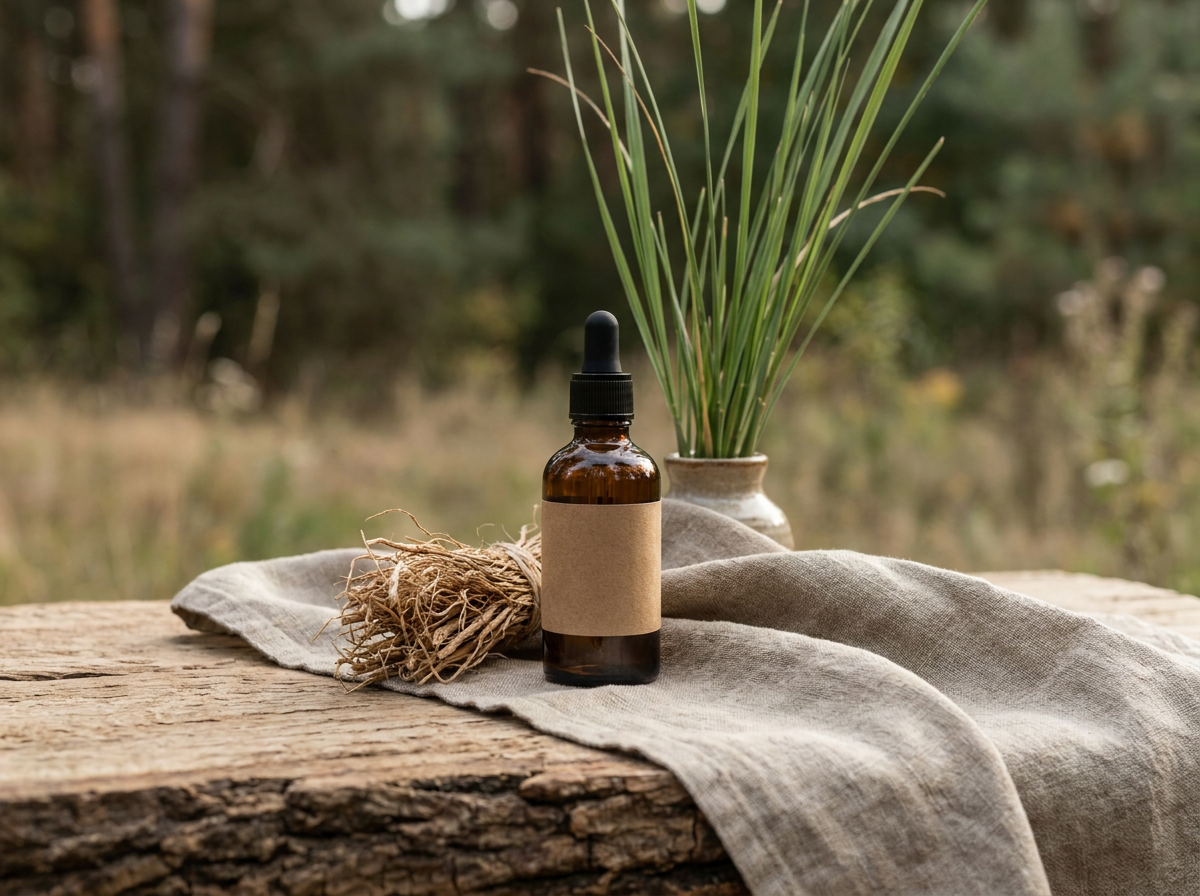
Before exploring vetiver oil instructions, understanding proper safety measures ensures a positive and secure experience. Essential oils are highly concentrated plant extracts that require respectful handling and mindful application.
Patch Testing Protocol
Always perform a patch test before widespread use:
- Dilute 1 drop of vetiver oil in 1 teaspoon of carrier oil
- Apply a small amount to the inside of your wrist
- Cover with a bandage and wait 24-48 hours
- Check for any redness, itching, or irritation
- If sensitivity occurs, discontinue use immediately
General Safety Considerations
Dilution is Essential: Never apply undiluted vetiver oil directly to skin. Even for experienced users, proper dilution prevents potential sensitization and ensures comfortable application.
Pregnancy and Nursing: Consult with a qualified healthcare provider before using any essential oils during pregnancy, breastfeeding, or when managing health conditions.
Children and Pets: Use extra caution around children and animals. Many essential oils, including vetiver, may not be appropriate for young children or pets.
Photosensitivity: While vetiver oil is not typically photosensitive, avoid sun exposure after topical application as a precautionary measure.
Internal Use: Do not ingest vetiver oil unless under the guidance of a qualified aromatherapist or healthcare professional with expertise in essential oil safety.
Proper Dilution Ratios and Methods
Understanding how to use vetiver oil safely begins with mastering proper dilution techniques. These ratios provide a starting framework, though individual sensitivity may require adjustments.
| Application Type | Dilution Ratio | Amount for 1 oz Carrier Oil | Best Uses |
|---|---|---|---|
| Sensitive Skin/Face | 0.5-1% | 3-6 drops | Facial blends, sensitive areas |
| General Body Use | 1-2% | 6-12 drops | Massage oils, body moisturizers |
| Targeted Areas | 2-3% | 12-18 drops | Pulse points, foot massage |
| Bath Blends | 5-8 drops total | In dispersant or carrier oil | Relaxing bath soaks |
Choosing Carrier Oils
Quality carrier oils enhance vetiver's benefits while ensuring safe application:
- Jojoba Oil: Technically a wax, absorbs well without greasy residue
- Fractionated Coconut Oil: Light, odorless, and stable
- Sweet Almond Oil: Gentle and suitable for most skin types
- Grapeseed Oil: Light texture, good for oily skin
- Argan Oil: Luxurious option with additional skin-nourishing properties
Application Techniques for Beginners
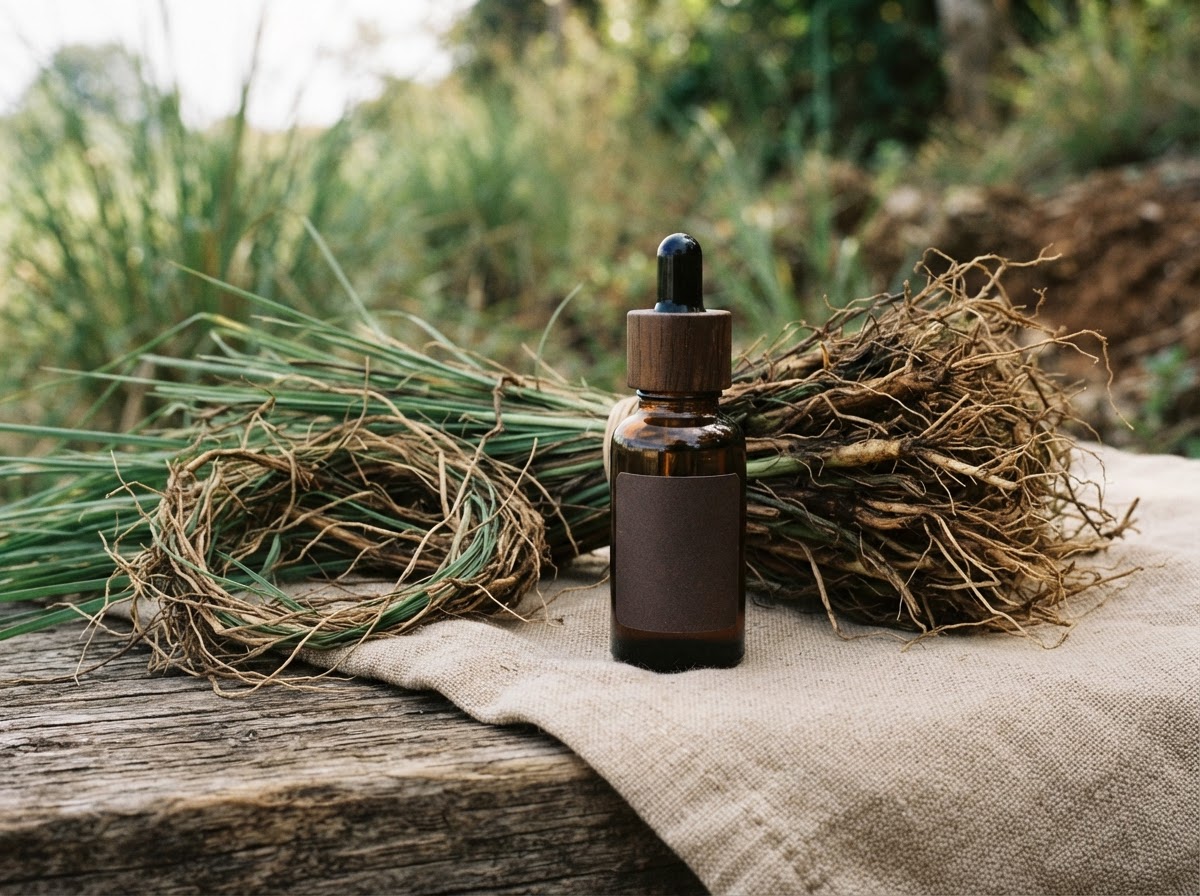
Learning how to use vetiver oil effectively involves understanding various application methods that suit different needs and preferences. Each technique offers unique benefits and experiences.
Topical Application Methods
Pulse Point Application: Apply diluted vetiver oil to pulse points such as wrists, temples, or behind ears. The warmth of these areas may help diffuse the aroma naturally throughout the day.
Massage Integration: Incorporate vetiver into massage oils for a potentially grounding experience. The oil's thick consistency works well in slower, more meditative massage techniques.
Foot Massage: Many people find applying diluted vetiver oil to the soles of their feet before bedtime creates a sense of relaxation. This traditional practice may support evening wind-down routines.
Bath and Body Applications
Bath Soaks: Create mindful bathing experiences by adding 5-8 drops of vetiver oil to a dispersant or carrier oil before adding to bathwater. The warm water may help release the oil's earthy aroma.
Body Moisturizer Enhancement: Add 1-2 drops of vetiver oil to your regular unscented moisturizer for an aromatic body treatment. This method provides gentle, all-over application.
DIY Body Oil Recipe:
- 2 oz carrier oil of choice
- 12-15 drops vetiver essential oil
- 5 drops lavender oil (optional, for balance)
- Mix gently and store in dark glass bottle
Inhalation Techniques
Direct Inhalation: Place 1-2 drops on a tissue or cotton ball and inhale deeply. This method offers immediate access to vetiver's aromatic benefits.
Steam Inhalation: Add 2-3 drops to a bowl of warm (not boiling) water. Lean over the bowl with a towel covering your head and breathe deeply for 5-10 minutes.
Aromatherapy and Diffusion Practices
Vetiver oil for beginners often starts with aromatherapy applications, as these methods require no skin contact while still providing aromatic benefits. Understanding proper diffusion techniques ensures optimal experiences.
Diffusion Guidelines
Ultrasonic Diffusers: Start with 2-4 drops of vetiver oil in your diffuser, as its intensity means less is often more. Due to vetiver's thick consistency, you may need to clean your diffuser more frequently.
Nebulizing Diffusers: Use vetiver sparingly in nebulizers - 1-2 drops diluted with a lighter oil like sweet orange or bergamot to prevent clogging.
Reed Diffusers: Vetiver works beautifully in DIY reed diffusers, providing long-lasting, subtle fragrance. Mix with lighter oils for better reed absorption.
Mindful Diffusion Practices
Evening Wind-Down: Diffuse vetiver 30-60 minutes before bedtime to create a potentially calming atmosphere. Some people report that this practice helps them transition from day to night.
Meditation Support: Use vetiver during meditation or yoga practice. Its grounding aroma may help some individuals feel more centered and present.
Study and Work Spaces: While individual responses vary, some people find vetiver's earthy scent supportive during focused work or study sessions.
Room Spray Recipe
- 4 oz distilled water
- 1 oz witch hazel or high-proof vodka
- 10 drops vetiver oil
- 5 drops complementary oil (optional)
- Mix in spray bottle, shake before each use
Blending Vetiver with Other Oils
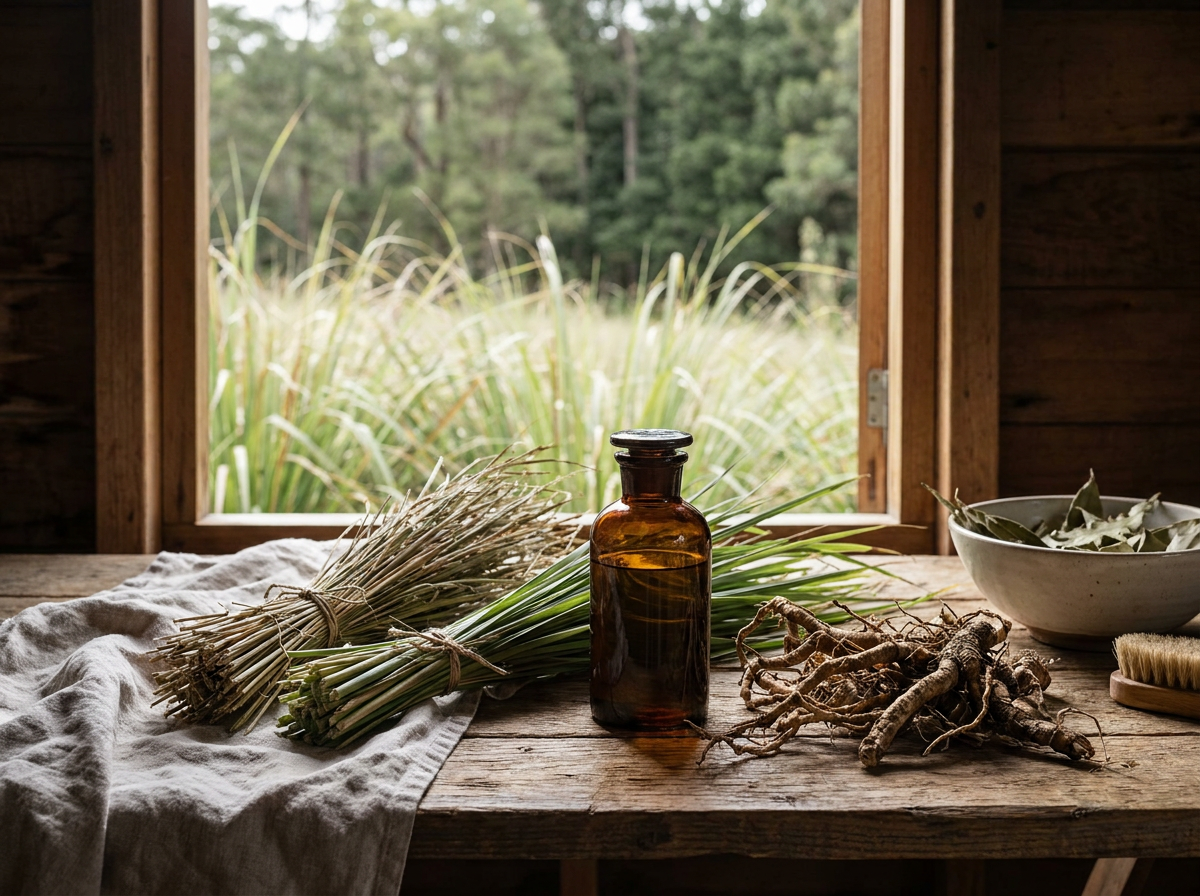
Vetiver's complex profile makes it an excellent blending oil, though its intensity requires thoughtful proportioning. Understanding complementary oils helps create balanced, harmonious blends.
Complementary Oil Families
Citrus Oils: Bright citrus notes can lift vetiver's earthiness:
- Bergamot: adds brightness and balance
- Sweet Orange: provides cheerful contrast
- Grapefruit: offers fresh, energizing notes
- Lemon: brings clean, clarifying qualities
Floral Oils: Soften vetiver's intensity with gentle florals:
- Lavender: classic pairing for relaxation
- Ylang-ylang: adds exotic sweetness
- Rose: provides luxurious, heart-opening qualities
- Geranium: offers balanced, rosy-green notes
Wood and Spice Oils: Enhance vetiver's earthy character:
- Sandalwood: creates deeply grounding blends
- Cedarwood: adds dry, woody complexity
- Patchouli: intensifies earthy qualities
- Ginger: provides warm, energizing contrast
Beginner-Friendly Blend Ratios
Grounding Evening Blend:
- 3 drops vetiver
- 4 drops lavender
- 2 drops bergamot
Uplifting Balance Blend:
- 2 drops vetiver
- 5 drops sweet orange
- 3 drops ylang-ylang
Deep Meditation Blend:
- 4 drops vetiver
- 3 drops sandalwood
- 2 drops frankincense
Blending Tips for Success
Start with smaller ratios of vetiver - its intensity can easily overpower more delicate oils. Allow blends to synergize for at least 24 hours before evaluating their final aroma profile. Keep detailed notes of successful combinations for future reference.
Storage and Maintenance
Proper storage ensures your vetiver oil maintains its quality and potency over time. Essential oils are sensitive to light, heat, and air exposure, making thoughtful storage practices essential for maximizing your investment.
Optimal Storage Conditions
Temperature: Store vetiver oil in a cool, stable environment between 60-70°F. Avoid areas with temperature fluctuations like bathrooms or near heating vents.
Light Protection: Keep oils in dark glass bottles, preferably amber or cobalt blue. Light exposure can degrade oil quality and alter aromatic properties over time.
Air Exposure: Always replace caps tightly after use. Consider transferring oils to smaller bottles as you use them to minimize air exposure in partially full containers.
Humidity Control: Store in low-humidity environments when possible. Excess moisture can affect oil quality and promote bacterial growth in diluted blends.
Shelf Life and Quality Indicators
Pure vetiver oil, when stored properly, typically maintains quality for 4-6 years or longer. However, monitor your oil for signs of degradation:
- Aroma Changes: Off-putting, rancid, or significantly altered scent
- Consistency Changes: Unusual thickening or separation
- Color Changes: Dramatic darkening or clouding
- Skin Reactions: Increased sensitivity or irritation with previously well-tolerated dilutions
Cleaning and Maintenance
Keep bottle exteriors clean and dry. If transferring oils, clean new containers with high-proof alcohol and allow to dry completely. Label all blends with ingredients and creation dates for safety and reference.
Choosing Quality Vetiver Oil
Understanding how to select high-quality vetiver oil ensures the best possible experience for beginners. Quality varies significantly among suppliers, making educated selection crucial for safety and satisfaction.
Key Quality Indicators
Botanical Name: Look for oils labeled with the complete botanical name: Chrysopogon zizanioides (formerly Vetiveria zizanioides). This ensures you're getting true vetiver rather than similar-scented alternatives.
Origin Information: Quality suppliers provide harvest location details. Haitian and Indian vetiver oils offer different aromatic profiles - neither is superior, but knowing the origin helps set proper expectations.
Extraction Method: Steam distillation is the traditional and preferred method for vetiver oil extraction. Avoid oils processed with chemical solvents unless specifically seeking absolutes.
Testing Documentation: Reputable suppliers provide gas chromatography-mass spectrometry (GC-MS) reports verifying purity and constituent profiles.
Red Flags to Avoid
- Unusually low prices that seem too good to be true
- Lack of botanical names or origin information
- Suppliers making medical or therapeutic claims
- Oils sold in clear glass or plastic containers
- Missing safety information or dilution guidelines
Reputable Supplier Characteristics
Quality suppliers typically offer:
- Detailed product information and safety guidelines
- Responsive customer service and educational resources
- Clear return or satisfaction policies
- Proper packaging in dark glass with orifice reducers
- Educational content focused on safe, informed use
Price Considerations
Vetiver oil requires significant plant material and processing time, making it naturally more expensive than many common oils. While price alone doesn't guarantee quality, extremely low prices often indicate dilution, adulteration, or synthetic components.
Consider purchasing smaller sizes initially to test quality and compatibility before investing in larger quantities. A little vetiver oil goes a long way, making 5ml or 10ml bottles often sufficient for beginners.
Beginning Your Vetiver Journey
Starting with vetiver essential oil opens a pathway to deeper connection with nature's grounding wisdom. This ancient oil, drawn from roots that anchor deeply in the earth, offers modern seekers a tool for cultivating presence and stability in daily life.
Remember that essential oil use is highly individual. What works beautifully for one person may not suit another, and that's perfectly natural. Approach your vetiver practice with curiosity, patience, and respect for both the oil's potency and your body's responses.
Begin slowly, dilute properly, and pay attention to how your body and mind respond to different applications. Keep a simple journal noting what methods and dilutions work best for you, building a personal reference guide over time.
Most importantly, let vetiver teach you about grounding and presence. In our fast-paced world, this earthy oil offers an invitation to slow down, breathe deeply, and reconnect with the steady, nurturing energy of the earth beneath our feet.
Please note: This information is for educational purposes only and is not intended to diagnose, treat, cure, or prevent any disease. Always consult with a qualified healthcare provider before using essential oils, especially if you are pregnant, nursing, or managing health conditions.