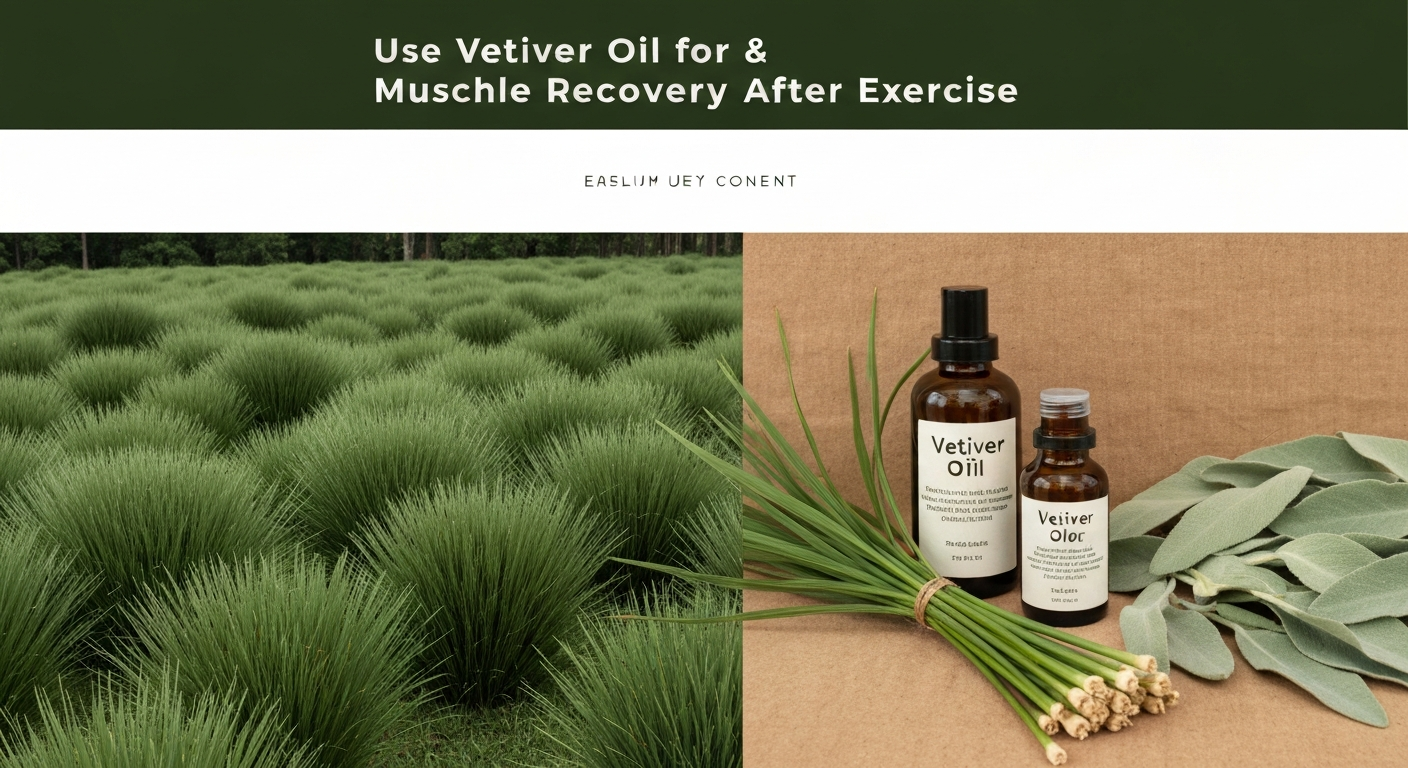
How to Use Vetiver Oil for Muscle Recovery After Exercise
After an intense workout, your body craves restoration and gentle care. Vetiver essential oil, with its deeply grounding and earthy aroma, has been traditionally valued in aromatherapy practices for its potential to support relaxation and create a sense of calm. While we cannot make medical claims about its effectiveness, many people report finding comfort in incorporating this aromatic oil into their post-exercise routines.
This comprehensive guide will walk you through safe, mindful approaches to using vetiver oil as part of your muscle care rituals, always remembering that essential oils complement—but never replace—proper medical care and professional advice.
Understanding Vetiver Oil's Traditional Role in Muscle Care
Vetiver essential oil, steam-distilled from the roots of Chrysopogon zizanioides, carries a rich history in traditional wellness practices. Some preliminary research suggests that vetiver oil may contain compounds that people traditionally associated with comfort and relaxation, though more study is needed to understand these mechanisms fully.
In aromatherapy traditions, practitioners have long valued vetiver for its potentially grounding properties. When it comes to post-exercise care, people often report that the oil's deep, woody scent helps create a peaceful environment conducive to rest and recovery.
It's important to understand that while many individuals find vetiver oil pleasant and potentially supportive in their wellness routines, essential oils should never replace proper warm-up, cool-down, hydration, nutrition, or medical treatment for exercise-related discomfort.
Essential Materials and Ingredients
Before beginning any vetiver oil application, gather these materials to ensure a safe and effective experience:
Base Ingredients
- High-quality vetiver essential oil (2-3 drops per application)
- Carrier oil of choice (2-3 tablespoons):
- Sweet almond oil (lightweight, absorbs well)
- Jojoba oil (technically a wax, excellent for sensitive skin)
- Fractionated coconut oil (non-greasy, stable)
- Grapeseed oil (light texture, rich in antioxidants)
Optional Enhancement Ingredients
- Lavender essential oil (1-2 drops for additional relaxation)
- Roman chamomile essential oil (1 drop for gentle comfort)
- Arnica-infused carrier oil (traditionally used for muscle care)
Application Tools
- Small glass bowl for mixing
- Clean towels
- Patch test materials (small bandage, cotton swab)
- Dark glass bottle for storage (if making larger batches)
Safety Note: Always perform a patch test 24 hours before first use. Apply a small amount of diluted oil to your inner forearm and monitor for any reactions.
Step-by-Step Application Methods
Method 1: Simple Post-Workout Massage Oil
Dilution Ratio: 1% dilution (approximately 6 drops per ounce of carrier oil)
- Prepare Your Blend
In a small glass bowl, combine 2 tablespoons (1 ounce) of your chosen carrier oil with 2-3 drops of vetiver essential oil. Stir gently with a clean utensil to ensure even distribution.
- Test the Blend
Before applying to larger areas, test a small amount on your inner wrist. Wait 15 minutes to ensure no immediate sensitivity occurs.
- Warm the Oil
Rub a small amount between your palms to warm the oil naturally. This helps with absorption and creates a more pleasant application experience.
- Apply with Mindful Pressure
Using gentle, circular motions, massage the oil into areas where you feel post-exercise tension. Focus on major muscle groups you worked during your session. Apply with light to moderate pressure, listening to your body's response.
- Allow Absorption Time
Let the oil absorb for 10-15 minutes before showering or dressing. Use this time for gentle stretching or meditation.
Method 2: Targeted Muscle Care Blend
For those seeking a more comprehensive approach, this DIY vetiver massage blend incorporates multiple oils traditionally used in muscle care:
- Create Your Base
Combine 2 tablespoons sweet almond oil with 1 teaspoon arnica-infused oil in a clean bowl.
- Add Essential Oils
Add 2 drops vetiver oil, 1 drop lavender oil, and 1 drop Roman chamomile oil. Mix thoroughly.
- Application Technique
Using both hands, apply the blend with long, smooth strokes along muscle fibers. Start with lighter pressure and gradually increase if comfortable.
- Focus Areas
Pay special attention to commonly tight areas: calves, hamstrings, quadriceps, shoulders, and neck. Spend 2-3 minutes on each major muscle group.
- Complete the Session
Finish with gentle stretching while the oil absorbs, allowing the aromatic compounds to create a peaceful environment for recovery.
Method 3: Post-Exercise Bath Soak
For full-body relaxation after intense training sessions:
- Prepare Bath Water
Fill your bathtub with comfortably warm (not hot) water to prevent skin irritation and dehydration.
- Create Oil Dispersant
Mix 2-3 drops of vetiver oil with 1 tablespoon of carrier oil or unscented bath gel. This prevents the essential oil from floating undiluted on water surface.
- Add to Bath
Pour the mixture under running water to help distribute evenly throughout the bath.
- Soak Mindfully
Limit bath time to 15-20 minutes to prevent skin drying. Use this time for deep breathing and gentle muscle relaxation.
- Hydrate After
Apply a gentle moisturizer while skin is still damp to lock in hydration.
Safety Guidelines and Precautions
Proper Dilution Ratios
Never apply vetiver oil undiluted to skin. Safe dilution ratios for adults:
- General use: 1-2% (6-12 drops per ounce of carrier oil)
- Sensitive skin: 0.5-1% (3-6 drops per ounce of carrier oil)
- Facial application: 0.5% maximum (3 drops per ounce)
Contraindications and Warnings
- Avoid use during pregnancy and breastfeeding without consulting healthcare providers
- Not recommended for children under 6 years old
- Those with grass allergies should exercise extra caution
- Discontinue use if skin irritation, redness, or discomfort occurs
- Avoid contact with eyes and mucous membranes
Storage and Shelf Life
Store blended oils in dark glass containers away from heat and light. Use prepared blends within 6 months for optimal freshness and potency.
Common Mistakes to Avoid
Over-Application
More oil doesn't mean better results. Using excessive amounts can lead to skin sensitization and waste valuable product. Start with minimal amounts and add more only if needed.
Skipping Patch Tests
Even natural products can cause reactions in sensitive individuals. Always perform patch tests, especially when trying new carrier oils or essential oil combinations.
Incorrect Timing
Avoid applying oils immediately before showering, as you'll wash away the beneficial compounds before absorption. Similarly, don't apply to sweaty skin—clean the area gently first.
Ignoring Quality
Not all essential oils are created equal. Choose reputable suppliers who provide GC/MS testing reports and avoid synthetic fragrances marketed as essential oils.
Complementary Practices for Enhanced Results
While vetiver oil applications may provide aromatic comfort, combining them with evidence-based recovery practices may enhance your overall post-exercise routine:
Proper Hydration
Drink adequate water before, during, and after exercise. Dehydration can contribute to muscle discomfort and impair recovery processes.
Gentle Movement
Light stretching or walking after intense exercise may help maintain circulation and flexibility while your vetiver blend absorbs.
Adequate Rest
Quality sleep remains one of the most important factors in muscle recovery. The calming aroma of vetiver may help create a peaceful environment conducive to rest.
Proper Nutrition
Consuming appropriate protein and carbohydrates post-exercise supports muscle repair and glycogen replenishment.
Understanding Expected Outcomes
When incorporating vetiver oil into your post-exercise routine, it's important to maintain realistic expectations. Essential oils work primarily through their aromatic properties and potential skin-conditioning effects rather than as medical treatments.
Many people report that vetiver oil applications may help them feel more relaxed and grounded after intense physical activity. Some individuals find that the ritual of mindful oil application serves as a bridge between high-energy exercise and peaceful recovery time.
The deep, earthy scent of vetiver is often described as centering and calming, which may complement the natural recovery processes your body undergoes after exercise. However, these effects are highly individual and should not be considered guaranteed outcomes.
Remember that while some research suggests vetiver oil may have properties traditionally associated with comfort, most studies are preliminary or conducted in laboratory settings rather than on human muscle recovery specifically.
When to Seek Professional Advice
Essential oils should complement, not replace, appropriate medical care. Consult healthcare providers if you experience:
- Persistent muscle pain lasting more than a few days
- Sharp or severe discomfort during or after exercise
- Signs of injury such as swelling, bruising, or limited range of motion
- Any concerning symptoms that don't improve with rest
Additionally, if you're new to essential oils or have sensitive skin, consider consulting with a qualified aromatherapist who can provide personalized guidance for your specific needs.
Building Your Personal Muscle Care Ritual
Creating a consistent post-exercise routine with vetiver oil can become a meaningful part of your fitness journey. The key lies in approaching this practice mindfully, listening to your body's needs, and maintaining realistic expectations about what essential oils can and cannot provide.
Consider keeping a simple journal noting which application methods you prefer, how different dilution ratios feel on your skin, and which carrier oils work best for your lifestyle. This mindful approach helps you develop a personalized routine that truly supports your wellness goals.
Remember that the most effective muscle recovery strategy combines multiple approaches: proper hydration, adequate rest, gentle movement, good nutrition, and stress management. Vetiver oil applications can be a pleasant addition to this comprehensive approach, offering aromatic comfort and the therapeutic ritual of self-care.
As you explore vetiver's traditional anti-inflammatory associations and learn more about vetiver oil's historical use for comfort, always prioritize safety, listen to your body, and consult qualified healthcare providers for any persistent concerns.
Through mindful application and realistic expectations, vetiver oil can become a grounding element in your post-exercise routine, helping you transition from activity to rest with intention and care.