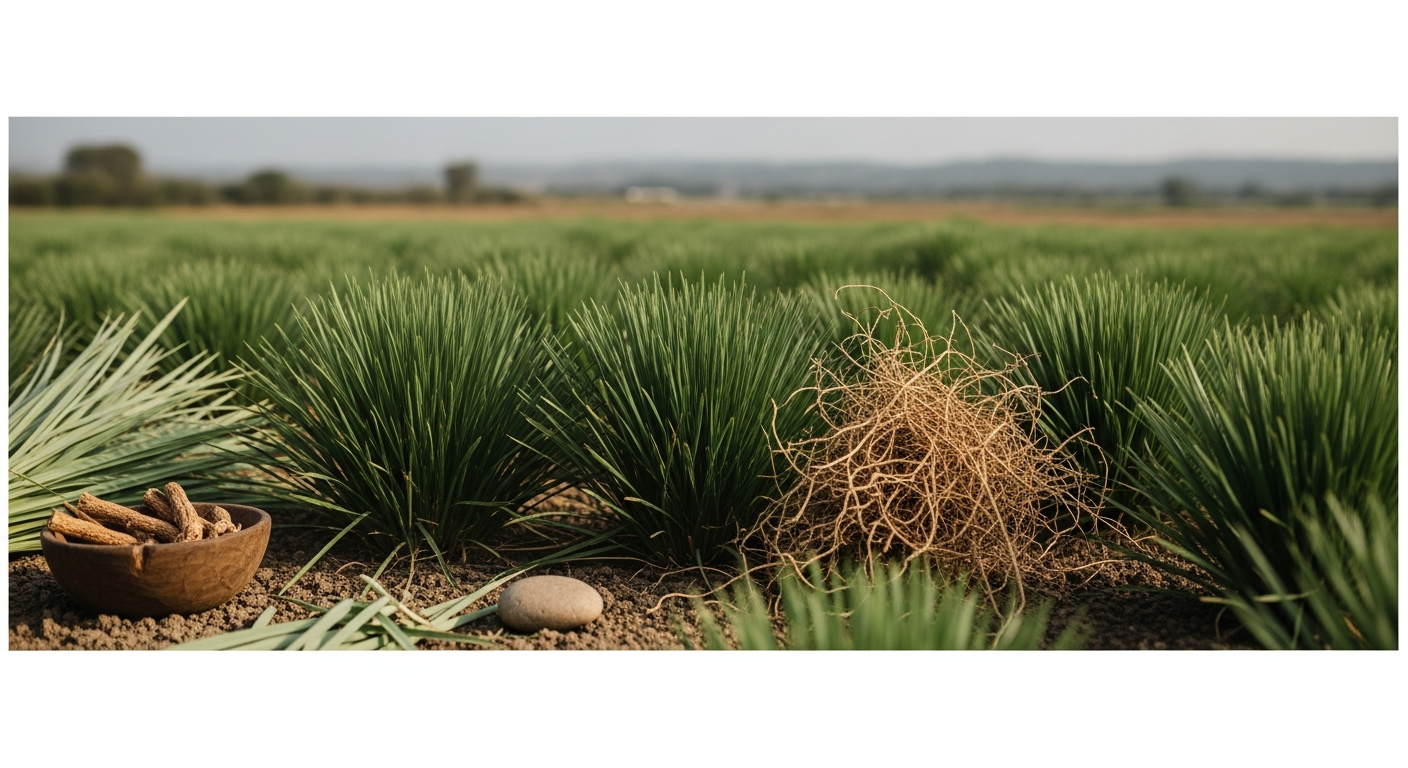
Khus Khus Oil: The Complete Guide to Indian Vetiver and Its Sacred Heritage
Key Takeaways
- Khus khus oil is the traditional Indian name for vetiver essential oil, derived from Chrysopogon zizanioides
- This sacred oil holds deep cultural significance in Indian traditions, particularly in Ayurveda and spiritual practices
- Indian vetiver offers unique characteristics due to terroir, climate, and traditional extraction methods
- Quality varies significantly based on region, distillation techniques, and harvesting practices
- Understanding the difference between khus khus and other vetiver varieties helps in selecting authentic products
Table of Contents
- Understanding Khus Khus: The Sacred Indian Vetiver
- Botanical Profile and Growing Regions
- Traditional Extraction Methods and Modern Techniques
- Cultural Heritage and Sacred Traditions
- Khus Khus vs Other Vetiver Varieties: Understanding the Differences
- Quality Assessment and Ethical Sourcing
- Traditional Uses and Modern Applications
- Selection, Storage, and Safety Guidelines
Understanding Khus Khus: The Sacred Indian Vetiver
In the ancient texts of India, where wisdom flows like sacred rivers through time, there exists a plant so revered that it earned the name "khus khus" – a term that whispers of cooling shade, spiritual grounding, and the earth's own perfume. This is vetiver as India knows it, not merely as an aromatic grass, but as a bridge between the physical and spiritual realms.
Vetiver Essential Oil
Our own Vetiver Essential Oil, in sizes from 0.5 oz to bulk.
From $18.99
Shop Now →Khus khus oil represents more than a fragrant essential oil; it embodies thousands of years of traditional knowledge, sacred practices, and deep connection to the land. The name itself carries linguistic roots that speak to its cooling properties – "khus" deriving from the Hindi word suggesting something that brings relief from heat, both physical and metaphorical.
The Sacred Etymology
The repetition in "khus khus" follows ancient Sanskrit patterns where doubling a word intensifies its meaning. This linguistic choice reflects the profound respect Indian culture holds for this plant. In various Indian languages, vetiver carries names that honor its qualities:
- Hindi/Urdu: Khus or Khus Khus
- Sanskrit: Ushira (meaning "below" or "root")
- Tamil: Vettiver (from which the English name derives)
- Bengali: Khus Ghash
- Gujarati: Vala
Each name carries cultural nuances that speak to the plant's role in traditional life – from cooling summer beverages to spiritual purification rituals.
Beyond Fragrance: A Cultural Cornerstone
Unlike many essential oils that entered Indian culture through trade, vetiver is indigenous to the subcontinent. Archaeological evidence suggests its use dates back over 3,000 years, with references in ancient Ayurvedic texts describing its properties for promoting balance and tranquility.
Traditional Indian households have long integrated khus khus into daily life. The familiar sight of khus screens (called "khus tattis") cooling homes during scorching summers represents just one facet of this plant's cultural integration. The oil, extracted from the roots through time-honored methods, was traditionally reserved for special occasions, meditation practices, and sacred ceremonies.
Botanical Profile and Growing Regions
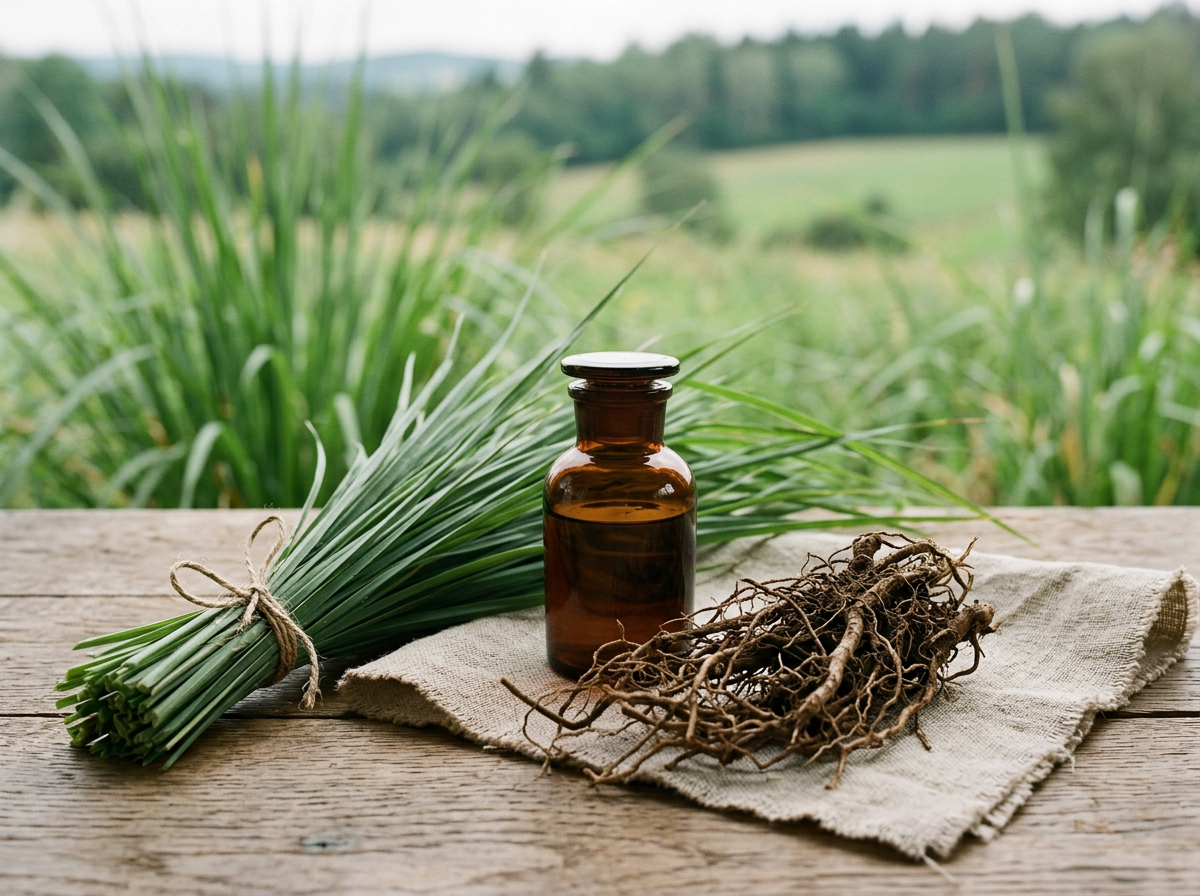
Chrysopogon zizanioides, the botanical name for vetiver, thrives in India's diverse climate zones, creating unique regional variations that influence the oil's character. Understanding these geographical nuances helps appreciate why Indian khus khus oil possesses such distinctive qualities.
Botanical Characteristics
Vetiver belongs to the Poaceae family, sharing lineage with rice, wheat, and bamboo. However, its underground root system sets it apart dramatically. These roots, which can extend up to 3 meters deep, develop the complex chemistry that produces the precious oil.
| Characteristic | Description |
|---|---|
| Growth Pattern | Dense, clumping perennial grass |
| Height | 0.5 to 1.5 meters above ground |
| Root Depth | Up to 3 meters deep |
| Climate Preference | Tropical and subtropical regions |
| Soil Tolerance | Wide range, including poor and waterlogged soils |
Primary Growing Regions in India
India's vetiver cultivation spans multiple states, each contributing unique characteristics to the oil's profile:
Kerala: The Golden Standard
Kerala's Western Ghats provide ideal conditions for vetiver cultivation. The combination of monsoon rains, well-drained laterite soils, and traditional farming knowledge produces oil with exceptional depth and complexity. Kerala vetiver often displays more pronounced woody and smoky notes.
Tamil Nadu: Traditional Excellence
As the linguistic origin of the word "vetiver," Tamil Nadu maintains strong cultivation traditions. The state's varied topography, from coastal plains to hill stations, creates diverse microclimates that influence oil characteristics.
Karnataka: Highland Varieties
Karnataka's elevated regions produce vetiver with unique fresh, green top notes alongside the traditional earthy base. The cooler highland climate extends the growing season, potentially enhancing oil complexity.
Rajasthan: Desert Adaptation
Rajasthan's arid climate creates hardy vetiver varieties with intense, concentrated oil profiles. These plants develop extensive root systems to access deep water, potentially contributing to more pronounced earthy characteristics.
Terroir and Oil Characteristics
Like fine wine, khus khus oil expresses its terroir – the environmental factors that shape its character. Indian vetiver's unique qualities emerge from:
- Monsoon Patterns: The timing and intensity of seasonal rains influence root development and chemical composition
- Soil Minerals: Iron-rich laterite soils may contribute to the oil's distinctive earthy depth
- Temperature Fluctuations: Day-night temperature variations stress the plant in ways that can concentrate aromatic compounds
- Traditional Varieties: Heirloom cultivars preserved through generations maintain genetic diversity and unique chemical profiles
Traditional Extraction Methods and Modern Techniques
The journey from earth-bound roots to precious oil represents a delicate balance of traditional wisdom and modern efficiency. In India, this process carries spiritual significance alongside practical considerations, with many distillers viewing their work as a form of meditation.
Traditional Extraction: The Ancient Way
Traditional Indian distillation methods, passed down through generations, prioritize quality over speed. These time-honored techniques often produce oil with greater complexity and spiritual resonance.
Harvesting Rituals
Traditional harvesting follows lunar cycles and seasonal patterns. Experienced cultivators often harvest during specific moon phases, believing this timing influences the oil's energetic properties. The roots are carefully hand-dug, cleaned, and sun-dried for several days to concentrate their aromatic compounds.
Clay Pot Distillation
Some artisan producers still employ clay pot (bhapka) distillation, a method that imparts unique characteristics to the oil. The porous clay allows for subtle temperature regulation and may contribute mineral notes to the final product.
Slow Steam Distillation
Traditional steam distillation in India often extends for 18-24 hours, significantly longer than commercial operations. This extended process allows for complete extraction of heavy molecular compounds that contribute to vetiver's characteristic depth and longevity.
Modern Extraction Innovations
Contemporary Indian distilleries blend traditional wisdom with modern technology, creating hybrid approaches that honor heritage while meeting global quality standards.
Copper Still Distillation
Many premium producers use copper stills, which offer excellent heat conductivity and may contribute subtle metallic notes that complement vetiver's earthiness. Copper's antimicrobial properties also help maintain oil purity during distillation.
Temperature and Pressure Control
Modern systems allow precise control of distillation parameters, enabling producers to optimize extraction for specific chemical compounds while maintaining traditional timing principles.
Quality Factors in Extraction
Several factors determine the quality of khus khus oil during extraction:
- Root Age: Roots harvested after 12-18 months typically yield the highest quality oil
- Drying Method: Sun-drying versus machine drying affects the oil's aromatic profile
- Distillation Duration: Longer distillation periods extract more complex compounds but require greater skill to avoid over-processing
- Water Quality: Pure, mineral-balanced water is essential for optimal extraction
- Post-Distillation Handling: Proper storage and aging can improve oil quality over time
"The best khus khus oil is not rushed. Like meditation itself, the process requires patience, attention, and respect for natural rhythms. Each drop carries the earth's patience and the distiller's devotion." – Traditional Indian Distiller
Cultural Heritage and Sacred Traditions
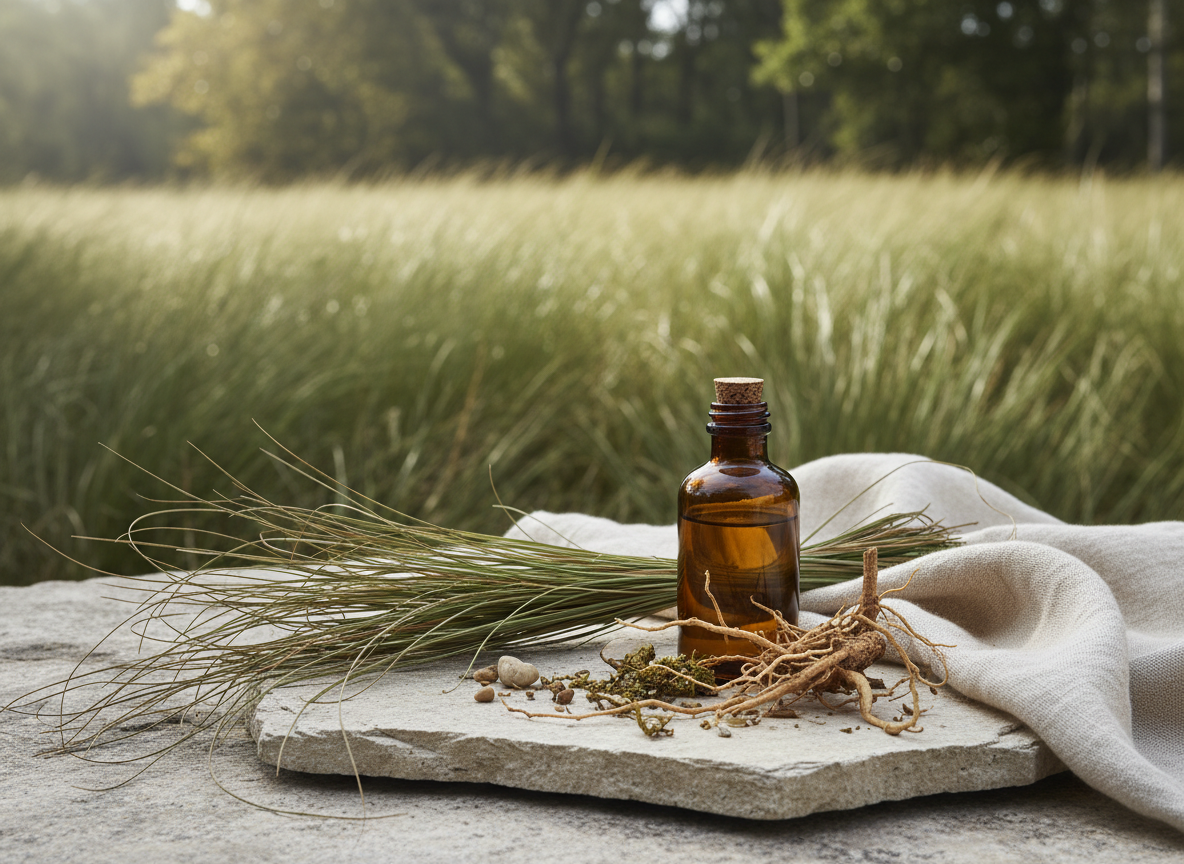
To understand khus khus oil fully, one must appreciate its sacred place in Indian culture. This is not merely an aromatic substance but a bridge between the material and spiritual worlds, woven into the fabric of daily life, religious practice, and cultural identity.
Ayurvedic Traditions
In Ayurveda, India's ancient system of traditional medicine, vetiver holds the classification of a cooling herb with properties that may support balance in the body's energy systems. Ancient texts describe khus khus as having the potential to promote tranquility and mental clarity.
Constitutional Applications
Ayurvedic practitioners traditionally considered vetiver particularly supportive for individuals with excess heat in their constitution. The cooling properties were thought to help balance internal fire, potentially supporting a sense of calm and centeredness.
Seasonal Protocols
Traditional Ayurvedic seasonal routines often incorporated khus khus during hot seasons. The oil was traditionally used in abhyanga (oil massage) practices, where it was believed to help the body adapt to environmental heat while promoting deep relaxation.
Spiritual and Religious Practices
Khus khus oil occupies a special place in Indian spiritual traditions, appearing in various religious and meditative practices across different faiths.
Temple Traditions
Many South Indian temples incorporate vetiver into their daily rituals. The oil is sometimes used to anoint sacred objects or included in temple lamp preparations. Its grounding aroma is believed to enhance the spiritual atmosphere and support devotional focus.
Meditation Enhancement
Traditional meditation practices often employed khus khus oil to create conducive environments for inner exploration. The oil's deep, earthy aroma was thought to help practitioners feel more connected to the earth element, potentially supporting stability in meditation practice. For those interested in exploring this connection further, our guide to vetiver meditation and grounding practices offers deeper insights.
Cultural Celebrations and Festivals
Indian festivals and celebrations frequently feature khus khus in various forms, from cooling drinks to aromatic preparations that mark special occasions.
Summer Festivals
During intense summer festivals, khus khus preparations help communities cope with heat. The oil might be used to scent water for sprinkling on guests or incorporated into traditional cooling preparations served during celebrations.
Wedding Traditions
Some regional wedding traditions include khus khus oil in pre-ceremony preparations. Brides might use diluted vetiver oil in their ritual baths, symbolizing grounding and preparation for the transformative wedding ceremony.
Folk Wisdom and Household Traditions
Beyond formal religious or medical applications, khus khus oil permeates Indian folk wisdom and household practices.
Seasonal Adaptations
Traditional households developed numerous ways to incorporate vetiver into seasonal routines. During monsoons, the oil might be used to create a sense of warmth and dryness. In summer, it served cooling and refreshing purposes.
Generational Knowledge
Grandmothers traditionally passed down knowledge about khus khus oil through generations, sharing not just techniques but also stories, beliefs, and cultural meanings that gave the oil its sacred significance.
Khus Khus vs Other Vetiver Varieties: Understanding the Differences
The world of vetiver extends far beyond India's borders, with distinct varieties grown across different continents. Understanding these differences helps appreciate what makes Indian khus khus oil unique while informing purchasing decisions.
Indian Khus Khus Characteristics
Indian vetiver oil, known as khus khus, possesses distinctive characteristics shaped by terroir, traditional cultivation methods, and cultural preservation of heritage varieties.
Aromatic Profile
- Base Notes: Deep, earthy, woody with smoky undertones
- Middle Notes: Sweet, balsamic qualities with hints of dried grass
- Top Notes: Fresh, green openings that quickly settle into depth
- Overall Character: Complex, meditative, grounding with spiritual resonance
Physical Properties
- Color: Deep amber to dark brown
- Viscosity: Thick, syrupy consistency
- Longevity: Exceptional staying power, improving with age
- Blending: Harmonizes beautifully with sandalwood, rose, and jasmine
Comparison with Other Vetiver Origins
Each major vetiver-producing region contributes unique characteristics to the global vetiver profile. For a comprehensive comparison, our Haitian vs Javanese vetiver guide explores these international varieties in depth.
Haitian Vetiver
Haitian vetiver, often considered the finest quality globally, displays:
- Cleaner, more refined aromatic profile
- Less smoky, more purely woody characteristics
- Higher price point due to limited production
- Excellent for perfumery applications
Javanese Vetiver
Indonesian vetiver offers:
- Lighter, more accessible aroma
- Less intense earthiness than Indian varieties
- Good balance of quality and affordability
- Suitable for those new to vetiver
Australian Vetiver
Australian cultivation produces:
- Clean, bright aromatic characteristics
- Consistent quality due to controlled cultivation
- Environmental sustainability focus
- Moderate intensity suitable for various applications
Choosing Between Varieties
Selection depends on intended use, personal preference, and budget considerations:
| Variety | Best For | Characteristics |
|---|---|---|
| Indian Khus Khus | Meditation, spiritual practice, traditional applications | Deep, complex, culturally significant |
| Haitian | High-end perfumery, special occasions | Refined, clean, expensive |
| Javanese | Daily use, blending, beginners | Moderate intensity, accessible |
| Australian | Consistent quality, sustainable choice | Clean, reliable, eco-conscious |
Authenticity Markers
Identifying authentic Indian khus khus oil requires attention to several quality indicators:
- Aroma Complexity: True khus khus oil reveals new facets over time, deepening rather than fading
- Geographic Specificity: Quality suppliers provide specific origin information (state, region, even farm)
- Traditional Processing: Look for producers who employ traditional or hybrid traditional-modern methods
- Cultural Context: Authentic suppliers understand and communicate the oil's cultural significance
- Seasonal Variations: Natural variations between batches indicate authentic, unprocessed oil
Quality Assessment and Ethical Sourcing
Navigating the khus khus oil market requires understanding quality indicators while supporting ethical sourcing practices that honor traditional communities and environmental stewardship.
Quality Assessment Criteria
Evaluating khus khus oil quality involves multiple sensory and technical considerations that reveal the oil's authenticity and potential.
Sensory Evaluation
Initial Aroma Assessment:
- Deep, complex opening that doesn't overwhelm
- Absence of sharp, chemical-like top notes
- Immediate sense of earthiness and depth
- No medicinal or off-putting qualities
Development Over Time:
- Aroma should evolve and deepen over 15-30 minutes
- New facets should emerge rather than fade
- Overall character should remain harmonious
- Longevity should extend several hours
Physical Properties:
- Thick, syrupy consistency (not thin or watery)
- Deep amber to dark brown color
- No cloudiness or particulate matter
- Pours slowly due to natural viscosity
Technical Quality Markers
Chemical Composition:
High-quality khus khus oil should contain appropriate levels of key compounds including vetiverol, khusimol, and α-vetivone. While technical analysis requires laboratory testing, reputable suppliers provide certificates of analysis upon request.
Adulteration Detection:
Common adulterants include synthetic compounds, cheaper carrier oils, or lower-grade vetiver oils. Signs of adulteration include:
- Unusually uniform batches without natural variation
- Prices significantly below market standards
- Artificial or overly sweet aromatic notes
- Lack of complexity or depth in fragrance development
Ethical Sourcing Considerations
Supporting ethical khus khus oil production means considering the impact on traditional communities, environmental sustainability, and fair economic practices.
Community Impact
Traditional Knowledge Respect:
Ethical suppliers acknowledge and compensate traditional communities for their generational knowledge of vetiver cultivation and processing. This includes respecting indigenous varieties and traditional processing methods.
Fair Trade Practices:
Look for suppliers who:
- Pay fair prices to farmers and distillers
- Provide transparent information about their supply chain
- Support community development initiatives
- Maintain long-term relationships with producer communities
Environmental Sustainability
Cultivation Practices:
- Organic or chemical-free farming methods
- Soil conservation and regenerative agriculture practices
- Water resource management
- Biodiversity preservation initiatives
Processing Sustainability:
- Energy-efficient distillation methods
- Waste reduction and by-product utilization
- Sustainable packaging choices
- Carbon footprint consciousness in transportation
Supplier Evaluation Framework
When selecting a khus khus oil supplier, consider these evaluation criteria:
Transparency Indicators
- Origin Documentation: Specific geographic origin information
- Processing Details: Clear information about extraction methods
- Quality Testing: Available certificates of analysis
- Supply Chain Visibility: Information about farmers and distillers
- Cultural Context: Understanding and respect for cultural significance
Business Practice Assessment
- Communication Quality: Knowledgeable, responsive customer service
- Educational Approach: Provides educational resources and guidance
- Sample Availability: Offers samples for quality assessment
- Return Policies: Fair policies that protect customer investments
- Community Feedback: Positive reviews from experienced customers
Investment Considerations
High-quality khus khus oil represents a significant investment that can provide years of enjoyment when properly selected and stored.
Price-Quality Relationship
While price doesn't guarantee quality, extremely low prices often indicate adulteration or poor quality. Expect to invest appropriately for authentic, ethically-sourced oil that supports traditional communities.
Long-term Value
Quality vetiver oil often improves with proper aging, making it a unique investment that can appreciate over time. Consider purchasing from suppliers who understand and support this aging process.
Traditional Uses and Modern Applications
The versatility of khus khus oil spans centuries of traditional applications while finding new relevance in contemporary wellness and lifestyle practices. Understanding both traditional uses and modern applications helps appreciate the oil's full potential.
Traditional Indian Applications
Traditional Indian culture integrated khus khus oil into daily life through practical applications that honored both its functional properties and spiritual significance.
Household Applications
Natural Air Conditioning:
Traditional Indian architecture incorporated khus screens and cooling systems. While the screens used the whole grass, concentrated oil applications included:
- Adding drops to water for room sprinkling during hot weather
- Scenting storage areas to deter insects while providing fragrance
- Including in potpourri mixtures for natural home fragrance
Personal Care Traditions:
Traditional personal care incorporated khus khus oil in various forms:
- Diluted oil for scalp and hair treatments during hot seasons
- Mixed with carrier oils for full-body massage applications
- Added to bathing water for cooling and aromatic experiences
- Combined with traditional ingredients for natural perfume preparations
Ceremonial and Spiritual Uses
Sacred Preparations:
Religious and spiritual contexts employed khus khus oil in:
- Anointing oils for meditation and prayer practices
- Incense and dhoop preparations for temple and home altars
- Sacred oil blends for special ceremonies and festivals
- Purification rituals for spaces and objects
Seasonal Observances:
Different seasons brought specific applications:
- Summer cooling preparations and refreshing applications
- Monsoon grounding practices to maintain stability
- Winter warming blends that incorporated vetiver's depth
- Festival preparations that honored cultural traditions
Modern Lifestyle Integration
Contemporary applications of khus khus oil blend traditional wisdom with modern understanding, creating new ways to experience this ancient oil.
Aromatherapy and Wellness
Diffusion Practices:
Modern diffusion methods allow for controlled, consistent oil distribution:
- Ultrasonic diffusers for meditation and relaxation spaces
- Reed diffusers for continuous, subtle fragrance release
- Car diffusers for grounding during daily commutes
- Personal inhalers for on-the-go centering practices
Topical Applications:
Always properly diluted in appropriate carrier oils, khus khus oil finds modern uses in:
- Massage oil blends for relaxation and grounding
- Pulse point applications for personal fragrance
- Bath oil preparations for luxurious, aromatic soaks
- Foot massage oils for end-of-day grounding rituals
Safety Note: Always dilute khus khus oil properly before topical use. Perform patch tests before first use.
Vetiver Essential Oil
Vetiver Essential Oil from our own shop, in sizes from 0.5 oz to bulk.
From $18.99
Shop Now →