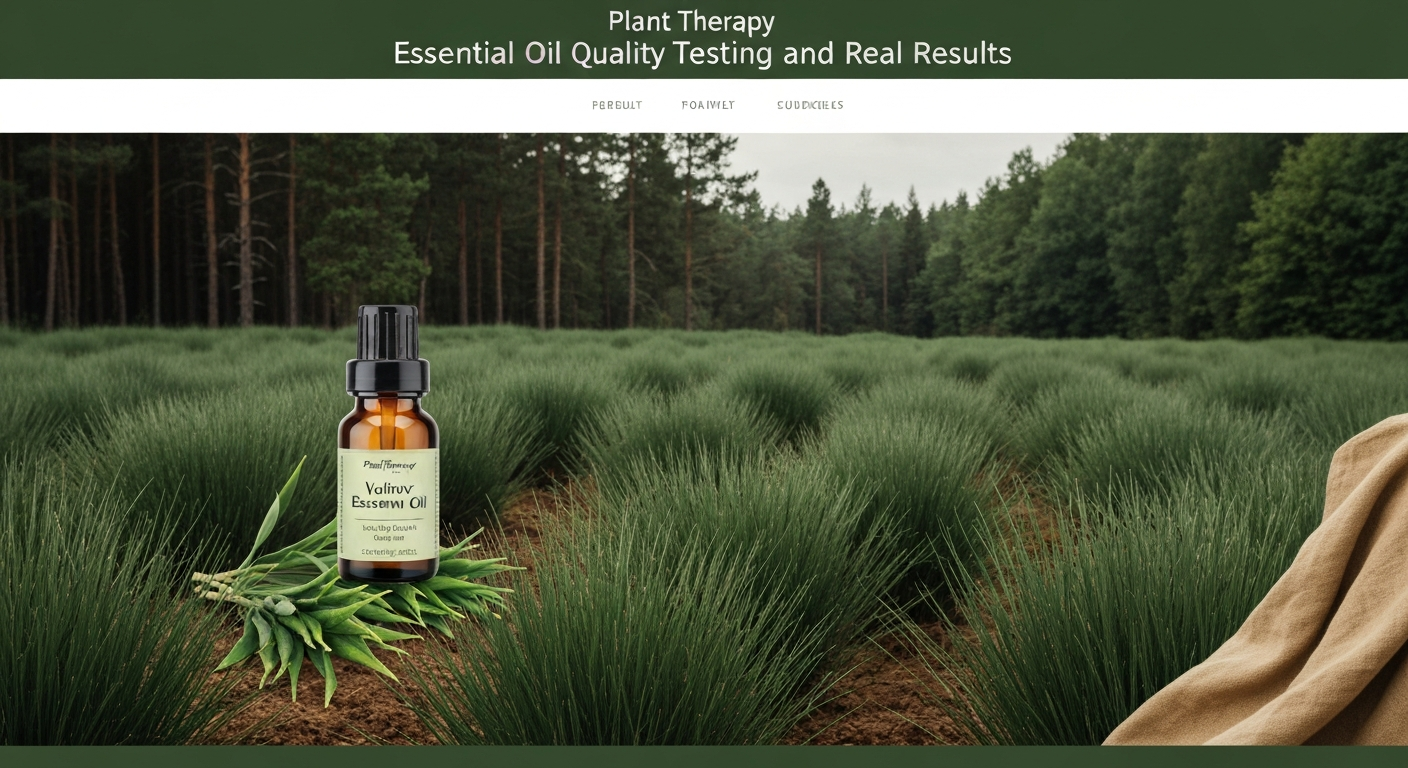
Plant Therapy Vetiver Essential Oil Review: Quality Testing and Real Results
In the world of essential oils, vetiver stands as one of nature's most grounding and complex aromatics. Today, we're taking an honest, detailed look at Plant Therapy's Vetiver Essential Oil—examining everything from sourcing transparency to scent complexity. As someone who has experienced countless vetiver oils, I approach this plant therapy vetiver review with both curiosity and discernment.
Plant Therapy has built a reputation for accessible, quality essential oils with transparent sourcing practices. But how does their vetiver measure up against the backdrop of this deeply earthy, multifaceted oil? Let's explore together.
Product Overview and Specifications
The plant therapy vetiver oil arrives in their signature amber glass bottle with a European dropper insert—a thoughtful touch that speaks to quality preservation. Here are the key specifications:
- Botanical Name: Vetiveria zizanioides
- Origin: Haiti
- Extraction Method: Steam distillation
- Plant Part: Roots
- Volume Options: 10ml, 30ml, 100ml
- Dilution Status: 100% pure, undiluted
- Testing: GC/MS tested with reports available
- Organic Status: Not certified organic
The Haitian sourcing immediately caught my attention. Haiti produces some of the world's most prized vetiver, known for its clean, woody-sweet profile that differs distinctly from the heavier, more earthy Indonesian varieties. You can learn more about these distinctions in our comprehensive guide to vetiver oil grades.
First Impressions and Unboxing Experience
Plant Therapy's packaging reflects their commitment to both protection and sustainability. The plant therapy vetiver essential oil arrived securely cushioned, with clear labeling that includes batch numbers and safety information—details that matter when you're investing in quality aromatics.
The amber glass feels substantial, and the European dropper insert provides controlled dispensing without the frustration of overpour. The label design is clean and informative, featuring all necessary safety warnings and dilution guidelines—a responsible approach that aligns with mindful aromatherapy practices.
Opening the bottle reveals that characteristic vetiver complexity immediately. Even before the first drop touches skin, the aromatic journey begins.
Scent Profile and Sensory Assessment
Vetiver's scent journey unfolds in layers, and this Haitian-sourced oil presents a particularly refined expression of the plant's aromatic potential.
Initial Impression
The opening notes carry a green, almost grassy freshness that speaks to quality distillation. Unlike some vetiver oils that can feel overwhelming in their initial earthiness, this one invites you in with a surprisingly approachable top note.
Heart Notes
As the oil settles, the classic vetiver character emerges: deep, woody, with hints of smokiness. The Haitian terroir expresses itself through subtle sweet undertones—a characteristic that distinguishes it from the heavier, more medicinal profiles of some other origins.
Dry Down
The lasting impression is where this oil truly shines. Hours later, a warm, almost vanilla-like sweetness emerges, grounded by that unmistakable vetiver earthiness. It's both centering and sophisticated—the kind of scent that invites mindful presence.
Quality Assessment and Testing
Beyond subjective experience, quality assessment requires examining the technical aspects that indicate a well-produced essential oil.
Viscosity and Appearance
The oil presents with the expected amber-brown color typical of vetiver, with good clarity when held to light. Viscosity falls within normal range—thicker than citrus oils but still flowing freely at room temperature.
Consistency Across Batches
Over several months of use, I've noticed commendable consistency between different batches. This speaks to Plant Therapy's quality control processes and their relationship with their Haitian suppliers.
Adulteration Testing
While I cannot perform the advanced testing that Plant Therapy conducts, simple home tests (like the paper test for oil absorption and the freezer test for consistency) all yielded results consistent with pure vetiver essential oil.
Sourcing and Sustainability
Plant Therapy provides transparent information about their Haitian sourcing, which deserves recognition in an industry where supply chain opacity is common. Haiti's vetiver industry supports numerous farming families, and responsible sourcing can contribute to sustainable rural livelihoods.
The company's commitment to fair trade practices and direct relationships with farmers aligns with conscious consumption values. While this oil isn't certified organic, the sourcing transparency adds value for mindful consumers.
Performance in Various Applications
Vetiver's versatility extends beyond simple aromatherapy, and I tested this oil across several common applications.
Diffusion
In a standard ultrasonic diffuser, 2-3 drops create a grounding atmosphere without overwhelming smaller spaces. (See: NIH — Vetiver Research.) The scent disperses evenly and maintains its character profile throughout the diffusion period.
Topical Application (Properly Diluted)
When diluted at 2% in jojoba oil (approximately 12 drops per ounce of carrier), the oil blends well and absorbs without leaving excessive residue. Always perform a patch test before broader topical use.
Blending Compatibility
This vetiver plays well with other oils. It particularly complements:
- Sandalwood for deeper meditation blends
- Bergamot for balanced, uplifting combinations
- Lavender for evening relaxation blends
- Cedarwood for grounding, woody compositions
Comprehensive Pros and Cons
Pros
- Excellent scent complexity: Well-balanced Haitian profile with sophisticated dry-down
- Transparent sourcing: Clear origin information and supplier relationships
- Quality packaging: Amber glass with European dropper for preservation
- Batch consistency: Reliable quality across different purchases
- Good value: Competitive pricing for the quality level
- Testing documentation: GC/MS reports available for transparency
- Multiple size options: Flexibility for different usage levels
- Customer support: Responsive company with aromatherapy education resources
Cons
- Not certified organic: May matter to some conscious consumers
- Limited aging information: No clear indication of oil age or vintage
- Single origin only: No option for different terroir expressions
- Dropper insert limitations: Can make measuring larger quantities tedious
Value for Money Assessment
Evaluating value requires balancing price against quality, sourcing ethics, and company practices. At current pricing, the plant therapy vetiver essential oil sits in the accessible-premium category—more expensive than mass-market oils but significantly less than luxury boutique brands.
Considering the Haitian sourcing, quality consistency, and company transparency, the pricing feels justified. The 30ml size offers the best value for regular users, while the 10ml serves those exploring vetiver for the first time.
Compared to other brands in our vetiver oil brands comparison, Plant Therapy offers solid middle-ground value—quality that exceeds the price point.
Who This Oil Is Best For
This vetiver oil serves several user profiles particularly well:
Beginning Vetiver Enthusiasts
The approachable scent profile makes this an excellent introduction to vetiver's complex character. The quality is high enough to provide an authentic experience without the investment required for ultra-premium options.
Regular Aromatherapy Practitioners
For those who use vetiver regularly in blends or personal practice, the consistency and value make this a reliable choice. The multiple size options accommodate different usage patterns.
Conscious Consumers
The transparent sourcing and ethical supplier relationships appeal to those who consider the broader impact of their purchases.
Blending Enthusiasts
The balanced scent profile works well in complex blends without overwhelming other notes—valuable for creative aromatherapy applications.
Comparison Context
To provide broader context, this Plant Therapy vetiver holds its own against other accessible brands. In our detailed Plant Therapy vs Eden's Garden comparison, we explore how these companies approach vetiver sourcing and quality differently.
While some artisanal distillers offer more unique expressions, Plant Therapy provides reliable access to quality Haitian vetiver at fair pricing—filling an important niche in the market.
Safety Considerations and Usage Guidelines
Vetiver essential oil requires mindful usage practices:
- Always dilute for topical use: Never apply undiluted to skin
- Perform patch tests: Test diluted oil on small skin area before broader use
- Pregnancy considerations: Consult healthcare providers during pregnancy or nursing
- Quality storage: Keep in cool, dark place to preserve oil integrity
- Children and pets: Use with extra caution around sensitive individuals
Remember that essential oils support wellness practices but should never replace professional medical care. Always consult qualified healthcare providers for health concerns.
Final Verdict
The plant therapy vetiver review reveals a solid, well-sourced essential oil that delivers on both quality and value. While it may not have the unique character of small-batch artisanal oils or the certified organic status some prefer, it provides reliable access to authentic Haitian vetiver.
The scent complexity satisfies both newcomers and experienced users, the sourcing transparency supports conscious consumption, and the pricing makes quality vetiver accessible. For those seeking a dependable vetiver oil for regular use, Plant Therapy's offering earns a thoughtful recommendation.
In the landscape of essential oil choices, this vetiver represents the sweet spot between accessibility and authenticity—grounding us in nature's wisdom while honoring the communities that cultivate these precious aromatic gifts.