
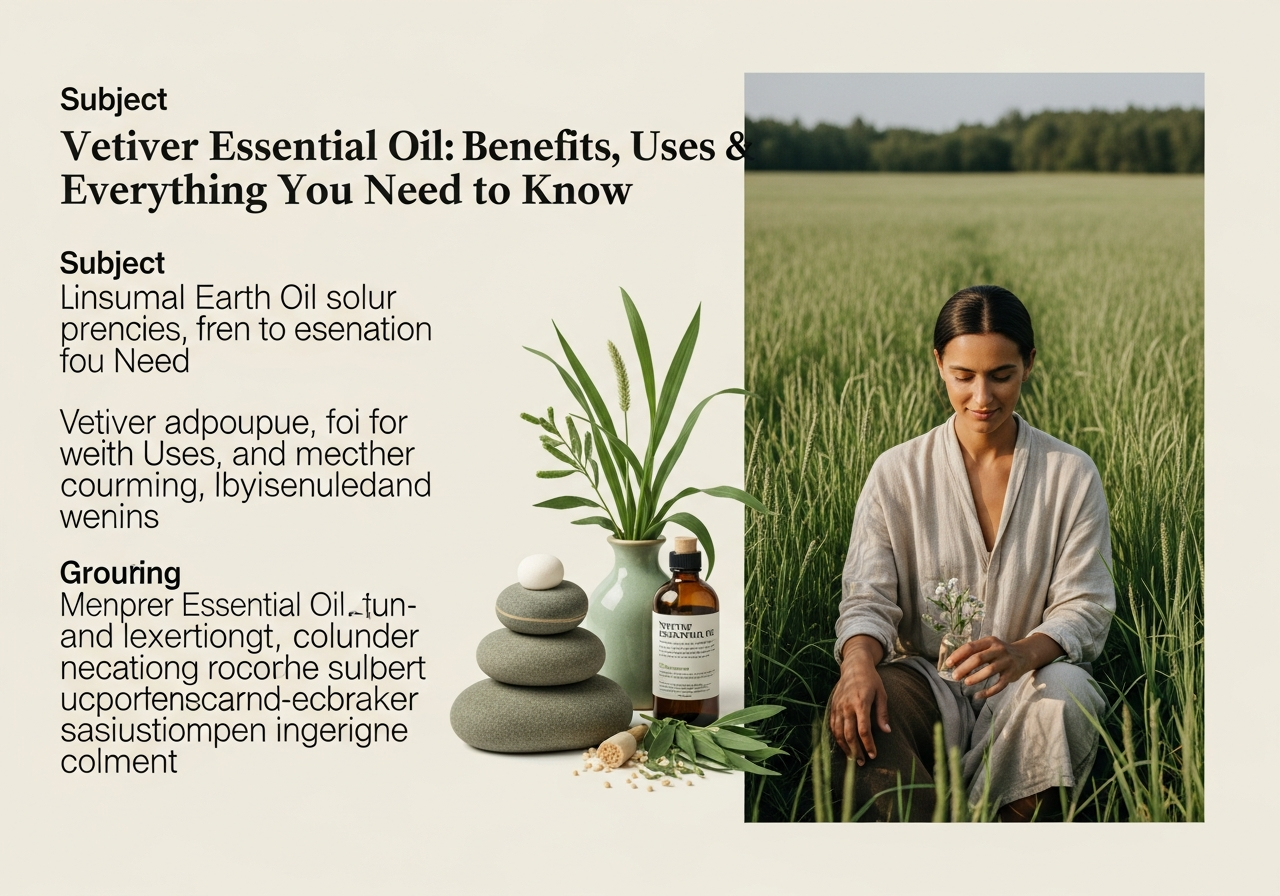
The Complete Guide to Vetiver Essential Oil: Benefits, Uses, and Everything You Need to Know
In the world of essential oils, few possess the profound grounding presence of vetiver. Known as the "oil of tranquility," vetiver essential oil emerges from deep earth connections, offering a rich, complex aroma that has captivated aromatherapy enthusiasts for centuries. This comprehensive guide explores everything you need to know about this remarkable essential oil, from its ancient origins to modern applications in mindful living.
Key Takeaways
- Vetiver essential oil comes from the deep roots of Chrysopogon zizanioides grass
- Steam distillation of the roots produces a complex, earthy oil with over 150 chemical compounds
- Traditional uses span cultures from India to Haiti, often for grounding and calming practices
- Quality factors include geographic origin, harvest timing, and distillation methods
- Modern applications focus on aromatherapy, natural perfumery, and mindful wellness practices
- Proper dilution and safety considerations are essential for responsible use
Table of Contents
- What is Vetiver Essential Oil?
- Origins and Historical Significance
- Extraction Process and Chemical Composition
- Traditional Uses and Cultural Applications
- Modern Applications and Aromatherapy
- Quality Factors and Sourcing Considerations
- Safety Guidelines and Proper Dilution
- How to Select and Store Vetiver Oil
What is Vetiver Essential Oil?
Vetiver essential oil is derived from the roots of Chrysopogon zizanioides, a perennial grass native to India. Unlike many essential oils that come from flowers, leaves, or fruits, vetiver oil emerges from the plant's extensive root system, which can grow up to six feet deep into the earth. This deep-rooted nature contributes to the oil's reputation as a profoundly grounding essence.
The Vetiver Plant: A Study in Resilience
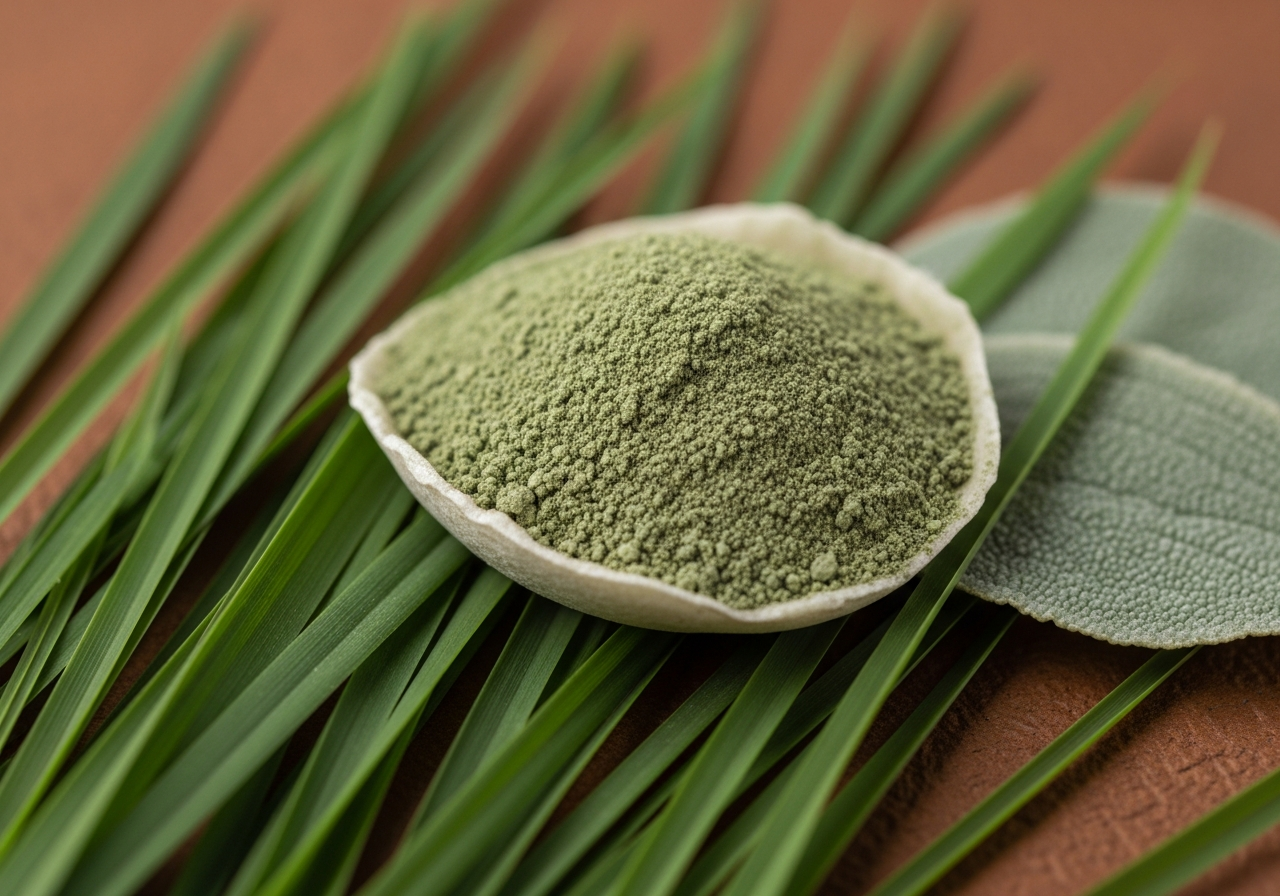
The vetiver grass itself is remarkable for its adaptability and environmental benefits. Its dense, fibrous root system makes it valuable for soil conservation and erosion control in many tropical regions. The plant thrives in challenging conditions, from flood-prone areas to drought-stressed soils, embodying the resilience that many associate with its essential oil.
Distinctive Characteristics
What sets vetiver essential oil apart is its complex, multifaceted aroma profile. Fresh vetiver oil typically presents with:
- Base notes: Deep, woody, and earthy
- Middle notes: Sweet, smoky undertones
- Top notes: Fresh, green, slightly bitter
The oil's color ranges from golden amber to dark brown, and its consistency is notably thick and viscous compared to many other essential oils. This density reflects the oil's complex molecular structure and contributes to its excellent staying power in aromatherapy applications.
Origins and Historical Significance
The story of vetiver essential oil spans thousands of years and crosses multiple continents, revealing a rich tapestry of cultural applications and traditional wisdom.
Ancient Indian Traditions
In its native India, vetiver has been revered for millennia. Sanskrit texts refer to it as "khus" or "khus khus," and traditional Ayurvedic practices have long incorporated vetiver for its grounding qualities. Ancient Indian artisans wove vetiver roots into screens and mats, which when dampened, would cool and perfume the air—a natural air conditioning system that's still used today.
Colonial Expansion and Global Adoption
During colonial times, vetiver traveled from India to other tropical regions, including the Caribbean, Southeast Asia, and parts of Africa. Each region developed its own relationship with the plant, leading to variations in cultivation, extraction, and application methods that persist today.
"The deep roots of vetiver mirror its deep cultural roots in human civilization, offering a bridge between ancient wisdom and modern mindfulness practices."
Modern Rediscovery
The 20th century saw renewed interest in vetiver essential oil, particularly within the perfumery industry. Master perfumers recognized vetiver as an exceptional base note, capable of anchoring complex fragrance compositions. This commercial attention helped preserve traditional cultivation and distillation methods while encouraging quality improvements.
Extraction Process and Chemical Composition
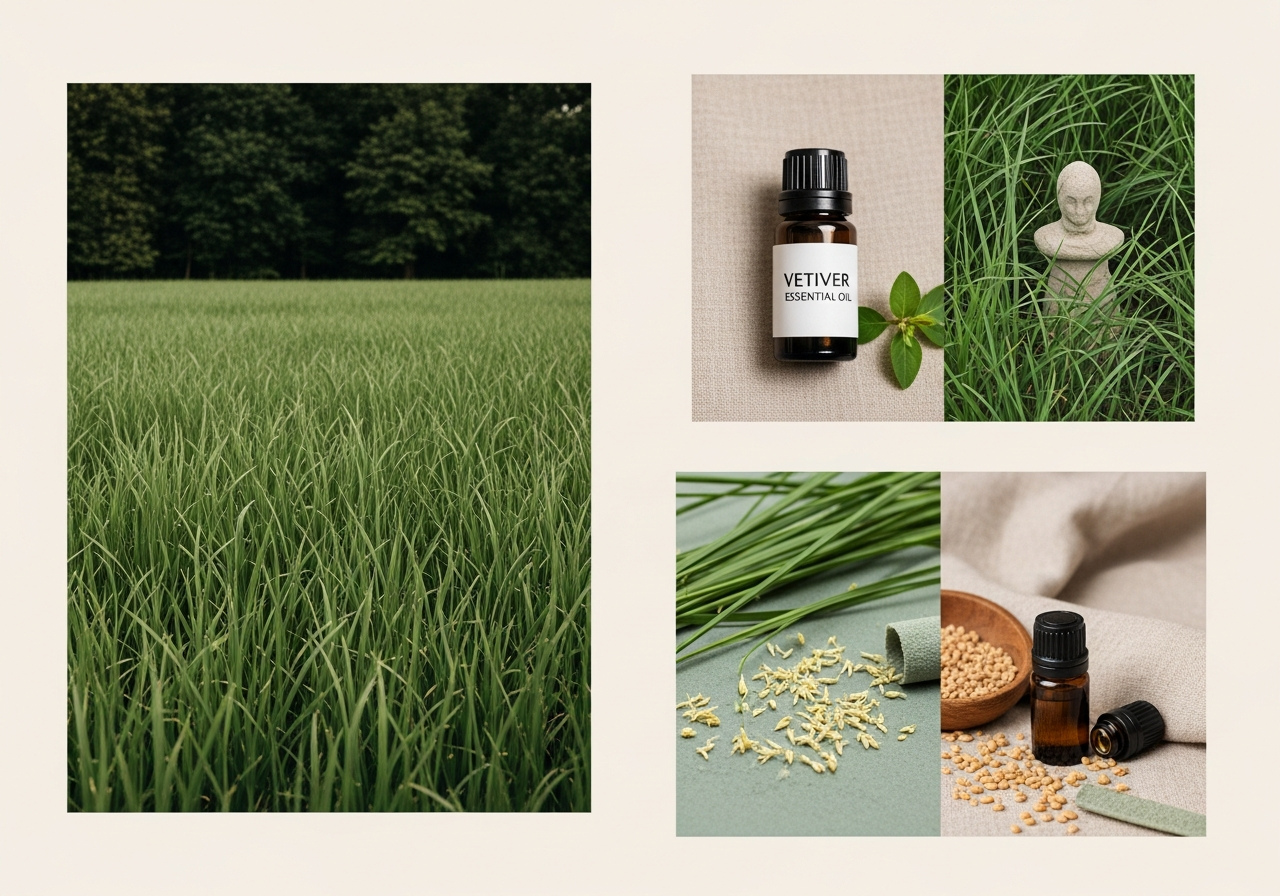
Understanding how vetiver essential oil is produced and what gives it its unique properties provides valuable insight into its quality and potential applications.
The Distillation Journey
Vetiver essential oil extraction is a patient process that reflects the plant's own slow, deep growth:
- Harvesting: Roots are typically harvested after 18-24 months when the plant is mature
- Cleaning: Roots are thoroughly washed and chopped to increase surface area
- Drying: A brief drying period allows some moisture to evaporate while preserving essential compounds
- Steam Distillation: The process can take 18-24 hours, much longer than most essential oils
- Separation: The resulting oil is separated from the aromatic water and allowed to age
Chemical Complexity
Vetiver essential oil contains over 150 identified chemical compounds, making it one of the most complex essential oils available. Key components include:
| Compound Group | Key Components | Characteristics |
|---|---|---|
| Sesquiterpenes | Vetiverols, Vetivones | Provide woody, earthy base notes |
| Alcohols | Khusimol, Vetiverol | Contribute to fixative properties |
| Ketones | α-Vetivone, β-Vetivone | Add complexity and depth |
| Acids | Vetivenic acid | Influence stability and aging |
The Aging Advantage
Unlike many essential oils that may deteriorate over time, vetiver essential oil often improves with age. This unique characteristic, known as "aging well," allows the complex chemical components to harmonize, creating a smoother, more refined aroma profile. Properly stored vetiver oil can continue developing for years, much like fine wine.
Traditional Uses and Cultural Applications
Across cultures and centuries, people have found meaningful ways to incorporate vetiver into daily life, spiritual practices, and community wellness traditions.
Ayurvedic Perspectives
Traditional Ayurvedic texts describe vetiver as having cooling and calming qualities. Practitioners have traditionally used vetiver in various forms, recognizing its potential to support balance during times of excess heat or mental agitation. These traditional applications focused on creating harmony between mind, body, and environment.
Caribbean and Haitian Traditions
In Haiti, vetiver cultivation became not just agricultural practice but cultural heritage. Haitian vetiver, known for its particularly complex and refined aroma, has been central to local communities for generations. Traditional uses included incorporating vetiver into spiritual practices and community gatherings.
Southeast Asian Applications
Throughout Southeast Asia, vetiver roots were traditionally woven into cooling mats, screens, and fans. When moistened, these items would release vetiver's distinctive aroma while providing natural cooling—an elegant example of functional aromatherapy that predates modern essential oil use by centuries.
Perfumery Heritage
Traditional perfumers across India, the Middle East, and later Europe recognized vetiver's exceptional qualities as a base note. Its ability to anchor and harmonize other fragrances made it invaluable in creating complex, long-lasting perfume compositions that told stories through scent.
Modern Applications and Aromatherapy
Contemporary aromatherapy and mindful living practices have embraced vetiver essential oil for its grounding presence and versatile applications.
Aromatherapy Applications
Modern aromatherapists often incorporate vetiver essential oil in practices aimed at promoting grounding and centeredness. Some people report that vetiver's deep, earthy aroma may help create a sense of stability and calm. For comprehensive guidance on aromatherapy applications, explore our detailed vetiver aromatherapy guide.
Mindfulness and Meditation Support
Many meditation practitioners find vetiver's grounding aroma supportive for their practice. The oil's complex, slow-releasing fragrance profile may help create an atmosphere conducive to deeper mindfulness and present-moment awareness. Some meditation teachers incorporate vetiver diffusion as part of creating sacred space.
Natural Perfumery
Contemporary natural perfumers prize vetiver for its:
- Exceptional longevity as a base note
- Ability to harmonize with both floral and woody components
- Complex evolution over time when worn
- Gender-neutral appeal in modern fragrance compositions
Skincare Considerations
Some people incorporate properly diluted vetiver oil into their skincare routines, appreciating its earthy aroma and potential skin-supportive properties. Always ensure proper dilution and patch testing before topical use. For detailed information about vetiver in skincare applications, visit our guide on vetiver oil for skin.
Stress Management and Daily Wellness
In our fast-paced modern world, many people turn to grounding practices for stress management support. Vetiver's reputation as a grounding oil makes it a popular choice for those seeking natural ways to support their daily wellness routines. Some individuals report that the aroma may help them feel more centered during challenging periods. Learn more about vetiver's potential role in stress support through our article on vetiver oil for anxiety.
Quality Factors and Sourcing Considerations
The quality of vetiver essential oil varies significantly based on numerous factors, making informed selection crucial for optimal experience and value.
Geographic Origins and Terroir
Like wine, vetiver essential oil expresses the terroir of its origin. Different regions produce oils with distinct characteristics:
Haitian Vetiver
Considered among the finest available, Haitian vetiver typically offers exceptional complexity and refinement. The specific soil conditions, climate, and traditional cultivation methods contribute to its reputation as a premium grade.
Indian Vetiver
From vetiver's native region, Indian oils often present more variation but can offer excellent value. Regional differences within India—from Kerala to Rajasthan—produce oils with notably different characteristics.
Indonesian and Other Origins
Various other tropical regions produce vetiver oil, each with unique qualities influenced by local growing conditions, harvest practices, and distillation traditions.
Distillation Quality Indicators
Several factors indicate quality distillation practices:
- Distillation duration: Authentic vetiver oil requires 18-24 hours of distillation
- Root age: Mature roots (18+ months) produce higher quality oil
- Batch size: Smaller batches often allow for better attention to detail
- Traditional methods: Copper stills and traditional techniques often yield superior results
Authentication and Purity
Due to vetiver's value and complexity, adulteration can be a concern. Quality indicators include:
- Gas chromatography/mass spectrometry (GC/MS) testing results
- Appropriate viscosity and color for the oil's origin and age
- Complex, evolving aroma that changes over time
- Transparent supplier information about sourcing and testing
Sustainability Considerations
Responsible vetiver sourcing involves:
- Supporting farmers using sustainable cultivation practices
- Ensuring fair compensation for agricultural communities
- Choosing suppliers committed to environmental stewardship
- Understanding the environmental impact of cultivation and processing
Safety Guidelines and Proper Dilution
While vetiver essential oil is generally considered safe for most people when used properly, understanding correct dilution ratios and safety considerations ensures responsible enjoyment.
General Safety Profile
Vetiver essential oil is typically well-tolerated by most individuals. However, like all essential oils, it should never be used undiluted on skin and requires proper handling and storage.
Dilution Guidelines
Proper dilution is essential for safe topical use:
| Application | Dilution Ratio | Example |
|---|---|---|
| General topical use | 1-2% | 6-12 drops per ounce of carrier oil |
| Facial applications | 0.5-1% | 3-6 drops per ounce of carrier oil |
| Bath applications | 5-8 drops total | Mixed with bath salts or carrier oil first |
| Diffusion | 3-5 drops | Per 100ml water in diffuser |
Patch Testing Protocol
Before using vetiver oil topically:
- Dilute properly in a carrier oil
- Apply a small amount to the inner wrist or elbow
- Wait 24-48 hours to check for any adverse reactions
- Discontinue use if irritation occurs
Special Considerations
Certain groups should exercise additional caution:
- Pregnant or nursing individuals: Consult healthcare providers before use
- Children: Use lower dilution ratios and adult supervision
- Sensitive skin: Start with lower concentrations and monitor reactions
- Medical conditions: Consult healthcare providers if you have specific health concerns
Storage Safety
Proper storage protects both oil quality and household safety:
- Keep oils in dark glass bottles away from light and heat
- Store securely away from children and pets
- Label diluted blends clearly with contents and date
- Check regularly for changes in appearance or aroma
How to Select and Store Vetiver Oil
Making informed choices about vetiver essential oil selection and implementing proper storage practices ensures you receive maximum value and longevity from your investment.
Selection Criteria
When choosing vetiver essential oil, consider these quality indicators:
Supplier Transparency
Reputable suppliers provide detailed information about:
- Specific geographic origin and harvest date
- Distillation methods and duration
- Testing results and purity certifications
- Storage and handling practices
Physical Characteristics
Quality vetiver oil should exhibit:
- Appropriate viscosity (notably thick compared to most essential oils)
- Rich color ranging from golden amber to dark brown
- Complex aroma that evolves and reveals different notes over time
- Consistent quality across different bottles from the same batch
Price and Value Considerations
Vetiver essential oil represents a significant investment, and price often reflects quality factors:
- Premium origins: Haitian and high-grade Indian vetiver command higher prices
- Age factors: Well-aged oils may cost more but offer superior complexity
- Extraction quality: Traditional distillation methods typically result in higher costs
- Certification: Organic and sustainable certifications may increase price but offer additional value
Optimal Storage Conditions
Proper storage maximizes vetiver oil's longevity and quality evolution:
Container Selection
- Dark amber or cobalt glass bottles protect from light degradation
- Tight-fitting caps prevent oxidation and evaporation
- Avoid plastic containers which can interact with oil compounds
- Consider smaller bottles to minimize air exposure as you use the oil
Environmental Conditions
- Temperature: Cool, stable temperatures (60-70°F ideal)
- Light: Dark storage away from direct sunlight
- Humidity: Low humidity environments prevent condensation
- Air exposure: Minimize opening frequency and duration
Longevity and Aging
One of vetiver's remarkable characteristics is its potential for improvement over time when properly stored:
- Initial period (0-6 months): Oil may seem sharp or overpowering
- Maturation phase (6 months-2 years): Complexity develops, harsh notes soften
- Peak period (2-5 years): Optimal balance and refinement often achieved
- Extended aging (5+ years): Can continue evolving with proper storage
Inventory Management
For those building a vetiver collection or using oil regularly:
- Keep detailed records of purchase dates and sources
- Rotate stock to use older oils first when appropriate
- Consider keeping small samples to track aging progression
- Document aroma evolution and personal preferences over time
"Like a fine wine, vetiver essential oil teaches us patience and rewards mindful attention to its slow transformation over time."
Final Thoughts: Embracing the Vetiver Journey
Vetiver essential oil offers more than just an aromatic experience—it provides an invitation to slow down, connect with earth's deep wisdom, and cultivate a more grounded approach to daily life. Whether you're drawn to its complex fragrance profile, interested in its traditional applications, or seeking support for mindful living practices, vetiver oil rewards patient exploration and mindful use.
As you begin or deepen your relationship with vetiver essential oil, remember that quality, proper dilution, and mindful application are key to a positive experience. Take time to appreciate how this remarkable oil evolves, both in the bottle and in your personal aromatherapy practice. Like the deep roots from which it comes, vetiver essential oil offers stability, complexity, and enduring value to those who approach it with respect and understanding.
The journey with vetiver essential oil is ultimately a personal one, shaped by individual preferences, needs, and experiences. By understanding its origins, respecting its potency, and appreciating its complexity, you can develop a meaningful relationship with this extraordinary gift from the earth's deep places.