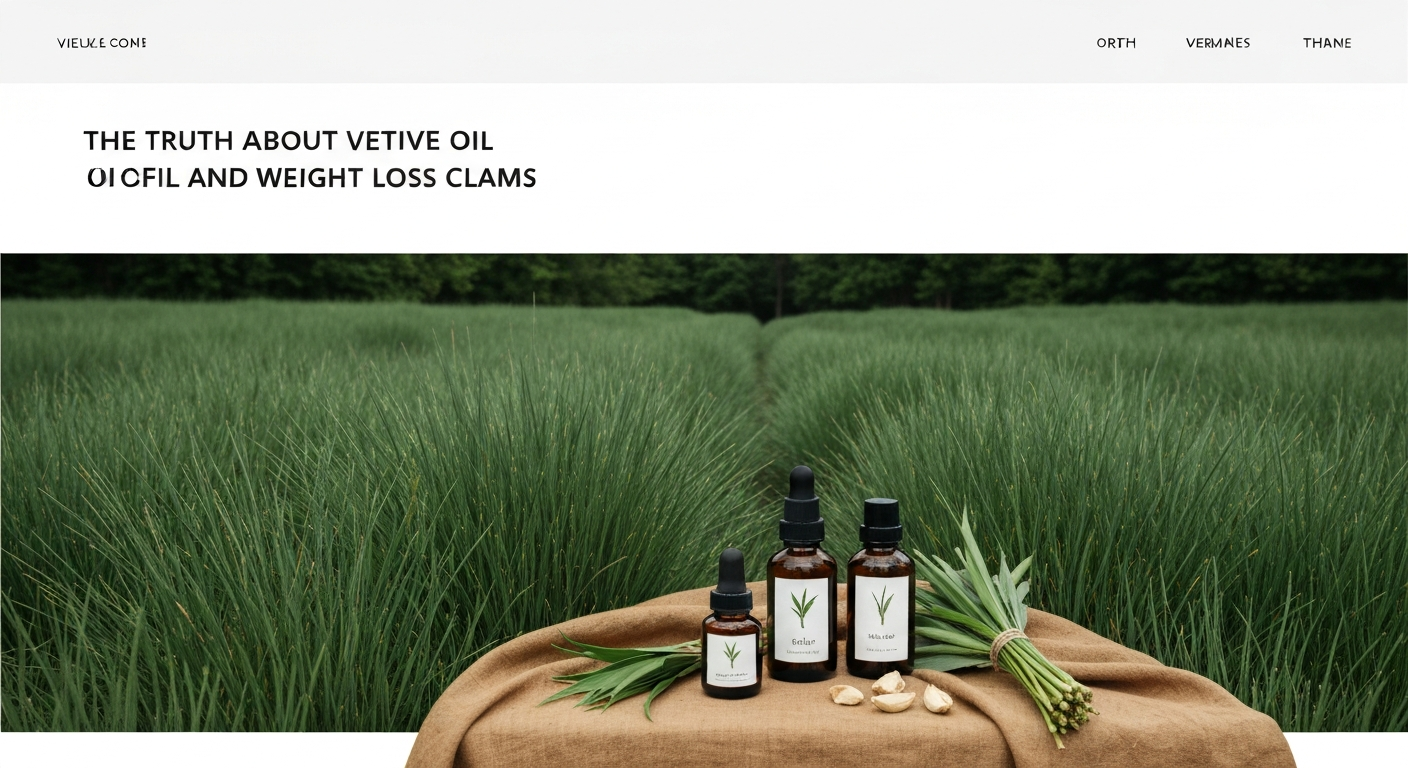
The Truth About Vetiver Oil and Weight Loss Claims
In the vast landscape of natural wellness, few topics generate as much confusion as essential oils and weight management. Vetiver oil, with its earthy, grounding essence, has found itself at the center of numerous weight loss claims circulating through social media and wellness blogs. As mindful consumers seeking authentic information, it's essential to separate marketing myths from scientific reality.
Today, we'll explore the most common vetiver oil weight loss myths with the same methodical approach we'd use to tend a garden—carefully examining each claim, understanding its roots, and cultivating a clearer understanding based on available evidence.
Understanding the Appeal of Natural Weight Management
Before we examine specific myths, it's worth understanding why people gravitate toward natural solutions like vetiver oil for weight management. The search for holistic approaches to wellness reflects a deeper desire for sustainable, gentle methods that align with our body's natural rhythms.
Vetiver oil, derived from the roots of Vetiveria zizanioides, carries an inherent sense of grounding and stability. This connection to earth and permanence naturally appeals to those seeking foundational support in their wellness journey. However, the leap from emotional grounding to physical weight management requires careful examination of the evidence.
Myth #1: Vetiver Oil Directly Burns Fat
The Claim
One of the most persistent myths suggests that vetiver oil can directly stimulate fat burning when applied topically or diffused aromatherapeutically. Proponents claim that certain compounds in vetiver oil can "boost metabolism" and "melt away fat."
The Reality
Currently, no published research supports the claim that vetiver oil directly burns fat or significantly increases metabolic rate. While some preliminary studies have examined various essential oils' effects on cellular metabolism in laboratory settings, these findings cannot be extrapolated to suggest that aromatherapeutic use or topical application of vetiver oil would produce measurable weight loss.
The human metabolism is a complex system influenced by numerous factors including genetics, hormone levels, muscle mass, activity level, and dietary patterns. Research suggests that sustainable weight management requires a comprehensive approach addressing these multiple variables rather than relying on any single intervention.
Why This Myth Persists
This misconception likely stems from the conflation of vetiver oil's documented calming properties with metabolic effects. Some people report feeling more balanced and grounded when using vetiver oil, which may indirectly support better lifestyle choices. However, this psychological support should not be confused with direct physiological fat-burning effects.
Myth #2: Vetiver Oil Suppresses Appetite
The Claim
Another common assertion is that inhaling vetiver oil can suppress appetite and reduce food cravings, leading to natural weight loss without dietary changes.
The Reality
While some research has explored how certain essential oils might influence satiety signals, there is currently insufficient evidence to support claims that vetiver oil specifically suppresses appetite. The relationship between aroma and appetite is complex and highly individual.
Some studies have examined how specific scent compounds might influence the brain's hunger and satiety centers, but these investigations typically focus on food-related aromas rather than essential oils. The few studies involving essential oils and appetite have primarily examined other oils like grapefruit or peppermint, with mixed and inconclusive results.
Why This Myth Persists
The connection between scent and appetite is real—many people have experienced how certain aromas can trigger hunger or, conversely, reduce desire to eat. However, this natural phenomenon has been oversimplified and misapplied to specific oils without adequate research support.
Myth #3: Vetiver Oil Balances Hormones for Weight Loss
The Claim
Some sources suggest that vetiver oil can balance hormones related to weight management, particularly stress hormones like cortisol that may influence weight gain.
The Reality
While there is some research suggesting that vetiver oil may help promote a sense of calm and relaxation, this doesn't translate to specific hormonal effects that would directly impact weight. The relationship between stress, cortisol, and weight is indeed significant, but there's no evidence that vetiver oil can meaningfully alter cortisol levels or other hormones related to metabolism.
Chronic stress can indeed influence eating patterns and weight management through complex hormonal pathways. However, addressing stress-related weight concerns typically requires comprehensive lifestyle approaches including adequate sleep, regular physical activity, stress management techniques, and sometimes professional support.
Why This Myth Persists
This myth likely arose from the legitimate connection between stress and weight, combined with vetiver oil's traditional use for promoting relaxation. While using vetiver oil as part of a mindfulness or stress-reduction practice may support overall well-being, this indirect benefit shouldn't be confused with direct hormonal or metabolic effects.
Myth #4: Topical Application Targets Problem Areas
The Claim
Some sources promote applying diluted vetiver oil to specific body areas to "target" fat loss in those regions.
The Reality
The concept of "spot reduction"—losing fat from specific body areas through targeted treatments—has been thoroughly debunked by exercise science research. The body loses fat systematically based on genetics, hormonal patterns, and overall energy balance, not through localized applications of any substance.
While topical application of properly diluted vetiver oil is generally considered safe for most people and may provide aromatherapeutic benefits through absorption and inhalation, there's no mechanism by which this would selectively reduce fat in application areas.
Why This Myth Persists
The appeal of targeting specific "problem areas" is understandably strong, and the tactile experience of massage or topical application can feel beneficial. However, any positive effects are more likely related to improved circulation, relaxation, or the psychological benefits of self-care rather than fat reduction.
What Vetiver Oil Actually Offers
While vetiver oil may not directly support weight loss, it does offer legitimate benefits that could indirectly support overall wellness. Traditional uses of vetiver oil include promoting relaxation and supporting a sense of emotional balance.
Some people report that incorporating vetiver oil into their mindfulness practices helps them maintain focus on their wellness goals. This psychological support, while valuable, should be understood as part of a holistic approach rather than a direct weight management tool.
For those interested in the science behind vetiver oil, current research primarily focuses on its potential effects on stress response and sleep quality, which are indeed important components of overall health.
A Grounded Approach to Wellness
The journey toward sustainable wellness, like the deep roots of the vetiver plant, requires patience, consistency, and a foundation built on evidence rather than wishful thinking. While vetiver oil can be a beautiful addition to self-care practices, it's important to maintain realistic expectations about its capabilities.
True weight management involves multiple factors including balanced nutrition, regular physical activity, adequate sleep, stress management, and often professional guidance. Essential oils, including vetiver, can complement these efforts by supporting relaxation and mindfulness, but they cannot replace the fundamental principles of healthy living.
Moving Forward Mindfully
As we navigate the abundant—and sometimes conflicting—information about natural wellness products, cultivating discernment becomes essential. Rather than seeking quick fixes or miracle solutions, we can approach our wellness journey with the same groundedness that vetiver oil traditionally represents.
If you're drawn to vetiver oil for its authentic benefits—its ability to promote a sense of calm, its rich, earthy aroma, or its traditional use in mindfulness practices—these are valuable reasons to explore its use. Just remember that sustainable wellness grows slowly and steadily, rooted in evidence-based practices and realistic expectations.
When exploring claims about essential oils and health, it's always wise to consult with qualified healthcare providers who can offer personalized guidance based on your individual circumstances. For those interested in learning more about common misconceptions about vetiver oil, continued education helps us make informed choices aligned with our wellness values.
In the end, the most profound transformations often come not from what we add to our lives, but from how we approach our existing practices with greater mindfulness, consistency, and self-compassion.