
Understanding Vetiver Oil Grades, Purity, and Pricing: A Buyer's Education Guide
Key Takeaways
- Vetiver oil quality varies dramatically based on origin, processing methods, and storage conditions
- Price ranges from $30-300+ per ounce depending on grade, purity, and sourcing practices
- Wild-harvested and artisanal oils command premium prices but offer unique aromatic profiles
- Geographic origin significantly impacts scent characteristics and market value
- Understanding GC/MS testing helps identify pure, unadulterated vetiver oil
- Sustainable sourcing practices increasingly influence quality and pricing structures
Table of Contents
- Foundation Knowledge: What Makes Vetiver Oil Unique
- Decoding Vetiver Oil Grading Systems
- Essential Quality Markers and Purity Indicators
- Geographic Origins and Their Impact on Quality
- Processing Methods That Define Premium Grades
- Understanding the Vetiver Oil Pricing Structure
- How to Evaluate Vetiver Oil Before Purchase
- Market Trends and Future Outlook
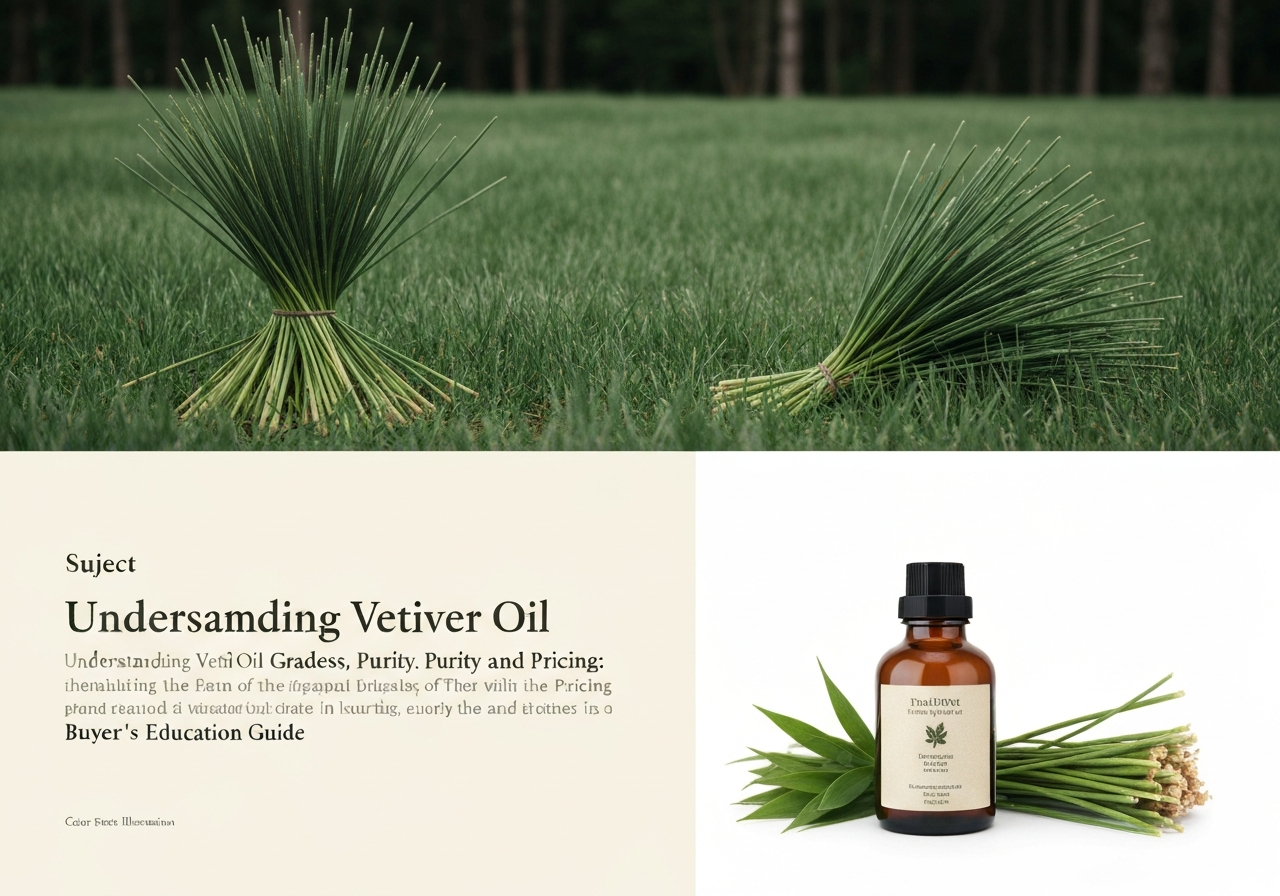
Foundation Knowledge: What Makes Vetiver Oil Unique
Vetiver essential oil stands apart in the aromatics world due to its complex molecular structure and extraordinary longevity. Derived from the roots of Chrysopogon zizanioides, this oil contains over 100 identified compounds, with sesquiterpenes forming the backbone of its distinctive earthy profile.
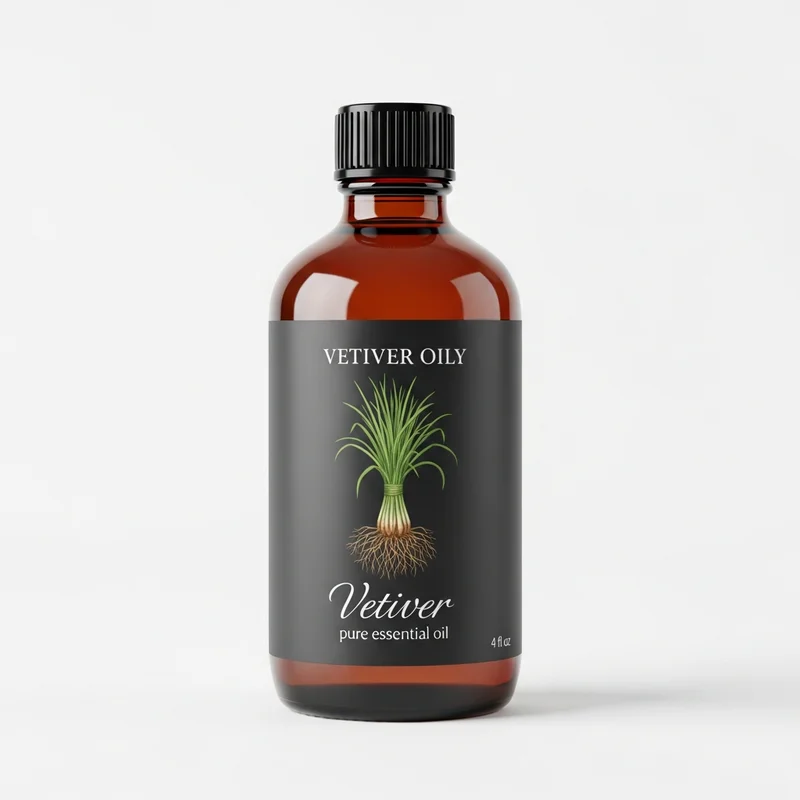
Vetiver Essential Oil
Our own Vetiver Essential Oil, in sizes from 0.5 oz to bulk.
From $18.99
Shop Now →The Complexity Behind Quality
Understanding vetiver oil quality begins with recognizing its inherent complexity. Unlike simpler essential oils extracted from flowers or leaves, vetiver's underground root system develops intricate chemical compounds over 18-24 months of growth. This extended maturation period creates the foundation for the oil's remarkable depth and tenacity.
The oil's unique characteristics include:
- Viscosity variations - Quality vetiver ranges from honey-thick to nearly solid at room temperature
- Color spectrum - From pale amber to deep reddish-brown, indicating different processing approaches
- Aromatic evolution - The scent profile continues developing for months after distillation
- Fixative properties - High-quality vetiver can anchor blends for years without degradation
Why Quality Matters More Than Ever
As vetiver's popularity has surged in perfumery, aromatherapy, and natural wellness circles, the market has responded with offerings spanning an enormous quality spectrum. This expansion has created both opportunities and challenges for discerning buyers seeking authentic, high-grade vetiver oil.
Decoding Vetiver Oil Grading Systems
The vetiver oil market operates with several overlapping grading systems, each emphasizing different quality aspects. Understanding these frameworks helps navigate purchasing decisions with greater confidence.
Commercial Grade Classifications
Most suppliers utilize a tiered system reflecting processing methods and intended applications:
| Grade Level | Characteristics | Typical Price Range* | Primary Applications |
|---|---|---|---|
| Commercial Grade | Mass-produced, standardized profile | $30-60/oz | Soaps, candles, basic aromatherapy |
| Premium Grade | Careful sourcing, quality control | $80-150/oz | Professional aromatherapy, quality perfumery |
| Artisanal Grade | Small-batch, traditional methods | $150-250/oz | Fine perfumery, connoisseur collections |
| Wild/Vintage Grade | Wild-harvested or aged oils | $250-500+/oz | Luxury perfumery, collectors |
*Prices vary significantly based on market conditions and specific suppliers
Origin-Based Grading
Geographic origin significantly influences vetiver oil grading, with certain regions commanding premium recognition:
- Haitian Vetiver - Traditionally considered the gold standard for complexity and depth
- Java/Indonesian Vetiver - Prized for its clean, woody characteristics
- Indian Vetiver - Known for smoky, earthy profiles with regional variations
- Réunion Vetiver - Rare, with unique terroir-driven characteristics
Understanding these regional differences helps inform quality expectations and pricing considerations. For detailed comparisons of origin characteristics, explore our guide on Haitian vs Javanese vetiver.
Essential Quality Markers and Purity Indicators

Identifying high-quality vetiver oil requires understanding multiple quality markers that distinguish exceptional oils from commercial alternatives. These indicators work together to paint a comprehensive picture of oil authenticity and grade.
Visual Assessment Criteria
Quality vetiver oil presents distinct visual characteristics that reveal important information about processing and purity:
Color Variations and Their Meanings
- Golden Amber - Indicates careful, low-temperature distillation preserving delicate compounds
- Deep Brown - Suggests longer distillation times or higher temperatures, concentrating heavier molecules
- Reddish Tinge - Often indicates iron content from soil or processing equipment
- Dark Green Cast - May suggest chlorophyll presence from leaf contamination
Viscosity and Consistency
Authentic vetiver oil exhibits remarkable thickness, ranging from syrupy to nearly solid at room temperature. This viscosity results from high concentrations of sesquiterpene compounds and serves as a primary authenticity marker.
Aromatic Profile Analysis
The scent profile of quality vetiver unfolds in distinct phases, revealing complexity that distinguishes superior oils:
"True vetiver reveals its character slowly, like earth awakening after rain. The initial impression gives way to deeper, more complex notes that can take minutes or even hours to fully emerge."
Scent Evolution Stages
- Initial Impact - Should present clean, earthy notes without harsh or chemical overtones
- Heart Development - Complex woody, smoky, or green nuances emerge within 10-15 minutes
- Base Evolution - Deep, persistent earthiness with subtle variations based on origin
- Longevity Test - Quality vetiver maintains presence for 12+ hours on skin
Chemical Purity Indicators
Modern quality assessment relies heavily on scientific analysis to verify purity and identify adulteration. Gas Chromatography-Mass Spectrometry (GC/MS) testing reveals the complete chemical fingerprint of vetiver oil.
Key Chemical Markers
- Vetiveryl acetate - Should comprise 2-8% of authentic oil composition
- Vetivone - Key aromatic compound indicating proper root processing
- Khusimol - Distinctive sesquiterpene unique to vetiver species
- Alpha-vetivone - Quality indicator varying by geographic origin
For comprehensive information about testing methods and identifying adulterants, reference our detailed guide on vetiver adulteration testing.
Geographic Origins and Their Impact on Quality
Terroir significantly influences vetiver oil quality, with each growing region imparting distinct characteristics that affect both aromatic profile and market valuation. Understanding these regional variations helps buyers make informed decisions based on intended applications and personal preferences.
Haiti: The Traditional Gold Standard
Haitian vetiver has historically commanded premium pricing due to its exceptional complexity and depth. The island's unique soil composition, combined with traditional harvesting and processing methods, produces oil with unmatched aromatic sophistication.
Distinctive Characteristics
- Deep, complex earthiness with subtle green undertones
- Exceptional longevity and tenacity in blends
- Rich, almost wine-like development over time
- Thick, viscous consistency at room temperature
However, political instability and economic challenges in Haiti have created supply inconsistencies, leading to price volatility and quality variations between producers.
Java and Indonesian Origins
Indonesian vetiver, particularly from Java, offers a different aromatic profile prized for its clean, woody characteristics. This region has become increasingly important as a reliable source of consistent, high-quality oil.
Java Vetiver Attributes
- Clean, dry woody profile with minimal green notes
- Excellent blending characteristics for perfumery
- More consistent supply chain reliability
- Generally lighter color and slightly less viscous than Haitian
Indian Subcontinent Varieties
India produces significant quantities of vetiver oil, with quality varying considerably based on specific growing regions and processing methods. Northern Indian oils tend toward smoky, dry profiles, while southern regions produce greener, more grassy characteristics.
Regional Indian Variations
- North India - Dry, smoky, intense earthiness
- South India - Greener, more herbaceous notes
- Kerala - Unique spicy undertones from local terroir
- Rajasthan - Desert-grown varieties with concentrated aromatics
Emerging Origins
Several regions have emerged as vetiver producers, offering unique characteristics and often more accessible pricing:
- Madagascar - Similar climate to Réunion, producing oils with bright, clean profiles
- Brazil - Large-scale production focused on commercial applications
- Australia - Small-scale artisanal production with unique soil influences
- Guatemala - Emerging Central American source with promising quality
Processing Methods That Define Premium Grades
The transformation from vetiver roots to essential oil involves critical processing decisions that ultimately determine quality, yield, and market positioning. Understanding these methods helps buyers appreciate the craftsmanship behind premium oils and justify their investment.
Traditional Steam Distillation
Steam distillation remains the preferred method for producing high-quality vetiver oil, though execution varies dramatically between producers.
Artisanal vs. Industrial Approaches
Traditional artisanal distillation typically involves:
- Copper or stainless steel stills with careful temperature control
- Extended distillation times (24-48 hours) for complete extraction
- Small batch sizes allowing individual attention
- Hand-sorted roots ensuring quality consistency
Industrial processing prioritizes efficiency and standardization:
- Large-capacity stills with automated controls
- Shorter distillation cycles for economic efficiency
- Standardized output profiles for commercial consistency
- Higher yields but potentially reduced complexity
Critical Processing Variables
Several key factors during distillation significantly impact final oil quality and characteristics:
Root Preparation Methods
- Drying Time - Optimal moisture content affects extraction efficiency and aroma development
- Chopping Size - Root particle size influences steam penetration and extraction completeness
- Storage Conditions - Proper storage between harvest and processing prevents degradation
- Age of Roots - Older, well-established root systems typically produce more complex oils
Distillation Parameters
| Parameter | Artisanal Range | Commercial Range | Impact on Quality |
|---|---|---|---|
| Temperature | 100-110°C | 110-130°C | Lower temps preserve delicate compounds |
| Pressure | 0.5-1 bar | 1-2 bar | Gentle pressure maintains complexity |
| Duration | 24-48 hours | 12-18 hours | Extended time extracts deeper compounds |
| Yield | 0.8-1.2% | 1.5-2.5% | Lower yield often indicates quality focus |
Post-Distillation Processing
The handling of vetiver oil immediately after distillation significantly influences its final quality and aging potential.
Separation and Settling
Premium producers allow freshly distilled oil to settle naturally, permitting heavy compounds to separate and the oil to clarify. This process can take weeks but results in cleaner, more refined oils.
Filtration Methods
- Natural settling - Time-intensive but preserves all natural compounds
- Paper filtration - Removes particulates while maintaining oil integrity
- Centrifugal separation - Quick but may remove beneficial heavy compounds
- No filtration - Some artisanal producers prefer completely unprocessed oil
Understanding the Vetiver Oil Pricing Structure

Vetiver oil pricing reflects a complex interplay of quality factors, market dynamics, and production costs. Understanding these elements helps buyers make informed decisions and recognize fair value across different price points.
Primary Price Drivers
Several key factors directly influence vetiver oil pricing in the current market:
Production Costs and Economics
- Labor intensity - Hand-harvesting and processing significantly increase costs
- Energy costs - Extended distillation times require substantial fuel inputs
- Equipment investment - Quality stills and processing equipment require significant capital
- Yield efficiency - Lower yields from quality-focused processing increase per-unit costs
Supply Chain Considerations
The path from producer to end consumer involves multiple stakeholders, each adding value and cost:
- Farmer/Distiller - Initial production and primary processing
- Local Broker - Regional aggregation and quality assessment
- International Trader - Export handling, documentation, and shipping
- Distributor - Market-specific sales and customer service
- Retailer - Final consumer interface and education
Quality-Price Correlation Analysis
The relationship between vetiver oil quality and pricing isn't always linear, creating opportunities for astute buyers to find exceptional value.
Value Sweet Spots
"The greatest value in vetiver oil often lies in the premium commercial grade segment, where quality-conscious producers offer exceptional oils without the premium markup of artisanal or wild-harvested grades."
Common pricing patterns include:
- $30-50/oz - Basic commercial grade, adequate for most applications
- $80-120/oz - Premium commercial, often the best value proposition
- $150-200/oz - Artisanal grade, justifiable for specific applications
- $200+/oz - Collector/luxury segment with diminishing returns for most users
Market Timing and Seasonal Factors
Vetiver oil prices fluctuate based on harvest cycles, weather conditions, and market demand patterns:
Seasonal Price Variations
- Post-Harvest (Q1-Q2) - Fresh supply often creates temporary price softening
- Mid-Year (Q2-Q3) - Stable pricing as fresh oils are processed and distributed
- Pre-Harvest (Q4) - Limited supply may drive prices higher
- Weather Impact - Poor growing conditions can significantly affect pricing for 2+ years
Brand and Supplier Premium Analysis
Different suppliers command varying price premiums based on reputation, quality consistency, and service levels. Understanding these differences helps optimize purchasing decisions.
For detailed comparisons of major vetiver oil suppliers and their positioning, explore our comprehensive vetiver oil brands comparison.
How to Evaluate Vetiver Oil Before Purchase
Making informed vetiver oil purchases requires a systematic evaluation approach that considers multiple quality indicators while balancing personal needs against available options.
Pre-Purchase Research Checklist
Before committing to a vetiver oil purchase, thorough research helps identify reputable suppliers and appropriate quality grades:
Supplier Evaluation Criteria
- Origin Documentation - Suppliers should clearly identify source regions and growing conditions
- Processing Details - Information about distillation methods and equipment used
- Testing Reports - GC/MS analysis results demonstrating purity and composition
- Customer Reviews - Independent feedback from verified purchases
- Return Policy - Confidence indicators showing supplier stands behind quality claims
Documentation Standards
Quality vetiver oil suppliers provide comprehensive documentation including:
| Document Type | Information Provided | Quality Indicator |
|---|---|---|
| Certificate of Analysis | Chemical composition, purity levels | Essential for authentication |
| Origin Certificate | Geographic source, harvest details | Confirms claimed origin |
| Organic Certification | Farming practices, chemical inputs | Verifies organic claims |
| Safety Data Sheet | Handling, storage requirements | Professional supplier indicator |
Physical Evaluation Techniques
When possible, physical examination of vetiver oil samples provides valuable quality insights:
Visual Assessment Protocol
- Color Evaluation - Hold sample against white background to assess color depth and clarity
- Viscosity Test - Tilt container to observe flow characteristics
- Clarity Check - Look for suspended particles or cloudiness indicating processing issues
- Container Quality - Dark glass bottles with tight seals indicate proper storage practices
Aromatic Evaluation Process
Systematic scent evaluation reveals quality indicators not apparent through visual inspection:
- Initial Impression - Should be clean and earthy without harsh chemical notes
- Development Time - Allow 10-15 minutes for complete scent evolution
- Complexity Assessment - Quality oils reveal multiple aromatic layers over time
- Persistence Test - Apply small amount to skin and monitor longevity
Sample Testing Recommendations
Professional evaluation often requires analytical testing to verify quality claims and detect adulteration:
When to Consider Professional Testing
- Large volume purchases requiring quality verification
- Significant price discrepancies suggesting potential adulteration
- New supplier relationships requiring trust establishment
- Premium grade purchases where authenticity is crucial
Testing Options Available
- Basic GC Analysis - Compound identification and relative percentages
- GC/MS Testing - Detailed molecular identification and purity assessment
- Specific Gravity - Physical property verification
- Optical Rotation - Additional authentication parameter
Market Trends and Future Outlook
The vetiver oil market continues evolving, influenced by sustainability concerns, quality demands, and changing consumer preferences. Understanding these trends helps buyers make strategic purchasing decisions and anticipate future market developments.
Current Market Dynamics
Several significant trends are reshaping the vetiver oil landscape:
Sustainability Focus
Environmental consciousness increasingly influences purchasing decisions, with buyers seeking:
- Regenerative agriculture practices that improve soil health
- Fair trade certification ensuring equitable producer compensation
- Carbon-neutral shipping and packaging options
- Biodiversity conservation in growing regions
Traceability Demands
Modern consumers expect detailed supply chain transparency, driving suppliers to provide:
- Blockchain-based tracking from field to bottle
- Direct relationships with farming communities
- Regular quality audits and third-party certifications
- Environmental impact documentation
Quality Evolution Trends
Market preferences are shifting toward higher-quality oils, creating opportunities for premium producers:
Vetiver Essential Oil
Vetiver Essential Oil from our own shop, in sizes from 0.5 oz to bulk.
From $18.99
Shop Now →