
Vetiver in Perfumery: Why It's the Most Valued Base Note in Fragrance
In the hallowed halls of perfumery, where artisans craft invisible symphonies that speak to the soul, one ingredient stands as the quiet foundation upon which countless masterpieces rest. Vetiver, with its complex tapestry of earth and smoke, wood and grass, has earned its place as the most revered base note in the fragrance world—not through loudness, but through its profound ability to ground and transform every composition it touches.
The story of vetiver in perfumery is one of patience and depth, much like the roots from which its essence springs. This humble grass, scientifically known as Chrysopogon zizanioides, grows with quiet determination, sending its roots deep into the earth—sometimes reaching depths of four meters. It is from these ancient, weathered roots that perfumers extract the oil that has become synonymous with sophistication and grounding presence in fine fragrance.
The Olfactory Architecture of Vetiver
Understanding vetiver's role in perfumery begins with appreciating its remarkable scent profile. Unlike the fleeting brightness of citrus top notes or the heart-stirring romance of floral middle notes, vetiver operates in the realm of permanence and depth. Its fragrance unfolds like a slow meditation, revealing layers of complexity that can only be fully appreciated through patient observation.
The scent of vetiver in perfumery is often described as woody and earthy, but these simple descriptors barely scratch the surface of its olfactory richness. High-quality vetiver oil may present notes of:
- Deep, loamy earth after rain
- Smoky incense with subtle sweetness
- Dry grass warmed by summer sun
- Creamy sandalwood undertones
- Hints of pepper and spice
- Subtle leather and tobacco nuances
This complexity makes vetiver an invaluable tool for perfumers, as it can simultaneously provide grounding weight while adding sophisticated nuance to a composition. The oil's natural variations—depending on growing region, distillation method, and age—offer perfumers a palette of possibilities within this single ingredient.
The Geography of Scent: Regional Vetiver Variations
Just as wine reflects its terroir, vetiver's character is deeply influenced by the soil and climate where it grows. This geographic diversity has given perfumers access to distinctly different expressions of the same botanical essence, each bringing unique qualities to fragrance compositions.
Haitian Vetiver: The Gold Standard
Haitian vetiver is widely considered the finest quality available to perfumers, prized for its exceptional purity and complexity. The island's volcanic soil and tropical climate create conditions that produce vetiver oil with remarkable depth and smoothness. Haitian vetiver tends to be less sharp than other varieties, with pronounced woody-smoky notes and a creamy, almost buttery quality that makes it particularly valuable in high-end perfumery.
Java Vetiver: The Robust Alternative
Indonesian vetiver, particularly from Java, offers a more robust and earthy profile. This variety tends to be more intense and green, with stronger grass-like qualities and a slightly harsher edge that some perfumers prefer for adding strength and character to bold compositions. Java vetiver often costs less than its Haitian counterpart while still maintaining excellent quality.
Indian Vetiver: The Traditional Source
As one of the original sources of vetiver for perfumery, Indian vetiver carries historical significance alongside its distinctive scent profile. Indian varieties tend to be more medicinal and camphoraceous, with stronger green notes and a slightly sharper character that works particularly well in masculine fragrances and traditional attars.
The Art of Vetiver Blending
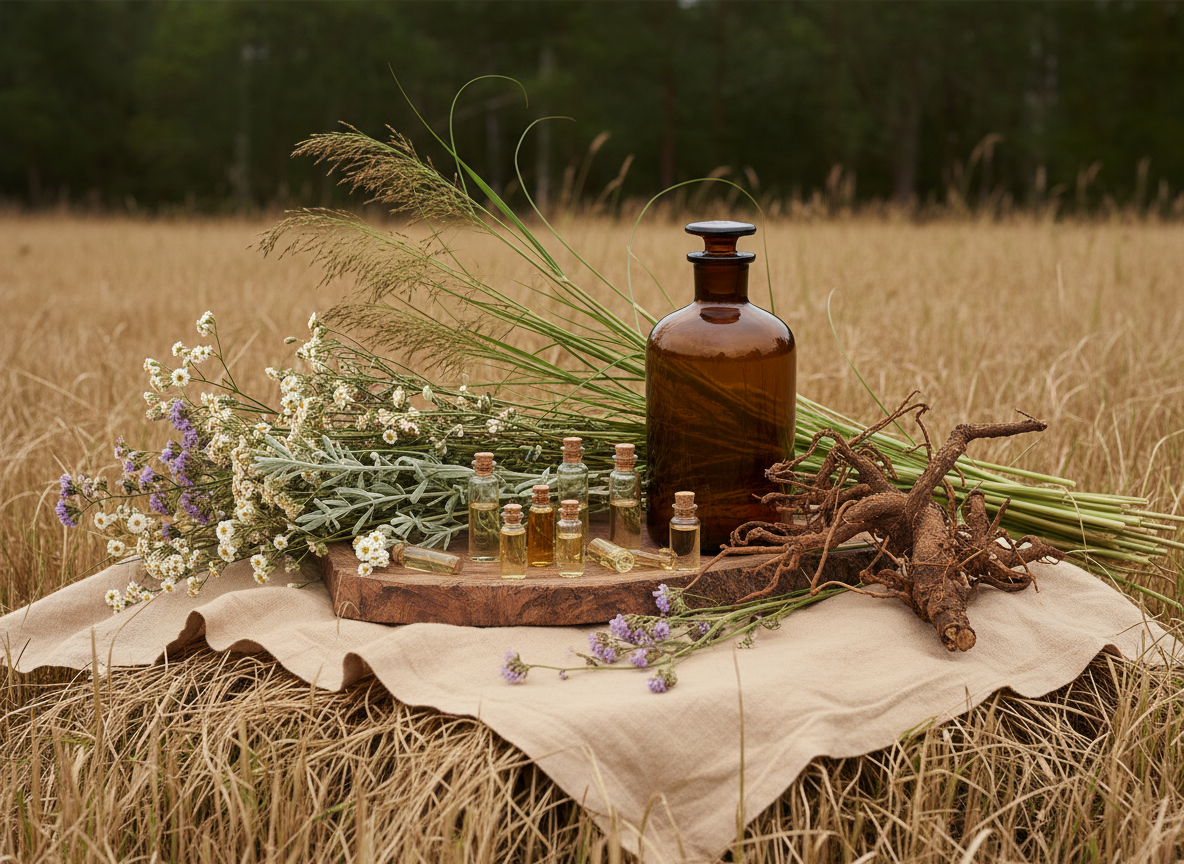
What elevates vetiver from mere ingredient to perfumery essential is its extraordinary blending capabilities. Master perfumers have discovered that vetiver possesses an almost magical ability to harmonize with other fragrance materials, creating synergies that enhance both the vetiver and its companions.
Classic Vetiver Combinations
In traditional perfumery, certain combinations with vetiver have become legendary for their harmonious interplay:
Vetiver and Rose: This pairing creates an unexpected poetry, where the earthy depth of vetiver provides a grounding contrast to rose's ethereal beauty. The combination is both sophisticated and accessible, appearing in numerous iconic fragrances.
Vetiver and Citrus: The bright acidity of citrus oils finds perfect balance against vetiver's earthy weight. This combination creates fragrances with both immediate appeal and lasting depth, making them particularly versatile for different occasions.
Vetiver and Patchouli: Two of perfumery's most complex base notes, when combined thoughtfully, create compositions of remarkable depth and longevity. This pairing often appears in oriental and woody fragrance families.
Modern Interpretations
Contemporary perfumers continue to explore new dimensions of vetiver's blending potential, creating unexpected combinations that challenge traditional boundaries:
Vetiver and Aquatic Notes: Modern synthetic molecules that evoke water and marine environments find interesting contrast with vetiver's earthiness, creating fragrances that feel both grounding and refreshing.
Vetiver and Gourmand Elements: The addition of vanilla, tonka bean, or other sweet notes to vetiver-based compositions creates warm, comforting fragrances that maintain sophistication while adding approachability.
Technical Considerations in Vetiver Perfumery
Working with vetiver in perfumery requires understanding its technical characteristics and how they impact the final fragrance. These considerations separate amateur blending from professional perfumery.
Concentration and Dosage
Vetiver's intensity means that a little goes a long way in fragrance compositions. Typical usage rates in fine fragrance range from 1-5% of the total formula, though some compositions may use higher concentrations for dramatic effect. The oil's natural tenacity means it will be present throughout the fragrance's development, making precise dosage crucial.
Aging and Maturation
One of vetiver's most valuable characteristics in perfumery is how it improves with time. Fresh vetiver oil can sometimes feel harsh or overly green, but with proper aging—sometimes several years—it develops smoothness and complexity that cannot be rushed. Many perfumers specifically seek aged vetiver for their most precious compositions.
Solubility and Stability
Vetiver oil's thick consistency and complex molecular structure require careful handling in perfume production. It dissolves well in alcohol but may require gentle warming or extended maceration to fully integrate with other ingredients. Its excellent stability means vetiver-based fragrances often improve with age rather than deteriorating.
Iconic Vetiver Fragrances Through History

The history of vetiver in perfumery reads like a chronicle of olfactory excellence, with numerous fragrances achieving legendary status through their masterful use of this remarkable base note.
Classical vetiver compositions established the template for how this ingredient could be showcased in fine fragrance. These early creations focused on vetiver's natural character, often presenting it with minimal modification to highlight its intrinsic beauty and complexity.
The mid-20th century saw perfumers beginning to explore vetiver's versatility more boldly, incorporating it into compositions that pushed beyond traditional masculine cologne territory. These explorations revealed vetiver's potential in unisex and even feminine fragrances, expanding its role in the perfumer's vocabulary.
Contemporary vetiver fragrances continue to surprise and delight, with perfumers finding new ways to interpret this ancient ingredient for modern sensibilities. From minimalist compositions that let vetiver shine alone to complex orchestrations where it provides crucial support to other stars, vetiver's role continues to evolve.
The Sustainable Future of Vetiver in Perfumery
As the fragrance industry grapples with sustainability concerns, vetiver presents both opportunities and challenges. The plant's robust nature and soil-conservation properties make it an environmentally beneficial crop, but increasing demand has raised questions about sustainable sourcing practices.
Environmental Benefits
Vetiver's deep root system makes it exceptional for preventing soil erosion and rehabilitating degraded land. This environmental benefit has led to initiatives that combine perfumery sourcing with conservation efforts, creating positive impacts beyond just fragrance production.
Fair Trade Considerations
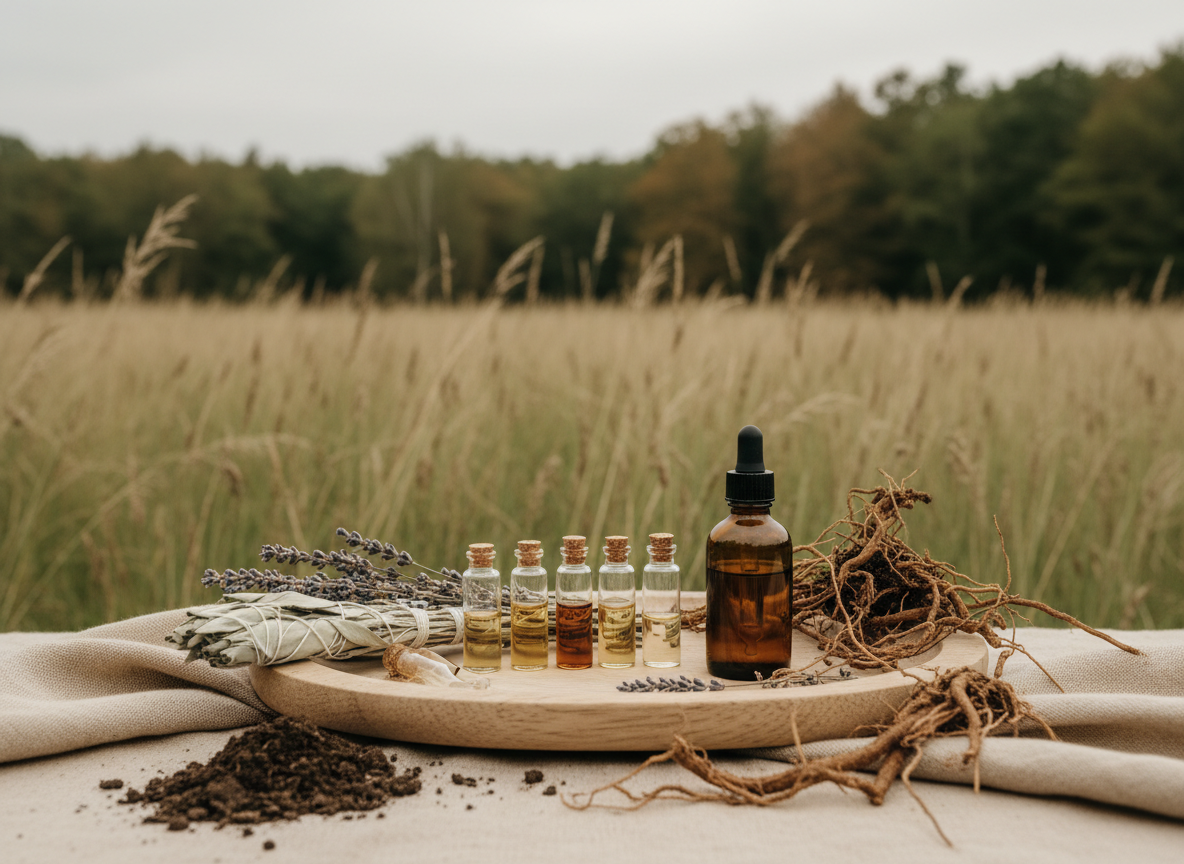
The labor-intensive nature of vetiver root harvesting and processing has prompted increased attention to fair trade practices. Many premium perfumery houses now seek vetiver sources that ensure fair compensation for farmers and sustainable harvesting practices.
Crafting Your Understanding of Vetiver's Role
For those seeking to deepen their appreciation of vetiver in perfumery, consider these approaches to experiencing its complexity:
Comparative sampling: Experience vetiver oils from different regions side by side to understand how terroir influences scent character.
Age comparison: If possible, compare fresh vetiver oil with aged versions to appreciate how time transforms this remarkable ingredient.
Blending exploration: Try creating simple blends with vetiver and single other ingredients to understand its interactive qualities.
Fragrance analysis: When wearing vetiver-based fragrances, pay attention to how the vetiver evolves throughout the day and interacts with your skin.
The Enduring Appeal of Vetiver's Grounding Presence
In our increasingly fast-paced world, vetiver's role in perfumery serves as more than mere olfactory pleasure—it offers a moment of grounding, a return to earth's quiet strength. The most valued base note in fragrance earns this distinction not through aggressive presence, but through its ability to provide stability, depth, and a sense of rootedness that resonates with something deep within our collective consciousness.
Understanding vetiver in perfumery is understanding the patience of true craftsmanship, the value of subtlety over showiness, and the profound impact that natural materials can have when treated with respect and skill. As you encounter vetiver in your fragrance journey, take a moment to appreciate not just its beautiful scent, but its role as the quiet foundation that allows more volatile notes to shine while providing the lasting impression that lingers in memory long after the initial encounter fades.
This is the true mastery of vetiver in perfumery—not to dominate, but to support, enhance, and endure, creating fragrances that feel as grounding and eternal as the deep roots from which this precious oil springs.