
Vetiver Oil for Anxiety and Stress: The Definitive Aromatherapy Guide
Key Takeaways
- Vetiver essential oil is traditionally used in aromatherapy practices for promoting a sense of calm and grounding
- Some research suggests vetiver may influence the nervous system through its unique chemical compounds
- The oil's earthy, complex scent profile makes it particularly suited for meditative and mindfulness practices
- Proper dilution and safety considerations are essential when using vetiver oil topically or in diffuser blends
- Individual responses to aromatherapy vary - what works for one person may not work for another
Table of Contents
- Understanding Vetiver: Nature's Grounding Essential Oil
- Research Insights: What Studies Suggest About Vetiver and Calm
- How Vetiver May Work: Aromatherapy and the Nervous System
- Practical Applications: Using Vetiver Oil for Daily Grounding
- Blending Techniques: Creating Synergistic Aromatherapy Combinations
- Safety Considerations and Proper Usage Guidelines
- Choosing Quality Vetiver Oil: What to Look For
- Integrating Vetiver into Mindful Daily Practices
Understanding Vetiver: Nature's Grounding Essential Oil
Vetiver essential oil, distilled from the roots of Chrysopogon zizanioides, has earned a reputation as one of nature's most grounding aromatic compounds. This perennial grass, native to India and widely cultivated throughout tropical regions, produces an essential oil with a complex, earthy fragrance profile that aromatherapy practitioners have traditionally associated with promoting feelings of stability and calm.
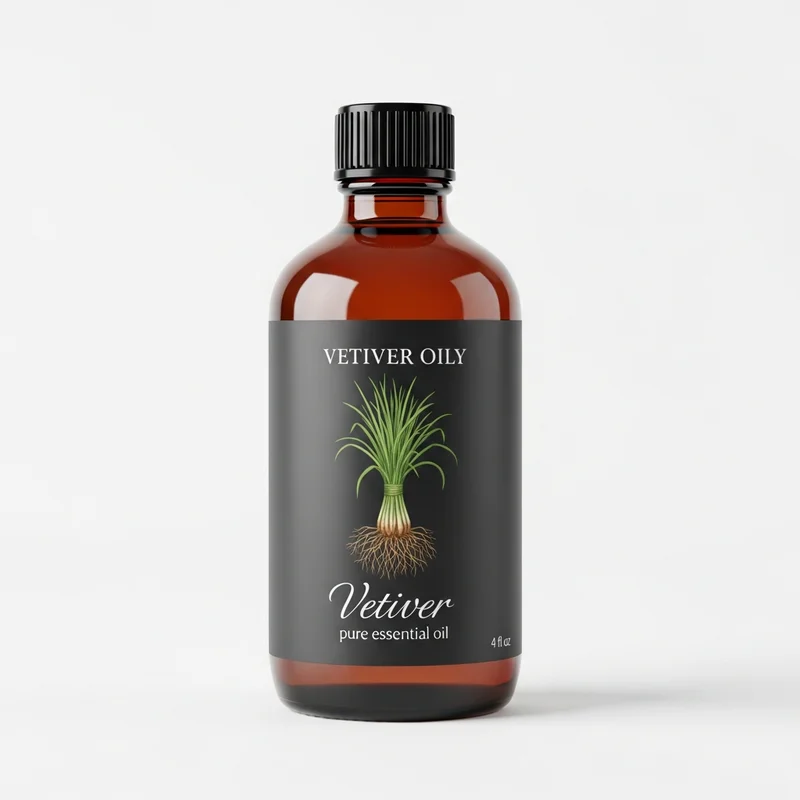
Vetiver Essential Oil
Our own Vetiver Essential Oil, in sizes from 0.5 oz to bulk.
From $18.99
Shop Now →The oil's unique characteristics stem from its extensive root system, which can penetrate up to 12 feet deep into the earth. This deep-rooted nature translates metaphorically into vetiver's traditional use as a "grounding" oil in aromatherapy practices. The extraction process itself requires patience and skill, as the roots must be aged for 18-24 months to develop their full aromatic potential.
The Chemical Composition Behind Vetiver's Properties
Vetiver essential oil contains over 150 identified compounds, with the primary constituents being:
- Vetiselinenol (up to 15%)
- Khusimol (5-15%)
- β-Vetivone (3-12%)
- α-Vetivone (2-8%)
- Vetiver acetate (1-5%)
These sesquiterpenes and sesquiterpene alcohols contribute to vetiver's distinctive scent profile and may influence how the oil interacts with our olfactory system. Research suggests that certain compounds in vetiver oil may have properties that could support the body's natural relaxation responses, though more studies are needed to fully understand these mechanisms.
Historical and Cultural Context
Throughout history, vetiver has been revered in traditional practices across various cultures. In Ayurvedic tradition, vetiver is known as "khus" and has been traditionally used for promoting tranquility and supporting meditation practices. In parts of India and Southeast Asia, vetiver mats and screens have been used not only for their cooling properties but also for their calming aromatic effects.
This cultural wisdom has influenced modern aromatherapy practices, where vetiver oil for anxiety and stress management has gained attention among practitioners seeking natural approaches to supporting emotional well-being.
Research Insights: What Studies Suggest About Vetiver and Calm
While research on vetiver essential oil's effects on stress and anxiety is still emerging, several studies have provided intriguing insights into how this aromatic compound may influence our physiological and psychological responses.
Neurological Studies
A 2015 study published in the Journal of Intercultural Ethnopharmacology examined vetiver oil's potential effects on the nervous system in animal models. The research suggested that vetiver essential oil may influence neurotransmitter activity, particularly in pathways associated with relaxation responses. However, it's important to note that animal studies don't necessarily translate directly to human experiences.
Another preliminary study investigated vetiver's potential influence on brain wave patterns during aromatherapy sessions. Researchers observed that participants exposed to vetiver oil showed increased alpha wave activity, which is typically associated with relaxed, meditative states. While promising, these findings require replication in larger, controlled studies.
Aromatherapy Research
Several small-scale studies have explored vetiver's role in aromatherapy practices:
| Study Focus | Methodology | Findings |
|---|---|---|
| Sleep Quality | Diffusion during sleep | Some participants reported improved sleep onset |
| Stress Response | Inhalation before stressful tasks | Reduced self-reported stress levels |
| Focus and Attention | Workplace diffusion | Mixed results on concentration tasks |
Limitations and Future Research Needs
Current research on vetiver essential oil stress relief faces several limitations:
- Small sample sizes in most studies
- Lack of standardized vetiver oil compositions across studies
- Limited long-term follow-up data
- Variability in individual responses to aromatherapy
- Need for more rigorous placebo-controlled trials
While these preliminary findings are encouraging, more comprehensive research is needed to fully understand vetiver's potential role in supporting emotional well-being through aromatherapy practices.
How Vetiver May Work: Aromatherapy and the Nervous System
Understanding how vetiver calming oil may influence our sense of well-being requires exploring the fascinating connections between scent, the brain, and our physiological responses. While the exact mechanisms are still being studied, several theories help explain why vetiver has earned its reputation as a grounding essential oil.
The Olfactory-Brain Connection
When we inhale vetiver essential oil, aromatic molecules travel through the nasal passages and bind to olfactory receptors. These receptors send signals directly to the limbic system, which includes structures like the amygdala and hippocampus that are closely associated with emotional processing and memory formation.
This direct pathway means that aromatic compounds can potentially influence our emotional state more rapidly than other sensory inputs, which may explain why some people report feeling calmer within minutes of inhaling vetiver oil.
Potential Neurochemical Influences
Some research suggests that certain compounds in vetiver oil may influence neurotransmitter systems associated with relaxation and stress responses:
- GABA System: Preliminary studies suggest vetiver compounds may support GABA activity, the brain's primary inhibitory neurotransmitter
- Serotonin Pathways: Some evidence points to potential influences on serotonin, often called the "happiness hormone"
- Cortisol Modulation: Limited research suggests aromatherapy with vetiver may correlate with changes in stress hormone levels
It's crucial to understand that these are preliminary research observations, and individual responses can vary significantly based on genetic factors, past experiences, and overall health status.
The Grounding Effect: Psychological and Physiological
Vetiver's reputation as a "grounding" oil may stem from both its chemical properties and psychological associations. The oil's heavy, earthy scent profile can evoke feelings of stability and connection to nature, which may support mindfulness practices and present-moment awareness.
From a physiological perspective, the deep, complex aroma requires focused attention to fully appreciate, which may naturally encourage slower, deeper breathing patterns often associated with relaxation responses.
Practical Applications: Using Vetiver Oil for Daily Grounding
Incorporating vetiver oil nervous system support into daily routines requires understanding various application methods and their appropriate contexts. Each method offers different benefits and considerations for supporting your wellness practices.
Aromatherapy Diffusion Methods
Diffusing vetiver essential oil is one of the most accessible ways to experience its potential calming properties:
Ultrasonic Diffusion
Add 3-5 drops of vetiver oil to an ultrasonic diffuser filled with water. This method provides gentle, consistent dispersal ideal for meditation spaces, bedrooms, or work areas. Due to vetiver's thick consistency, it may take longer to disperse than lighter oils.
Nebulizing Diffusion
For a more concentrated aromatic experience, nebulizing diffusers can effectively disperse vetiver's heavier molecules. Use for shorter periods (15-30 minutes) as the scent can be quite potent.
Passive Diffusion
Place 1-2 drops on a cotton ball, wooden diffuser stick, or aromatherapy jewelry for personal, portable aromatherapy throughout the day.
Topical Application Guidelines
Safety First: Always dilute vetiver essential oil before topical application. Perform a patch test on a small area of skin before broader use.
Recommended Dilution Ratios:
- Adults: 1-2% dilution (6-12 drops per ounce of carrier oil)
- Sensitive skin: 0.5-1% dilution (3-6 drops per ounce)
- Facial application: 0.25-0.5% dilution (1-3 drops per ounce)
Application Areas for Grounding Practices:
- Pulse points (wrists, temples) for personal aromatherapy
- Feet for grounding rituals and sleep support
- Back of neck for tension-focused applications
- Chest area for respiratory aromatherapy (well-diluted)
Inhalation Techniques
Direct Inhalation
Place 1-2 drops on a tissue or inhaler stick and breathe deeply for immediate aromatic benefits. This method is particularly useful for moments when you need quick grounding support.
Steam Inhalation
Add 2-3 drops to a bowl of warm water, cover your head with a towel, and inhale gently for 5-10 minutes. This method can be particularly soothing and may support both aromatherapy benefits and respiratory comfort.
Bath and Body Applications
Vetiver oil can transform ordinary baths into grounding, spa-like experiences:
- Bath blend: Mix 5-8 drops with Epsom salts or carrier oil before adding to bathwater
- Foot soaks: 2-3 drops in warm water with sea salt for grounding foot rituals
- Body oils: Create custom massage blends for self-care practices
Blending Techniques: Creating Synergistic Aromatherapy Combinations
Vetiver's complex scent profile makes it an excellent base note for aromatherapy blends designed to promote calm and grounding. (See: NIH — Vetiver Research.) Understanding how to combine vetiver with complementary oils can enhance your aromatherapy practice and create more balanced, appealing scents.
Understanding Scent Profiles and Synergy
Vetiver belongs to the "base note" category in aromatherapy, meaning it:
- Has a deep, heavy scent that lingers longest
- Provides grounding foundation for blend compositions
- Helps "fix" or extend the lifespan of lighter oils
- Typically comprises 10-30% of most blends
Complementary Oil Categories
Citrus Oils (Top Notes)
Balance vetiver's earthiness with uplifting brightness:
- Bergamot: Adds sophisticated citrus notes while maintaining calming properties
- Sweet Orange: Provides cheerful warmth that complements vetiver's grounding nature
- Grapefruit: Offers energizing freshness while supporting stress relief goals
Floral Oils (Middle Notes)
Create gentle, nurturing blends:
- Lavender: Classic pairing for relaxation-focused blends (see our comparison in vetiver vs lavender for anxiety)
- Ylang-ylang: Adds exotic floral sweetness while supporting emotional balance
- Geranium: Provides rosy, balancing qualities that harmonize with vetiver's depth
Woody and Resinous Oils (Base Notes)
Deepen vetiver's grounding qualities:
- Sandalwood: Enhances meditative, spiritual aspects
- Cedarwood: Amplifies grounding and forest-like qualities
- Frankincense: Adds sacred, centering dimensions to blends
Signature Vetiver Blending Recipes
"Deep Roots" Grounding Blend
- 4 drops Vetiver
- 3 drops Cedarwood
- 2 drops Bergamot
- 1 drop Sandalwood
Perfect for meditation and evening grounding practices
"Gentle Earth" Calming Blend
- 3 drops Vetiver
- 4 drops Lavender
- 3 drops Sweet Orange
- 2 drops Geranium
Ideal for stress relief and emotional balance
"Forest Sanctuary" Focus Blend
- 3 drops Vetiver
- 3 drops Frankincense
- 2 drops Rosemary
- 2 drops Lemon
Supports concentration while maintaining calm awareness
Blending Tips and Techniques
- Start Small: Begin with single drops and adjust ratios based on your scent preferences
- Let It Mature: Allow blends to sit for 24-48 hours before final evaluation, as scents can change over time
- Keep Records: Document successful recipes for future reference
- Consider Context: Tailor blends to specific activities (meditation, work, sleep preparation)
- Quality Matters: Use high-quality oils for best results and safety
For more specific blend ideas, explore our comprehensive guide to vetiver diffuser blends for various moods and occasions.
Safety Considerations and Proper Usage Guidelines
While vetiver essential oil is generally considered safe for most people when used properly, understanding important safety considerations ensures positive aromatherapy experiences and prevents potential adverse reactions.
General Safety Guidelines
Dilution Requirements
Vetiver essential oil should always be diluted before skin contact:
- Never apply undiluted vetiver oil directly to skin
- Use appropriate carrier oils like fractionated coconut oil, sweet almond oil, or jojoba oil
- Follow proper dilution ratios based on application area and individual sensitivity
- Store diluted blends in dark glass containers to maintain potency
Patch Testing Protocol
Before using any new vetiver blend:
- Apply a small amount of properly diluted oil to inner forearm
- Cover with a bandage and wait 24 hours
- Check for any signs of irritation, redness, or reaction
- If no reaction occurs, the blend is likely safe for your use
- Discontinue use immediately if any adverse reactions develop
Specific Populations and Considerations
Pregnancy and Nursing
While vetiver is not typically considered problematic during pregnancy, safety data is limited:
- Consult with a qualified healthcare provider before use
- Consider avoiding use during first trimester as a precautionary measure
- If approved by healthcare provider, use only in very low dilutions (0.25-0.5%)
- Avoid ingestion completely during pregnancy and nursing
Children and Infants
Special care is required when using essential oils around children:
- Infants (0-3 months): Avoid essential oil use entirely
- Young children (3 months - 2 years): Use only through gentle room diffusion with adult supervision
- Children (2-10 years): Use very low dilutions (0.25-0.5%) and avoid application near face
- Always supervise children around essential oils and diffusers
Individuals with Medical Conditions
Certain conditions may require extra precautions:
- Asthma or respiratory conditions: Start with minimal exposure and monitor reactions carefully
- Sensitive skin or eczema: Use lower dilution rates and perform extended patch testing
- Medication interactions: Consult healthcare providers about potential interactions
- Hormonal conditions: Discuss aromatherapy use with qualified practitioners
Storage and Handling Best Practices
Proper Storage
- Store in dark glass bottles away from direct sunlight
- Keep in cool, stable temperatures (60-70°F ideal)
- Ensure tight caps to prevent oxidation
- Label clearly with purchase date and dilution information
- Keep away from children and pets
Handling Precautions
- Wash hands thoroughly after handling essential oils
- Avoid contact with eyes, mucous membranes, and sensitive areas
- Use glass or stainless steel containers for blending (avoid plastic)
- Clean diffusers regularly to prevent buildup and contamination
Signs to Discontinue Use
Stop using vetiver oil immediately if you experience:
- Skin irritation, redness, or rash
- Respiratory discomfort or breathing difficulties
- Headaches or dizziness
- Nausea or digestive upset
- Any unusual or concerning reactions
Important: Essential oils are not intended to replace medical treatment. Always consult with qualified healthcare providers for serious health concerns or before using essential oils if you have underlying medical conditions.
Choosing Quality Vetiver Oil: What to Look For
The effectiveness and safety of your aromatherapy practice depends significantly on the quality of vetiver essential oil you choose. Understanding key quality indicators helps ensure you're investing in authentic, properly sourced oil that will provide the best possible aromatherapy experience.
Authentication and Purity Markers
Botanical Verification
Quality vetiver oil should clearly identify:
- Botanical name: Chrysopogon zizanioides (formerly Vetiveria zizanioides)
- Plant part used: Roots (not leaves or stems)
- Extraction method: Steam distillation
- Country of origin: Haiti, India, Java, and Reunion are traditional quality sources
- Chemotype information: When available, indicating specific chemical profile
Third-Party Testing
Reputable suppliers provide:
- GC-MS reports: Gas chromatography-mass spectrometry analysis showing chemical composition
- Purity testing: Confirming absence of synthetic adulterants
- Pesticide residue testing: Ensuring clean, uncontaminated oil
- Heavy metals testing: Particularly important for root-derived oils
- Microbiological testing: Confirming safe bacterial and fungal levels
Quality Indicators and Red Flags
Positive Quality Signs
- Thick consistency: Quality vetiver oil should be viscous, sometimes requiring gentle warming to pour
- Complex aroma: Deep, earthy scent with multiple facets (smoky, woody, sweet undertones)
- Appropriate color: Ranges from amber to dark brown; extremely light colors may indicate dilution
- Pricing reality: Genuine vetiver oil is relatively expensive due to labor-intensive harvesting and processing
- Transparent sourcing: Suppliers who can discuss their sourcing relationships and farming practices
Warning Signs to Avoid
- Unusually low prices: May indicate synthetic substitutes or excessive dilution
- Lack of batch information: Quality suppliers track individual batches
- Missing safety data: Reputable companies provide comprehensive safety information
- Vague labeling: Terms like "fragrance oil" or "perfume oil" instead of "essential oil"
- Plastic packaging: Essential oils can degrade plastic; glass is standard for quality oils
Regional Variations and Characteristics
Haitian Vetiver
Often considered the gold standard:
- Complex, refined aroma profile
- Higher concentration of vetiselinenol
- Traditionally associated with finest perfumery applications
- Generally commands premium pricing
Indian Vetiver
Traditional source with distinct characteristics:
- More earthy, sometimes smokier profile
- Good for aromatherapy applications
- Often more affordable while maintaining quality
- Regional variations depending on specific growing areas
Java and Reunion Vetiver
Specialty sources with unique profiles:
- Java: Often prized for perfumery applications
- Reunion: Distinctive terroir influences creating unique scent signatures
- Both typically available in smaller quantities at premium prices
Evaluating Suppliers
Questions to Ask Potential Suppliers
- Can you provide GC-MS analysis reports for your current batches?
- What is your relationship with your growers/distillers?
- How do you store and handle oils to maintain quality?
- What is your return/satisfaction policy?
- Can you explain the specific characteristics of your vetiver source?
Supplier Red Flags
- Reluctance to provide testing documentation
- Claims that "all oils are the same quality"
- Inability to discuss sourcing specifics
- Pressure tactics or "limited time" offers on expensive oils
- Mixing essential oils with carrier oils without clear labeling
Investing time in selecting quality vetiver essential oil ensures better aromatherapy results, greater safety, and more authentic sensory experiences in your wellness practices.
Integrating Vetiver into Mindful Daily Practices
Beyond simple aromatherapy diffusion, vetiver essential oil can become a meaningful anchor in daily mindfulness and grounding practices. Its earthy, centering qualities make it particularly suitable for rituals that cultivate present-moment awareness and emotional balance.
Morning Grounding Rituals
Intentional Awakening Practice
Begin each day with a vetiver-supported mindfulness routine:
- Upon waking, place 1-2 drops of vetiver oil on a cotton pad
- Hold the pad gently and take 5 deep, conscious breaths
- Set a daily intention while experiencing the oil's grounding aroma
- Visualize roots extending from your body into the earth, drawing stability and calm
- Carry this sense of groundedness into your morning activities
Mindful Preparation Routine
Create a vetiver-infused morning ritual:
- Add vetiver to your morning shower routine through diluted body oil
- Practice gratitude while experiencing the oil's earthy embrace
- Use vetiver-scented towels (add a drop to unscented towels in the dryer)
- Apply a vetiver pulse point blend before starting your day
Workplace Stress Management
Desk-Based Mindfulness Moments
Incorporate vetiver into your work environment:
- Personal inhaler: Keep a vetiver-blend inhaler in your desk for quick grounding breaks
- Mindful transitions: Use vetiver scent to mark transitions between tasks or meetings
- Stress reset practice: Three conscious breaths with vetiver when feeling overwhelmed
Vetiver Essential Oil
Vetiver Essential Oil from our own shop, in sizes from 0.5 oz to bulk.
From $18.99
Shop Now →