Vetiver Oil for Anxiety: The Grounding Essential Oil Backed by Research
In a world that moves at breakneck speed, finding moments of deep calm can feel increasingly elusive. Yet nature offers us powerful allies in our quest for inner peace, and few are as profoundly grounding as vetiver essential oil. Known as the "oil of tranquility," vetiver has been treasured for centuries for its ability to help restore balance to an overstimulated nervous system.
This earthy, complex oil carries within its molecular structure a unique capacity to support emotional equilibrium. While we must always remember that essential oils are not medical treatments, emerging research and centuries of traditional use suggest that vetiver oil may offer valuable support for those seeking natural ways to promote a sense of calm and centeredness.
Understanding Vetiver: Nature's Grounding Force
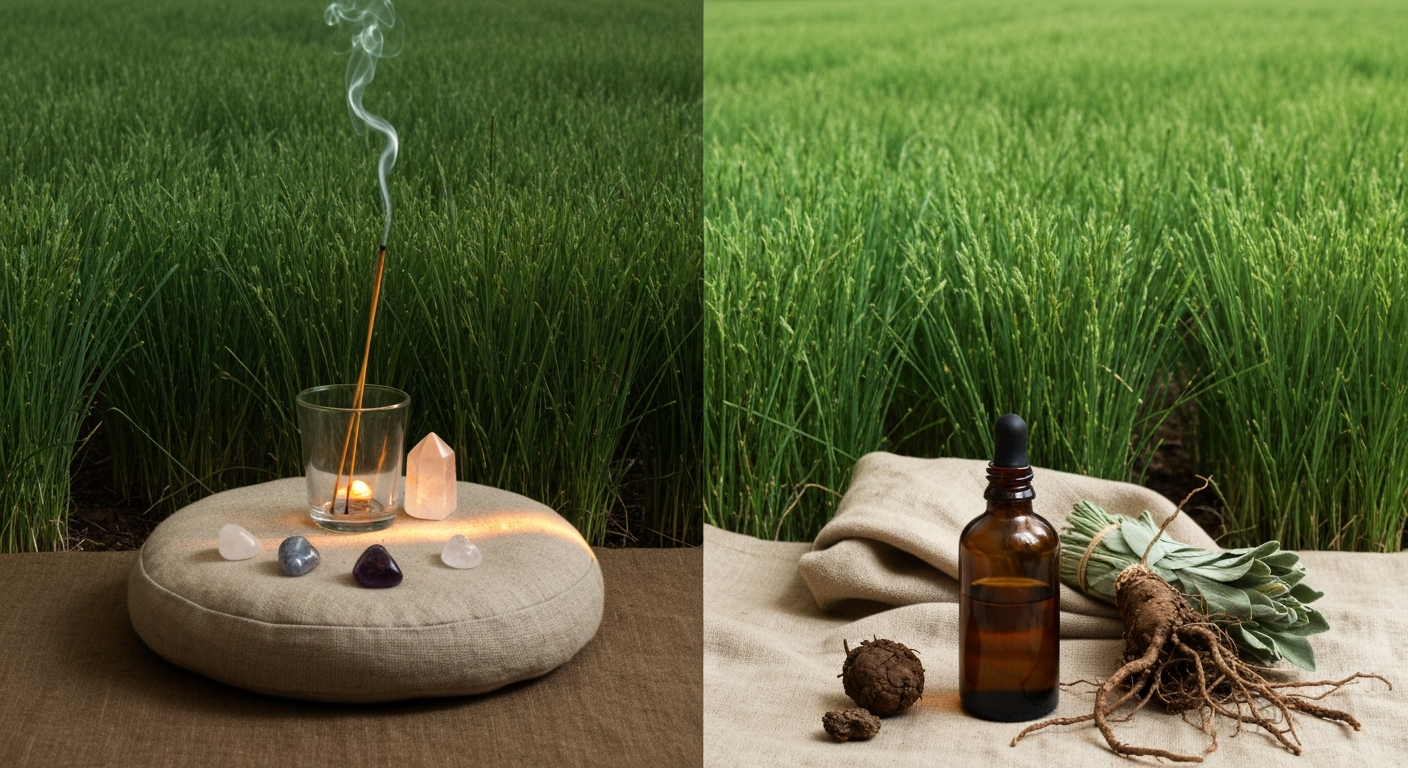
Vetiver essential oil is distilled from the roots of Chrysopogon zizanioides, a perennial grass native to India. Unlike many essential oils that come from flowers or leaves, vetiver's power lies deep in the earth—literally. The plant's extensive root system can reach depths of up to 12 feet, creating an intricate network that anchors the grass against erosion and draws nutrients from deep within the soil.
This connection to the earth's depths is reflected in vetiver's aromatic profile. The oil carries a rich, woody scent with smoky undertones and subtle sweetness—a fragrance that seems to whisper of ancient forests and rich, dark soil. This grounding quality makes it particularly valuable for those seeking to reconnect with a sense of stability and calm.
The Chemistry of Calm
Vetiver's potential calming properties stem from its complex chemical composition. The oil contains numerous sesquiterpenes, including vetiselinenol, khusimol, and β-vetivenene. Research suggests these compounds may interact with neurotransmitter systems in ways that could support relaxation and emotional balance, though more studies are needed to fully understand these mechanisms.
What Research Reveals About Vetiver Oil for Anxiety
While we must approach all health claims with appropriate caution, several scientific studies have explored vetiver's potential effects on anxiety and stress responses. These findings, while preliminary, offer intriguing insights into how this ancient oil might support modern wellness needs.
Animal Studies and Behavioral Observations
A 2015 study published in Natural Product Research examined vetiver oil's effects on anxiety-like behaviors in laboratory animals. Researchers observed that inhalation of vetiver oil appeared to reduce stress-related behaviors, with effects comparable to some conventional anxiolytic compounds. While animal studies cannot directly translate to human experiences, these findings provide valuable groundwork for understanding vetiver's potential mechanisms.
Another study in Pharmaceutical Biology investigated vetiver's impact on stress responses, finding that the oil may help modulate cortisol levels—the body's primary stress hormone. However, researchers emphasize that more human trials are needed to confirm these preliminary observations.
Aromatherapy and Nervous System Response
Research into aromatherapy more broadly has shown promising results for essential oil inhalation and anxiety support. A systematic review in the International Journal of Nursing Practice found that aromatherapy interventions, including those using grounding oils like vetiver, may help promote relaxation and reduce perceived stress levels in various clinical settings.
One particularly relevant study examined the effects of earthy, grounding scents on autonomic nervous system responses. Participants who inhaled oils with similar aromatic profiles to vetiver showed measurable changes in heart rate variability and breathing patterns—physiological markers associated with the relaxation response.
"The research on vetiver is still emerging, but the preliminary findings align beautifully with what traditional practitioners have observed for generations—that this deeply grounding oil may help restore balance to an overstimulated nervous system."
Traditional Wisdom Meets Modern Understanding
Long before scientific studies began exploring vetiver's potential benefits, traditional healing systems recognized its value for emotional and spiritual balance. In Ayurvedic medicine, vetiver has been used for thousands of years as a cooling, grounding herb believed to pacify excess heat and agitation in both body and mind.
Historical Uses Across Cultures
Traditional Indian medicine has long valued vetiver for its ability to promote what practitioners describe as "mental clarity and emotional stability." The oil was typically used in meditation practices and applied in diluted form to pulse points during times of emotional turbulence.
In Indonesia and other Southeast Asian countries, vetiver oil has been traditionally burned as incense during spiritual ceremonies, valued for its ability to create a sense of sacred space and inner stillness. This practice continues today, with many modern aromatherapists drawing on these time-tested applications.
The Grounding Principle in Aromatherapy
Contemporary aromatherapy theory recognizes vetiver as a classic "base note" oil—one that provides stability and grounding to both aromatic blends and emotional states. This classification isn't merely about scent; it reflects the oil's observed ability to help individuals feel more centered and present.
Aromatherapists often describe vetiver as particularly valuable for those who feel "scattered" or "ungrounded"—people who may benefit from reconnecting with a sense of stability and presence. While these observations are anecdotal rather than clinical, they align remarkably well with emerging research on the oil's potential neurological effects.
How Vetiver Oil May Support Calm: Potential Mechanisms
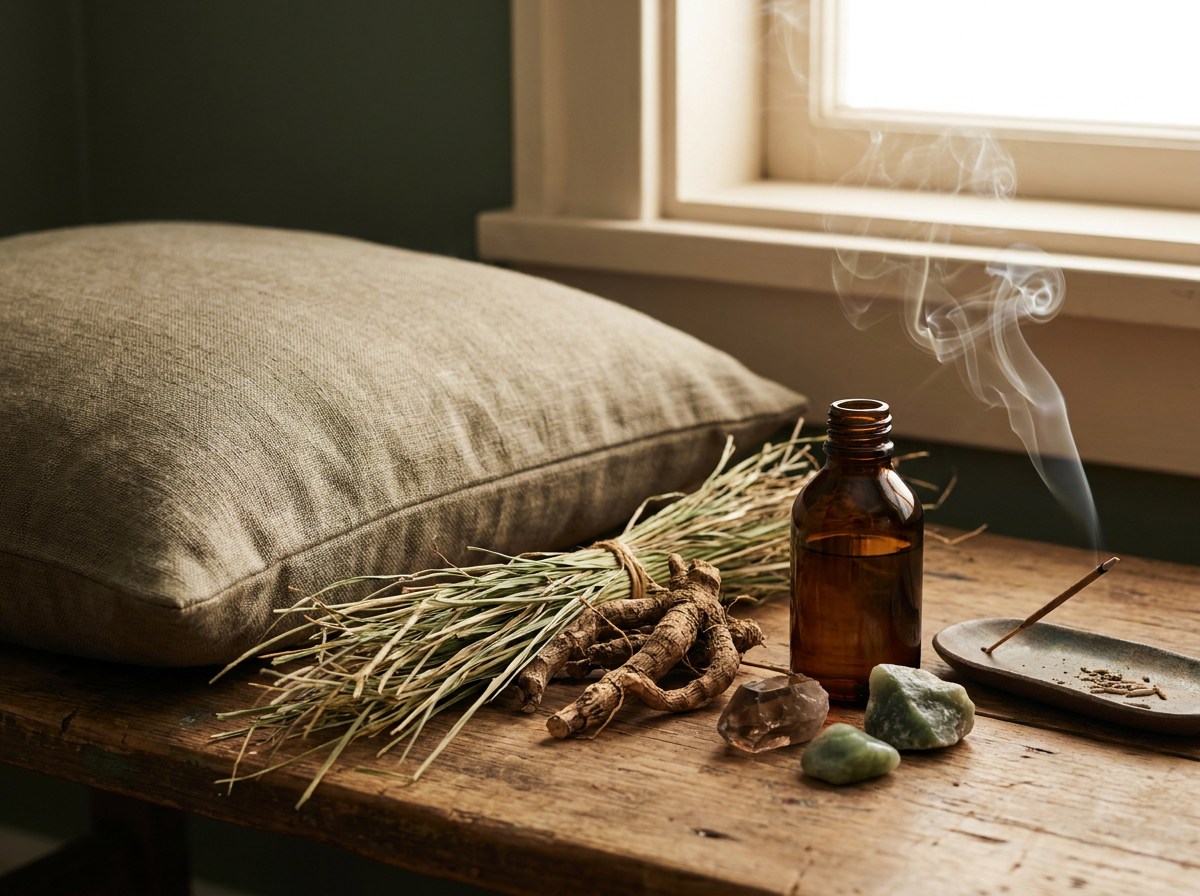
Understanding how vetiver oil might support relaxation and emotional balance requires looking at both its chemical composition and its effects on the human nervous system. While research is ongoing, several potential mechanisms have been identified.
Olfactory Pathways and Emotional Processing
When we inhale essential oils, aromatic molecules travel through the olfactory system directly to the limbic brain—the emotional processing center. This pathway bypasses conscious thought, potentially explaining why certain scents can create almost immediate shifts in mood and perception.
Vetiver's complex molecular structure may interact with olfactory receptors in ways that signal the nervous system to shift toward a more relaxed state. Some researchers theorize that the oil's sesquiterpenes may influence neurotransmitter activity, though this remains an area of active investigation.
Autonomic Nervous System Modulation
Preliminary research suggests that vetiver oil inhalation may help promote parasympathetic nervous system activation—the "rest and digest" response that counters the stress-driven "fight or flight" state. This could potentially explain why many people report feeling more grounded and centered when using vetiver aromatherapy.
Heart rate variability studies have shown that certain essential oils, including those with similar chemical profiles to vetiver, may help promote more coherent heart rhythms—a physiological marker associated with emotional balance and stress resilience.
Practical Ways to Use Vetiver Oil for Calming Support
If you're drawn to explore vetiver's potential calming benefits, there are several safe and effective ways to incorporate this grounding oil into your wellness routine. Always remember to use high-quality, properly diluted oil and discontinue use if you experience any adverse reactions.
Inhalation Methods
Diffusion: Add 3-5 drops of vetiver oil to a high-quality diffuser. The slow, steady release of aromatic molecules can help create a calming atmosphere for meditation, sleep preparation, or quiet reflection.
Personal Inhaler: For portable calm support, add 10-15 drops of vetiver oil to a personal aromatherapy inhaler. This allows for discrete inhalation whenever you need a moment of grounding.
Steam Inhalation: Add 2-3 drops of vetiver oil to a bowl of hot (not boiling) water. Drape a towel over your head and inhale deeply for 5-10 minutes, keeping eyes closed to prevent irritation.
Topical Applications (Always Properly Diluted)
Pulse Point Blend: Dilute 2 drops of vetiver oil in 1 teaspoon of carrier oil (such as jojoba or fractionated coconut oil). Apply to wrists, temples, or behind the ears. Always perform a patch test first and avoid sensitive areas.
Calming Body Oil: For full-body relaxation support, create a massage oil by adding 10-12 drops of vetiver oil to 1 ounce of carrier oil. This dilution ratio stays within safe topical use guidelines.
Bath Ritual: Mix 4-6 drops of vetiver oil with 1 tablespoon of carrier oil or unscented bath salts before adding to bathwater. The warm water helps disperse the oil while preventing skin irritation.
Safety Considerations
While vetiver oil is generally considered safe for most people, certain precautions are important:
- Always dilute properly for topical use (2% dilution maximum for adults)
- Perform a patch test before first topical application
- Pregnant or nursing women should consult healthcare providers before use
- People with sensitive skin or respiratory conditions should use with extra caution
- Never ingest essential oils unless under professional guidance
Combining Vetiver with Other Calming Practices
Vetiver oil can be a valuable component of a holistic approach to emotional wellness, working synergistically with other calming practices to create a more comprehensive support system.
Meditation and Mindfulness
Many practitioners find that vetiver's grounding scent enhances meditation practice by helping to anchor attention in the present moment. The oil's earthy aroma can serve as a sensory focal point, making it easier to return attention to the breath when the mind wanders.
Yoga and Movement Practices
Vetiver's grounding properties make it particularly suitable for restorative yoga practices or any movement modality focused on releasing tension and cultivating inner calm. Diffusing the oil during practice or applying a diluted blend to pulse points can help deepen the sense of connection to the present moment.
Sleep Hygiene and Evening Routines
Creating a consistent evening routine that includes vetiver aromatherapy may help signal the nervous system that it's time to transition toward rest. The oil's calming properties, combined with other sleep-supportive practices like gentle stretching or reading, can contribute to improved sleep quality.
Choosing High-Quality Vetiver Oil
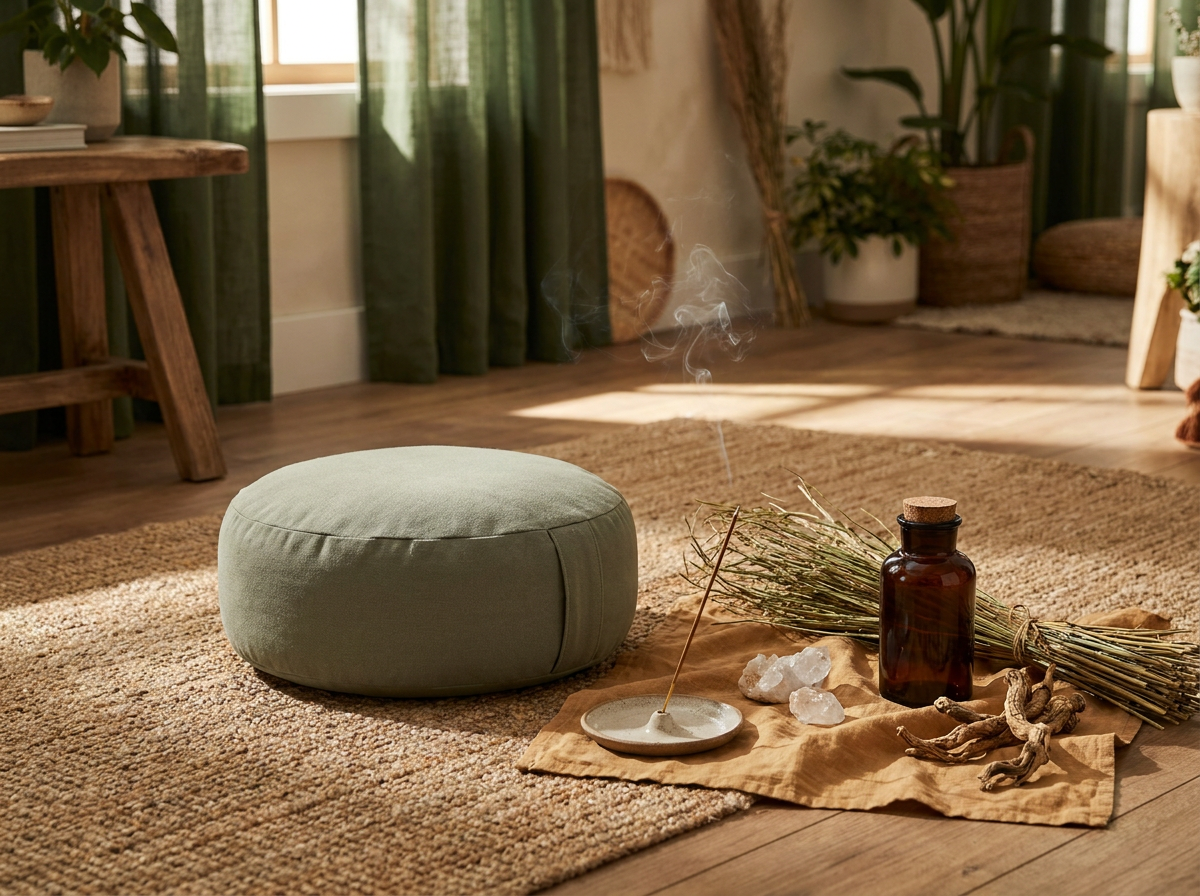
The therapeutic potential of any essential oil depends heavily on its quality and purity. When selecting vetiver oil for anxiety support, consider these important factors:
Source and Extraction Method
Look for vetiver oil that has been steam distilled from the roots of Chrysopogon zizanioides. The best oils typically come from plants grown in their native habitat, particularly India and Haiti, where ideal growing conditions produce the most aromatic and chemically complex oils.
Third-Party Testing
Reputable suppliers provide gas chromatography-mass spectrometry (GC-MS) reports that verify the oil's chemical composition and confirm the absence of adulterants or contaminants. This testing ensures you're getting pure, unadulterated vetiver oil.
Sustainable Sourcing
Since vetiver requires harvesting the entire root system, sustainable farming practices are crucial for environmental protection. Look for suppliers who work directly with farmers using regenerative agriculture methods that support both plant quality and ecological health.
Creating Your Personal Vetiver Practice
Developing a consistent practice with vetiver oil for anxiety support requires patience and mindful attention to your body's responses. Start slowly, with brief sessions and minimal amounts, gradually building your familiarity with this powerful oil.
Beginning Your Journey
Start with simple inhalation—a drop on a tissue or cotton pad held near the nose for gentle, intermittent breathing. Notice how your body responds over the course of 10-15 minutes. Some people feel effects almost immediately, while others may need several sessions to notice subtle shifts in their stress response.
Building Consistency
Like any wellness practice, consistency often yields the greatest benefits. Consider incorporating vetiver aromatherapy into existing routines—morning meditation, afternoon stress breaks, or evening wind-down rituals. This integration helps create positive associations and may enhance the oil's supportive effects over time.
Listening to Your Body
Pay attention to your individual response patterns. Some people find vetiver most helpful during acute stress moments, while others prefer it as part of preventive self-care routines. Honor your unique needs and adjust your practice accordingly.
The Broader Context: Essential Oils as Wellness Tools
While vetiver oil shows promise as a natural anxiety support tool, it's important to view it within the broader context of comprehensive wellness. Essential oils work best when combined with other evidence-based approaches to mental health and stress management.
Complementary Approaches
Consider vetiver aromatherapy as one component of a multifaceted approach that might also include regular exercise, adequate sleep, nutritious eating, social connection, and professional mental health support when needed. No single intervention—natural or otherwise—can address the complex nature of anxiety on its own.
When to Seek Professional Support
If you're experiencing persistent anxiety that interferes with daily life, work, or relationships, it's important to consult with qualified healthcare providers. While natural approaches like vetiver aromatherapy can be valuable supportive tools, they should complement, not replace, professional mental health care when needed.
The Future of Vetiver Research
As interest in natural approaches to mental wellness continues to grow, research into vetiver oil's potential benefits is likely to expand. Current studies, while promising, represent just the beginning of our scientific understanding of this ancient oil's mechanisms and applications.
Future research may explore optimal dosing protocols, individual variation in response, and potential synergies with other natural compounds. Long-term studies tracking the effects of regular vetiver use could provide valuable insights into its role in preventive mental health care.
Embracing Earth's Wisdom
In our fast-paced, often disconnected modern world, vetiver oil offers us an opportunity to reconnect with the grounding wisdom of the earth. While we must always approach health claims with appropriate scientific skepticism, the convergence of traditional knowledge and emerging research suggests that this humble grass root may indeed hold valuable keys to supporting our emotional well-being.
Whether you're drawn to vetiver for its rich, complex aroma, its potential calming properties, or its symbolic connection to the stability of deep earth, approaching this oil with mindfulness and respect can open doorways to greater inner peace. Remember that the journey toward emotional balance is deeply personal—what works for one person may not work for another, and that's perfectly natural.
As you explore vetiver's potential place in your wellness routine, do so with patience, curiosity, and always in consultation with healthcare providers when addressing significant mental health concerns. In this way, you honor both the ancient wisdom that first recognized vetiver's gifts and the modern understanding that ensures safe, effective use.
The path to emotional wellness is rarely linear or simple, but with tools like vetiver oil—used mindfully and as part of a comprehensive approach—we can support our nervous systems in finding their way back to balance, one grounding breath at a time.