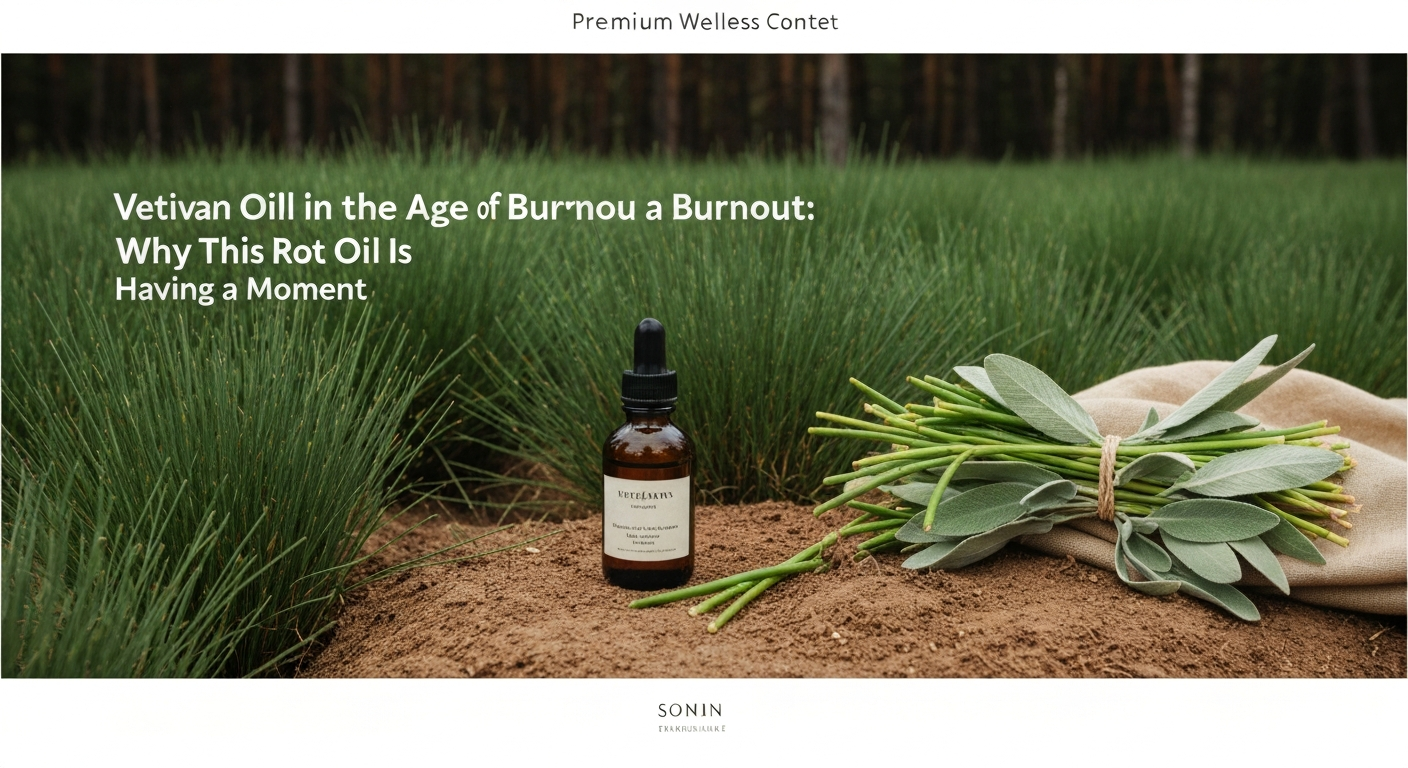
Vetiver Oil in the Age of Burnout: Why This Root Oil Is Having a Moment
In a world where "hustle culture" has evolved into widespread exhaustion, a quiet revolution is taking root. As we navigate the complexities of 2024—from digital overwhelm to economic uncertainty—more people are seeking authentic ways to ground themselves. Enter vetiver oil, an ancient remedy experiencing a modern renaissance among those yearning for genuine restoration.
This deep, earthy essential oil, distilled from the roots of Chrysopogon zizanioides, is finding its way into meditation corners, wellness routines, and mindful practices across the globe. But why now? And what makes this particular oil so aligned with our collective need to slow down and reconnect?
The Perfect Storm: Why We're All Talking About Burnout
The term "burnout" has transcended its clinical origins to become the defining experience of our era. Recent surveys suggest that workplace stress has reached unprecedented levels, with remote work blurring boundaries between rest and productivity. Social media fatigue, climate anxiety, and the lingering effects of global disruption have created what researchers call a "stress epidemic."
Unlike previous generations who might have compartmentalized work and life, today's reality is one of constant connectivity. We carry offices in our pockets, receive notifications during dinner, and struggle to find moments of genuine quiet. This perpetual state of activation has left many seeking not just relaxation, but actual grounding—a return to something real and rooted.
It's precisely this cultural moment that has elevated vetiver from a niche aromatherapy ingredient to a trending wellness staple. While other scents might offer temporary mood lifts, vetiver's deep, complex aroma seems to address something more fundamental: our disconnection from the earth beneath our feet.
The Vetiver Renaissance: From Ancient Wisdom to Modern Wellness
Vetiver's journey to wellness prominence isn't accidental. This grass, native to India, has been used for centuries in traditional practices focused on cooling, calming, and grounding. In Sanskrit, it's called "khus," meaning "to make happy," while in Haiti, it's known as "vetyè," deeply woven into cultural practices of protection and peace.
What makes vetiver particularly relevant to our burnout epidemic is its unique aromatic profile. Unlike floral or citrus oils that might energize or uplift, vetiver's scent is described as deeply earthy, smoky, and almost meditative. Some people report that inhaling vetiver oil helps them feel more anchored during overwhelming moments, though individual experiences vary widely.
The oil's growing popularity coincides with broader wellness trends favoring authenticity over quick fixes. As people become more discerning about their self-care practices, they're drawn to ingredients with genuine traditional use rather than manufactured wellness trends.
The Science Behind the Sensation
While we must be careful not to make medical claims, emerging research into vetiver's aromatic compounds offers interesting insights. Some studies suggest that certain sesquiterpenes found in vetiver oil may have calming properties when inhaled, though more research is needed to fully understand these mechanisms.
Traditional aromatherapy practitioners have long observed that vetiver's complex scent profile—containing over 100 chemical compounds—may help promote a sense of mental clarity and emotional balance. These observations align with historical uses but require further scientific investigation.
Practical Grounding: How to Use Vetiver in Your Anti-Burnout Arsenal
The beauty of incorporating vetiver into your wellness routine lies in its versatility and the mindful rituals it can anchor. Here are some gentle, accessible ways people are using this trending oil:
Morning Grounding Ritual
Before checking your phone or opening your laptop, try placing one drop of properly diluted vetiver oil between your palms. Rub gently, cup your hands over your nose, and take three deep breaths. Many people report this simple practice helps them feel more centered before facing the day's demands.
Safety note: Always dilute essential oils properly. For topical use, mix 1-2 drops of vetiver oil with a teaspoon of carrier oil like jojoba or coconut oil.
The Digital Detox Diffusion
When it's time to step away from screens, add 3-4 drops of vetiver oil to your diffuser. The deep, earthy aroma can help signal to your nervous system that it's time to transition from "doing" mode to "being" mode. This practice works particularly well during dedicated phone-free hours or before meditation.
For more detailed guidance on using vetiver for calming practices, explore our comprehensive vetiver oil for anxiety guide.
The Burnout Bath
End overwhelming days with a grounding bath ritual. Mix 4-5 drops of vetiver oil with a tablespoon of Epsom salts and a carrier oil before adding to warm water. The combination of warm water and vetiver's earthy scent may help promote a sense of release and restoration.
Important: Never add undiluted essential oils directly to bathwater, as this can cause skin irritation.
Seasonal Variations: Adapting Vetiver Use Throughout the Year
One reason vetiver oil is having such a moment is its adaptability to different seasonal needs and moods:
Spring Reset (March-May)
As we emerge from winter's cocoon, vetiver can anchor the energy of new beginnings. Blend it with lighter oils like bergamot or sweet orange to create a grounding yet optimistic aromatic experience. This combination may help support the transition from hibernation mode to more active engagement with life.
Summer Cooling (June-August)
Traditionally used in hot climates for its cooling properties, vetiver shines during summer's intensity. Create a cooling mist by adding vetiver and peppermint oils to a spray bottle with distilled water and a dispersant. This can provide a moment of refreshing calm during hot, busy days.
Autumn Grounding (September-November)
As the year winds down and seasonal changes create natural reflection, vetiver's earthy nature aligns perfectly with autumn's energy. Use it during journaling sessions or when processing the year's experiences. Its deep scent may help facilitate the kind of introspection autumn invites.
Winter Restoration (December-February)
During the darkest months, when burnout often peaks due to holiday stress and seasonal challenges, vetiver can anchor practices of deep rest. Blend it with warming oils like cedarwood or frankincense for evening rituals focused on genuine restoration rather than temporary distraction.
Beyond the Trend: Building Sustainable Practices
While vetiver oil is experiencing a cultural moment, its true value lies not in trendy applications but in supporting sustainable, long-term wellness practices. The key is approaching it with the same mindfulness that makes it effective in the first place.
Rather than seeing vetiver as another product to consume, consider it a tool for deeper practices. Its slow, complex scent naturally encourages the kind of patience and presence that our burnout culture often lacks. When we take time to really smell vetiver—not just diffuse it while multitasking—we're practicing the art of being present.
For those interested in developing a more comprehensive grounding practice, our detailed vetiver grounding guide offers structured approaches to using this oil mindfully.
Choosing Quality in a Trending Market
As vetiver's popularity grows, so does the importance of sourcing quality oil. Look for suppliers who provide information about their vetiver's origin, extraction method, and sustainability practices. True vetiver oil should have a complex, layered scent—not a simple, one-note fragrance.
Haitian vetiver is often considered the gold standard due to the island's ideal growing conditions and traditional expertise. Indian vetiver offers different aromatic notes, often described as more woody and less sweet. Both have their place in aromatherapy practices, and personal preference plays a significant role in effectiveness.
The Deeper Invitation
Vetiver oil's moment in the wellness spotlight reflects something profound about our collective needs. In a time when burnout has become normalized, we're instinctively reaching for tools that offer genuine grounding rather than temporary escape.
This ancient oil's trending status isn't just about aromatherapy—it's about our recognition that soothing from burnout requires more than surface-level solutions. It demands a return to practices that honor our need for authentic rest, real presence, and connection to something larger than our daily stress.
As you explore vetiver's potential role in your own wellness journey, remember that the most powerful essential oil practices are those approached with intention, patience, and respect for both the plant's wisdom and your own needs. Learn more about incorporating vetiver into holistic wellness practices through our guide to vetiver aromatherapy.
In the age of burnout, vetiver offers not a may support wellness for, but an invitation—to slow down, breathe deeply, and remember what it feels like to be truly grounded. Perhaps that's exactly what our moment in history requires.
As with any wellness practice involving essential oils, consult with a qualified healthcare provider, especially if you have underlying health conditions or are pregnant or nursing. This information is for educational purposes only and is not intended to identify, may help address, or prevent any medical condition.