
Vetiver Oil Safety: Dilution, Side Effects, and Who Should Avoid It
Vetiver essential oil's deep, earthy essence has drawn countless people to its grounding presence. Yet like all concentrated plant extracts, vetiver oil requires mindful use and respect for its potency. Understanding proper safety protocols allows us to cultivate a peaceful relationship with this ancient botanical ally while honoring our body's natural wisdom.
This comprehensive guide explores the essential safety considerations surrounding vetiver oil use, from proper dilution techniques to recognizing when caution is needed. Whether you're new to vetiver or seeking to deepen your understanding, these insights support informed, conscious choices in your aromatic journey.
Understanding Vetiver Oil Potency
Vetiver essential oil emerges from the deep roots of Chrysopogon zizanioides, where the plant stores concentrated compounds developed through years of earth connection. This concentration means that even a single drop contains powerful aromatic molecules that interact meaningfully with our systems.
The oil's thick, viscous nature reflects its intensity—typically ranging from amber to dark brown, with a complex molecular profile including sesquiterpenes and other naturally occurring compounds. This potency, while beautiful, demands careful attention to proper usage protocols.
"Like the deep roots from which it comes, vetiver oil asks for patience, respect, and mindful application in our daily practices."
Essential Dilution Guidelines
Proper dilution transforms vetiver oil from a concentrated extract into a gentle, accessible form for topical application. These guidelines support safe, effective use while preserving the oil's grounding qualities.
Standard Dilution Ratios
| Application Type | Dilution Ratio | Drops per Ounce | Best Uses |
|---|---|---|---|
| Sensitive/Facial Care | 0.5-1% | 3-6 drops | Face serums, delicate skin |
| General Topical | 2-3% | 12-18 drops | Body oils, massage blends |
| Localized Application | 5% | 30 drops | Foot balms, pulse points |
| Bath Blends | 1-2% | 6-12 drops total | Pre-diluted in carrier oil |
Carrier Oil Selection
Choosing appropriate carrier oils enhances both safety and experience. Some gentle options that complement vetiver's earthy nature include:
- Fractionated coconut oil: Light, non-comedogenic, absorbs well
- Jojoba oil: Technically a wax, closely mimics skin's natural sebum
- Sweet almond oil: Nourishing, suitable for most skin types
- Grapeseed oil: Light texture, rich in antioxidants
Potential Side Effects and Sensitivities
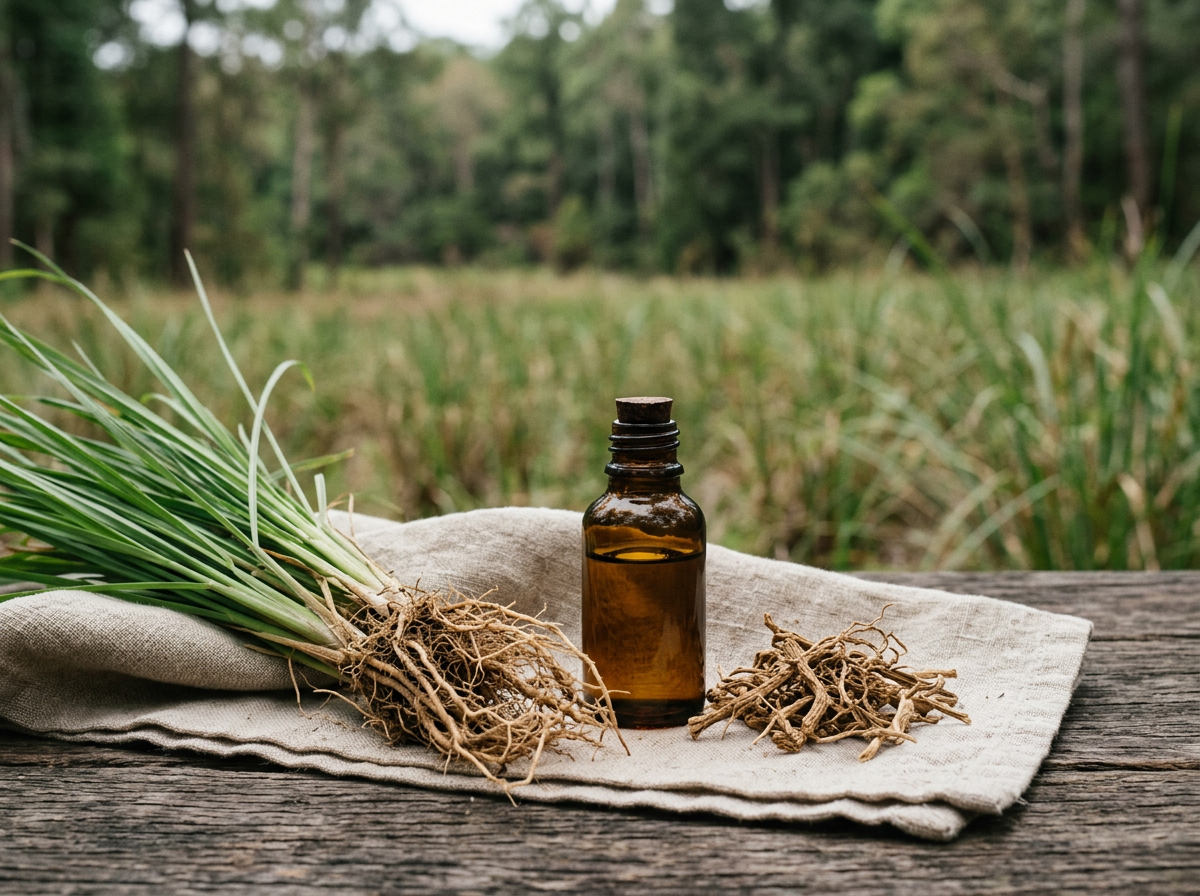
While many people enjoy vetiver oil without issue, understanding potential reactions supports informed use. Individual responses vary based on personal sensitivity, application method, and dilution strength.
Skin-Related Responses
Some individuals may experience skin sensitivities, particularly when using undiluted oil or concentrations above recommended ratios. Common reactions people report include:
- Mild redness or irritation at application site
- Tingling or warming sensations
- Itching or contact sensitivity
- Photosensitivity (though less common with vetiver than citrus oils)
Respiratory Considerations
Vetiver's intense, earthy aroma may feel overwhelming to some, particularly in poorly ventilated spaces or when diffusing at high concentrations. People occasionally report:
- Headaches from overpowering scent
- Respiratory discomfort in sensitive individuals
- Nausea from concentrated exposure
Systemic Responses
Though rare, some people experience broader responses to vetiver oil use, which may include:
- Drowsiness or excessive relaxation
- Mood changes or emotional sensitivity
- Digestive upset if accidentally ingested
Important: If you experience any concerning reactions, discontinue use immediately and consult with a healthcare provider if symptoms persist.
Who Should Exercise Extra Caution
Certain individuals may need modified approaches or should avoid vetiver oil entirely. These considerations support safe use across diverse populations and health conditions.
Pregnancy and Breastfeeding
Limited research exists regarding vetiver oil safety during pregnancy and breastfeeding. Many aromatherapy practitioners suggest avoiding essential oils during the first trimester and using extreme caution throughout pregnancy. The concentrated nature of essential oils means they can cross the placental barrier and may appear in breast milk.
Pregnant or breastfeeding individuals should always consult with qualified healthcare providers before incorporating vetiver oil into their routines.
Children and Infants
Children's developing systems process essential oils differently than adults. General safety guidelines suggest:
- Infants under 6 months: Avoid direct application entirely
- 6 months to 2 years: Extreme dilution only (0.25% or less) with professional guidance
- 2-6 years: Maximum 1% dilution with careful monitoring
- 6+ years: Gradually approach adult dilution ratios
Always supervise children around essential oils and store bottles securely out of reach.
Individuals with Specific Health Conditions
Certain health conditions may require modified approaches to vetiver oil use:
- Sensitive skin conditions: Eczema, dermatitis, or other inflammatory skin conditions
- Respiratory conditions: Asthma, COPD, or chronic respiratory sensitivities
- Medication interactions: Those taking sedatives or blood pressure medications
- Liver conditions: As essential oils are processed through the liver
- Hormone-sensitive conditions: Though vetiver shows minimal hormonal activity
Anyone with ongoing health conditions should consult healthcare providers before beginning essential oil use.
Safe Application Methods

Understanding various application methods helps maximize safety while enjoying vetiver's grounding presence. Each method requires specific precautions and dilution considerations.
Topical Application
Always perform patch testing before widespread topical use:
- Dilute vetiver oil according to intended use concentration
- Apply small amount to inside of wrist or elbow
- Cover with bandage and wait 24-48 hours
- Check for any redness, itching, or irritation
- Proceed with caution if no reaction occurs
Aromatherapy and Diffusion
When diffusing vetiver oil, consider these safety practices:
- Start with 1-2 drops in diffuser, increasing gradually if desired
- Limit diffusion sessions to 30-60 minutes with breaks
- Ensure adequate ventilation in diffusion space
- Be mindful of pets and other household members
- Clean diffuser regularly to prevent oil buildup
Bath and Body Care Integration
Adding vetiver to bath routines requires pre-dilution in carrier oil or appropriate dispersant, as essential oils don't naturally mix with water. This prevents concentrated oil from coming into direct contact with sensitive skin areas.
Storage and Handling Best Practices
Proper storage maintains vetiver oil quality while supporting household safety. These practices preserve the oil's integrity and minimize risks:
- Dark glass bottles: Protect from light degradation
- Cool, dry location: Away from heat sources and humidity
- Tight caps: Prevent oxidation and maintain potency
- Child-proof storage: High shelves or locked cabinets
- Clear labeling: Include dilution ratios and dates
- Separate from food: Avoid kitchen storage to prevent accidents
Recognizing Quality and Purity
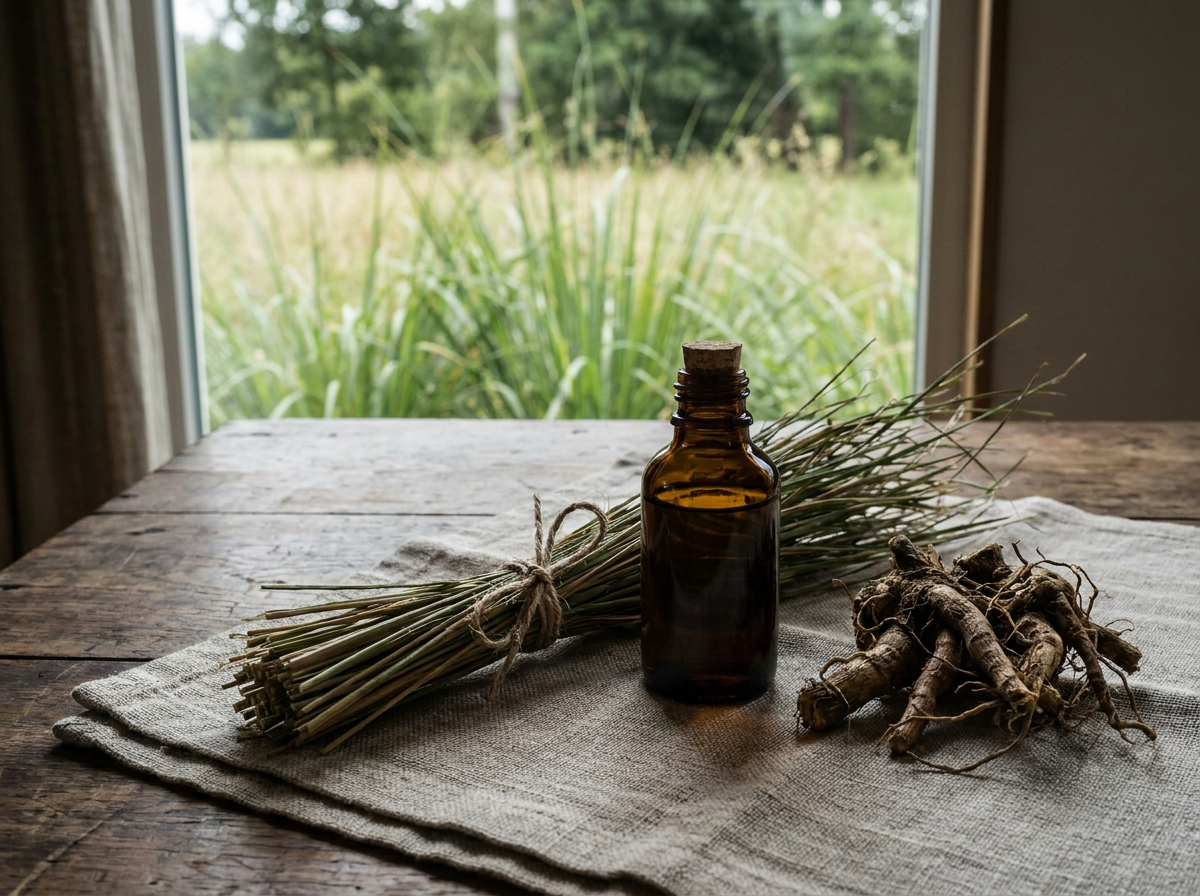
High-quality vetiver oil supports safer use through purity and proper processing. When selecting vetiver oil, look for:
- Clear sourcing information and country of origin
- Botanical name (Chrysopogon zizanioides) clearly listed
- Extraction method (typically steam distillation)
- Third-party testing for purity and adulterants
- Appropriate packaging in dark glass
- Reasonable pricing reflecting quality sourcing
Creating Your Safety Protocol
Developing personal safety practices supports confident, mindful vetiver oil use. Consider establishing these routines:
Before Each Use
- Check dilution ratios for intended application
- Assess current health status and any medications
- Ensure adequate ventilation if diffusing
- Have carrier oil available for emergency dilution
During Application
- Start with lower concentrations, increasing gradually
- Pay attention to body's responses
- Avoid eyes, inner ears, and mucous membranes
- Use clean application tools to prevent contamination
After Use
- Store oils properly immediately after use
- Wash hands thoroughly if handling undiluted oil
- Note any reactions or responses for future reference
- Clean diffusers and application tools
When to Seek Professional Guidance
Certain situations warrant professional consultation to ensure safe, appropriate use:
- Ongoing health conditions or medication use
- Pregnancy, breastfeeding, or fertility considerations
- Previous allergic reactions to plants or essential oils
- Desire to use oils with children or elderly individuals
- Questions about interactions with medical treatments
Qualified aromatherapists, naturopathic doctors, or healthcare providers familiar with essential oils can provide personalized guidance based on individual circumstances.
Embracing Mindful Practice
Vetiver oil safety extends beyond technical guidelines into mindful relationship with plant medicine. This includes honoring the oil's potency, listening to our body's wisdom, and approaching use with respect and intentionality.
By understanding proper dilution, recognizing potential sensitivities, and knowing when extra caution is needed, we create space for vetiver oil to support our grounding practices safely and sustainably. This mindful approach honors both the ancient wisdom of this botanical ally and our modern understanding of safe aromatherapy practices.
Remember that individual responses vary, and what works beautifully for one person may require adjustment for another. Trust your intuition, start slowly, and always prioritize safety in your aromatic journey with vetiver's earthy embrace.