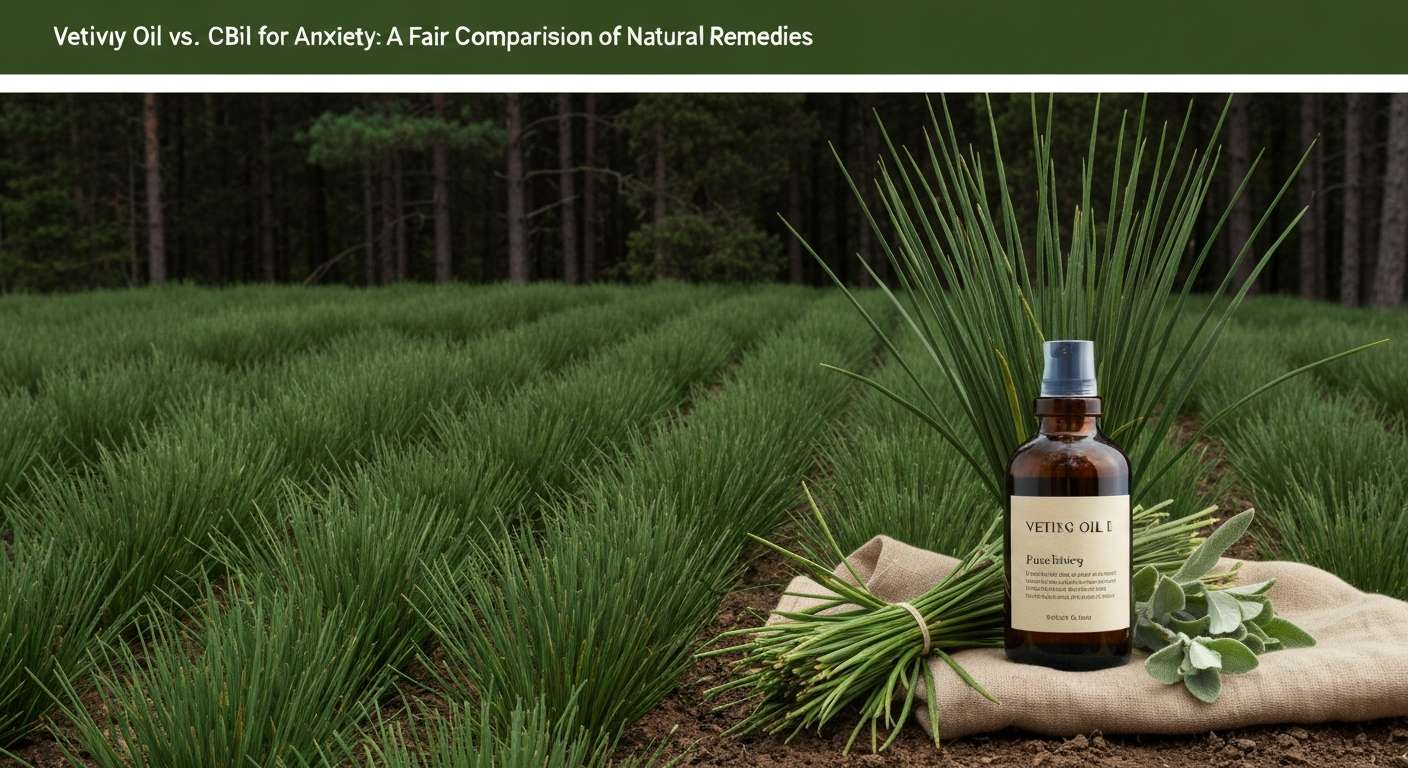
Vetiver Oil vs. CBD Oil for Anxiety: A Fair Comparison of Natural Remedies
In our fast-paced world, many people are turning to plant-based approaches for finding moments of calm and grounding. Two natural options that have garnered attention are vetiver essential oil and CBD oil. While both come from the earth and are traditionally associated with promoting relaxation, they offer distinctly different experiences and considerations.
This mindful comparison explores both options through a lens of balance and understanding, helping you make an informed choice that aligns with your personal wellness journey.
Understanding Vetiver Oil: The Tranquil Root
Vetiver essential oil, distilled from the roots of Chrysopogon zizanioides, carries centuries of traditional use in aromatherapy and mindfulness practices. This deeply grounding oil embodies the essence of earth connection, with its rich, woody aroma that some describe as nature's meditation in a bottle.
Traditionally used in various cultures for promoting a sense of calm and centeredness, vetiver oil may support those seeking natural ways to cultivate inner stillness. Some research suggests that vetiver's complex chemical composition, including compounds like vetiverol and khusimol, may contribute to its calming reputation.
The oil works primarily through aromatherapy—its molecules interact with our olfactory system, potentially influencing emotional responses and promoting a grounded state of being. People often report feeling more anchored and present when incorporating vetiver into their daily rituals.
Exploring CBD Oil: The Hemp-Derived Option
CBD (cannabidiol) oil represents a different approach to natural wellness support. Extracted from hemp plants, CBD has gained significant attention in recent years for its potential role in promoting relaxation and general wellbeing.
Unlike THC, CBD does not produce psychoactive effects. Instead, some research suggests it may interact with the body's endocannabinoid system—a complex network that plays a role in maintaining balance. People report various experiences with CBD, from subtle changes in their sense of calm to more noticeable shifts in their daily comfort levels.
CBD oil is typically consumed orally, applied topically, or sometimes inhaled, offering multiple pathways for incorporation into one's wellness routine.
Side-by-Side Comparison: Key Attributes
| Attribute | Vetiver Oil | CBD Oil |
|---|---|---|
| Source | Vetiver grass roots (Chrysopogon zizanioides) | Hemp plant (Cannabis sativa) |
| Primary Method of Use | Aromatherapy (diffusion, topical with dilution) | Oral consumption, topical application |
| Onset Time | Immediate (through scent) | 15-45 minutes (varies by consumption method) |
| Duration | Several hours in ambient environment | 2-6 hours (varies by individual and dosage) |
| Legal Status | Widely legal as essential oil | Legal in most areas (under 0.3% THC), check local laws |
| Research Level | Traditional use, emerging scientific studies | Growing body of research, FDA-approved medication exists |
| Cost Range | $15-40 for 10ml (varies by quality) | $20-80+ for 1000mg (wide range) |
| Safety Considerations | Generally well-tolerated, dilution required for topical use | Generally well-tolerated, potential medication interactions |
Vetiver Oil: Pros and Considerations
Potential Benefits
- Immediate accessibility: The grounding aroma works instantly through inhalation
- Versatile application: Can be diffused, applied topically (diluted), or added to bath rituals
- Long tradition of use: Centuries of traditional application in various cultures
- No systemic processing: Works through olfactory pathways without internal metabolism
- Ritual enhancement: Naturally integrates into meditation and mindfulness practices
- Sustainable sourcing: Vetiver cultivation can support soil conservation efforts
Considerations
- Scent sensitivity: The earthy, intense aroma may not appeal to everyone
- Limited research: While traditional use is extensive, scientific studies are still emerging
- Quality variation: Essential oil quality can vary significantly between suppliers
- Topical dilution required: Must be properly diluted for safe skin application
CBD Oil: Pros and Considerations
Potential Benefits
- Growing research base: Increasing scientific studies exploring various applications
- Multiple consumption methods: Oils, capsules, topicals, and other formats available
- Dose control: Precise dosing possible with measured products
- Longer duration: Effects may last several hours when consumed orally
- Systemic approach: May work through the endocannabinoid system
- Widespread availability: Increasingly available through various retailers
Considerations
- Regulatory complexity: Legal status can vary by location and product type
- Potential interactions: May interact with certain medications
- Quality concerns: Market includes both high-quality and questionable products
- Cost factor: High-quality CBD products can be expensive for daily use
- Individual variation: Effects can vary significantly between individuals
- Processing required: Body must metabolize the compound
Best Use Cases: Finding Your Match
Vetiver Oil May Be Better Suited For:
- Meditation practitioners: Those seeking to deepen mindfulness practices through grounding scents
- Aromatherapy enthusiasts: People who appreciate and respond well to natural fragrances
- Evening rituals: Creating calming bedtime routines through ambient scenting
- Workspace calming: Subtle diffusion in office or study environments
- Sensitive individuals: Those preferring external application over internal consumption
- Budget-conscious users: A small bottle can last months with proper use
CBD Oil May Be Better Suited For:
- Systematic approach seekers: Those preferring internally consumed wellness products
- Precise dosing needs: People who want measurable, consistent amounts
- Extended support: Individuals seeking longer-duration effects
- Research-oriented users: Those who prefer products with more extensive scientific study
- Scent-sensitive individuals: People who cannot tolerate strong aromatherapy scents
- Daytime use: Those needing calm support without strong fragrances in professional settings
Safety and Quality Considerations
Both vetiver and CBD oils require attention to quality and proper use. For vetiver oil, following safety guidelines includes proper dilution for topical use (typically 1-2% for general use) and patch testing before first application.
With CBD oil, considerations include:
- Third-party lab testing for purity and potency
- Understanding your local legal requirements
- Consulting healthcare providers if taking medications
- Starting with lower amounts and gradually adjusting
- Choosing reputable manufacturers with transparent practices
For both options, pregnant or nursing individuals should consult healthcare providers before use.
The Cost Factor: Long-term Value
When considering long-term use, vetiver oil often presents better value. A high-quality 10ml bottle, used sparingly in a diffuser or diluted for topical application, can last several months. The initial investment of $20-40 provides extended use when applied mindfully.
CBD oil costs vary dramatically based on concentration, quality, and brand. Daily use of quality CBD products can represent a significant ongoing expense, with monthly costs potentially ranging from $30-150 or more depending on desired potency and frequency of use.
Environmental and Sustainability Perspective
From an earth-conscious standpoint, vetiver cultivation offers unique environmental benefits. The deep root system helps prevent soil erosion and can contribute to land restoration efforts. Sustainable vetiver farming supports both environmental health and local communities.
Hemp cultivation for CBD also offers environmental advantages, including soil improvement and carbon sequestration. However, the processing required to create CBD extracts typically involves more industrial steps than simple steam distillation used for vetiver essential oil.
Making Your Choice: A Mindful Approach
The choice between vetiver oil and CBD oil ultimately depends on your personal preferences, lifestyle, and wellness goals. Consider these reflection questions:
- Do you prefer immediate, scent-based experiences or longer-lasting internal effects?
- Are you comfortable with aromatherapy, or do you prefer measured doses?
- Does your lifestyle accommodate diffusing oils, or do you need portable, discrete options?
- What is your comfort level with the regulatory aspects of each option?
- How important is long-term cost efficiency in your decision?
The Verdict: Both Have Their Place
Rather than declaring one option superior, this comparison reveals that vetiver oil and CBD oil serve different needs within the natural wellness landscape. Vetiver oil excels for those seeking immediate, grounding aromatherapy experiences that connect them to the earth's calming energy. Its traditional use, environmental benefits, and cost-effectiveness make it an excellent choice for mindfulness practices and creating peaceful environments.
CBD oil may better suit individuals preferring systemic approaches with measurable dosing and longer duration effects. Its growing research base and multiple consumption methods offer flexibility for various lifestyles and preferences.
Some people find value in incorporating both into their wellness routines—using vetiver oil for meditation and evening rituals while utilizing CBD oil for daily systematic support. This integrated approach honors both the ancient wisdom of aromatherapy and modern innovations in plant-based wellness.
Whatever path you choose, approach it mindfully. Start slowly, observe your body's responses, and remember that natural wellness is a journey of discovery rather than a destination. Consult with qualified healthcare providers, especially if you have existing health conditions or take medications.
In the end, both vetiver oil and CBD oil represent humanity's enduring relationship with plant allies—each offering their own unique gifts for those seeking natural paths to greater calm and centeredness in daily life.