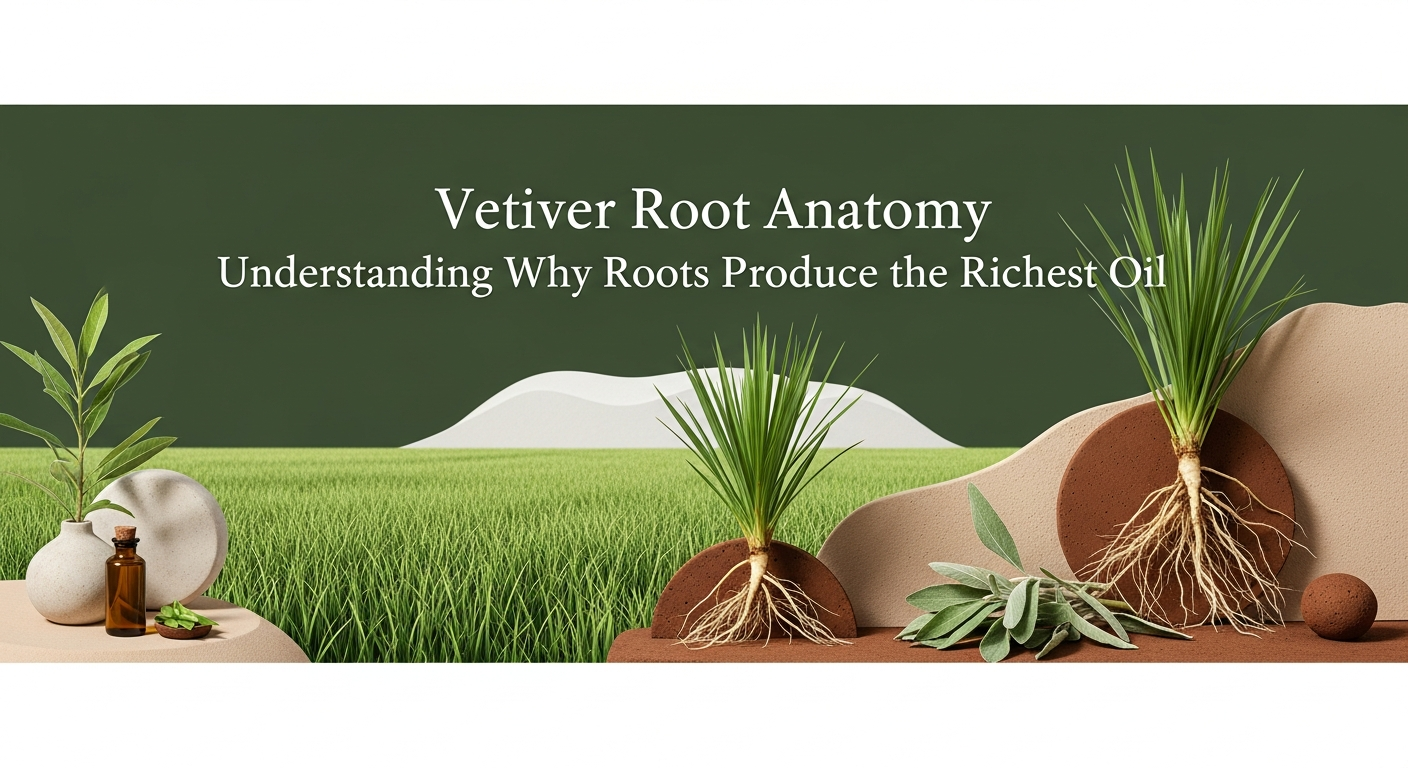
Vetiver Root Anatomy: Understanding Why Roots Produce the Richest Oil
In the quiet depths of tropical soils, vetiver roots weave an intricate tapestry of aromatic complexity. These remarkable underground structures, extending up to four meters deep, hold within their fibrous walls one of nature's most prized essential oils. Understanding the anatomy of vetiver roots reveals why these earthbound foundations produce such extraordinarily rich and grounding fragrances.
The Architecture of Aromatic Abundance
Vetiver (Chrysopogon zizanioides) roots represent a masterclass in botanical efficiency. Unlike many essential oil-producing plants that store aromatic compounds in leaves or flowers, vetiver concentrates its olfactory treasures within its extensive root network. This underground focus creates a unique relationship between the plant's structural anatomy and its oil-producing capacity.
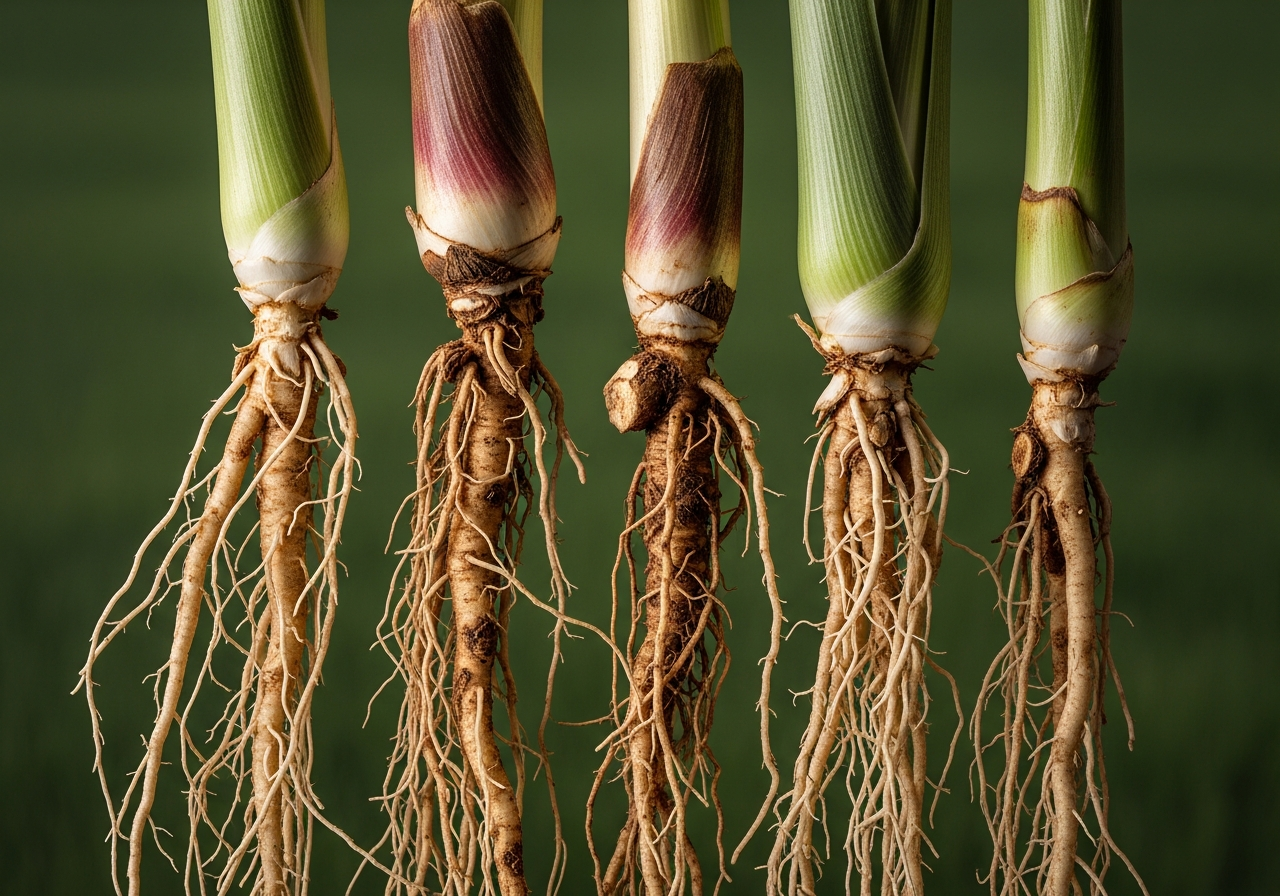
The vetiver root system consists of multiple distinct zones, each contributing to the overall oil production. The primary root structure divides into thick, fleshy storage roots and finer, more numerous fibrous roots. Research observations suggest that oil concentration varies significantly between these different root types, with some studies indicating that older, more mature root sections may contain higher concentrations of certain aromatic compounds.
Root Zone Distribution
The vetiver root system extends both vertically and horizontally, creating a complex three-dimensional network. The upper root zone, typically within the first 30 centimeters of soil, contains younger roots with different chemical profiles compared to the deeper, more established root structures. Some research suggests that environmental factors such as soil composition, moisture levels, and seasonal variations may influence which root zones develop the highest oil concentrations.
Cellular Structures and Oil Storage
Within the microscopic architecture of vetiver roots lie specialized structures that house the plant's aromatic compounds. The root anatomy includes several key cellular components that contribute to oil production and storage.
Oil Cells and Secretory Structures
Vetiver roots contain specialized oil cells scattered throughout their tissue structure. These cells, known as idioblasts, serve as microscopic reservoirs for essential oil compounds. Research observations indicate that these oil-storing cells are most concentrated in specific regions of the root, particularly in the cortex and pericycle layers.
The distribution of these secretory structures appears to follow patterns related to root age and environmental conditions. Some studies suggest that roots exposed to certain stress conditions may develop increased numbers of oil-producing cells, though the mechanisms behind this response remain subjects of ongoing botanical research.
Vascular System Integration
The vetiver root's vascular system plays a crucial role in transporting precursor compounds to oil-producing regions. The xylem and phloem networks that run throughout the root structure help deliver nutrients and chemical building blocks to the sites where essential oil synthesis occurs. This integration between structural support and chemical production represents one of the remarkable aspects of vetiver root anatomy.
| Root Component | Oil Storage Capacity | Key Characteristics |
|---|---|---|
| Primary Roots | Moderate to High | Thick, mature structure with developed oil cells |
| Secondary Roots | High | Active growth zones with concentrated oil production |
| Fibrous Roots | Variable | Fine structure with scattered oil-containing cells |
| Root Tips | Low to Moderate | Young tissue with developing oil storage capacity |
Chemical Composition and Key Compounds
The aromatic complexity of vetiver oil stems from the diverse array of chemical compounds synthesized and stored within the root structure. Research has identified over 150 different chemical constituents in vetiver essential oil, creating one of the most complex aromatic profiles found in nature.
Primary Chemical Families
Vetiver root oil contains several major chemical families, each contributing unique characteristics to the overall aromatic profile. The predominant compounds include sesquiterpenes, sesquiterpene alcohols, and various carbonylic compounds. Research observations suggest that the concentration and ratio of these compounds can vary based on factors such as root age, harvesting timing, and processing methods.
Key compounds identified in vetiver root oil include:
- Vetiverol: A primary sesquiterpene alcohol that contributes to the oil's characteristic woody, earthy aroma
- Khusimol: Another significant sesquiterpene alcohol with grounding olfactory properties
- α-Vetivone and β-Vetivone: Ketone compounds that add complexity to the scent profile
- Vetivenic Acid: A carboxylic acid compound that may contribute to the oil's stability
- Zizanoic Acid: Another acid compound with potential aromatic significance
Biosynthetic Pathways
The production of these complex compounds occurs through intricate biosynthetic pathways within the root cells. Research suggests that vetiver roots possess highly active enzymatic systems capable of converting simple precursor molecules into the sophisticated aromatic compounds that define vetiver oil. These pathways appear to be influenced by environmental factors, seasonal changes, and the plant's overall health status.
Some studies indicate that the mevalonate pathway plays a significant role in vetiver's sesquiterpene biosynthesis, though the complete enzymatic cascade remains an active area of botanical research. The root anatomy provides the cellular infrastructure necessary to support these complex chemical transformations.
Factors Influencing Oil Production
The relationship between vetiver root anatomy and oil production involves numerous interconnected factors that influence both the quantity and quality of essential oil produced. Understanding these factors provides insight into why some vetiver roots yield richer, more complex oils than others.
Age and Maturity
Root age appears to play a crucial role in oil production capacity. Research observations suggest that vetiver roots typically require 12-18 months of growth to develop optimal oil-producing structures. During this maturation period, the root anatomy undergoes significant changes, including the development of specialized oil cells and the refinement of biosynthetic pathways.
Some studies indicate that roots harvested at different ages may yield oils with varying chemical profiles. Younger roots might produce oils with different sesquiterpene ratios compared to more mature root systems, though optimal harvesting timing can vary based on growing conditions and intended oil applications.
Environmental Influences
The environment in which vetiver grows significantly impacts root anatomy and subsequent oil production. Soil composition, drainage patterns, temperature fluctuations, and precipitation levels all contribute to how the root structure develops and functions.
Research suggests that vetiver roots grown in well-draining, slightly acidic soils may develop more extensive oil-storing cellular structures. (See: NIH — Vetiver Research.) Seasonal stress, such as periods of controlled water limitation, might stimulate increased oil production as the plant adapts to environmental challenges.
Regional Variations and Quality Indicators
Vetiver cultivation spans multiple geographic regions, each producing roots with subtle anatomical and chemical differences. These regional variations contribute to the diverse range of vetiver oil grades available in the market.
Geographic Influences on Root Structure
Different growing regions produce vetiver roots with distinct anatomical characteristics. Haitian vetiver, renowned for its exceptional oil quality, develops under specific climatic and soil conditions that appear to promote particular root structures. Indian vetiver, grown in different environmental conditions, may exhibit variations in root density and oil cell distribution.
Research observations suggest that altitude, soil mineral content, and regional rainfall patterns may influence how vetiver roots develop their oil-producing structures. These environmental factors interact with the plant's genetic makeup to create region-specific anatomical variations.
Quality Assessment Through Root Anatomy
Understanding vetiver root anatomy provides valuable insights for assessing potential oil quality before extraction processes begin. Several anatomical indicators may suggest superior oil-producing potential:
- Root color and texture consistency
- Density and distribution of fibrous root networks
- Presence of healthy, intact cellular structures
- Absence of fungal or bacterial damage
- Appropriate moisture content levels
Research Findings and Scientific Observations
Contemporary research continues to unveil new insights about vetiver root anatomy and its relationship to oil production. Some recent studies have explored the molecular mechanisms behind oil synthesis and storage within root structures.
Microscopic Analysis Results
Advanced microscopic techniques have revealed previously unknown details about vetiver root cellular organization. Some research suggests that oil-producing cells may be distributed in patterns that correlate with the root's vascular architecture, potentially optimizing the transport of precursor compounds to synthesis sites.
Electron microscopy observations have identified specialized organelles within oil-producing cells that may play crucial roles in compound synthesis and storage. These findings contribute to a growing understanding of how root anatomy supports the complex chemistry of vetiver oil production.
Metabolomic Studies
Recent metabolomic research has examined how different anatomical regions of vetiver roots contribute to overall oil composition. Some studies suggest that various root zones may specialize in producing different classes of compounds, creating a collaborative system that generates the oil's complex aromatic profile.
These research observations indicate that the relationship between anatomy and chemistry in vetiver roots may be more sophisticated than previously understood, with potential implications for cultivation practices and quality optimization.
Safety Profile and Considerations
While vetiver root anatomy research focuses primarily on understanding oil production mechanisms, it's important to consider safety aspects related to vetiver oil use. The complex chemical composition derived from the root structure includes compounds that may cause sensitivities in some individuals.
Potential Sensitivities
The concentrated nature of compounds found in vetiver roots means that the resulting essential oil should be used with appropriate caution. Some people may experience skin sensitivity to certain sesquiterpenes or other compounds naturally present in the oil.
Always perform patch testing before topical use, and consult with qualified healthcare providers regarding any concerns about essential oil use. Pregnant or nursing individuals should seek professional guidance before using vetiver products.
Quality and Purity Considerations
Understanding root anatomy helps in identifying high-quality vetiver oil sources. Oils derived from properly harvested, healthy root systems are more likely to provide consistent aromatic experiences and maintain stability over time.
Look for suppliers who provide information about their sourcing practices, root quality standards, and extraction methods. Reputable producers often share details about the anatomical characteristics of their vetiver roots and how these factors contribute to oil quality.
The Future of Vetiver Root Research
As our understanding of vetiver root anatomy continues to evolve, new possibilities emerge for optimizing cultivation, harvesting, and processing practices. Research into the cellular mechanisms of oil production may lead to improved methods for enhancing oil quality and yield.
The intricate relationship between root structure and aromatic compounds represents just one aspect of vetiver's remarkable adaptation to its environment. This underground symphony of chemistry and anatomy continues to inspire both scientific investigation and mindful appreciation for nature's complexity.
The journey from soil to scent begins with these remarkable roots, where anatomy and chemistry converge to create one of nature's most grounding and complex essential oils. In understanding this foundation, we develop deeper appreciation for the quiet miracles that occur beneath our feet, where vetiver roots transform simple nutrients into aromatic treasures.