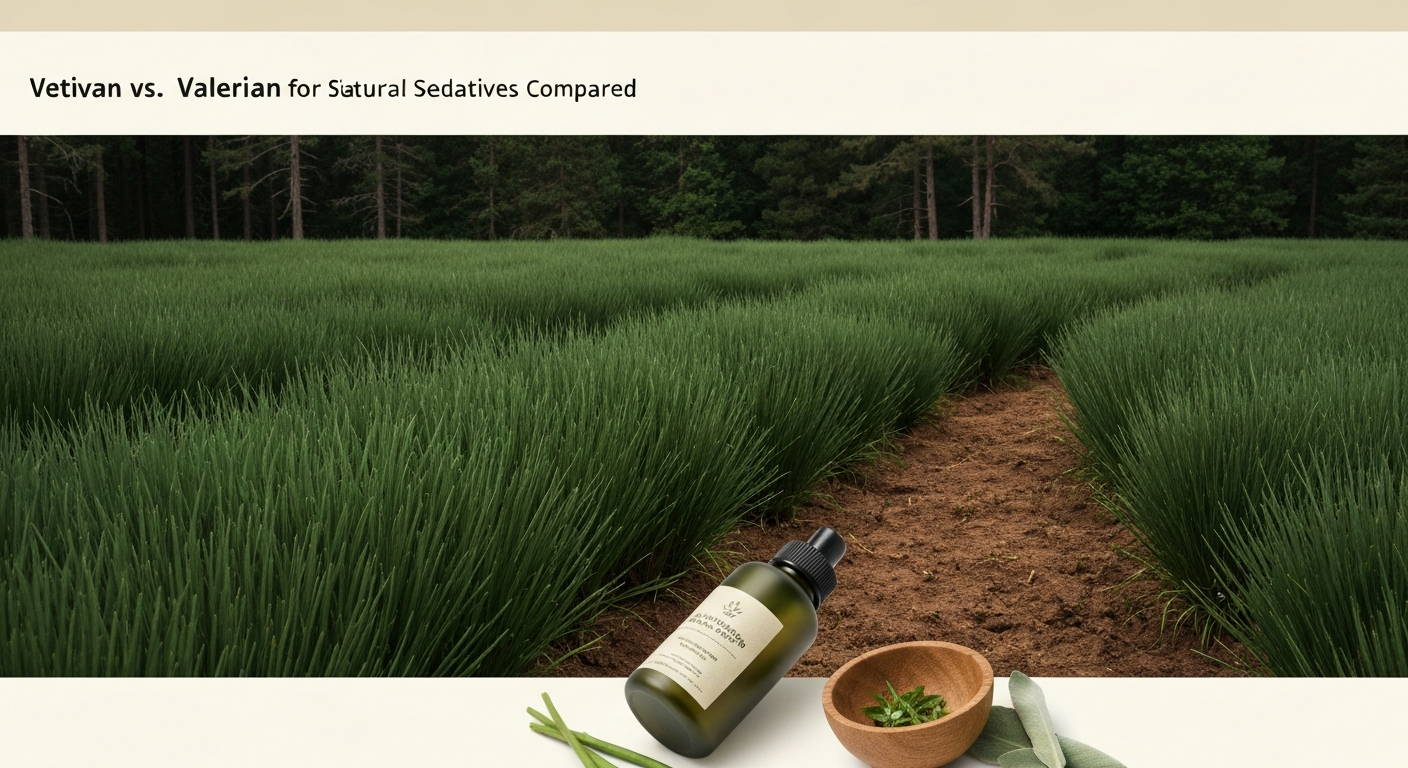
Vetiver vs. Valerian for Sleep: Natural Sedatives Compared
When seeking natural support for restful nights, two botanical allies often emerge as popular choices: vetiver and valerian. Both have been traditionally used across cultures for their calming properties, yet they offer distinctly different experiences and applications. Understanding their unique characteristics may help you discover which plant ally aligns better with your personal wellness journey.
In this gentle exploration, we'll examine these two natural options through the lens of mindful awareness, considering their origins, traditional uses, and the experiences people commonly report. Rather than viewing this as a competition, we invite you to see it as an opportunity to deepen your understanding of nature's diverse offerings for peaceful evenings.
Understanding the Origins: Earth's Grounding Gifts
Vetiver, known scientifically as Vetiveria zizanioides, emerges from the earth as a tall, resilient grass. Its essential oil is distilled from the deep, complex root system that can extend six feet into the soil. This grounding connection to the earth may contribute to vetiver's reputation for promoting a sense of centeredness and calm awareness.
Valerian, or Valeriana officinalis, presents itself as a flowering perennial herb with delicate pink or white blooms. However, it's the root that has been treasured throughout history. Unlike vetiver's essential oil extraction, valerian is most commonly encountered as dried root preparations, tinctures, or supplements, though essential oil can also be obtained through distillation.
The fundamental difference in how these plants connect with the earth—vetiver through its extensive root network and valerian through its concentrated root medicine—may offer insights into their distinct energetic signatures.
Traditional Wisdom: Ancient Practices and Modern Understanding
Vetiver has been woven into traditional practices across tropical and subtropical regions for centuries. In Ayurvedic tradition, it's been valued for its cooling and grounding qualities. People have traditionally used vetiver in various forms to create peaceful environments and support relaxation practices.
Valerian's story stretches back to ancient Greece and Rome, where it was traditionally used to promote calmness and support natural sleep patterns. European folk traditions have long embraced valerian as a gentle evening companion, and this wisdom has been passed down through generations of herbalists.
Some research suggests that both plants contain compounds that may interact with the body's natural relaxation processes, though the mechanisms appear to be different. Vetiver contains sesquiterpenes that some studies indicate may support the nervous system's natural balance, while valerian contains compounds like valerenic acid that researchers believe may influence neurotransmitter activity.
Sensory Experience: Scent, Application, and Atmosphere
Vetiver's Earthy Embrace
Vetiver essential oil offers a complex, deeply grounding aromatic experience. Its scent profile is often described as woody, earthy, and slightly smoky, with subtle sweet undertones that reveal themselves over time. This sophisticated fragrance tends to deepen and evolve, creating what many describe as a meditative atmosphere.
The oil blends beautifully in diffuser applications, creating ambient support for evening routines. Many people report that vetiver's scent helps them feel more connected to the present moment, potentially supporting the transition from day's activities to night's rest.
Valerian's Distinctive Character
Valerian presents a more challenging aromatic profile. Its scent is often described as musty, earthy, and quite pungent—sometimes compared to aged cheese or wet earth. While this may not appeal to everyone's sensory preferences, those drawn to valerian often find its distinctive aroma becomes associated with comfort and relaxation over time.
Valerian is less commonly used in diffusers due to its strong scent, with many people preferring encapsulated forms or very diluted topical preparations when working with this plant ally.
Practical Applications: How Each May Support Your Evening Ritual
| Aspect | Vetiver | Valerian |
|---|---|---|
| Primary Form | Essential oil | Dried root, supplements, tincture, essential oil |
| Aromatic Appeal | Generally pleasant, complex | Strong, acquired taste |
| Diffusion Suitability | Excellent for aromatherapy | Limited due to strong scent |
| Topical Use | Popular in diluted blends | Less common, requires careful dilution |
| Onset of Effects | Gentle, gradual | May be more noticeable |
| Traditional Use Duration | Centuries in Ayurveda | Millennia in European herbalism |
Pros and Cons: A Balanced Perspective
Vetiver Advantages
- Sensory Pleasant: Most people find vetiver's aroma appealing and sophisticated
- Versatile Application: Works well in diffusers, roller blends, and bath preparations
- Gentle Nature: Tends to provide subtle, grounding support without overwhelming effects
- Blending Friendly: Combines beautifully with other essential oils like lavender or bergamot
- Long-lasting: Vetiver's base note qualities mean its aroma lingers pleasantly
Vetiver Considerations
- Subtlety: Some may prefer more noticeable effects
- Cost: Quality vetiver essential oil can be more expensive than some alternatives
- Individual Response: Effects may vary significantly between individuals
Valerian Advantages
- Research Support: Some studies suggest valerian may support natural sleep patterns
- Multiple Forms: Available as supplements, teas, tinctures, and oils
- Traditional Track Record: Extensive historical use in European herbalism
- Potentially Noticeable: Many people report more obvious effects compared to gentler options
Valerian Considerations
- Aromatic Challenge: Strong, distinctive scent may not appeal to everyone
- Individual Variation: Some people report opposite effects (increased alertness)
- Quality Concerns: Supplement quality can vary significantly between brands
- Potential Interactions: May interact with medications or other supplements
Best Use Cases: Finding Your Perfect Match
Vetiver May Be Ideal For:
- Aromatherapy Enthusiasts: Those who enjoy creating peaceful environments through scent
- Meditation Practitioners: People seeking to deepen their evening mindfulness practices
- Sensitive Individuals: Those who prefer gentle, subtle support over stronger interventions
- Blending Enthusiasts: People who like to create custom aromatherapy blends
- Topical Application Fans: Those interested in diluted oil applications for evening routines
Valerian May Be Preferred By:
- Supplement Users: Those comfortable with herbal supplements or tinctures
- Traditional Herbalism Followers: People drawn to well-researched herbal approaches
- Direct Approach Seekers: Those who prefer potentially more noticeable effects
- Tea Drinkers: People who enjoy evening herbal tea rituals
- Non-Scent Sensitive: Individuals unbothered by strong, distinctive aromas
Safety Considerations and Mindful Use
Both vetiver and valerian require mindful attention to safety considerations. With vetiver essential oil, proper dilution is essential—typically 1-2% in carrier oils for topical use. Always perform patch tests before applying new preparations to larger skin areas.
Valerian, particularly in supplement form, may interact with medications or other herbs. It's important to consult with qualified healthcare providers, especially if you're pregnant, nursing, or taking any medications. Some people report morning drowsiness after valerian use, so starting with smaller amounts may be wise.
Neither option should replace proper sleep hygiene practices or medical treatment for sleep disorders. They're best viewed as supportive elements in a holistic approach to evening wellness.
The Verdict: Embracing Your Personal Path
Rather than declaring a universal winner, the choice between vetiver and valerian invites you to consider your personal preferences, lifestyle, and wellness goals. Vetiver offers an elegant, aromatic journey that may appeal to those seeking gentle, grounding support through the senses. Its versatility in aromatherapy applications and generally pleasant scent make it accessible to many people.
Valerian presents a more traditional herbal approach, with research suggesting potential benefits for those seeking natural sleep support. Its availability in various forms offers flexibility, though its distinctive aroma may limit aromatic applications for some users.
Consider starting with whichever option resonates more strongly with your intuition and current practices. Many people find that different plant allies serve them better at different times or in combination with other wellness practices.
The most important factor is creating sustainable evening rituals that support your overall well-being. Whether you choose vetiver's grounding embrace, valerian's traditional wisdom, or perhaps explore both at different times, the key lies in approaching your choice with mindfulness and respect for these ancient plant allies.
Remember to source your botanical allies from reputable suppliers who prioritize quality and sustainability. Your journey toward more restful evenings deserves the support of pure, ethically-sourced plant essences that honor both your wellness and the earth from which they emerge.