What Does Vetiver Smell Like? A Complete Scent Profile for Beginners
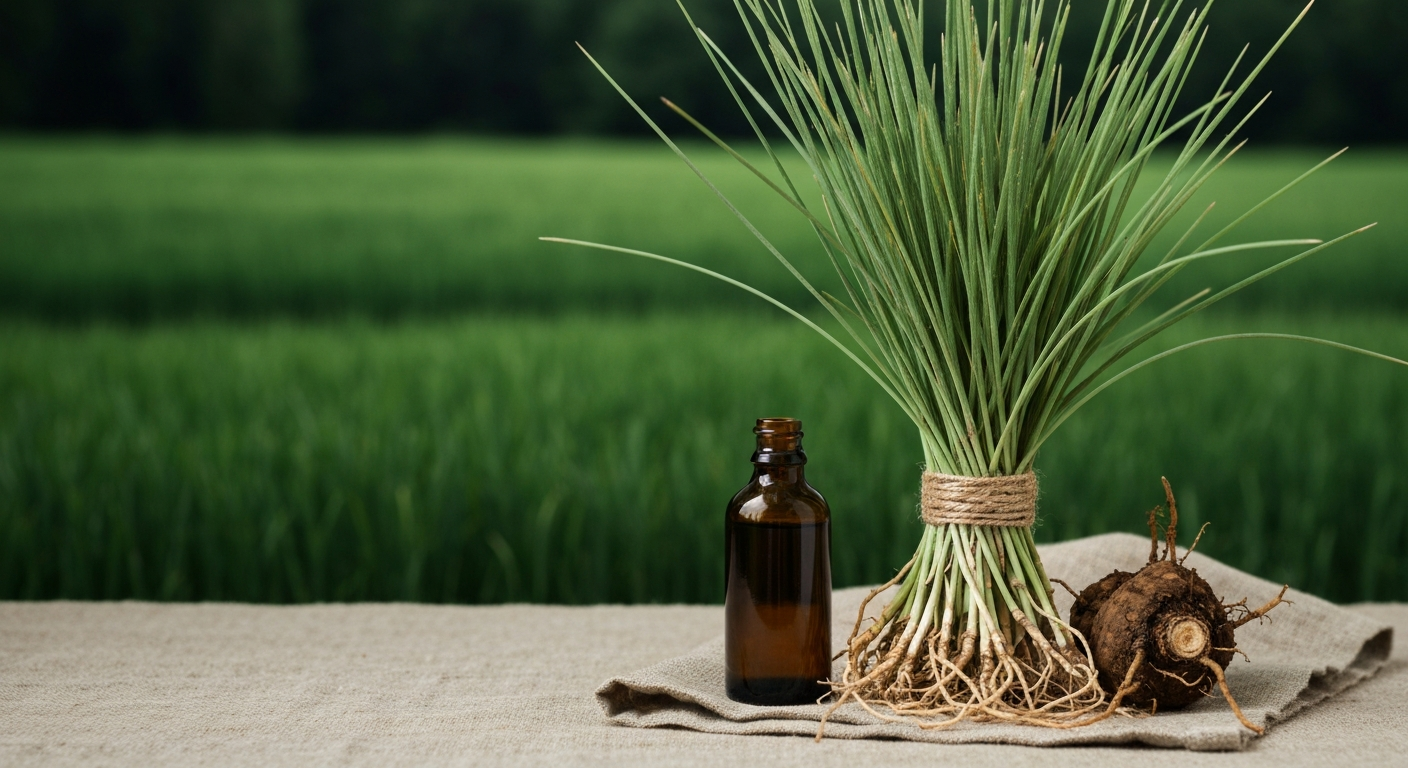
Standing in a field just after rain, surrounded by ancient grasses swaying in the breeze—this is where vetiver's story begins. If you've ever wondered what makes this revered essential oil so distinctive, you're about to embark on a sensory journey through one of nature's most complex and grounding fragrances.
Vetiver's scent defies simple description. It's an olfactory experience that unfolds in layers, revealing different facets as it settles on your skin or diffuses through your space. For beginners stepping into the world of this remarkable oil, understanding its fragrance profile is key to appreciating why vetiver has been treasured for centuries across cultures.
The Foundation: Vetiver's Core Scent Character
At its heart, vetiver embodies the essence of earth itself. The vetiver scent description begins with its most prominent characteristic: a deep, woody earthiness that feels both ancient and alive. Imagine the rich, loamy smell of fertile soil mixed with the green vitality of grass roots—this forms vetiver's unmistakable foundation.
Unlike lighter, more volatile essential oils that hit you immediately, vetiver reveals itself slowly. It's what perfumers call a "base note"—a fragrance that emerges gradually and lingers long after application. This quality makes vetiver particularly valued in both aromatherapy and perfumery for its staying power and depth.
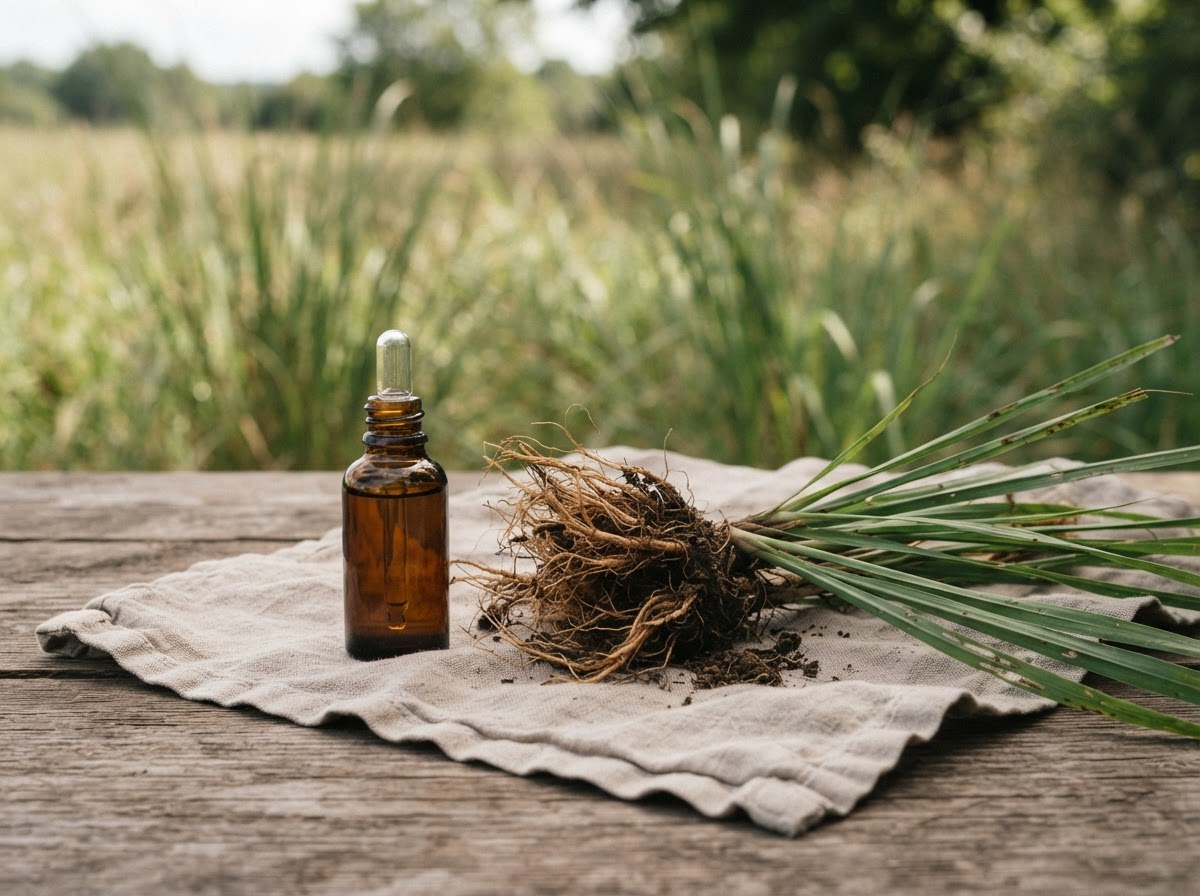
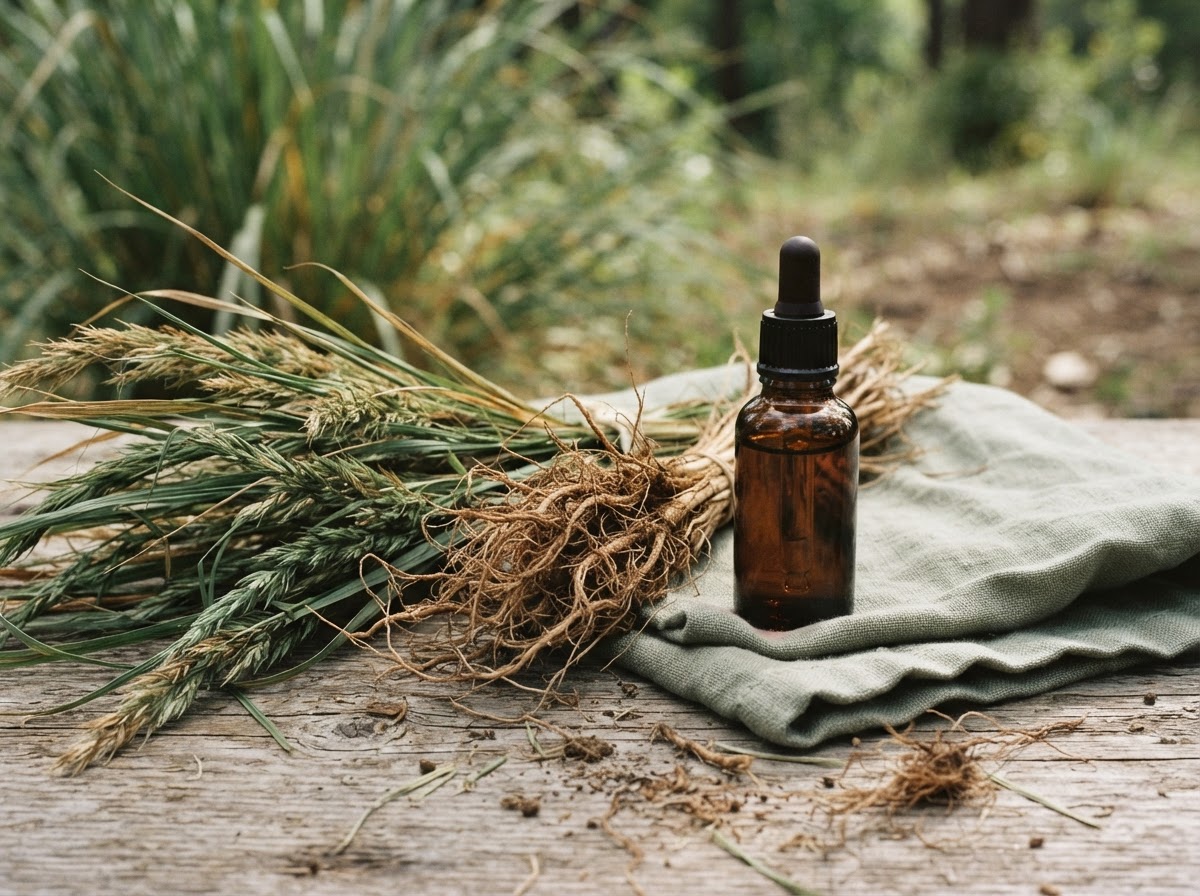
The oil's complexity stems from its source: the thick, fibrous roots of Vetiveria zizanioides, a perennial grass that can grow roots up to six feet deep. These roots, when steam-distilled, yield an oil that captures not just the plant's essence, but the very earth it grew in.
Breaking Down Vetiver's Fragrance Profile
Understanding what does vetiver smell like requires exploring its multi-layered scent journey. Like a fine wine or artisanal coffee, vetiver reveals different notes at different stages of your olfactory experience.
Top Notes: The Initial Impression
When you first encounter vetiver, you might notice:
- Green freshness: A subtle grass-like quality that hints at the plant's living origins
- Slight sharpness: A clean, almost medicinal edge that quickly softens
- Earthy brightness: Like morning dew on rich soil
These initial notes are fleeting, lasting only moments before vetiver's true character emerges.
Heart Notes: The Soul of Vetiver
As vetiver settles, its heart reveals itself with remarkable complexity:
- Smoky depth: A subtle smokiness reminiscent of smoldering wood or incense
- Nutty undertones: Hints of roasted nuts or toasted grains
- Dry woodiness: Similar to aged cedar or sandalwood, but earthier
- Mineral quality: Like wet stones or clay after rainfall
Base Notes: The Lasting Impression
Vetiver's base notes create its signature staying power:
- Rich earthiness: The dominant characteristic that can linger for hours
- Subtle sweetness: A gentle, almost vanilla-like warmth
- Grounding depth: An almost gravitational quality that feels centering
- Clean mustiness: Not unpleasant, but reminiscent of old libraries or antique wood
Regional Variations in Vetiver's Fragrance
The vetiver fragrance profile can vary significantly depending on where the grass is grown and how the oil is processed. This geographical influence creates distinct "terroirs" in vetiver, much like wine regions produce different flavor profiles.
Haitian Vetiver
Considered the gold standard by many aromatherapists and perfumers, Haitian vetiver tends to be:
- Exceptionally smooth and refined
- More pronounced in its smoky, woody qualities
- Less sharp than other varieties
- Naturally aged, creating deeper complexity
Indian Vetiver
Often more accessible and widely available, Indian vetiver typically offers:
- Stronger earthy, soil-like qualities
- More prominent green, grassy notes
- Slightly sharper initial impression
- Excellent value while maintaining quality
Indonesian and Sri Lankan Vetiver
These varieties often present:
- Lighter, more ethereal qualities
- Subtle floral undertones
- Less intense earthiness
- Faster evolution from top to base notes
How Vetiver Compares to Other Earthy Scents
For beginners trying to understand vetiver's unique position in the aromatic landscape, comparing it to familiar scents can be helpful:
| Essential Oil | Similarity to Vetiver | Key Differences |
|---|---|---|
| Sandalwood | Woody, grounding base notes | Sandalwood is creamier, sweeter; vetiver is earthier, more complex |
| Cedarwood | Dry, woody character | Cedar is sharper, more resinous; vetiver has smoky depth |
| Patchouli | Earthy, long-lasting | Patchouli is more herbaceous, darker; vetiver is cleaner, more refined |
| Frankincense | Smoky, spiritual quality | Frankincense is more resinous, citrusy; vetiver is purely earthy |
Factors That Influence Vetiver's Scent Perception
Understanding what does vetiver smell like also means recognizing that your perception can vary based on several factors:
Quality and Processing
High-quality, properly distilled vetiver will have a smoother, more complex profile than lower-grade oils. Look for oils that have been aged, as vetiver actually improves over time, developing deeper, more refined characteristics.
Dilution and Blending
Pure vetiver can be overwhelming for beginners. When diluted or blended with complementary oils, different facets of its personality emerge. Common blending partners that enhance vetiver's profile include:
- Bergamot (brightens the earthiness)
- Lavender (softens the intensity)
- Ylang-ylang (adds floral sweetness)
- Ginger (provides warming spice)
Individual Sensitivity
Personal body chemistry and scent sensitivity can dramatically affect how you perceive vetiver. Some people immediately connect with its grounding qualities, while others need time to appreciate its complexity.
The Evolution of Vetiver's Scent Over Time
One of vetiver's most fascinating characteristics is how its scent evolves, both in the bottle and when applied. Unlike many essential oils that remain relatively stable, vetiver actually improves with age.
Fresh Vetiver (0-6 months)
Newly distilled vetiver often displays:
- More prominent sharp, green notes
- Less integrated complexity
- Stronger initial intensity
Aged Vetiver (1+ years)
With time, vetiver develops:
- Smoother, more refined character
- Better integration of all scent components
- Deeper, more mysterious qualities
- Enhanced staying power
Common Misconceptions About Vetiver's Scent
As you explore vetiver, you might encounter some common misconceptions about its fragrance profile:
"Vetiver Smells Musty or Dirty"
While vetiver does have earthy, soil-like qualities, high-quality vetiver should never smell unpleasantly musty or dirty. This perception often comes from exposure to poor-quality or improperly stored oils.
"All Vetiver Smells the Same"
As we've explored, vetiver's scent can vary dramatically based on origin, processing, and age. Each variety offers its own unique interpretation of the classic vetiver theme.
"Vetiver is Too Strong to Use Alone"
While vetiver is indeed potent, when properly diluted, it can be beautifully used on its own. The key is understanding appropriate dilution ratios and starting with smaller amounts.
Developing Your Vetiver Appreciation
If you're new to vetiver and finding its scent challenging, consider this gentle approach to developing your appreciation:
- Start with blends: Try vetiver mixed with more familiar, accessible scents like lavender or citrus oils
- Use sparingly: Begin with just one drop in a diffuser or highly diluted topical applications
- Give it time: Allow vetiver to fully develop on your skin or in your space—its true beauty often emerges after 10-15 minutes
- Try different varieties: If one type doesn't resonate, explore vetiver from different regions
- Create scent memories: Use vetiver during peaceful, grounding activities to build positive associations
The Cultural Context of Vetiver's Scent
Understanding vetiver's fragrance also means appreciating its cultural significance. In many traditions, particularly in India and Haiti where vetiver is deeply rooted in cultural practices, the scent carries meanings that go beyond mere fragrance:
In Ayurvedic traditions, vetiver's cooling, grounding qualities have been valued for centuries. The scent is often associated with stability, peace, and connection to the earth. In Haiti, vetiver represents economic hope and environmental restoration, adding layers of cultural richness to its aromatic profile.
This cultural context can deepen your appreciation of vetiver's scent, understanding that you're experiencing not just an aroma, but a fragrance that has brought comfort, grounding, and joy to people across cultures and centuries.
Conclusion: Embracing Vetiver's Complex Beauty
Vetiver's scent is an invitation to slow down and truly experience the complexity that nature can offer in a single drop of oil. Its earthy depth, smoky nuances, and grounding presence make it unlike any other essential oil in the aromatic palette.
Whether you're drawn to its meditative qualities, fascinated by its complexity, or simply curious about this legendary grass, understanding vetiver's fragrance profile opens the door to a deeper appreciation of one of nature's most sophisticated scents.
Remember that developing a relationship with vetiver is a journey, not a destination. Each time you encounter it, you may discover new facets, subtle notes you hadn't noticed before, or find yourself drawn to different aspects of its character. This evolution in perception is part of what makes vetiver so endlessly fascinating to aromatherapy enthusiasts and perfume lovers alike.
As you continue exploring the world of vetiver, trust your own experience and allow yourself to be guided by what resonates with you. In a world that often moves too quickly, vetiver's deep, patient scent offers an anchor—a reminder that some of nature's greatest gifts reveal themselves only to those willing to pause, breathe deeply, and truly listen with all their senses.