What Is Vetiver Oil? Everything You Need to Know Before Buying
Stepping into the world of essential oils can feel overwhelming, especially when encountering unique oils like vetiver. This deeply earthy, complex oil has captured hearts worldwide, yet many remain uncertain about what makes it so special. If you're wondering "what is vetiver oil?" and whether it deserves a place in your collection, this comprehensive guide will ground you in everything you need to know.
Understanding Vetiver Oil: Nature's Underground Treasure
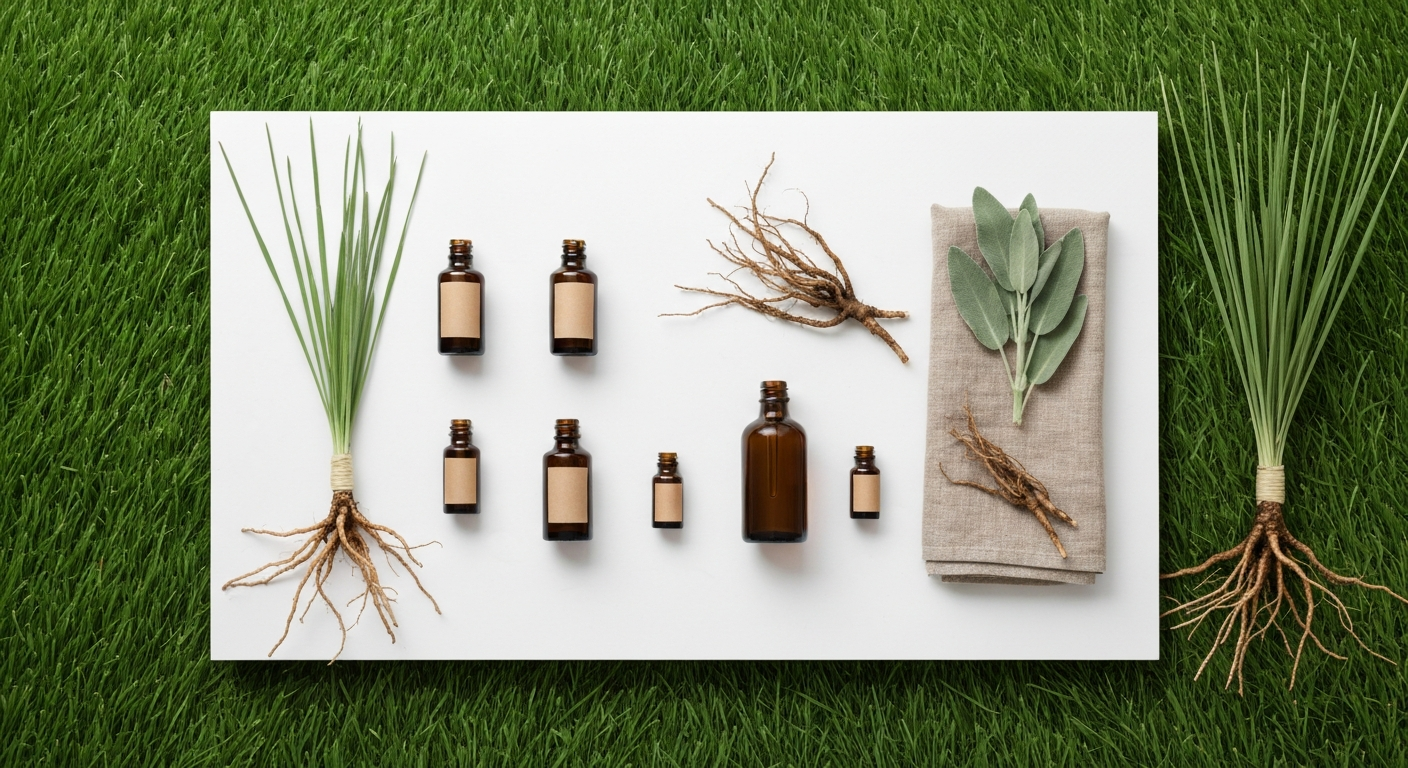
Vetiver essential oil emerges from the roots of Vetiveria zizanioides, a perennial grass native to India. Unlike most essential oils derived from flowers, leaves, or stems, vetiver oil comes exclusively from the plant's extensive root system, which can grow up to eight feet deep into the earth.
This unique origin gives vetiver oil its distinctive character—deeply grounding, earthy, and complex. The oil appears amber to dark brown in color and carries a rich, smoky aroma that some describe as woody, sweet, and slightly medicinal. Its scent profile is so unique that it's often called "the oil of tranquility" in aromatherapy circles.
The Botanical Foundation
Vetiver grass thrives in tropical and subtropical regions, with the finest quality oils traditionally sourced from Haiti, India, and Java. The plant's remarkable root system serves multiple purposes in nature—preventing soil erosion, filtering water, and storing the precious aromatic compounds that become vetiver essential oil.
How Vetiver Oil Is Made: From Root to Bottle
Understanding the production process helps explain why quality vetiver oil commands premium prices and why careful sourcing matters so much.
Materials Needed for Production:
- Mature vetiver roots (harvested after 12-18 months)
- Steam distillation equipment
- Clean, filtered water
- Specialized collection vessels
- Filtering and testing equipment
The Traditional Production Process:
- Harvesting: Vetiver roots are carefully excavated by hand, typically during the dry season when oil concentration peaks. The roots must be mature—at least one year old—to develop their full aromatic complexity.
- Cleaning and Preparation: Harvested roots undergo thorough washing to remove soil and debris. They're then chopped or shredded to increase surface area for optimal oil extraction.
- Steam Distillation Setup: The prepared roots are loaded into large distillation chambers. Steam distillation is the preferred method as it preserves the oil's delicate chemical composition.
- The Distillation Process: Steam passes through the root material for 18-24 hours—significantly longer than most essential oil extractions. This extended process is necessary to release vetiver's deep-seated aromatic compounds.
- Separation and Collection: The resulting steam carries aromatic molecules, which condense back into liquid form. The oil naturally separates from the water and is carefully collected.
- Aging and Testing: Quality vetiver oil often undergoes an aging process, allowing its complex aroma to develop fully. Each batch is tested for purity and chemical composition.
Why This Process Matters
This labor-intensive, time-consuming process explains vetiver oil's higher price point compared to other essential oils. The extended distillation time and low yield (approximately 0.5-1% oil content) make authentic vetiver oil a precious commodity.
What Makes Vetiver Oil Unique: Chemical Composition and Properties
Vetiver oil's complexity comes from its rich chemical makeup, containing over 100 different compounds. The primary constituents include:
| Compound | Typical Percentage | Characteristics |
|---|---|---|
| Vetiverol | 3-8% | Contributes to woody, earthy notes |
| Vetivone | 2-5% | Adds depth and complexity |
| Khusimol | 2-4% | Provides sweet, balsamic undertones |
| Various sesquiterpenes | 60-80% | Create the oil's grounding base notes |
These compounds work synergistically to create vetiver oil's signature aroma profile and properties. Research suggests this unique composition may contribute to the oil's traditional uses in various cultural practices.
Aroma Profile Deep Dive
Understanding vetiver's scent helps determine if it's right for you:
- Top Notes: Initially sharp, slightly green
- Heart Notes: Woody, earthy, smoky
- Base Notes: Sweet, balsamic, deeply grounding
The aroma evolves significantly from first application, becoming warmer and more complex over time—a characteristic that makes vetiver oil particularly valued in perfumery.
Complete Buying Guide: How to Choose Quality Vetiver Oil
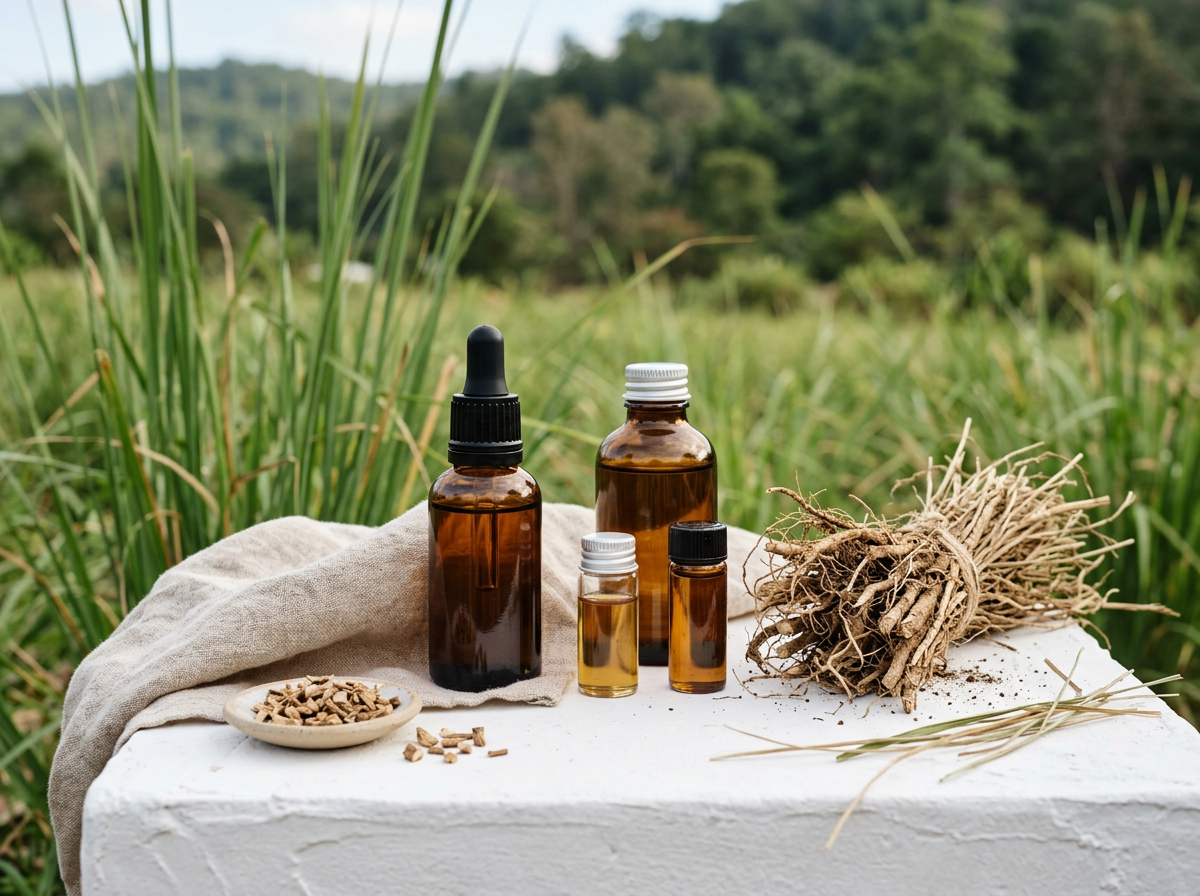
Not all vetiver oils are created equal. Here's your step-by-step guide to selecting authentic, high-quality vetiver essential oil:
Step 1: Verify the Source and Origin
Look for oils that clearly state their geographic origin. Premium vetiver oils typically come from:
- Haiti: Known for sweet, smooth vetiver with excellent fixative properties
- India: Produces earthy, robust oils with strong traditional ties
- Java: Creates lighter, more delicate vetiver oils
Step 2: Check the Latin Name
Authentic vetiver oil should list "Vetiveria zizanioides" or "Chrysopogon zizanioides" as the botanical name. Avoid products using only common names or vague descriptions.
Step 3: Examine the Color and Consistency
Quality vetiver oil should be:
- Amber to dark brown in color
- Thick, viscous consistency
- Clear (not cloudy) when viewed in good light
Step 4: Evaluate the Scent
Authentic vetiver oil will have:
- Complex, evolving aroma
- No harsh, chemical-like notes
- Lasting power that develops over hours
Step 5: Research the Supplier
Choose suppliers who provide:
- Complete product information including extraction method
- Third-party testing results (GC/MS reports)
- Clear return policies
- Educational resources about their products
Common Mistakes to Avoid When Buying Vetiver Oil
Mistake #1: Choosing Price Over Quality
Exceptionally cheap vetiver oil often indicates synthetic substitutes or heavy dilution. Quality vetiver oil requires significant investment in sourcing and production, reflected in its price.
Mistake #2: Ignoring Storage and Age
Unlike some essential oils that degrade quickly, vetiver oil actually improves with age when stored properly. However, oils stored in clear glass or hot conditions may deteriorate. Look for oils in dark glass bottles with recent production dates.
Mistake #3: Expecting Immediate Scent Satisfaction
Vetiver oil's complex aroma unfolds gradually. Initial impressions might not represent the oil's full character. Allow time for the scent to develop before making final judgments.
Mistake #4: Overlooking Dilution Information
Pure vetiver oil is highly concentrated. Some suppliers offer pre-diluted versions without clear labeling. Ensure you understand what concentration you're purchasing.
Using Vetiver Oil Safely: Essential Guidelines
Before incorporating vetiver oil into your routine, understanding proper safety practices ensures positive experiences:
Dilution Guidelines:
- Topical use: Dilute to 1-2% (6-12 drops per ounce of carrier oil)
- Diffusion: Use 3-5 drops in a standard diffuser
- Bath application: Mix 3-4 drops with carrier oil before adding to bath water
Safety Precautions:
- Always perform patch tests before first use
- Avoid contact with eyes and mucous membranes
- Keep away from children and pets
- Consult healthcare providers if pregnant, nursing, or managing health conditions
Important Note: Essential oils are not intended to diagnose, treat, cure, or prevent any disease. Always consult qualified healthcare providers for medical concerns.
What to Expect: Understanding Vetiver Oil's Effects
People who use vetiver oil report various experiences, though individual responses vary significantly:
Aromatherapy Experiences:
- Many users report feelings of groundedness and calm when diffusing vetiver oil
- Some find the earthy aroma helpful for creating peaceful environments
- Traditional aromatherapy practices suggest vetiver may support relaxation
Skincare Applications:
- When properly diluted, some people use vetiver oil in skincare routines
- Anecdotal reports suggest it may help maintain healthy-looking skin
- Always patch test and dilute appropriately for topical use
Perfumery and Personal Fragrance:
- Vetiver oil serves as an excellent base note in natural perfume blends
- Its fixative properties help extend the longevity of other oils
- Creates sophisticated, unisex fragrances when blended thoughtfully
Storing Your Vetiver Oil Investment
Proper storage preserves vetiver oil's quality and extends its lifespan:
Storage Requirements:
- Store in dark glass bottles away from direct sunlight
- Maintain consistent, cool temperatures (60-70°F ideal)
- Keep bottles tightly sealed to prevent oxidation
- Label with purchase date for reference
Expected Shelf Life:
When stored properly, quality vetiver oil can maintain its integrity for 4-8 years, often improving with age. Unlike citrus oils that degrade quickly, vetiver oil's complex molecular structure provides natural stability.
Making Your Vetiver Oil Decision
Choosing to invest in vetiver oil represents more than purchasing another essential oil—it's embracing one of nature's most complex and grounding aromatic experiences. This comprehensive understanding of what vetiver oil is, how it's made, and what to look for when buying ensures you'll make an informed decision aligned with your needs and values.
Remember that quality vetiver oil is an investment in authentic aromatherapy experiences. Take time to research suppliers, understand the production process, and approach your first vetiver oil purchase with patience and mindfulness.
Whether you're drawn to vetiver oil's grounding properties, interested in natural perfumery, or simply curious about expanding your essential oil knowledge, this ancient oil offers a unique journey into the deeper, earthier side of aromatherapy.
"In the depths of the earth, vetiver roots gather nature's quiet strength, offering us a bridge between the grounding energy of soil and the uplifting power of scent."