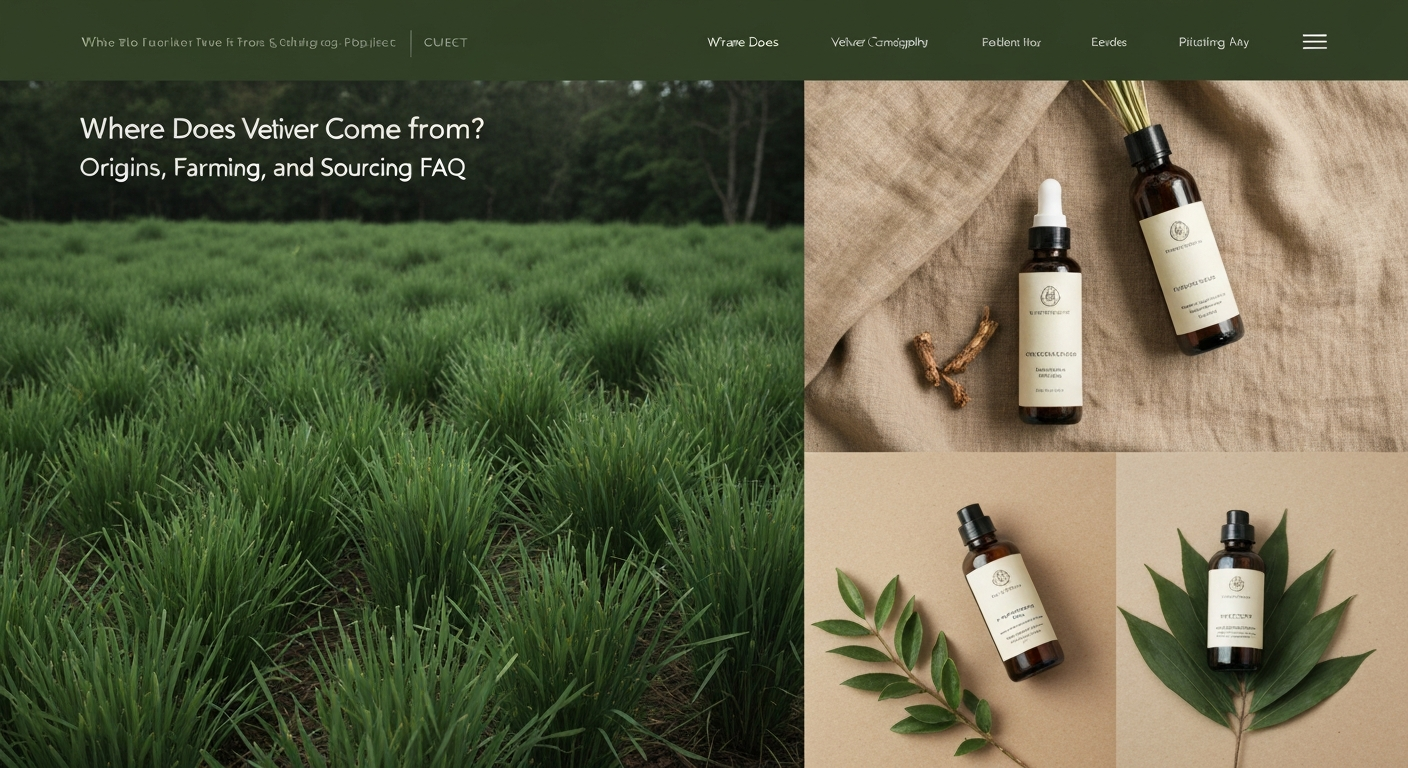
Where Does Vetiver Come From? Origins, Farming, and Sourcing FAQ
The journey of vetiver essential oil begins long before it reaches your diffuser. From ancient grasslands to modern sustainable farms, vetiver's story spans continents and cultures. This comprehensive FAQ explores the fascinating origins of this grounding botanical, addressing the most common questions about vetiver's birthplace, cultivation, and the careful sourcing practices that bring this earthy treasure to mindful homes worldwide.
Vetiver's Natural Origins
What is the native habitat of vetiver grass?
Vetiver grass (Chrysopogon zizanioides) originates from the tropical grasslands of India, where it has grown wild for millennia. This resilient perennial thrives in the monsoon-influenced regions of the Indian subcontinent, particularly in areas with distinct wet and dry seasons. The plant naturally establishes itself along riverbanks, hillsides, and open grasslands where its extensive root system helps prevent soil erosion.
How did vetiver spread to other countries?
Colonial trade routes and agricultural exchange programs facilitated vetiver's global spread beginning in the 18th century. British and French colonial administrators introduced vetiver to their tropical territories, recognizing its value for soil conservation and erosion control. The grass gradually established itself across the Caribbean, Southeast Asia, and parts of Africa, adapting to local growing conditions while maintaining its essential characteristics.
Which countries are considered the birthplace of vetiver cultivation?
India remains the ancestral home of vetiver cultivation, with regions like Tamil Nadu and Karnataka maintaining centuries-old growing traditions. Sri Lanka also claims ancient vetiver heritage, with historical records indicating cultivation dating back over 1,000 years. These South Asian regions developed the foundational knowledge of vetiver farming that continues to influence modern cultivation practices worldwide.
Are there different species of vetiver from different regions?
While Chrysopogon zizanioides is the primary species used for essential oil production, regional variations exist due to environmental adaptation over time. These variations, sometimes called chemotypes or ecotypes, may exhibit subtle differences in growth patterns and oil composition. However, they remain genetically similar enough to be classified as the same species, with differences primarily attributed to soil, climate, and cultivation methods.
Modern Vetiver Farming Regions
Which countries are the largest vetiver producers today?
Haiti currently leads global vetiver essential oil production, accounting for approximately 60% of the world's supply. India remains a significant producer, particularly in southern states, while Java, Indonesia has developed a reputation for producing distinctly aromatic vetiver oil. Other notable producing regions include Madagascar, China, and parts of Central America, each contributing unique characteristics to the global vetiver market.
What makes Haiti's vetiver special?
Haiti's mountainous terrain and specific soil composition create ideal conditions for vetiver cultivation, producing roots with particularly rich oil content. The country's vetiver industry has become an important source of sustainable income for rural communities, with generations of families developing expertise in cultivation and harvesting techniques. Haitian vs Javanese vetiver oils often exhibit different aromatic profiles, with Haitian vetiver typically offering deeper, more complex scent notes.
How does climate affect vetiver quality?
Vetiver requires a tropical or subtropical climate with distinct wet and dry seasons for optimal development. The dry season encourages root growth as the plant seeks deeper water sources, leading to the extensive root systems prized for oil extraction. Consistent temperatures between 77-95°F (25-35°C) and annual rainfall of 30-60 inches create ideal growing conditions, though vetiver demonstrates remarkable adaptability to various climatic conditions.
Can vetiver be grown outside tropical regions?
While vetiver can survive in temperate climates, it rarely develops the extensive root system necessary for commercial oil production in cooler regions. Some varieties can tolerate light frosts and grow in USDA zones 8-11, but the oil yield and quality typically remain significantly lower than tropical-grown vetiver. Greenhouse cultivation is possible but generally not economically viable for essential oil production.
Cultivation and Harvesting Methods
How long does vetiver take to mature for harvesting?
Vetiver grass requires 12-18 months to develop sufficient root mass for essential oil extraction. The first harvest typically occurs 16-20 months after planting, when roots have penetrated 4-6 feet deep and developed the complex aromatic compounds that characterize quality vetiver oil. Some farmers prefer to wait up to two years for maximum root development and oil concentration.
What is the traditional vetiver harvesting process?
Traditional vetiver harvesting remains largely manual, requiring skilled farmers to carefully excavate the extensive root systems without damage. Farmers typically begin harvesting during the dry season when root oil content peaks, using specialized tools to dig around and beneath the root clumps. The entire root system is carefully lifted, cleaned of soil, and prepared for processing, with some roots extending over 8 feet in length.
How do farmers ensure sustainable vetiver cultivation?
Sustainable vetiver farming often incorporates crop rotation, organic fertilization, and water conservation techniques that work with the plant's natural growing patterns. Many farms practice vetiver sustainability by using the plant's soil stabilization properties to prevent erosion and improve land health. Responsible farmers also maintain seed stock, avoid chemical pesticides, and support local community development through fair labor practices.
What happens to vetiver grass after root harvesting?
After root harvest, vetiver plants can regenerate from remaining root segments, though many farmers choose to replant with fresh material for consistency. (See: NIH — Vetiver Research.) The harvested above-ground grass material finds various uses, including natural thatching, mulch, and animal fodder. Some regions have developed secondary markets for vetiver leaves and stems, creating additional income streams for farming communities.
From Farm to Essential Oil
How are vetiver roots processed into essential oil?
The journey from root to essential oil begins with thorough washing and chopping of harvested vetiver roots to release aromatic compounds. Vetiver root extraction typically employs steam distillation, where chopped roots are placed in large distillation vessels with water and heated to create steam that carries the oil molecules. The resulting steam is cooled and condensed, separating the essential oil from the water through natural density differences.
Why does vetiver oil processing take so long?
Vetiver essential oil requires extended distillation periods, often 18-24 hours, due to the complex molecular structure of its aromatic compounds. The roots contain heavy sesquiterpenes and other large molecules that require sustained heat and steam to properly extract, unlike lighter oils that distill quickly. This lengthy process contributes to vetiver's higher cost but ensures the full aromatic profile and quality that characterize authentic vetiver oil.
What factors affect vetiver oil quality during processing?
Processing quality depends on several critical factors, including the freshness of roots, distillation temperature control, and duration of the extraction process. Roots processed within days of harvesting typically yield higher quality oil, while excessive heat can damage delicate aromatic compounds. The skill and experience of the distiller also significantly impacts the final oil quality, as proper timing and technique require years of practice to master.
How is vetiver oil quality tested and verified?
Quality vetiver oil undergoes various testing procedures, including gas chromatography analysis to verify chemical composition and detect adulterants. Reputable suppliers conduct organoleptic testing, where experienced aromatherapists evaluate scent, color, and consistency against established standards. Third-party certifications for organic or sustainable practices may also be verified through documentation and farm inspections.
Sourcing and Supply Chain
How do essential oil companies source vetiver?
Responsible essential oil companies typically establish direct relationships with vetiver farms or work through trusted brokers who maintain transparent supply chains. Many companies visit production facilities, verify farming and processing practices, and establish long-term partnerships that support farming communities. This direct sourcing approach helps ensure quality consistency and supports sustainable cultivation practices.
What should consumers look for in ethically sourced vetiver?
Ethically sourced vetiver should come with clear information about its origin, farming practices, and community impact. Look for suppliers who provide details about their farming partners, support fair labor practices, and invest in community development. Certifications such as organic, fair trade, or sustainability credentials can indicate responsible sourcing, though direct supplier transparency often proves more meaningful than certifications alone.
Why does vetiver oil price vary significantly between sources?
Vetiver oil pricing reflects numerous factors including origin location, farming practices, processing quality, and supply chain complexity. Premium oils from established regions with traditional cultivation methods typically command higher prices due to superior aromatic profiles and limited production volumes. Additionally, direct trade relationships, organic certification, and sustainable farming practices contribute to price variations in the marketplace.
How can consumers verify vetiver oil authenticity?
Authentic vetiver oil exhibits specific characteristics including a deep, earthy aroma with complex woody and smoky notes that develop over time. The oil should appear amber to dark brown in color with a thick, viscous consistency that may solidify in cooler temperatures. Reputable suppliers provide detailed product information, including botanical name, origin country, extraction method, and often gas chromatography reports confirming chemical composition.
What questions should you ask vetiver oil suppliers?
Essential questions for vetiver suppliers include asking about specific farm locations, harvesting and processing timeframes, and testing procedures used to verify quality. Inquire about their relationships with farming communities, sustainability practices, and storage methods that preserve oil quality. Responsible suppliers welcome these questions and provide detailed, transparent answers about their sourcing and quality assurance practices.
How does seasonal variation affect vetiver availability?
Vetiver harvesting follows seasonal patterns tied to regional climate cycles, typically occurring during dry seasons when root oil content peaks. This seasonal harvesting can create periodic availability fluctuations and price variations throughout the year. Understanding these natural cycles helps consumers appreciate why authentic, seasonal vetiver oils may vary slightly in availability and characteristics compared to mass-produced alternatives.
The story of vetiver's journey from ancient grasslands to your essential oil collection reflects humanity's enduring connection with the natural world. By understanding these origins and supporting responsible sourcing practices, we honor both the plant's heritage and the communities who cultivate this remarkable botanical. Each drop of quality vetiver oil carries within it the wisdom of traditional farming, the dedication of skilled cultivators, and the grounding essence of earth itself.