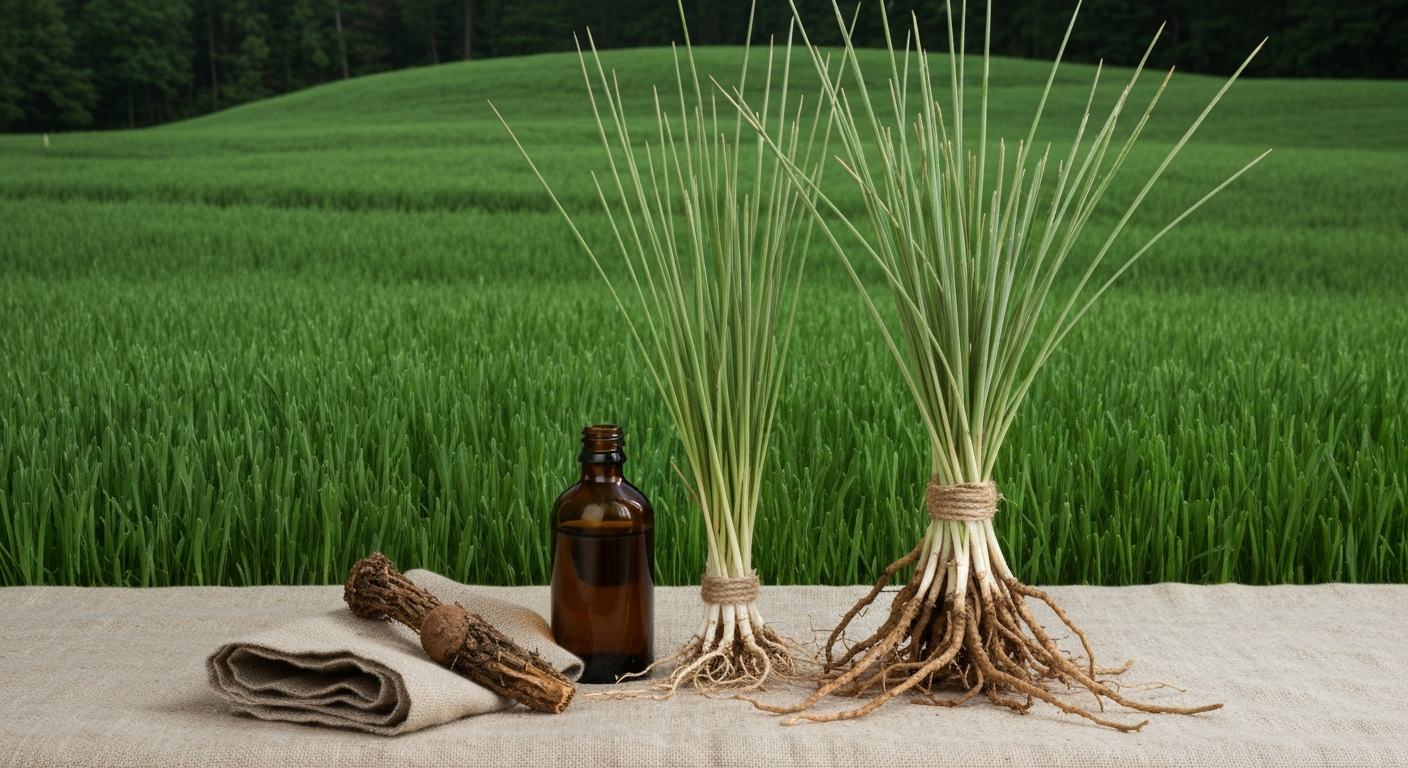
Where Does Vetiver Come From? Origins, Farming, and Sustainable Sourcing
The story of vetiver begins in the ancient soils of the Indian subcontinent, where this remarkable grass has grown wild for millennia. Understanding where vetiver comes from connects us to a rich tapestry of traditional agriculture, cultural heritage, and modern sustainability practices that span continents and generations.
This sacred grass, known scientifically as Vetiveria zizanioides, carries within its deep roots not just the earthy essence we treasure in essential oil, but also the wisdom of countless farmers who have cultivated it with reverence for the land. Today, as we seek more mindful approaches to sourcing natural products, the journey from seed to bottle reveals profound lessons about harmony between human cultivation and nature's rhythms.
The Ancient Origins of Vetiver
Archaeological evidence suggests that vetiver has been growing in the tropical regions of India for thousands of years, with some researchers indicating its presence dating back over 2,000 years. The plant's name itself derives from the Tamil word "vetiiver," meaning "root that is dug up," a testament to the deep cultural understanding of this plant's most valuable part.
In its native habitat, vetiver grows naturally in the monsoon-fed plains and hillsides of southern India, particularly in the states of Tamil Nadu, Karnataka, and Kerala. Here, the grass found its perfect ecological niche—thriving in the alternating wet and dry seasons that define the region's climate. The indigenous communities recognized early on that vetiver's extensive root system, which can penetrate soil up to 12 feet deep, made it invaluable for preventing soil erosion during intense monsoon rains.
Traditional Knowledge and Sacred Uses
Ancient Ayurvedic texts mention vetiver not just as a plant, but as a bridge between earth and spirit. Traditional practitioners understood that the grass absorbed the essence of the soil itself, concentrating minerals and earth energy within its roots. This understanding guided early vetiver farming practices, where cultivation became a mindful practice of working with natural cycles rather than against them.
The traditional knowledge surrounding vetiver extends beyond its aromatic properties. In rural Indian communities, vetiver has long been woven into daily life—its roots used to cool drinking water in clay pots, its leaves for thatching roofs, and its essential oil for spiritual ceremonies and meditation practices.
Global Spread and Adaptation
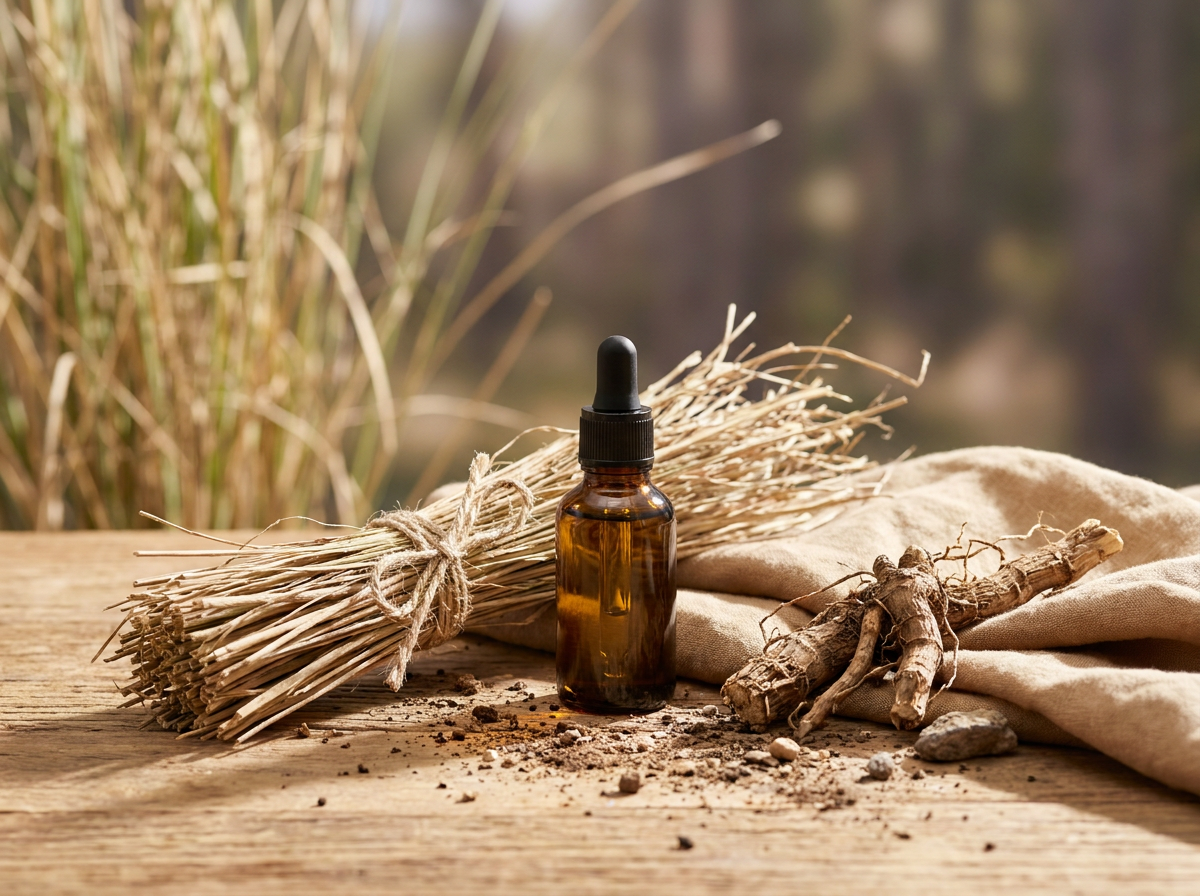
From its origins in India, vetiver gradually spread throughout the tropical and subtropical world, adapting to diverse climates and soil conditions. This natural migration, aided by human cultivation, created distinct regional varieties, each carrying subtle differences in aroma profile and growing characteristics.
Vetiver in Haiti
Perhaps the most renowned vetiver sourcing region outside of India is Haiti, where the grass was introduced in the 1940s. The volcanic soils and tropical climate of Haiti proved exceptionally well-suited to vetiver cultivation. Haitian vetiver has developed its own unique character—often described as having deeper, more complex earthy notes compared to its Indian counterpart.
The establishment of vetiver farming in Haiti became intertwined with the country's agricultural independence, providing rural communities with a sustainable crop that could thrive even in challenging economic conditions. The patience required for vetiver cultivation—roots typically need 18-24 months to develop their full aromatic potential—aligned well with traditional Haitian farming wisdom that emphasized long-term stewardship over quick yields.
Other Growing Regions
Today, significant vetiver cultivation occurs across several continents:
- Indonesia and Java: Known for producing vetiver with bright, fresh top notes
- Réunion Island: Produces highly prized vetiver with unique floral undertones
- Madagascar: Cultivation focused on small-scale, artisanal production methods
- Brazil and South America: Growing regions that emphasize ecological farming practices
- Sri Lanka: Traditional cultivation methods passed down through generations
Each region's specific climate, soil composition, and cultivation traditions contribute to subtle variations in the final essential oil, creating what might be called the "terroir" of vetiver—much like wine grapes expressing their geographical origins.
Traditional Farming Methods
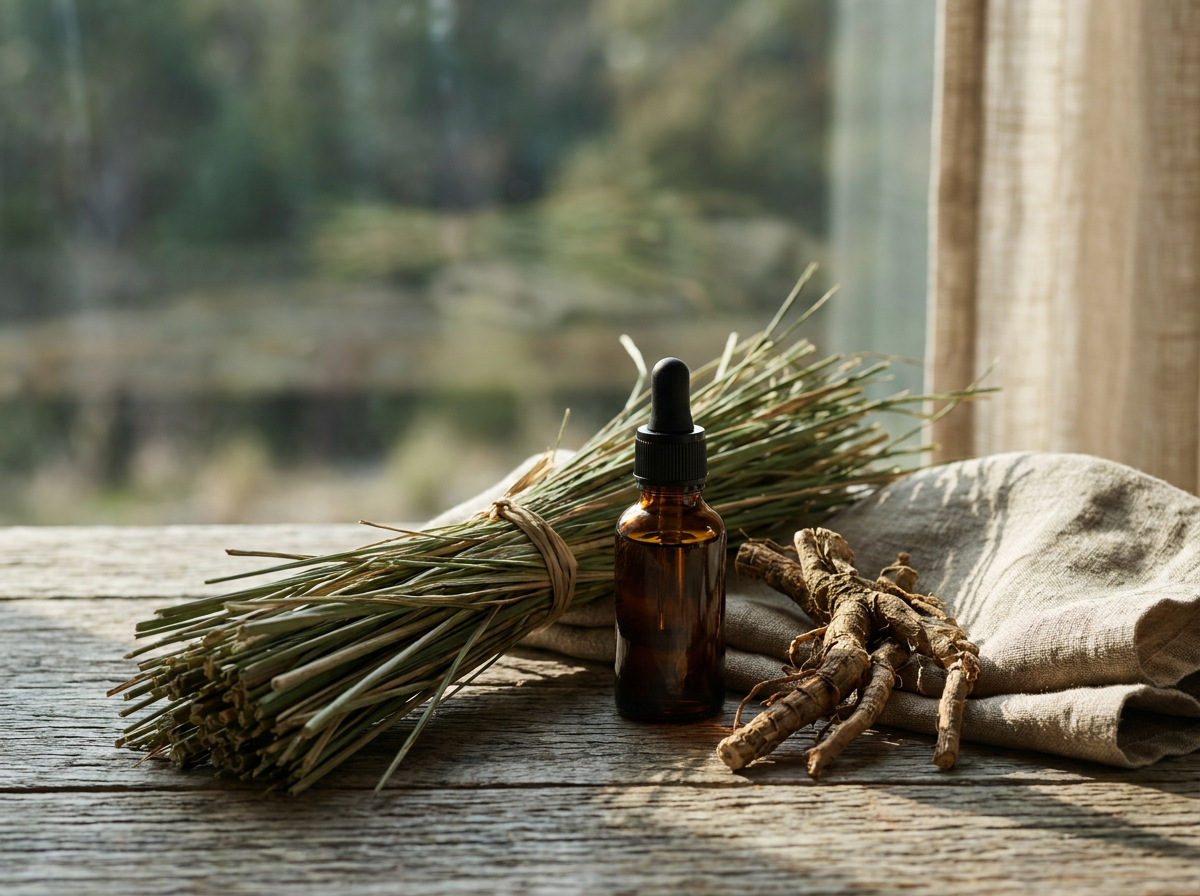
Understanding traditional vetiver farming reveals a profound respect for natural rhythms that modern sustainable agriculture is only beginning to rediscover. These time-honored methods prioritize soil health, biodiversity, and long-term sustainability over immediate yields.
Cultivation Cycle and Timing
Traditional vetiver farming follows the monsoon calendar in regions like India, with planting typically occurring at the beginning of the rainy season. Farmers select healthy grass clumps and divide them into smaller sections, each containing viable root systems and shoots. This propagation method, known as "slipping," has been refined over generations to ensure the strongest plants.
The cultivation process requires remarkable patience. Unlike annual crops that provide quick returns, vetiver demands a minimum of 18 months before the roots develop sufficient depth and aromatic complexity for harvesting. Many traditional farmers prefer to wait even longer—sometimes up to three years—allowing the roots to achieve their full potential.
Companion Planting and Biodiversity
Wise vetiver farmers have long practiced companion planting, understanding that vetiver thrives as part of a diverse agricultural ecosystem. Common companions include:
- Leguminous plants that fix nitrogen in the soil
- Aromatic herbs that naturally deter pests
- Deep-rooted trees that provide partial shade and wind protection
- Native grasses that prevent erosion between vetiver rows
This approach creates a self-sustaining system where each plant contributes to the overall health of the growing environment. The vetiver's deep roots bring nutrients from lower soil layers to the surface, benefiting companion plants, while surface plants protect the soil and provide organic matter as they decompose.
Water Management and Conservation
Traditional vetiver farming demonstrates sophisticated understanding of water conservation. The grass's extensive root system naturally retains soil moisture, reducing the need for irrigation during dry periods. Farmers often plant vetiver in contour rows across slopes, creating natural terraces that prevent water runoff and soil erosion.
In regions with distinct wet and dry seasons, traditional farmers time their planting and harvesting to work with natural rainfall patterns rather than fighting against them. This approach reduces water stress on the plants and minimizes the need for external inputs.
Modern Sustainable Sourcing Practices
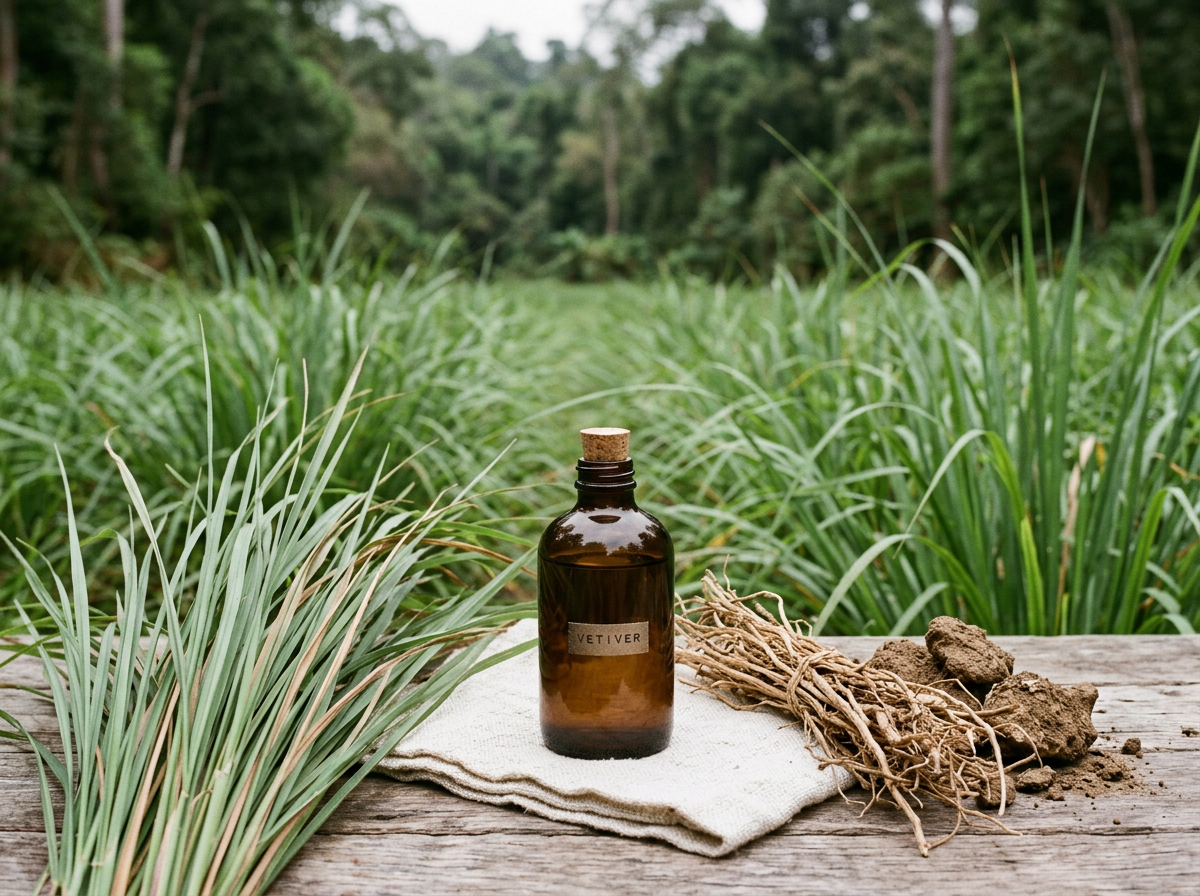
Contemporary vetiver sourcing increasingly emphasizes sustainability, fair trade, and environmental stewardship, building upon traditional wisdom while incorporating modern understanding of ecology and social responsibility.
Organic Certification and Standards
Many vetiver farms now pursue organic certification, which requires adherence to strict standards regarding:
- Prohibition of synthetic pesticides and fertilizers
- Soil health maintenance through natural methods
- Water conservation and protection of local watersheds
- Preservation of biodiversity and native plant species
- Sustainable harvesting practices that ensure plant regeneration
Organic vetiver farming often results in essential oils with more complex aromatic profiles, as the plants develop natural resilience through interaction with beneficial soil microorganisms and diverse plant communities.
Fair Trade and Community Development
Ethical sourcing initiatives ensure that the farmers who dedicate years to cultivating vetiver receive fair compensation for their patience and expertise. Fair trade vetiver programs typically include:
- Guaranteed minimum pricing that covers production costs
- Direct relationships between farmers and essential oil companies
- Investment in local infrastructure and education
- Support for traditional farming knowledge preservation
- Community development programs funded by fair trade premiums
These initiatives recognize that sustainable sourcing extends beyond environmental considerations to include the social and economic well-being of farming communities.
Climate Change Adaptation
Modern vetiver farming increasingly focuses on climate resilience, using the plant's natural adaptability to help farming communities adjust to changing weather patterns. Vetiver's drought tolerance and soil stabilization properties make it particularly valuable in regions experiencing increased climate variability.
Sustainable sourcing programs now often include climate adaptation support, helping farmers implement water conservation techniques, diversify their crops, and develop resilience strategies for extreme weather events.
Harvesting and Processing
The journey from growing grass to precious essential oil requires careful attention to timing, technique, and traditional wisdom. Understanding this process deepens appreciation for the complexity behind each bottle of vetiver essential oil.
The Art of Harvest Timing
Determining the optimal harvest time requires both scientific knowledge and intuitive understanding developed through generations of experience. Traditional farmers often use sensory cues:
- The grass reaches full maturity (typically 18-24 months minimum)
- Roots have penetrated deeply and developed woody characteristics
- The aromatic intensity peaks, often detected by experienced farmers through scent
- Seasonal timing aligns with dry periods for easier root extraction
Many farmers prefer to harvest during specific lunar phases, following traditional agricultural calendars that align planting and harvesting with natural cycles.
Hand-Harvesting Techniques
Quality vetiver production still relies heavily on hand-harvesting techniques that have been refined over centuries. This labor-intensive process involves:
- Careful excavation: Roots are gently dug to preserve their integrity and aromatic compounds
- Cleaning and sorting: Roots are cleaned of soil and sorted by size and quality
- Initial drying: Roots are air-dried in shade to concentrate aromatic compounds
- Quality assessment: Experienced processors evaluate roots for distillation readiness
This mindful approach to harvesting ensures that the essential oil captures the full aromatic complexity that vetiver can offer.
Quality Indicators and Sourcing Transparency
For those seeking high-quality vetiver essential oil, understanding quality indicators helps make informed sourcing decisions that support sustainable farming practices.
Geographic Origin Significance
The geographic origin significantly influences vetiver's aromatic profile. Reputable suppliers provide detailed information about:
- Specific growing regions and local terroir characteristics
- Farming methods employed (organic, traditional, sustainable)
- Harvest timing and processing techniques
- Direct relationships with farming communities
- Third-party certifications and quality testing results
Supporting Sustainable Sourcing
When selecting vetiver essential oil, consider supporting suppliers who demonstrate commitment to:
- Transparent supply chain documentation
- Long-term relationships with farming communities
- Environmental stewardship and organic certification
- Fair trade practices and community development support
- Preservation of traditional farming knowledge
By choosing ethically sourced vetiver, we participate in a global network of mindful consumption that supports both environmental sustainability and the livelihoods of traditional farming communities.
The Future of Vetiver Sourcing
As global awareness of sustainability increases, vetiver sourcing continues evolving toward more regenerative and community-centered approaches. Modern initiatives focus on:
- Regenerative agriculture practices that improve soil health over time
- Blockchain technology for supply chain transparency
- Climate change adaptation support for farming communities
- Preservation of traditional knowledge through documentation and education
- Development of vetiver cultivation in new regions suitable for climate adaptation
The future of vetiver sourcing lies in honoring traditional wisdom while embracing innovations that support both environmental health and human well-being. This approach ensures that future generations will continue to benefit from this remarkable plant's gifts while maintaining the delicate balance between cultivation and conservation.
Understanding where vetiver comes from creates deeper appreciation for the patience, wisdom, and dedication required to bring this treasured essential oil from seed to bottle. Each drop carries the essence of ancient soils, traditional knowledge, and the mindful stewardship of farmers who tend their crops with reverence for both earth and time.