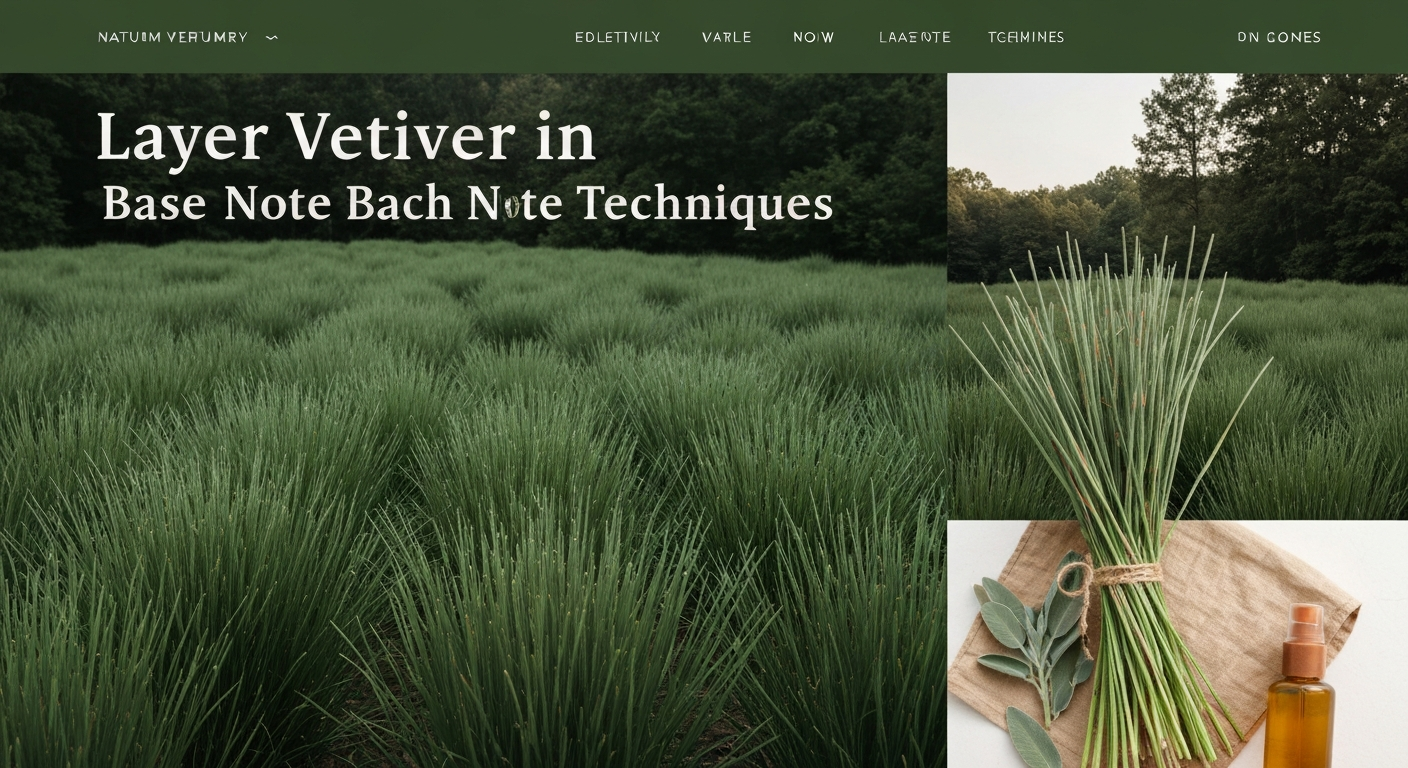
How to Layer Vetiver in Natural Perfumery: Base Note Techniques
In the quiet art of natural perfumery, vetiver stands as one of nature's most complex and rewarding base notes. This earthy essential oil, distilled from the roots of Chrysopogon zizanioides, offers perfumers a foundation of remarkable depth—smoky, woody, and mysteriously grounding. Learning to layer vetiver effectively transforms simple blends into sophisticated compositions that may evoke a sense of connection to the earth beneath our feet.
The ancient practice of layering base notes requires patience, intuition, and a deep understanding of how aromatic molecules interact over time. Vetiver, with its heavy molecular weight and long-lasting presence, anchors fragrances while allowing other notes to dance above it in harmonious complexity.
Understanding Vetiver as a Base Note Foundation
Before we explore the techniques, it's essential to understand vetiver's role in the perfumery pyramid. As a true base note, vetiver molecules are large and heavy, meaning they evaporate slowly and may provide lasting depth to your compositions. This characteristic makes vetiver an ideal foundation upon which to build more complex aromatic structures.
Traditional perfumery wisdom suggests that vetiver's earthy complexity comes from over 100 identified aromatic compounds, each contributing to its multifaceted personality. Some people report sensing smoky, woody aspects initially, while others notice sweet, grassy undertones that emerge over time.
When working with vetiver in perfumery, remember that this oil may continue to evolve on the skin for hours, revealing different facets as it interacts with your body's natural chemistry and warmth.
Essential Materials and Ingredients
Gathering quality materials forms the foundation of successful vetiver layering. Your aromatic palette should include:
Base Materials
- High-quality vetiver essential oil (preferably from Haiti, Java, or India)
- Perfumer's alcohol (ethanol) or fractionated coconut oil as carrier
- Glass dropper bottles (5ml and 10ml sizes)
- Precision pipettes for accurate measuring
- Glass stirring rods
- Scent strips for testing
- Notebook for recording formulations
Complementary Essential Oils for Layering
- Additional base notes: Sandalwood, patchouli, cedarwood
- Heart notes: Rose, geranium, ylang-ylang
- Top notes: Bergamot, lemon, petitgrain
- Bridging oils: Lavender, frankincense, clary sage
Safety Note: Always perform patch tests before applying blends to skin. Work in a well-ventilated area and store oils away from heat and light. Pregnant or nursing individuals should consult healthcare providers before using essential oils.
Step-by-Step Vetiver Layering Techniques
Technique 1: The Foundation Method
This approach establishes vetiver as the primary base, building complexity through careful addition of supporting notes.
Step 1: Create Your Vetiver Foundation
Begin with 10 drops of vetiver essential oil in a clean glass bottle. This concentration allows the vetiver's character to dominate while leaving room for complementary notes. Record this as your "foundation ratio" in your notebook.
Step 2: Add Secondary Base Notes
Introduce 3-5 drops of a complementary base note such as sandalwood or cedarwood. These oils traditionally work in harmony with vetiver, potentially creating a more rounded, woody foundation. Allow the blend to rest for 30 minutes before evaluating.
Step 3: Test and Adjust
Apply a small amount to a scent strip and allow it to develop for at least one hour. Vetiver-based blends may continue evolving for several hours, so patience becomes essential. Note how the secondary base interacts with the vetiver—does it soften the earthiness or add complementary depth?
Step 4: Build Heart Note Bridges
Add 2-3 drops of a heart note that may harmonize with your base. Rose or geranium can create beautiful contrasts with vetiver's earthiness, while more research suggests that floral notes help lift heavy base compositions.
Technique 2: The Accord Building Method
This advanced technique involves creating small accords—harmonious combinations of 2-3 oils—before blending them with vetiver.
Step 1: Create Supporting Accords
Mix small amounts of complementary oils in separate containers:
- Woody Accord: 2 drops cedarwood + 1 drop sandalwood
- Floral Accord: 2 drops rose + 1 drop ylang-ylang
- Fresh Accord: 2 drops bergamot + 1 drop petitgrain
Step 2: Test Individual Accords with Vetiver
On separate scent strips, combine each accord with vetiver in a 1:3 ratio (1 part accord to 3 parts vetiver). This process helps you understand how each accord may interact with vetiver's complex profile.
Step 3: Combine Successful Accords
Based on your testing, blend the most harmonious accords with your vetiver foundation. Start conservatively—you can always add more, but removing excess becomes challenging.
Advanced Layering Strategies
The Temporal Layering Approach
This sophisticated technique involves adding oils at different stages of the blending process, allowing each addition time to integrate before introducing the next element.
Phase 1: Initial Base (Day 1)
Combine vetiver with one complementary base note. Allow this combination to marry for 24 hours in a cool, dark place.
Phase 2: Heart Integration (Day 2)
Add heart notes to your rested base. The initial rest period may allow the base oils to harmonize, creating a more receptive foundation for heart notes.
Phase 3: Top Note Finishing (Day 3-7)
After the heart notes have integrated, add top notes sparingly. These volatile compounds will provide initial impact while the vetiver foundation offers lasting depth.
Ratio Guidelines for Balance
Traditional perfumery suggests these ratios as starting points, though personal preference and oil quality may require adjustments:
| Note Type | Percentage | Vetiver Blend Example |
|---|---|---|
| Base Notes | 50-70% | Vetiver (60%) + Sandalwood (10%) |
| Heart Notes | 20-30% | Rose (15%) + Geranium (10%) |
| Top Notes | 10-20% | Bergamot (10%) + Lemon (5%) |
Common Mistakes and How to Avoid Them
Over-Complicating the Base
New perfumers often add too many base notes, creating muddy, indistinct foundations. Start with vetiver and one complementary base, building complexity gradually.
Insufficient Resting Time
Vetiver blends may require days or even weeks to fully mature. Rushing the evaluation process can lead to premature adjustments that throw off carefully balanced formulations.
Ignoring Oil Quality Variations
Different vetiver sources (Haiti, Java, India) possess distinct aromatic profiles. A vetiver blending guide can help you understand these variations and adjust your layering accordingly.
Neglecting Dilution Ratios
Vetiver's intensity requires careful dilution for skin application. Always dilute your final blend to safe concentrations—typically 1-3% for everyday wear, depending on skin sensitivity.
Testing and Evaluation Methods
The Multi-Stage Testing Process
Effective evaluation requires systematic testing across multiple timeframes:
Immediate Assessment (0-30 minutes)
Note initial impressions and top note presence. Vetiver blends may initially present as heavy or overwhelming, but this can soften significantly.
Development Phase (30 minutes - 2 hours)
Observe how heart notes emerge and interact with the vetiver foundation. This phase often reveals the true character of your layering work.
Dry Down Evaluation (2-8 hours)
Assess the lasting base note performance. Well-layered vetiver blends may continue providing subtle aromatic interest for many hours.
Environmental Factors
Temperature, humidity, and air circulation can significantly affect how vetiver layers perform. Test your blends in different environments to understand their full potential.
Troubleshooting Common Layering Issues
When Vetiver Dominates Everything
If your vetiver overwhelms other notes, try:
- Reducing vetiver concentration by 25-50%
- Adding bridging oils like lavender or frankincense
- Increasing the proportion of lighter base notes
When Blends Feel "Flat"
Lack of complexity often results from insufficient contrast. Add small amounts of oils from different aromatic families—perhaps a bright citrus top note or spicy middle note.
When Integration Seems Poor
If your layers feel disjointed, increase resting time and consider adding transition oils that share characteristics with multiple blend components.
Creating Your Signature Vetiver Blend
Developing a personal vetiver-based fragrance involves understanding your aromatic preferences and the emotional qualities you wish to evoke. Some people report that earthy vetiver blends may promote feelings of grounding and stability, while others find floral-vetiver combinations uplifting yet centering.
Start with a simple vetiver perfume recipe and modify it based on your testing results. Document everything—successful combinations, failed experiments, and environmental factors that affected performance.
Maturation and Final Considerations
Patience remains your greatest asset in vetiver layering. Allow finished blends to mature for at least two weeks before making final adjustments. Many perfumers report that their best vetiver compositions continue improving for months after initial creation.
Store your blends in dark glass containers away from temperature fluctuations. Label everything with dates and formulations—your future self will thank you for this attention to detail.
Remember that natural perfumery with vetiver is both art and craft. Each blend teaches valuable lessons about aromatic interaction, personal preference, and the subtle ways scent can influence mood and memory. Through mindful practice and patient observation, you may develop an intuitive understanding of how to layer this remarkable essential oil into compositions that truly resonate with your individual aesthetic.
As you continue this aromatic journey, trust your nose, document your discoveries, and remain open to the unexpected harmonies that may emerge when vetiver's earthly wisdom meets your creative vision.