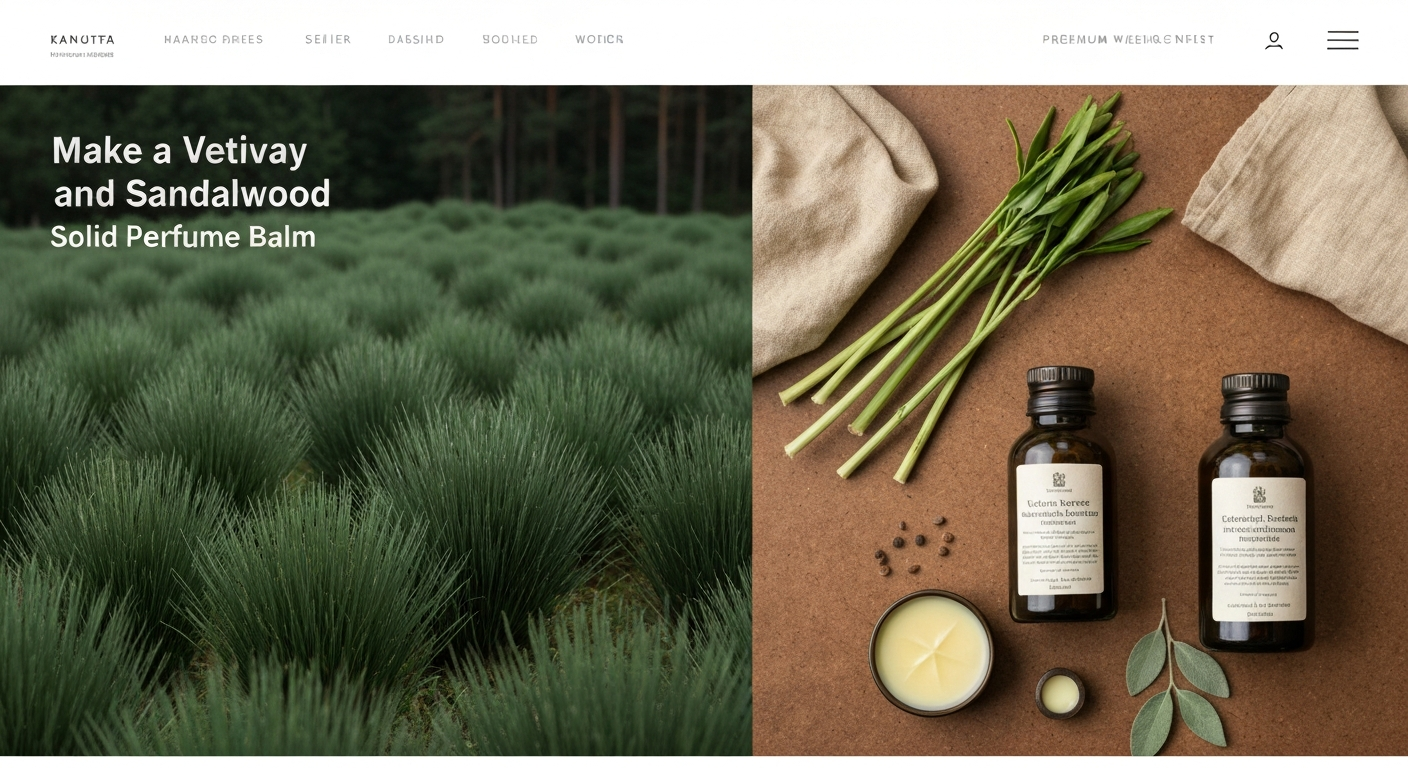
How to Make a Vetiver and Sandalwood Solid Perfume Balm
In our fast-paced world, the art of creating personal fragrances offers a mindful return to simplicity. Solid perfume balms represent the essence of portable luxury—concentrated aromatics that carry the grounding energy of earth and wood wherever you journey. This vetiver and sandalwood blend traditionally evokes feelings of centeredness and calm presence.
Unlike liquid perfumes that can overwhelm the senses, solid balms offer subtle, intimate fragrance experiences. The waxy base allows the complex layers of vetiver's earthy depth to unfold gradually alongside sandalwood's creamy warmth, creating what many describe as a meditative aromatic experience.
Understanding Your Base Ingredients
The foundation of any exceptional solid perfume lies in the harmony between carrier and wax. Each component serves a specific purpose in both texture and scent development:
Beeswax provides the solid structure while allowing the balm to melt gently against skin warmth. Its natural honey undertones complement earthy vetiver beautifully, though those seeking vegan alternatives may substitute carnauba or candelilla wax.
Carrier oil serves as the fragrant vehicle, with jojoba oil being particularly suited for perfumery due to its stability and near-odorless profile. Fractionated coconut oil offers another excellent option, remaining liquid at room temperature for easy blending.
The star aromatics—vetiver in perfumery traditions and sandalwood—create what perfumers call a "grounding accord," where earthy and woody notes interweave to support feelings of stability and presence.
Essential Materials and Tools
Ingredients Needed
- 2 tablespoons beeswax pellets (or 1 oz by weight)
- 3 tablespoons jojoba oil (or fractionated coconut oil)
- 15-20 drops vetiver essential oil
- 8-12 drops sandalwood essential oil (Santalum album preferred)
- Optional: 2-3 drops bergamot for brightness
Equipment Required
- Double boiler or heat-safe glass bowl and saucepan
- Small containers for finished balm (1 oz tins or small glass jars)
- Glass stirring rod or clean wooden stick
- Measuring spoons
- Labels for your creations
Step-by-Step Creation Process
Step 1: Prepare Your Workspace
Begin by creating a calm, organized environment. Clean all equipment thoroughly and arrange ingredients within easy reach. This mindful preparation sets the foundation for quality results and helps prevent rushed mistakes that can affect the final product.
Step 2: Create the Base
Fill your saucepan with about an inch of water and bring to a gentle simmer. Place the glass bowl or double boiler top over the water, ensuring the bottom doesn't touch the simmering water directly.
Add beeswax pellets to the bowl and allow them to melt slowly. Rushing this process with high heat can cause the wax to become grainy or develop an unpleasant burnt aroma that will carry through to your finished balm.
Step 3: Incorporate the Carrier Oil
Once the beeswax reaches a completely liquid state, slowly drizzle in your chosen carrier oil while stirring gently. The mixture should become smooth and homogeneous, with no visible separation or cloudiness.
Remove the mixture from heat and allow it to cool slightly—about 2-3 minutes. This cooling period is crucial, as adding essential oils to overly hot wax can cause the delicate aromatic compounds to flash off, leaving you with a much weaker scent.
Step 4: Build Your Fragrance Profile
This is where the artistry begins. Start with your base note—vetiver—adding 15-20 drops while stirring continuously. The earthy, complex aroma should begin to bloom in the warm mixture.
Follow with sandalwood, adding 8-12 drops. Notice how the creamy, woody notes begin to weave with vetiver's earthiness, creating what many describe as a grounding, meditative quality.
If desired, add a few drops of bergamot to lift the blend with subtle citrus brightness, though this vetiver sandalwood blend is beautifully complete on its own.
Step 5: Test and Adjust
Before committing to containers, perform a scent test. Dip a clean stick into the mixture and allow it to cool for 30 seconds, then inhale gently. The fragrance should feel balanced, with neither oil overwhelming the other.
If vetiver feels too dominant, add 2-3 more drops of sandalwood. If the blend seems flat, consider a single drop of bergamot or sweet orange for subtle lift.
Step 6: Pour and Set
Working quickly but calmly, pour the mixture into your prepared containers. Fill each about 90% full, leaving room for the slight expansion that occurs during cooling.
Allow the balms to cool undisturbed for at least 2 hours. Avoid refrigeration, which can cause the surface to become cloudy or develop an uneven texture.
Common Pitfalls and How to Avoid Them
Overheating the Base
High temperatures can cause beeswax to become granular and may damage the delicate aromatic compounds in your essential oils. Maintain gentle, consistent heat throughout the melting process.
Rushing the Cooling Process
Adding essential oils to overly hot wax causes rapid evaporation of the lighter aromatic molecules, leaving behind only the heavier, potentially less pleasant base notes. Patience here rewards you with a fuller, more complex fragrance.
Inconsistent Stirring
Inadequate mixing can result in pockets of concentrated fragrance or areas with little scent. Stir consistently but gently to avoid introducing air bubbles that can affect the final texture.
Understanding Your Creation
Your finished vetiver and sandalwood solid perfume balm should possess a smooth, slightly firm texture that melts readily against skin warmth. The fragrance profile may continue developing over the first 24-48 hours as the oils fully integrate with the base.
Many people report that this particular combination of oils traditionally supports feelings of groundedness and calm presence. The vetiver's complex earthiness, some research suggests, may help promote a sense of stability, while sandalwood has been traditionally used in meditation practices for its potentially centering qualities.
Application and Usage Guidelines
Apply your solid perfume balm to pulse points—wrists, temples, behind ears, or the base of the throat. The warmth of these areas helps release the fragrance gradually throughout the day.
Important Safety Considerations:
- Always perform a patch test on a small area of skin before full use
- Avoid eye area and other sensitive regions
- Discontinue use if any irritation occurs
- Store in a cool, dry place away from direct sunlight
- Use within 12 months for optimal fragrance quality
Variations and Personal Touches
Once comfortable with this foundational recipe, consider exploring subtle variations. A drop of frankincense can deepen the meditative quality, while a hint of lavender may add gentle floral softness without overwhelming the earthy base.
For those interested in expanding their aromatic repertoire, this technique can be adapted for creating a DIY vetiver cologne by adjusting the wax-to-oil ratio for a softer consistency.
The Mindful Art of Personal Fragrance
Creating your own solid perfume balm represents more than mere fragrance crafting—it's an invitation to slow down, engage your senses mindfully, and connect with the ancient traditions of natural aromatics. Each time you apply this handcrafted blend, you carry with you not just a beautiful scent, but the intention and care woven into its creation.
The earthy depth of vetiver paired with sandalwood's creamy warmth creates what many describe as an aromatic anchor—a fragrant reminder to stay present and grounded throughout your day. In our modern world of synthetic fragrances and rushed experiences, this simple balm offers a return to authenticity and mindful self-care.
Remember to consult with a qualified aromatherapist or healthcare provider if you have specific concerns about using essential oils, especially if you have sensitive skin or existing health conditions.