How to Make Vetiver Insect Repellent That Actually Works
Vetiver has a long history as a grounding, earthy oil. What many people don't realize is that this same deeply rooted grass has been used for centuries across South Asia and West Africa to discourage insects from gathering in living spaces. Woven vetiver mats, sachets of dried roots, and infused oils were common household tools long before synthetic sprays existed.
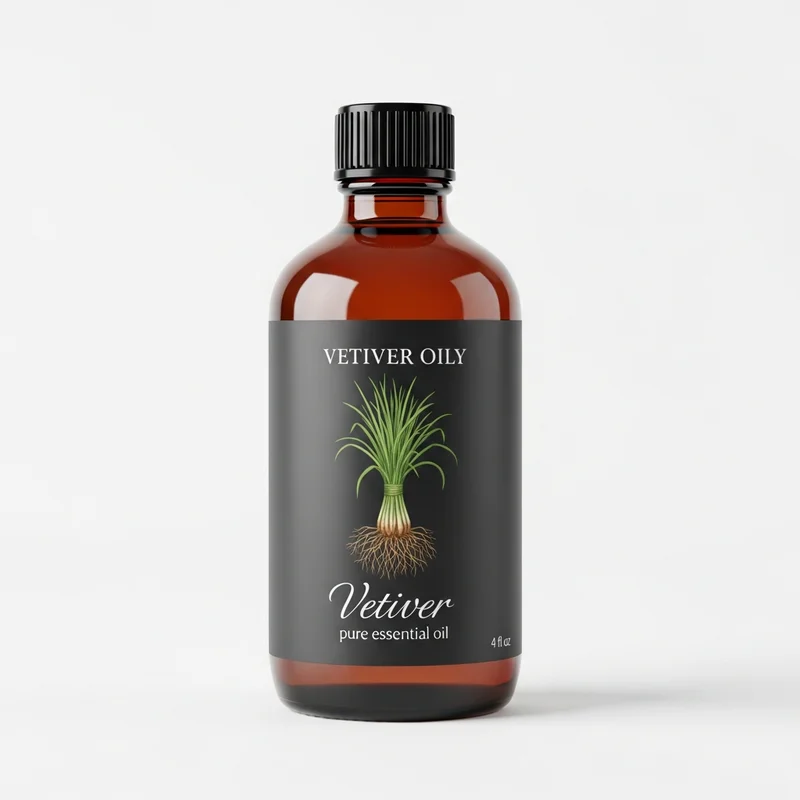
Vetiver Essential Oil
Our own Vetiver Essential Oil, in sizes from 0.5 oz to bulk.
From $18.99
Shop Now →Today, making your own vetiver insect repellent at home is straightforward. You don't need specialized equipment or a background in formulation. What you do need is a good understanding of how to blend safely, which carrier oils work best, and how to set realistic expectations about what a plant-based spray can do.
This guide walks through everything: the why behind vetiver, the recipes themselves, and the safety steps that matter most.
Why Vetiver for Insect Repellent?
Vetiver (Chrysopogon zizanioides) is distilled from the roots of a perennial grass native to India. The oil is thick, dark, and intensely earthy, with smoky, woody undertones that deepen over time. That heavy, persistent quality is exactly what makes it interesting in a repellent context.
Some research suggests that the sesquiterpene compounds in vetiver, including khusimol and isovalencenol, may contribute to its ability to deter certain insects. A small number of studies have observed that vetiver root compounds show promise in discouraging mosquito activity, though this research is still developing and results vary depending on concentration, formulation, and environmental conditions.
Anecdotal evidence from traditional cultures is extensive. People across tropical regions have long stored linens with vetiver roots, hung bundles near doorways, and applied diluted root oils to skin before spending time outdoors. These practices point to a long-standing folk understanding that vetiver has a place in everyday insect-discouraging routines.
It is worth being clear: a DIY vetiver bug spray is not a substitute for EPA-registered insect repellents when protection from insect-borne illness is a concern. If you are traveling to regions where mosquito-borne illness is prevalent, consult a qualified healthcare provider about appropriate protection. The recipes here are intended for general outdoor comfort, not medical protection.
What You'll Need Before You Start
Gathering your materials in advance makes the process smooth and helps you measure accurately. Precision matters more than people expect when working with essential oils.
Equipment
- A 2-ounce or 4-ounce dark glass spray bottle (amber or cobalt blue)
- A small glass measuring cup or graduated dropper
- A funnel (optional but helpful)
- Labels and a marker for dating your blend
Core Ingredients
- Vetiver essential oil (steam-distilled, from a reputable source)
- A carrier such as witch hazel (alcohol-based, helps the spray disperse), fractionated coconut oil, or jojoba oil
- Distilled water (not tap water, which can shorten shelf life)
- Optional companion oils: citronella, cedarwood, lemongrass, or patchouli
Because vetiver oil is thick and viscous, it blends more easily when you first combine it with a small amount of alcohol or carrier oil before adding water. Skipping this step often results in the vetiver sitting at the bottom of the bottle undissolved.
Understanding Dilution Ratios
Safe dilution is the most important concept in any DIY essential oil project. Essential oils are highly concentrated plant extracts. Using them undiluted or over-diluted can both cause problems, one for your skin and one for effectiveness.
For a body-safe spray intended for skin application, the general guideline from aromatherapy educators and organizations like the Alliance of International Aromatherapists is:
| Use Case | Recommended Dilution | Drops per 1 oz of Carrier |
|---|---|---|
| Sensitive or mature skin | 0.5% to 1% | 3 to 6 drops |
| General adult use | 1% to 2% | 6 to 12 drops |
| Short-term, robust outdoor use | 2% to 3% | 12 to 18 drops |
| Fabric, clothing, or diffuser blends (not skin) | Up to 5% | Up to 30 drops |
Do not exceed 3% concentration for anything applied directly to skin. Vetiver is generally considered well-tolerated, but every person's skin responds differently. Always patch test before full application.
How to Patch Test
- Mix a small amount of your finished spray.
- Apply a few sprays to the inside of your forearm.
- Wait 24 hours and observe for redness, itching, or any irritation.
- If any reaction occurs, do not use the blend. Consult a dermatologist if the reaction persists.
Recipe 1: Simple Vetiver Mosquito Repellent Spray
This is a good starting point. It uses a short ingredient list and a familiar witch hazel base, which most people can find at a pharmacy or natural grocery store.
Ingredients (makes one 2-ounce bottle)
- 1.5 oz witch hazel (at least 86 proof)
- 0.5 oz distilled water
- 10 drops vetiver essential oil
- 8 drops citronella essential oil
- 6 drops cedarwood essential oil
Instructions
- Add the vetiver, citronella, and cedarwood drops directly into the empty spray bottle.
- Pour in the witch hazel. Cap the bottle and shake gently for 30 seconds. This helps the oils begin to disperse in the alcohol base.
- Add the distilled water.
- Cap, shake again, and label with the date.
- Shake well before each use. Essential oils and water always separate on standing.
Shake before every single application. This is not optional. The oils will rise to the top between uses, and you will miss most of the active components if you spray without shaking first.
Recipe 2: Oil-Based Vetiver Bug Spray for Dry Skin
If you prefer a non-aerosol option or have skin that benefits from added moisture, this oil-based version applies smoothly and tends to linger longer on the skin surface.
Ingredients (makes one 1-ounce roll-on or small dropper bottle)
- 1 oz fractionated coconut oil or jojoba oil
- 8 drops vetiver essential oil
- 6 drops lemongrass essential oil
- 5 drops patchouli essential oil
- 4 drops cedarwood essential oil
Instructions
- Combine all essential oil drops in the bottle first.
- Pour the carrier oil over the top.
- Cap and roll the bottle between your palms for one minute to blend.
- Apply to pulse points, ankles, wrists, and the back of the neck before going outdoors.
- Reapply every one to two hours, or more frequently if you are perspiring heavily or swimming.
Note that oil-based applications may stain light-colored fabrics. Apply to skin, not clothing.
Recipe 3: Vetiver Outdoor Ambiance Spray for Spaces
This formula is not for skin. It is designed to mist around a patio, tent, or outdoor seating area to create an aromatic atmosphere that may encourage insects to look elsewhere. Because it is not going on your body, you can use a slightly higher concentration.
Ingredients (makes one 4-ounce spray bottle)
- 3 oz distilled water
- 1 oz witch hazel
- 20 drops vetiver essential oil
- 20 drops citronella essential oil
- 15 drops lemongrass essential oil
- 10 drops peppermint essential oil
Instructions
- Combine the essential oils with the witch hazel first and shake to partially emulsify.
- Add distilled water and shake well.
- Spray around the perimeter of your outdoor space, on table legs, along the edges of picnic blankets, or near entry points of tents.
- Avoid spraying directly on food, pets, or children's faces.
- Reapply every 30 to 60 minutes outdoors, as scent disperses quickly in open air.
Choosing Quality Vetiver Oil
The source of your vetiver matters significantly. Low-quality or adulterated oils may contain synthetic extenders that reduce any potential effectiveness and can cause skin reactions. When shopping, look for:
- A GC/MS (gas chromatography/mass spectrometry) test report available from the supplier
- Clear country of origin labeling (Haiti, India, and Sri Lanka are well-regarded vetiver-producing regions)
- Steam-distilled extraction, not solvent-extracted
- Dark amber or cobalt glass packaging, never plastic
- Batch-specific testing rather than generic certificates
For a deeper look at what to look for when choosing a vetiver oil, read our guide on how to source quality vetiver oil. And if you want to explore the broader aromatic profile of this oil before committing to a purchase, our vetiver essential oil scent profile guide is a useful starting point.
Safety Considerations and Contraindications
Essential oils are powerful plant concentrates. Please read this section carefully before use.
Who Should Avoid or Exercise Caution
- Pregnant and nursing individuals: Consult a qualified midwife or healthcare provider before using any essential oil blends, including these recipes.
- Young children: Essential oil safety guidelines for children differ significantly from adult guidelines. The recipes in this article are formulated for adults. Do not apply to children without first consulting a pediatrician or certified aromatherapist.
- People with known grass or plant sensitivities: Vetiver comes from a grass. Those with sensitivities to grasses should patch test with extra caution and consult a provider if uncertain.
- Pets: Many essential oils are not safe for use around cats and dogs. Keep blended sprays away from pets. Consult a veterinarian before using any essential oil product in shared living spaces.
General Application Safety
- Keep all essential oils away from eyes, inner ears, and mucous membranes.
- If contact with eyes occurs, flush with a carrier oil (not water) and seek medical advice if irritation persists.
- Store blends away from heat and direct sunlight. Properly stored blends generally remain fresh for two to three months.
- Discard any blend that smells off, cloudy, or unusual.
Making It a Ritual
One of the quieter pleasures of making your own vetiver bug spray is the process itself. Measuring, blending, and labeling by hand brings a kind of intentionality that a store-bought bottle rarely offers. Vetiver's deep, smoky scent has a grounding quality that many people find settles the mind, making the pre-hike or pre-garden spray feel like a small moment of transition rather than a chore.
Keep a dedicated basket or tray for your outdoor blending supplies. Restock your bottles on a regular cadence. Over time, the ritual of preparing your spray can become as much a part of outdoor life as lacing your boots or filling a water bottle.
If you enjoy working with vetiver beyond repellent blending, explore our vetiver essential oil blending guide for ideas on how this earthy oil pairs with other botanicals across different seasons and settings.
A Few Final Notes on Expectations
Plant-based insect repellents offer a different experience than synthetic alternatives. They tend to require more frequent reapplication. Their effectiveness varies depending on the insect species present, the environment, temperature, and individual body chemistry.
People who use these kinds of blends regularly often describe them as useful additions to their outdoor routines rather than complete replacements for other protective measures. Wearing light-colored, long-sleeved clothing, avoiding standing water near outdoor seating, and choosing the right time of day for outdoor activities all contribute to a more comfortable experience.
Again: if you are visiting areas where insect-borne illness is a known concern, speak with a healthcare provider before relying on any plant-based repellent as your primary form of protection.
Start with the simple spray recipe. Adjust the oils to a scent profile you enjoy. Shake before every use. And give yourself time to observe how it performs in your specific outdoor environment over a few seasons.