
Vetiver Hydrosol vs Vetiver Oil: When to Use Each
Two bottles sit on your shelf. Both smell of damp earth and distant roots. One is thick, dark, almost resinous. The other is a pale, gentle water. Choosing between vetiver hydrosol vs oil is less about which one is better and more about what your moment calls for.
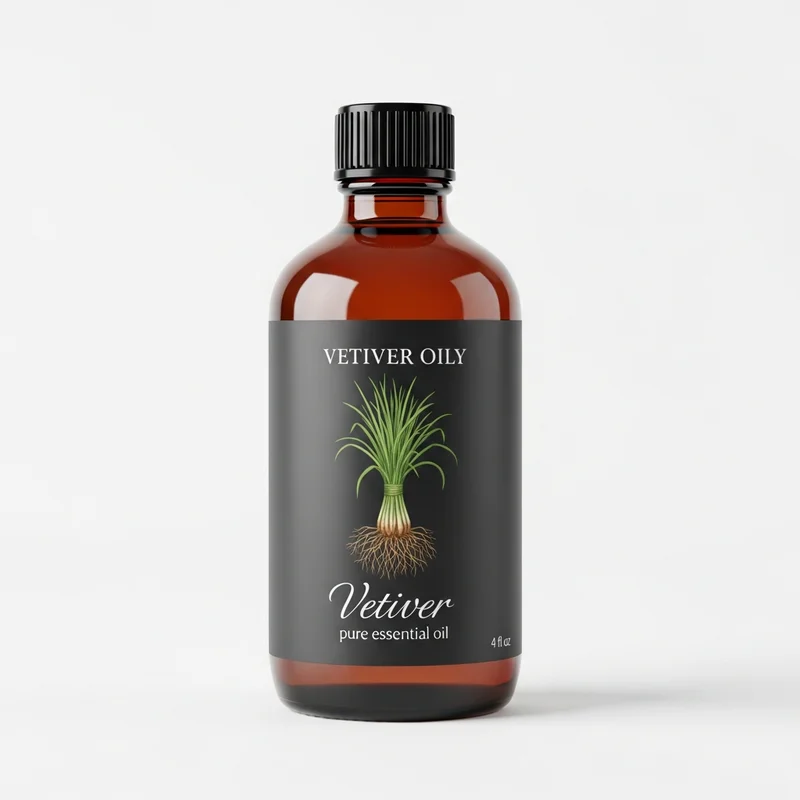 Vetiver Essential Oil
Our own Vetiver Essential Oil, in sizes from 0.5 oz to bulk. From $18.99.
Shop Now →
Vetiver Essential Oil
Our own Vetiver Essential Oil, in sizes from 0.5 oz to bulk. From $18.99.
Shop Now →
This guide walks through what each product actually is, how they differ in practice, and which situations tend to favor one over the other. No mysticism. Just grounded, practical guidance for working with this remarkable plant.
What Are These Two Products, Exactly?
Both vetiver hydrosol and vetiver essential oil come from the same source: the roots of Vetiveria zizanioides, a tall perennial grass native to South Asia and widely cultivated in Haiti, India, and Indonesia. The difference lies entirely in how the roots are processed.
Vetiver Essential Oil
Vetiver oil is produced through steam distillation of the dried, chopped roots. Steam passes through the plant material, volatilizes the aromatic compounds, and then condenses. The oil and water separate. The oil is collected. It is dense, viscous, and deeply pigmented, ranging from amber to dark brown depending on origin and distillation time.
Because it is a concentrated extract, vetiver essential oil carries an intensely earthy, smoky, woody scent. A single drop goes a long way. It is one of the most complex aromatic profiles in the entire world of botanical oils, with hundreds of identified sesquiterpene compounds contributing to its layered character.
Vetiver Hydrosol
Vetiver hydrosol (also called vetiver water or vetiver floral water) is the other product of that same distillation. It is the condensed steam that carried the aromatic molecules through the plant material. While most of the concentrated oil separates out, water-soluble aromatic compounds remain suspended in the hydrosol.
The result is a lightly scented aqueous liquid. It carries the same botanical signature as the oil but in a much softer, more diffuse form. The scent is recognizably vetiver: earthy, faintly woody, with a clean, green quality that the heavier oil sometimes obscures.
Hydrosols are not diluted essential oils. They are chemically distinct co-products of distillation with their own unique composition.
Scent Profile: How They Smell Differently
This is where people often get surprised. The same plant material produces notably different aromatic experiences in its oil versus its hydrosol form.
| Characteristic | Vetiver Essential Oil | Vetiver Hydrosol |
|---|---|---|
| Intensity | Deep, concentrated, long-lasting | Soft, diffuse, fleeting |
| Primary notes | Smoky, earthy, woody, resinous | Earthy, green, lightly sweet |
| Dry-down | Slow, evolving over hours | Fades within 30 to 60 minutes |
| Texture perception | Heavy, grounding, almost thick | Light, refreshing, airy |
People who find straight vetiver oil overwhelming often discover they respond warmly to the hydrosol. The rougher, smokier edges soften considerably in water form. For those new to vetiver, the hydrosol can serve as a gentle introduction before committing to the oil's full depth.
Practical Differences in Everyday Use
The real-world distinction between vetiver water vs oil shows up most clearly in how you actually use them. They suit different moments, different rituals, and different surfaces.
Dilution Requirements
Vetiver essential oil is potent. It requires dilution before applying to skin. A standard starting point is 1 to 2 percent dilution in a carrier oil, which works out to roughly 6 to 12 drops per ounce of carrier. Some people prefer even lower concentrations given the oil's intensity. Always perform a patch test on a small area of inner forearm before broader use, and allow 24 hours to observe any response.
Vetiver hydrosol requires no dilution for most topical applications. Its low concentration of active compounds means it can typically be misted directly onto skin, though a patch test is still a reasonable precaution for those with sensitive skin.
Application Methods
Vetiver oil works beautifully in:
- Carrier oil blends for massage or body oil
- Diffuser blends (use sparingly, as 1 to 2 drops can anchor an entire blend)
- Perfumery and personal fragrance as a base note fixative
- Candle and soap making
- Roller bottle blends diluted with jojoba or fractionated coconut oil
Vetiver hydrosol works beautifully in:
- Facial mists and toner applications
- Room and linen sprays for a grounding atmosphere
- A light spritz after cleansing as part of a skincare ritual
- Cooling sprays during warm weather
- Incorporating into clay masks to add moisture during mixing
- Adding to baths directly without the emulsification step required by oils
Skin Considerations
Both forms have a long history of use in skin-focused rituals, particularly in Ayurvedic and traditional South Asian practice. People in these traditions have reached for vetiver for centuries as a cooling, grounding botanical.
Some research suggests vetiver root extracts may support skin's appearance and comfort, though most findings come from preliminary or in vitro studies. Anecdotal accounts from people who use vetiver hydrosol as a facial mist frequently note a sense of freshness and a subtle earthy scent that settles the mind during a morning or evening ritual.
For those with easily irritated or reactive skin, the hydrosol's gentle profile makes it the more approachable starting point. The essential oil, while valued in diluted formulations, requires careful attention to concentration on the face and neck.
A note of caution: if you are pregnant, nursing, or have a health condition, consult a qualified healthcare provider before incorporating new botanical products into your routine.
Which One Grounds More Effectively?
This question comes up often, and it misses a nuance worth sitting with.
Vetiver oil, used in a diffuser or applied as a diluted blend to pulse points, creates a slow, persistent aromatic presence. The smoky base notes linger. Many people find this sustained quality supports a more intentional grounding practice, particularly during evening wind-down rituals or seated breathwork.
Vetiver hydrosol offers a different quality of presence. A mist to the face or a spritz across a pillow delivers a brief, immediate wave of earthy scent that passes quickly. Some people find this momentary quality useful for a mid-day reset, a breath-in and breath-out moment, rather than an extended immersive experience.
Think of it this way: the oil sustains a long note. The hydrosol offers a short, clear one. Neither is more or less grounding in any absolute sense. They simply suit different rhythms of a day.
Storage and Shelf Life
This is a practical consideration that often gets overlooked when comparing vetiver water vs oil.
Vetiver essential oil is remarkably stable. Like many base note oils, it is slow to oxidize and can last for years when stored properly in a dark amber or cobalt glass bottle, away from heat and light. Some perfumers consider well-aged vetiver oil to mellow and deepen in character over time.
Vetiver hydrosol requires more attentive storage. Because it is water-based, it is susceptible to microbial growth. Keep it refrigerated or in a cool, dark space. A properly produced and sealed hydrosol typically lasts 12 to 24 months, but check for any change in scent or cloudiness as signals that it has turned. Some people add a small amount of a natural preservative or use distilled water to extend shelf life in DIY applications.
Cost and Accessibility
Quality vetiver essential oil sits at a higher price point than many other essential oils. The roots require several years of growth before harvest, distillation is time-intensive, and yield per kilogram of plant material is relatively low. Haitian vetiver oil in particular, prized for its smoky, complex profile, commands premium prices from reputable suppliers.
Vetiver hydrosol is generally more accessible and lower in cost. However, quality varies widely. Some products sold as hydrosols are simply water with added fragrance or diluted essential oil. A true hydrosol should come from actual steam distillation and should carry a subtle, authentic botanical scent rather than a sharp or synthetic one. Look for sourcing transparency and distillation method disclosure when purchasing.
How to Choose Between Them
A few simple questions can guide the decision:
- Are you new to vetiver? Start with the hydrosol. It introduces the botanical character gently before you commit to the oil's full depth and concentration.
- Do you want a sustained, immersive aromatic experience? The essential oil, diffused or blended, holds space longer.
- Are you looking for a quick ritual or a light mist? The hydrosol is ready to use without preparation and is easy to carry in a small spray bottle.
- Is skin application part of your routine? For the face, the hydrosol is the gentler choice. For body oil blends, the diluted essential oil offers depth.
- Are you incorporating vetiver into blending or perfumery? The oil is essential here. Hydrosols do not blend into oil-based formulations the same way.
There is no wrong answer. A thoughtful vetiver practice might reach for both: the hydrosol for mornings, the diffused oil for evenings. Let the rhythm of your day lead.
A Simple Starting Ritual with Each
Morning Ritual with Vetiver Hydrosol
After cleansing, mist vetiver hydrosol lightly across your face and neck. Close your eyes. Breathe in the soft earthy note. Let it settle before applying any serum or moisturizer. This two-breath pause can orient the morning before it gets loud.
Evening Ritual with Vetiver Oil
Add 2 drops of vetiver essential oil to your diffuser alongside a single drop of sandalwood or cedarwood. As the room settles into that slow, woody warmth, take a few minutes away from screens. The sustained aromatic quality of the oil supports a longer, more intentional wind-down before sleep.
Both rituals are simple. Both ask very little. And both connect you to the same ancient root, just through different expressions of it.