Vetiver Oil for Diffusers: How to Thin It and Get the Best Aroma
Vetiver essential oil presents a unique challenge for aromatherapy enthusiasts. This deeply grounding oil, with its rich, earthy complexity, often arrives in a consistency that seems too thick for standard diffusers. If you've found yourself wondering why your vetiver oil barely flows or why your diffuser struggles to disperse its aromatic molecules, you're not alone. Understanding how to work with vetiver's natural viscosity opens the door to experiencing its full aromatic potential.
The thickness of vetiver oil isn't a flaw—it's a testament to its concentration and quality. This viscosity comes from the oil's complex molecular structure, rich in sesquiterpenes that give vetiver its distinctive grounding qualities. However, this same density that makes vetiver so prized can make it challenging to diffuse effectively.
Understanding Vetiver Oil's Unique Properties
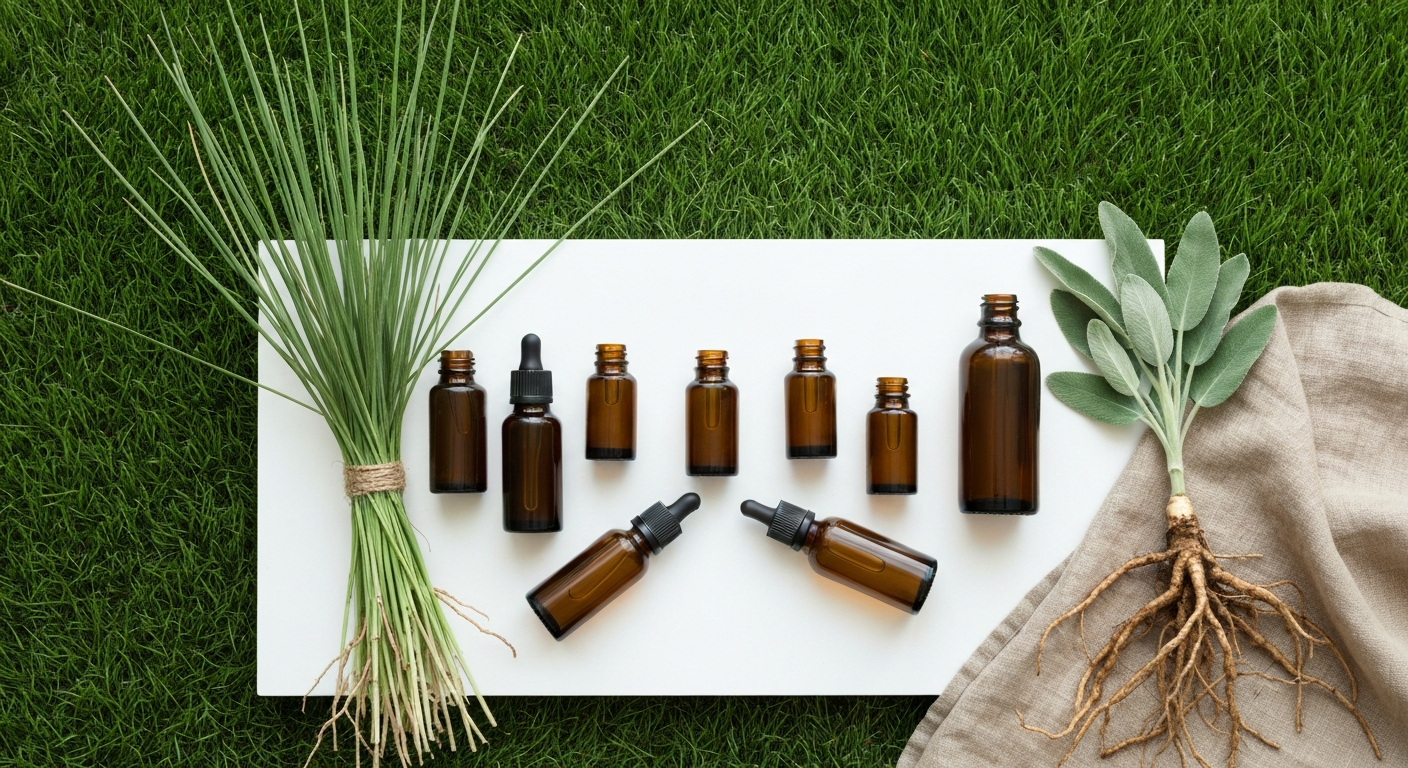
Vetiver oil stands apart from other essential oils in both composition and consistency. Extracted from the roots of Vetiveria zizanioides, this oil carries the essence of deep earth connection. Its thick, almost syrup-like consistency reflects the concentrated nature of compounds that have been slowly developing underground.
The oil's viscosity varies depending on several factors:
- Processing method and distillation time
- Source location and soil conditions
- Age of the oil (vetiver often improves with time)
- Storage temperature and conditions
This natural thickness means that vetiver oil for diffuser use often requires some preparation to achieve optimal dispersion and aromatic release.
Why Standard Diffusers Struggle with Thick Vetiver Oil
Most ultrasonic and nebulizing diffusers are designed for oils with lighter molecular weights. When vetiver oil is too thick for diffuser mechanisms, several issues may arise:
The oil may not disperse evenly, creating inconsistent aromatic output. Diffuser nozzles might clog, reducing or stopping mist production entirely. The heavy molecules may settle instead of staying suspended in the air, limiting the oil's ability to fill your space with its grounding presence.
Understanding these challenges helps us approach how to diffuse vetiver oil more effectively, ensuring you can enjoy its full aromatic benefits without frustrating your diffuser or compromising the oil's integrity.
Safe Dilution Methods for Vetiver Oil
Creating an effective vetiver oil diffuser blend requires understanding proper dilution techniques. These methods maintain the oil's aromatic integrity while making it more compatible with diffuser mechanisms.
Carrier Oil Dilution Method
The most gentle approach involves using light carrier oils to reduce viscosity while preserving vetiver's complex aromatic profile. Fractionated coconut oil works exceptionally well due to its light consistency and neutral scent that won't compete with vetiver's earthy notes.
For effective dilution:
- Start with a 1:1 ratio (equal parts vetiver oil and carrier oil)
- Mix gently in a clean glass container
- Test the consistency by observing how easily it flows
- Adjust ratios as needed for your specific diffuser
Jojoba oil provides another excellent option, offering a slightly richer base that complements vetiver's depth while maintaining good flow properties.
Essential Oil Blending Technique
Combining vetiver with lighter essential oils creates natural thinning while developing complex aromatic layers. This method serves dual purposes: improving flow and creating more nuanced scent profiles.
Effective thinning oils include:
- Sweet orange - adds brightness while maintaining earthiness
- Bergamot - provides citrusy lift without overwhelming vetiver's grounding qualities
- Lemon - offers clean, fresh notes that balance vetiver's heaviness
- Eucalyptus - contributes clarity and improved diffusion properties
Gentle Warming Method
Carefully warming vetiver oil can temporarily reduce its viscosity, making it more compatible with diffuser systems. This approach requires attention to preserve the oil's delicate aromatic compounds.
Safe warming technique:
- Place the vetiver oil bottle in warm (not hot) water for 5-10 minutes
- Ensure water temperature stays below 100°F to preserve oil integrity
- Gently swirl the bottle to encourage even warming
- Use immediately while the oil maintains its reduced viscosity
Creating Perfect Vetiver Diffuser Blends
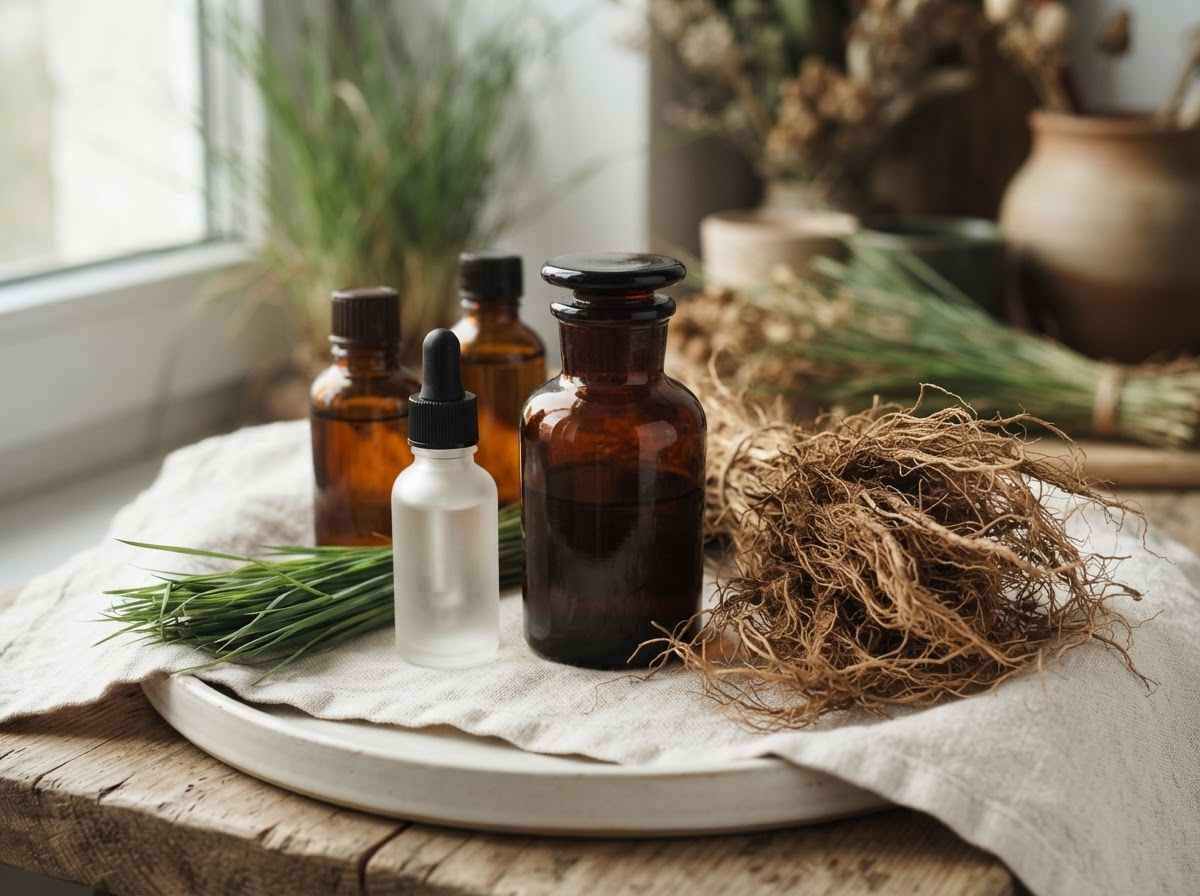
Developing signature vetiver blends transforms the challenge of thick oil into an opportunity for aromatic creativity. These combinations not only solve viscosity issues but create more complex, engaging scent experiences.
Grounding Earth Blend
This blend maintains vetiver's essential grounding qualities while ensuring smooth diffusion:
- 3 drops vetiver oil
- 2 drops cedarwood
- 2 drops sweet orange
- 1 drop patchouli
The citrus notes brighten vetiver's earthiness while cedarwood adds woody depth and improved flow characteristics.
Calming Evening Blend
Perfect for creating peaceful environments, this combination flows beautifully through most diffuser types:
- 2 drops vetiver oil
- 3 drops lavender
- 2 drops bergamot
- 1 drop ylang-ylang
Focus and Clarity Blend
When you need vetiver's grounding properties alongside mental clarity:
- 2 drops vetiver oil
- 3 drops lemon
- 2 drops rosemary
- 1 drop peppermint
Optimizing Your Diffuser for Vetiver Oil
Different diffuser types work better with vetiver's unique properties. Understanding these differences helps you achieve optimal aromatic dispersion.
Ultrasonic Diffusers
These water-based diffusers work well with properly thinned vetiver blends. The key lies in maintaining proper oil-to-water ratios and ensuring adequate dilution. Start with fewer drops than you might use with lighter oils, as vetiver's concentrated nature means a little goes a long way.
Nebulizing Diffusers
Pure oil nebulizers can handle vetiver better than ultrasonic models, but still benefit from slight thinning. These diffusers create more concentrated output, so even small amounts of vetiver oil create significant aromatic presence.
Heat Diffusers
Gentle heat naturally reduces vetiver's viscosity, making these diffusers particularly compatible. However, avoid high heat settings that might damage the oil's delicate aromatic compounds.
Maintenance and Care Tips
Working with vetiver oil requires slightly modified maintenance routines to keep your diffuser functioning optimally.
Regular Cleaning Protocol
Vetiver's thick consistency can leave residue that accumulates over time. Implement this enhanced cleaning routine:
- Empty and rinse the water reservoir after each use
- Weekly deep cleaning with white vinegar solution
- Monthly disassembly and thorough cleaning of all components
- Pay special attention to nozzles and ultrasonic plates
Preventing Clogs
Proactive measures prevent the buildup that can compromise diffuser performance:
- Always dilute vetiver oil before use
- Alternate vetiver sessions with lighter oil blends
- Allow complete drying between uses
- Use distilled water to minimize mineral buildup
Troubleshooting Common Issues
Even with proper preparation, you might encounter challenges when learning how to diffuse vetiver oil effectively. Here are solutions to common problems:
Weak Scent Output
If your vetiver blend seems too subtle, resist the urge to add more drops immediately. Instead, ensure proper dilution ratios and check that your diffuser's ultrasonic plate is clean. Sometimes less is more with vetiver's concentrated nature.
Inconsistent Misting
Irregular mist patterns often indicate oil residue buildup or improper dilution. Clean your diffuser thoroughly and adjust your thinning ratio for better flow.
Clogged Nozzles
When nozzles become blocked, soak removable parts in warm, soapy water followed by a vinegar rinse. For stubborn residue, a soft brush can help remove buildup without damaging delicate components.
Quality Considerations and Storage
The quality of your vetiver oil significantly impacts both its natural consistency and how well it responds to thinning methods. High-quality vetiver oil should flow slowly but steadily at room temperature. If your oil has become extremely thick or crystallized, it may benefit from proper storage adjustment.
Store vetiver oil in a cool, dark place away from temperature fluctuations. While vetiver is remarkably stable, extreme temperature changes can affect its consistency and aromatic properties.
Embracing Vetiver's Aromatic Journey
Working with vetiver oil for diffusers becomes a mindful practice in itself. The process of thinning, blending, and diffusing this remarkable oil connects us more deeply with its grounding essence. Each step—from understanding its natural thickness to creating the perfect blend—invites us to slow down and appreciate the complexity that makes vetiver so special.
The slight extra effort required to properly prepare vetiver for diffusion pays dividends in the depth and richness of the aromatic experience. As you develop your own techniques and preferred blends, you'll discover that vetiver's initial challenges transform into opportunities for greater aromatherapy mastery.
Remember that patience and experimentation are your allies in this journey. Each diffuser, each blend, and each environment may require slight adjustments to achieve optimal results. Trust the process, and allow vetiver's ancient wisdom to guide you toward deeper grounding and aromatic satisfaction.