Vetiver Oil for Hair Growth and Scalp Health: What Research Shows
Vetiver has been part of hair care rituals across South Asia and West Africa for centuries. Long before essential oils became a wellness industry staple, people were working vetiver root into scalp pastes, infusing it into carrier oils, and weaving its earthy scent into their grooming routines. The tradition is deep. The science, while still early, is beginning to catch up.
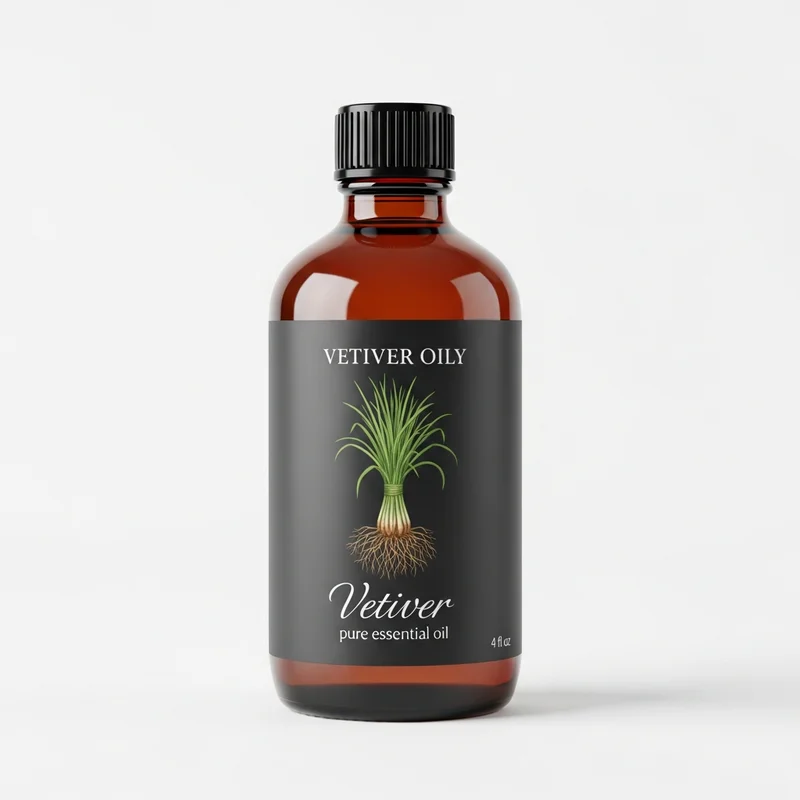 Vetiver Essential Oil
Our own Vetiver Essential Oil, in sizes from 0.5 oz to bulk. From $18.99.
Shop Now →
Vetiver Essential Oil
Our own Vetiver Essential Oil, in sizes from 0.5 oz to bulk. From $18.99.
Shop Now →
This deep dive looks at what current research observations suggest about vetiver oil for scalp and hair, how to use it safely, and what to realistically expect from adding it to your routine.
What Is Vetiver Oil, and Where Does It Come From?
Vetiver essential oil is steam-distilled from the roots of Vetiveria zizanioides, a dense, perennial grass native to India. The roots grow deep into the soil, sometimes reaching several meters down. That depth matters. It is partly responsible for the oil's signature scent profile: smoky, earthy, woody, with a faint sweetness underneath.
The oil is thick and dark amber in color. Its viscosity is noticeably heavier than most essential oils, which means it needs thorough mixing when blended into carrier oils or formulations. It is not a light, breezy floral. It is grounding, slow, and rich.
Vetiver's primary chemical constituents include sesquiterpenes and sesquiterpenoids such as khusimol, isovalencenol, and vetiverol. These compounds are of interest to researchers studying how plant-derived molecules interact with biological systems, including skin and scalp tissue.
What the Research Actually Shows
It is important to be direct here: most research on vetiver oil and hair is preliminary. Studies are often conducted in vitro (in a lab setting, not on humans) or on animal models. Human clinical trials specifically focused on vetiver oil for hair growth are limited. Honest framing matters, so let us walk through what researchers have actually observed.
Scalp Circulation and the Root Environment
Healthy hair growth depends significantly on the condition of the scalp environment. Some research observations on vetiver's sesquiterpene compounds suggest they may support circulation at a topical level when used in massage applications. Scalp massage itself, regardless of which oil is used, has been studied for its potential to support hair follicle stimulation. A small 2016 study published in ePlasty found that standardized scalp massage over 24 weeks was associated with increased hair thickness in participants.
Vetiver oil used during a slow, intentional scalp massage ritual may contribute to this effect by encouraging the kind of mindful, sustained contact that makes scalp massage worthwhile. Whether vetiver's own constituents add an additional layer of benefit beyond the massage itself is still an open question in the research.
Scalp Comfort and Environmental Stressors
Some laboratory observations suggest that certain sesquiterpene compounds found in vetiver may help the scalp maintain a balanced surface environment when exposed to everyday stressors. Researchers have noted that vetiver root extracts show activity in assays related to oxidative stress responses. Oxidative stress at the scalp level is an area of ongoing study in the broader conversation about hair follicle health.
People who work vetiver oil into a regular scalp ritual often report a sense of scalp comfort and reduced sensitivity over time. This is anecdotal, but it is consistent across communities with long traditions of using the oil topically.
Moisture Retention and Hair Shaft Observation
Vetiver's heavier molecular structure may contribute to its reported ability to help seal moisture into the hair shaft when used in oil blends. Some users of vetiver oil for dry or coarse hair textures describe a smoothing and softening effect after consistent use. This falls into the category of cosmetic observation rather than clinically validated outcome, but it is worth noting as part of the full picture.
The oil's fixative properties, well-known in the perfume industry, may also mean that when blended with other beneficial oils, vetiver helps those compounds linger on the scalp and hair longer before evaporating.
How to Use Vetiver Oil for Hair and Scalp
Because vetiver is an essential oil, it must always be diluted before applying to the scalp or skin. Using it undiluted is not recommended and may cause irritation.
Dilution Guidelines
A safe general dilution ratio for scalp use is 1 to 2 percent essential oil in a carrier oil. This means approximately 6 to 12 drops of vetiver essential oil per 30 ml (one ounce) of carrier oil. For those with a sensitive scalp, starting at the lower end (0.5 to 1 percent, or 3 to 6 drops per ounce) is a wise approach.
Always perform a patch test before applying any new blend to your scalp. Apply a small amount of the diluted blend to the inside of your forearm, wait 24 hours, and check for any redness, itching, or discomfort before proceeding.
Safety note: Consult a qualified healthcare provider before using vetiver oil if you are pregnant, nursing, or have a pre-existing skin condition. Essential oils are not a substitute for professional medical advice or care.
Carrier Oil Pairings for Vetiver Scalp Blends
Because vetiver is thick and concentrated, pairing it with the right carrier oil matters both for application ease and for complementary benefits. Some well-regarded options include:
- Jojoba oil: Lightweight and closely resembles scalp sebum, making it easy to apply without heavy residue.
- Castor oil: A traditionally favored hair oil, often used in blend with lighter carriers to temper its weight.
- Argan oil: Rich in fatty acids and often chosen for its nourishing feel on dry or textured hair.
- Coconut oil: A classic carrier with a long history in scalp rituals across tropical cultures.
For more on building a vetiver essential oil blend from scratch, including scent pairing and ratio guidance, see our dedicated blending guide.
A Simple Vetiver Scalp Oil Ritual
This straightforward ritual is designed for a weekly wind-down practice, perhaps on a quiet evening before you wash your hair the following morning.
- Measure 2 tablespoons (approximately 30 ml) of your chosen carrier oil into a small glass bowl or dropper bottle.
- Add 6 to 8 drops of vetiver essential oil. If you find the scent very strong on its own, try adding 4 drops of vetiver alongside 4 drops of a lighter companion oil such as lavender or cedarwood.
- Mix or shake gently to combine.
- Section the hair and apply the blend directly to the scalp using your fingertips or a dropper.
- Massage the scalp slowly for 5 to 10 minutes using firm, circular movements. This is the grounding part of the ritual. Let the earthy scent anchor you to the present moment.
- Wrap hair in a warm towel or loose cap and leave the blend on for at least one hour, or overnight if your pillowcase situation allows.
- Shampoo out thoroughly, using two rounds of shampoo if needed to clear the oil.
Vetiver Scent Pairings That Complement Hair Rituals
Part of building a consistent hair care ritual is enjoying the process enough to repeat it. Scent plays a significant role in that. Vetiver's grounding, smoky base note pairs naturally with several other oils that are also commonly used in scalp care contexts.
| Companion Oil | Scent Contribution | Ritual Feel |
|---|---|---|
| Lavender | Floral, soft, slightly herbaceous | Calming evening wind-down |
| Cedarwood Atlas | Warm, woody, resinous | Forest-bathing atmosphere |
| Rosemary (ct. camphor or verbenone) | Herbal, bright, slightly sharp | Morning focus ritual |
| Patchouli | Deep, musky, earthy | Slow, meditative self-care |
| Ylang Ylang | Sweet, floral, heady | Sensory indulgence ritual |
Keep in mind that total essential oil content in your blend still applies across all oils combined. If you are using three essential oils, the drops of all three added together should stay within the 1 to 2 percent dilution range relative to your carrier volume.
Sourcing Quality Vetiver Oil: What to Look For
The quality of vetiver oil varies considerably by source. The most valued vetiver essential oil is generally considered to come from Haiti, followed by India (particularly the Rajasthan region, where it is known as khus). Each origin produces a somewhat different scent profile. Haitian vetiver tends to be smoother and slightly lighter. Indian khus is often darker, more rooty and complex.
When choosing a vetiver oil for hair and scalp use, look for these quality indicators:
- A clearly stated botanical name: Vetiveria zizanioides or Chrysopogon zizanioides.
- Country of origin listed on the label or product page.
- GC/MS (gas chromatography/mass spectrometry) testing results available on request or published by the brand.
- Dark amber glass bottle to protect the oil from light degradation.
- No carrier oil already added, unless the product is clearly labeled as a pre-diluted blend.
For a broader look at how to choose vetiver essential oil and decode quality markers, our sourcing guide covers the full picture.
Realistic Expectations: What Vetiver Is and Is Not
Vetiver oil is a botanical ingredient with a meaningful history in traditional hair care. Some emerging research observations point to areas of genuine interest, particularly around scalp environment, oxidative stress, and circulation support. At the same time, it is not a clinically validated hair growth product, and no responsible source should position it as one.
What vetiver can offer is a grounding, richly scented addition to a scalp ritual that you may actually look forward to practicing week after week. Consistency matters far more in scalp care than any single ingredient. A ritual you return to regularly, with intention and presence, is almost always more valuable than a passive, sporadic application of even the most botanically complex oil.
If you are curious about incorporating vetiver into a vetiver for hair and skin routine, start simply. One carrier oil. A few drops of vetiver. Ten minutes of your attention. See what the practice offers before layering in complexity.
The roots of the vetiver grass grow downward with remarkable persistence. There is something in that worth borrowing for your own rituals: slow, steady, grounded.