Vetiver Oil for Meditation and Grounding: A Practitioner's Guide
In the quiet moments before dawn, when the world holds its breath between night and day, there exists a sacred space for inner connection. For centuries, practitioners have sought natural allies to deepen their meditation practice and cultivate a profound sense of grounding. Among these botanical companions, vetiver essential oil emerges as a particularly treasured guide—its earthy, complex aroma serving as an anchor for wandering minds and restless spirits.
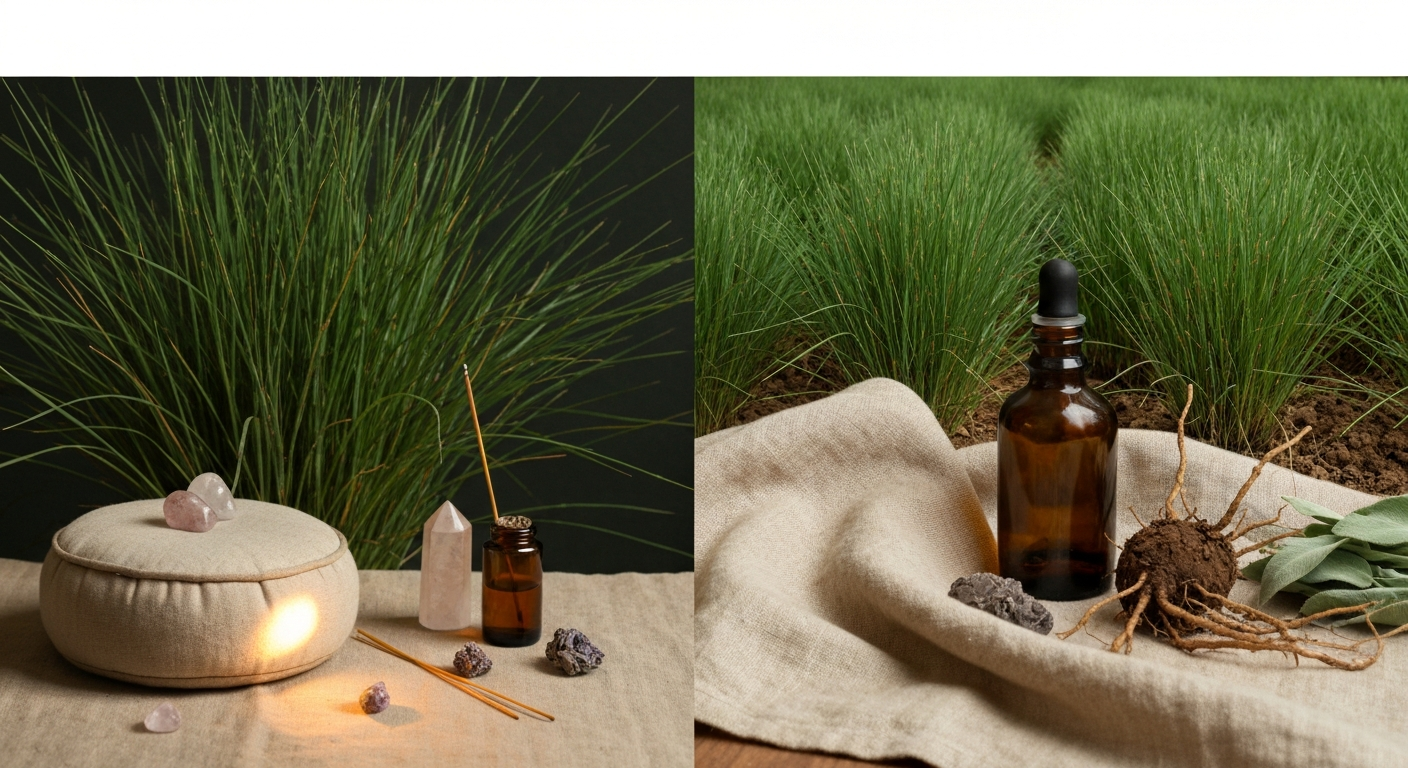
Vetiver, scientifically known as Vetiveria zizanioides, carries within its roots the wisdom of deep earth connection. When distilled into essential oil, these roots release an intricate bouquet that many practitioners describe as both calming and centering—qualities that have made vetiver meditation a cornerstone practice in aromatherapy circles worldwide.
Understanding Vetiver's Grounding Nature
The concept of grounding—or earthing—in meditation refers to the practice of connecting deeply with the present moment while cultivating stability and rootedness. Vetiver grounding oil offers a sensory pathway to this state through its unique aromatic profile. Unlike lighter, more volatile oils that seem to lift consciousness upward, vetiver's heavy, complex molecules create an olfactory experience that many describe as deeply anchoring.
Some research suggests that certain aromatic compounds found in vetiver may influence the limbic system, the brain's emotional processing center. While individual responses vary greatly, practitioners often report that vetiver's scent helps create a sense of inner stillness and mental clarity during contemplative practices.
The oil's grounding qualities may stem partly from its botanical origins. Vetiver plants develop extensive root systems that can reach depths of up to ten feet, creating remarkable soil stability. This deep-rooted nature translates metaphorically into the oil's traditional use for promoting emotional stability and mental grounding.
The Science of Scent and Meditation
The relationship between aroma and meditative states has fascinated researchers and practitioners alike. When we inhale essential oil molecules, they interact with olfactory receptors that send signals directly to the limbic system, bypassing the rational mind's filters. This direct pathway may explain why certain scents can so quickly shift our mental state.
Anecdotal evidence from meditation practitioners suggests that consistent use of the same aromatic anchor—such as vetiver for mindfulness practices—may help condition the mind to enter contemplative states more readily. This phenomenon, sometimes called "scent anchoring," involves creating positive associations between specific aromas and desired mental states.
Traditional aromatherapy texts describe vetiver as having a "cooling" and "calming" energetic quality, though these descriptions reflect historical use rather than scientifically proven effects. Modern practitioners often incorporate these traditional perspectives into their personal practice while maintaining realistic expectations about the oil's role as a supportive tool rather than a magical solution.
Practical Applications for Meditation
Diffusion Methods
Creating an aromatic environment for meditation requires thoughtful consideration of diffusion methods. Vetiver's thick consistency and potent aroma mean that a little goes a long way. For ultrasonic diffusers, start with just 1-2 drops of vetiver mixed with 3-4 drops of a lighter oil like sweet orange or lavender to help disperse the heavier molecules.
Reed diffusers offer another gentle approach for ongoing aromatic support. Vetiver blends particularly well with sandalwood and cedarwood for creating a woody, grounding atmosphere that may support extended meditation sessions.
Personal Application Techniques
Direct inhalation provides the most immediate aromatic experience. Apply one drop of properly diluted vetiver oil (2-3% dilution in a carrier oil) to a tissue or inhaler, then take three slow, conscious breaths before beginning your practice. This simple ritual may help signal to your nervous system that it's time to shift into a more contemplative state.
Safety Note: Always dilute vetiver essential oil before skin application. Perform a patch test 24 hours before use, and avoid application if you have sensitive skin or known allergies to grass-family plants.
Anointing Practices
Many practitioners incorporate gentle anointing into their pre-meditation routine. Mix 1-2 drops of vetiver with a teaspoon of carrier oil such as jojoba or fractionated coconut oil. Apply small amounts to pulse points—wrists, temples, or the heart center—while setting intentions for your practice.
Blending Vetiver for Enhanced Meditation
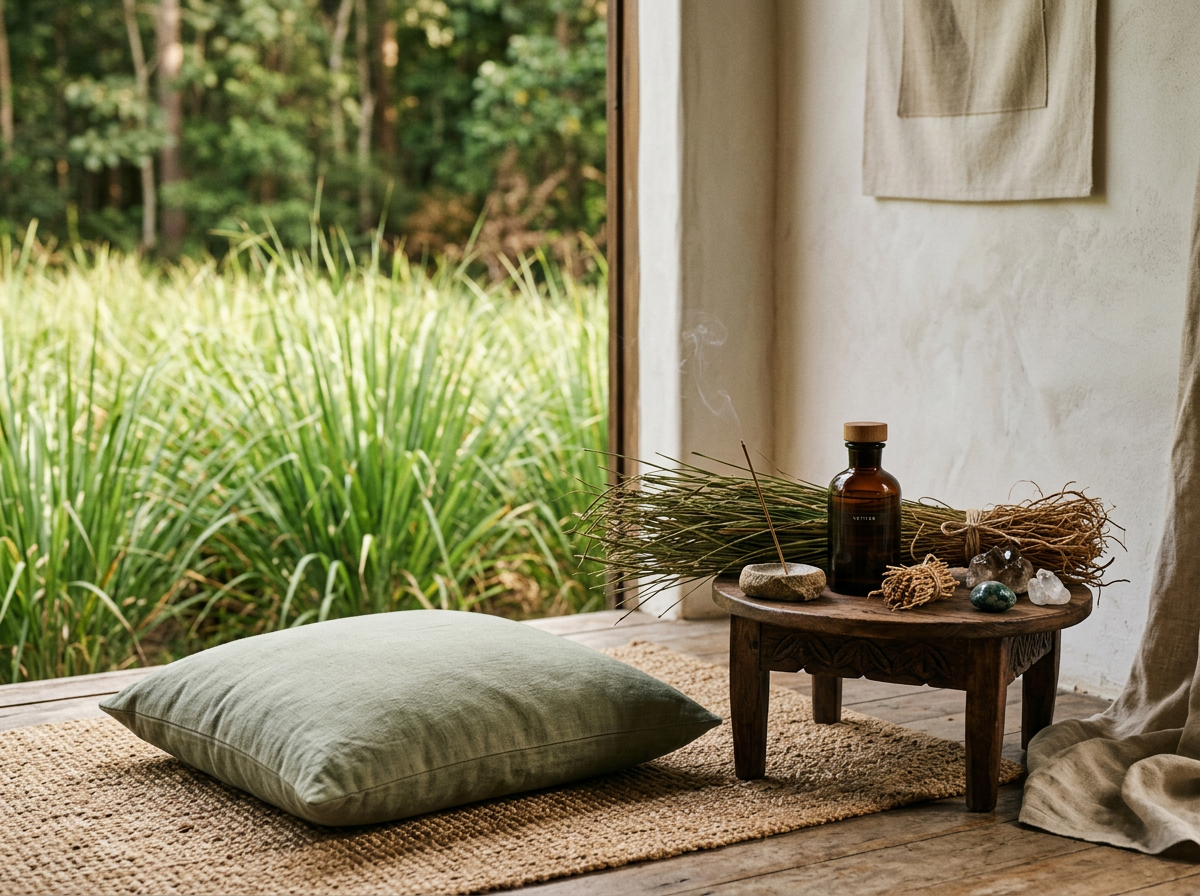
Vetiver's complex aroma profile makes it an excellent base note for meditation blends. Its earthy depth provides stability while allowing other oils to add their unique qualities to the aromatic symphony.
Grounding Blend Recipe
- 2 drops Vetiver
- 3 drops Sandalwood
- 2 drops Frankincense
- 1 drop Myrrh
This combination traditionally supports deep contemplation and may help practitioners feel more connected to their inner wisdom. Dilute this blend in 2 tablespoons of carrier oil for topical use, or use sparingly in a diffuser.
Balancing Blend for Restless Minds
- 1 drop Vetiver
- 3 drops Lavender
- 2 drops Roman Chamomile
- 2 drops Sweet Orange
This gentler combination may appeal to those who find pure vetiver too intense while still providing grounding support during meditation practice.
Integrating Vetiver into Different Meditation Styles
Mindfulness Meditation
In mindfulness practice, vetiver for mindfulness work involves using the oil's aroma as an anchor for present-moment awareness. Begin by taking three conscious breaths of the diluted oil, then use the lingering scent as a point of return when your mind wanders. The complex, evolving nature of vetiver's aroma can provide rich sensory detail for sustained attention.
Movement-Based Meditation
For walking meditation or gentle yoga practices, apply diluted vetiver oil to the soles of your feet before beginning. Many practitioners report that this application method enhances their sense of connection to the earth and supports graceful, mindful movement.
Contemplative Prayer
Vetiver's traditional use in spiritual practices across various cultures makes it a natural companion for contemplative prayer. Its deep, reverent aroma may support the creation of sacred space and help practitioners enter states of devotional contemplation.
Seasonal Considerations and Storage
Vetiver's grounding qualities may feel particularly supportive during certain times of year. Many practitioners find it especially beneficial during autumn and winter months, when the earth's energy naturally turns inward and downward. The oil's warming energetic quality may provide comfort during colder seasons when maintaining consistent meditation practice can feel more challenging.
Proper storage ensures vetiver oil maintains its complex aromatic profile. Store in dark glass bottles away from heat and light. Due to its thick consistency, vetiver may benefit from gentle warming before use—simply hold the bottle in your hands for a few minutes to improve flow.
Building a Sustainable Practice
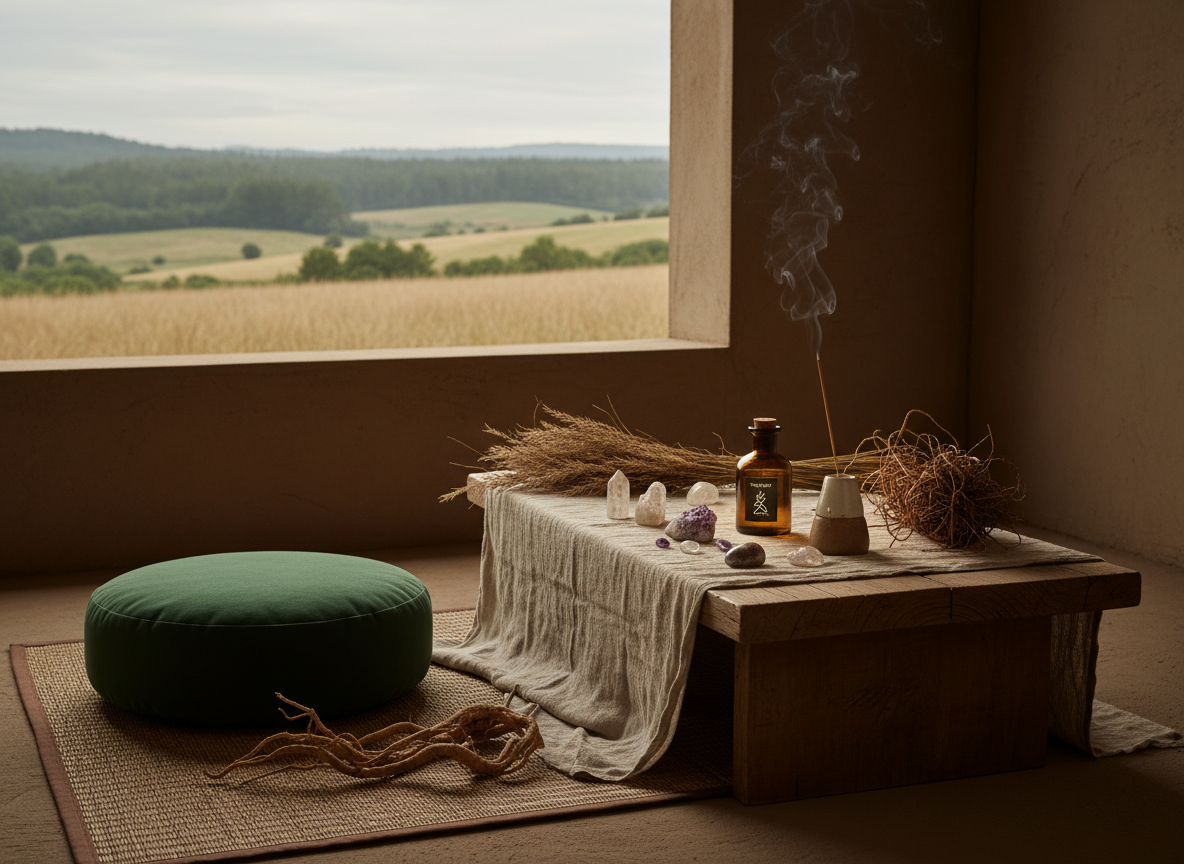
Creating a meaningful relationship with vetiver as a meditation ally requires patience and consistency. Start with small amounts and brief sessions, allowing your sensitivity to the oil to develop naturally over time. Some practitioners find that their appreciation for vetiver's subtle complexities deepens with regular use.
Keep a simple meditation journal noting how different dilutions and application methods affect your practice. This mindful observation can help you discover the most supportive approaches for your unique constitution and meditation style.
Choosing Quality Vetiver Oil
The quality of vetiver essential oil can vary significantly based on sourcing, distillation methods, and storage practices. Look for oils that specify the botanical name (Vetiveria zizanioides) and provide information about the geographic origin and distillation process.
High-quality vetiver should present a complex aroma profile that evolves over time when applied to skin or diffused into air. The scent typically opens with earthy, sometimes smoky top notes, revealing deeper woody and slightly sweet undertones as it develops.
Honoring the Source
As we incorporate vetiver into our meditation practice, it's important to remember that this precious oil comes from plants with deep cultural and ecological significance. Vetiver grass plays crucial roles in soil conservation and sustainable agriculture in many regions where it's cultivated.
Supporting suppliers who work directly with farming communities and practice sustainable harvesting methods helps ensure that our meditation practice contributes to rather than depletes the ecosystems that provide these aromatic gifts.
Moving Forward with Mindful Practice
Vetiver essential oil offers a pathway to deeper meditation and enhanced grounding, but its true value lies not in any miraculous properties, but in how it supports our commitment to regular practice and present-moment awareness. Like the deep roots of the vetiver plant itself, our meditation practice grows stronger and more stable through consistent, patient cultivation.
Whether you're drawn to vetiver's complex aroma for its grounding qualities, its traditional associations with spiritual practice, or simply its unique beauty, remember that essential oils are tools to support—not replace—the inner work of meditation. The real transformation happens in the quiet moments of simply being present, breath after breath, moment after moment.
Disclaimer: Essential oils are not intended to diagnose, treat, cure, or prevent any disease. The information provided is for educational purposes only. Please consult with a qualified healthcare provider before using essential oils, especially if you are pregnant, nursing, or have any medical conditions.