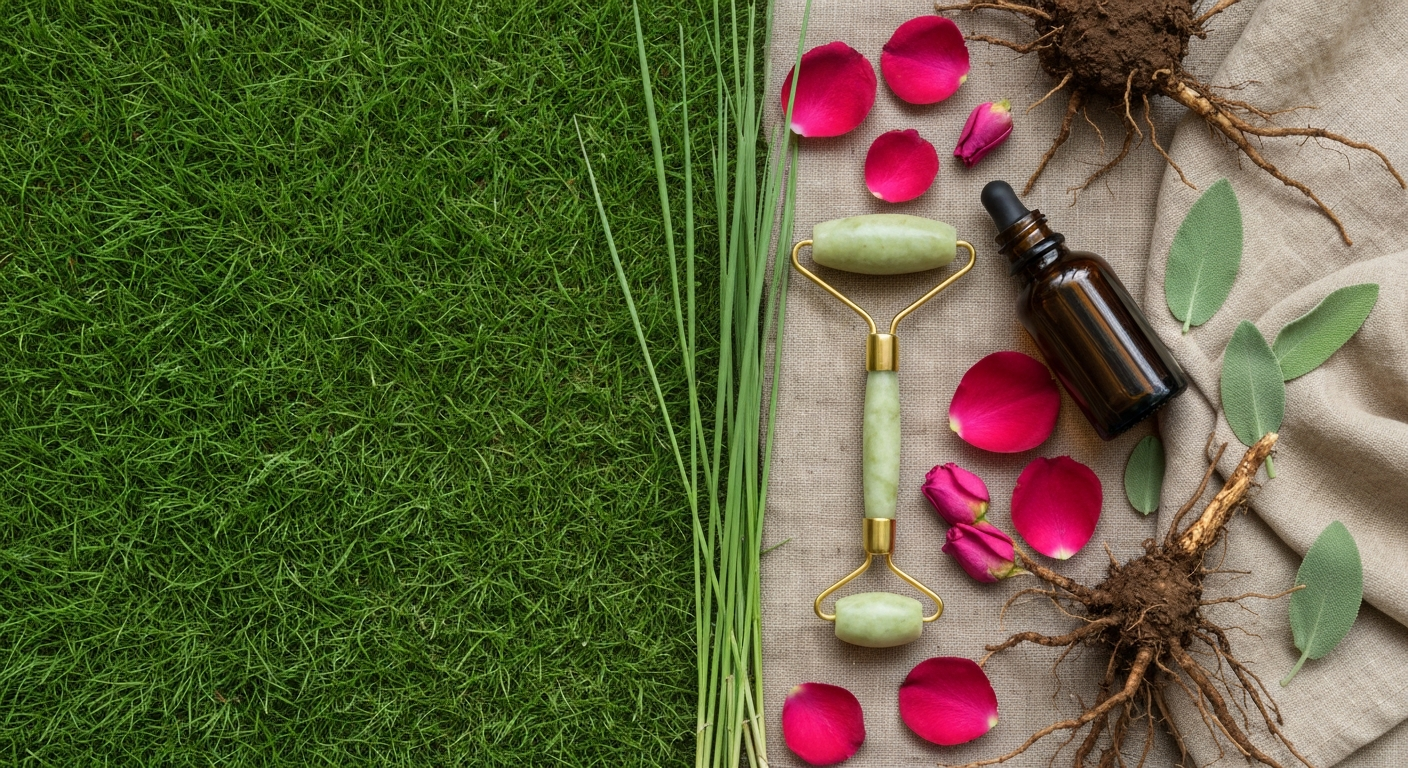
Vetiver Oil for Skin: Anti-Aging, Scars, and Complexion Benefits
In the quiet moments of our skincare rituals, we often seek ingredients that connect us to nature's ancient wisdom. Vetiver essential oil, distilled from the deep roots of Chrysopogon zizanioides, has been treasured across cultures for centuries, with traditional uses that may support skin health in gentle, grounding ways.
This earthy, complex oil carries within it the essence of roots that dig deep into the earth, seeking stability and nourishment. As we explore vetiver oil for skin applications, we discover a world where traditional knowledge meets modern mindfulness—where the journey toward healthy-looking skin becomes an act of self-care rooted in nature's offerings.
Understanding Vetiver Oil's Skin-Supporting Properties
Vetiver essential oil contains a complex array of naturally occurring compounds that researchers have observed with interest. Some studies suggest that certain sesquiterpenes found in vetiver, such as vetiverol and khusimol, may possess properties traditionally associated with skin support, though it's important to note that research is ongoing and results should not be interpreted as medical claims.
The oil's molecular composition creates its distinctive deep, woody aroma while potentially contributing to its traditional reputation in skincare. People have reported experiences with vetiver oil that suggest it may help promote a sense of skin comfort, though individual responses can vary significantly.
Traditional Uses Across Cultures
Throughout history, various cultures have incorporated vetiver into their traditional skincare practices:
- Ayurvedic traditions: Vetiver has been traditionally used in India for skin applications, often as part of cooling preparations during hot seasons
- Southeast Asian practices: Traditional healers have historically incorporated vetiver into formulations intended to support skin appearance
- Caribbean folk medicine: Island communities have long valued vetiver for its traditional role in skincare routines
While these traditional uses offer fascinating insights, it's essential to approach them as cultural wisdom rather than proven medical treatments.
Vetiver Anti-Aging Oil: What Research Suggests
The concept of "anti-aging" in skincare focuses on supporting the skin's natural processes as we mature gracefully. Some preliminary research has explored vetiver's potential role in this area, though findings should be viewed as observational rather than conclusive.
Antioxidant Activity Observations
Laboratory studies have observed that vetiver essential oil may exhibit antioxidant properties in controlled settings. Some research suggests these properties might theoretically support the skin's natural defenses against environmental stressors, though translating laboratory findings to real-world skin benefits requires careful interpretation.
Anecdotal reports from aromatherapy practitioners and essential oil enthusiasts sometimes describe experiences where vetiver oil, when properly diluted and used consistently, may help promote a sense of skin vitality. However, these personal accounts cannot substitute for rigorous scientific validation.
Supporting Skin's Natural Renewal Process
Traditional use suggests that vetiver oil might support the skin's natural renewal processes when used as part of a holistic skincare approach. Some people report that regular use of properly diluted vetiver oil may help promote a sense of skin smoothness and comfort, though individual experiences vary widely.
It's crucial to understand that no essential oil, including vetiver, can stop or reverse the natural aging process. Instead, the focus should be on supporting overall skin health through gentle, consistent care practices.
Vetiver Skin Benefits for Scars and Skin Texture
One of the most frequently discussed traditional applications of vetiver oil involves its historical use for skin marks and texture concerns. While scientific evidence remains limited, traditional practices and anecdotal reports offer insights worth exploring.
Traditional Scar Care Approaches
In traditional medicine systems, vetiver has sometimes been incorporated into preparations intended to support the appearance of skin marks and scars. Some practitioners suggest that the oil's properties might help promote a sense of skin comfort during the natural healing process, though it's important to note that scar formation is a complex biological process that requires professional medical guidance.
People report various experiences when using vetiver oil on older scars, with some describing improvements in how the skin feels and appears over time. However, these accounts represent individual experiences rather than guaranteed outcomes.
Application Considerations for Skin Texture
When considering vetiver for skin texture concerns, proper dilution and application methods become paramount:
- Dilution ratios: Always dilute vetiver oil to 1-2% concentration (6-12 drops per ounce of carrier oil) for facial applications
- Carrier oil selection: Choose nourishing carriers like rosehip seed, jojoba, or sweet almond oil that may complement vetiver's traditional properties
- Patch testing: Perform a patch test 24-48 hours before broader application to assess individual skin sensitivity
- Gradual introduction: Begin with lower concentrations and less frequent applications to allow skin adjustment
Complexion Support and Daily Skincare Integration
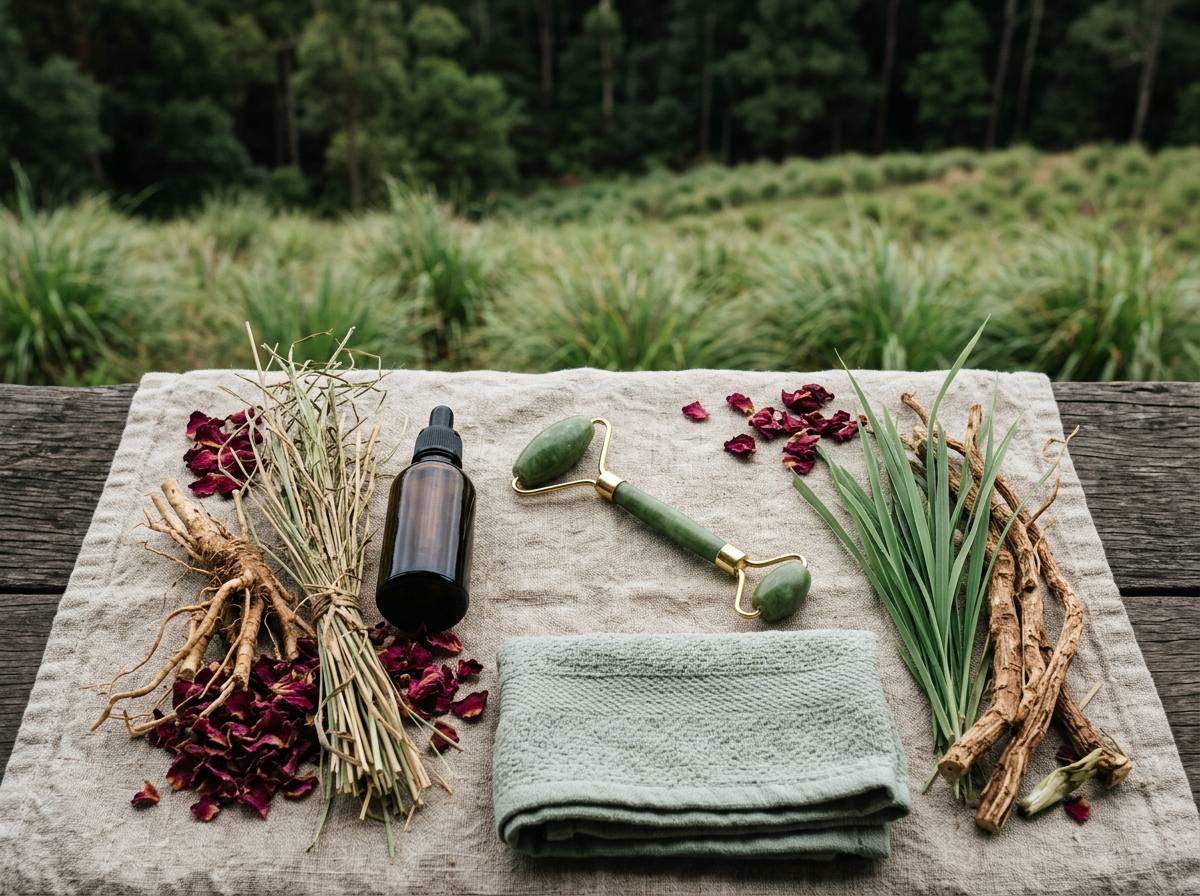
Vetiver skin benefits may extend to overall complexion support, though approaching this requires patience and realistic expectations. The oil's traditional reputation suggests it might help promote a sense of skin balance when incorporated mindfully into daily routines.
Creating a Vetiver-Infused Skincare Ritual
Integrating vetiver oil into your skincare practice can become a grounding ritual that connects you with nature's rhythms:
Morning Serum Blend:
- 2 drops vetiver essential oil
- 1 ounce rosehip seed oil
- Apply 2-3 drops to clean, damp skin before moisturizer
Evening Facial Oil:
- 3 drops vetiver essential oil
- 1 drop lavender essential oil
- 1 ounce jojoba oil
- Use as final step in evening routine
Weekly Treatment Mask:
- 1 drop vetiver essential oil
- 1 tablespoon raw honey
- 1 teaspoon finely ground oats
- Apply for 15-20 minutes, rinse gently
Safety Considerations and Best Practices
While vetiver essential oil is generally considered gentle compared to some essential oils, proper safety practices remain essential for positive experiences.
Dilution Guidelines
| Application Area | Recommended Dilution | Drops per Ounce of Carrier |
|---|---|---|
| Facial skin | 0.5-1% | 3-6 drops |
| Body skin | 1-2% | 6-12 drops |
| Specific concerns | 2-3% | 12-18 drops |
Important Precautions
- Pregnancy and nursing: Consult qualified healthcare providers before use during pregnancy or while breastfeeding
- Children: Avoid use on children under 6 years; use lower dilutions for older children
- Sensitive skin: Always perform patch tests and start with minimal concentrations
- Sun sensitivity: While vetiver is not typically photosensitizing, monitor skin response when using during sunny periods
- Existing skin conditions: Those with eczema, dermatitis, or other skin conditions should consult healthcare providers before use
Choosing Quality Vetiver Oil for Skincare
The quality of vetiver essential oil significantly impacts both safety and potential benefits. When selecting vetiver oil for skin applications, consider these factors:
Quality Indicators
- Steam distillation method: Look for oils extracted through traditional steam distillation of vetiver roots
- Origin transparency: Reputable suppliers provide information about sourcing location and harvesting practices
- Third-party testing: Quality oils often include GC/MS analysis results showing chemical composition
- Packaging: Dark glass bottles protect oil integrity from light degradation
- Price considerations: Extremely low prices may indicate adulteration or poor quality
Storage and Longevity
Proper storage extends vetiver oil's shelf life and maintains its potential skin-supporting properties:
- Store in cool, dark locations away from heat sources
- Keep bottles tightly sealed to prevent oxidation
- Consider refrigeration for extended storage
- Use within 3-5 years of opening for optimal quality
Combining Vetiver with Other Natural Ingredients
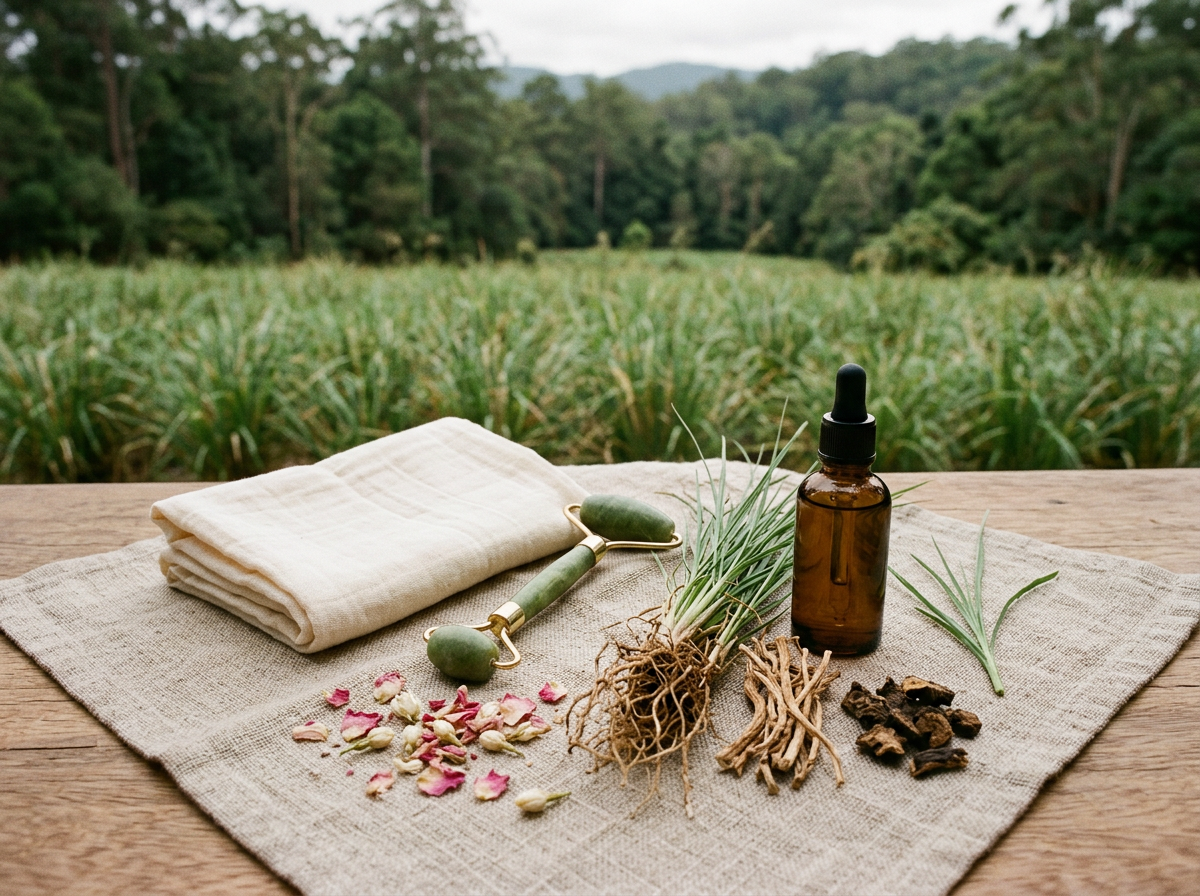
Vetiver oil often works synergistically with other natural skincare ingredients, creating blends that may offer enhanced traditional benefits.
Complementary Essential Oils
- Frankincense: Traditionally valued for mature skin support
- Geranium: May help promote skin balance
- Lavender: Gentle and widely appreciated for skin comfort
- Rosemary: Antioxidant properties observed in some research
Nourishing Carrier Oils
- Rosehip seed oil: Rich in vitamins and traditionally used for skin marks
- Argan oil: Lightweight and traditionally valued for anti-aging support
- Jojoba oil: Closely mimics skin's natural sebum
- Sea buckthorn oil: High in beneficial fatty acids and carotenoids
Setting Realistic Expectations
As we conclude this exploration of vetiver oil for skin applications, it's essential to maintain grounded expectations. While traditional uses and anecdotal reports suggest promising possibilities, vetiver essential oil is not a miracle solution for skin concerns.
The journey toward healthier-looking skin requires patience, consistency, and often a holistic approach that includes proper nutrition, adequate sleep, stress management, and professional skincare guidance when needed. Vetiver oil may serve as one supportive element in this broader wellness practice.
For persistent skin concerns, significant scarring, or any condition that causes distress, consulting with qualified dermatologists or healthcare providers remains the most prudent course of action. Essential oils, including vetiver, should complement rather than replace professional medical care.
Embracing the Mindful Skincare Journey
Using vetiver oil for skin care becomes more than just application—it transforms into a mindful ritual that connects us with nature's wisdom and our own self-care practices. The deep, earthy aroma of vetiver can anchor us in the present moment, making our skincare routine a grounding experience that nurtures both skin and spirit.
As you explore vetiver's traditional skin benefits, remember that true beauty often emerges from consistent, gentle care rather than dramatic overnight changes. Allow yourself to enjoy the process, observe your skin's responses with curiosity rather than judgment, and celebrate the small improvements that come with dedicated attention to your skin's needs.
In the end, vetiver oil offers us an invitation to slow down, connect with natural ingredients, and approach skincare as an act of self-compassion. Whether supporting the appearance of scars, exploring anti-aging applications, or simply enjoying the ritual of natural skincare, vetiver reminds us that the most profound transformations often happen gradually, rooted in patience and consistent care.