
Vetiver Oil for Sleep and Insomnia: Science-Backed Strategies for Deep Rest
Key Takeaways
- Vetiver oil's earthy, grounding aroma may help promote a sense of calm conducive to sleep
- Research suggests vetiver may support relaxation through its interaction with the nervous system
- Proper dilution and application methods are essential for safe nighttime use
- Combining vetiver with complementary oils and mindful practices may enhance bedtime routines
- Individual responses vary; always consult healthcare providers for persistent sleep concerns

In our fast-paced world, quality sleep often feels elusive. Many people are turning to natural approaches to support their nightly rest, and vetiver essential oil has emerged as a compelling option. Known as the "oil of tranquility," vetiver's deep, earthy aroma has been traditionally associated with grounding and calming properties that may help create an environment conducive to peaceful sleep.
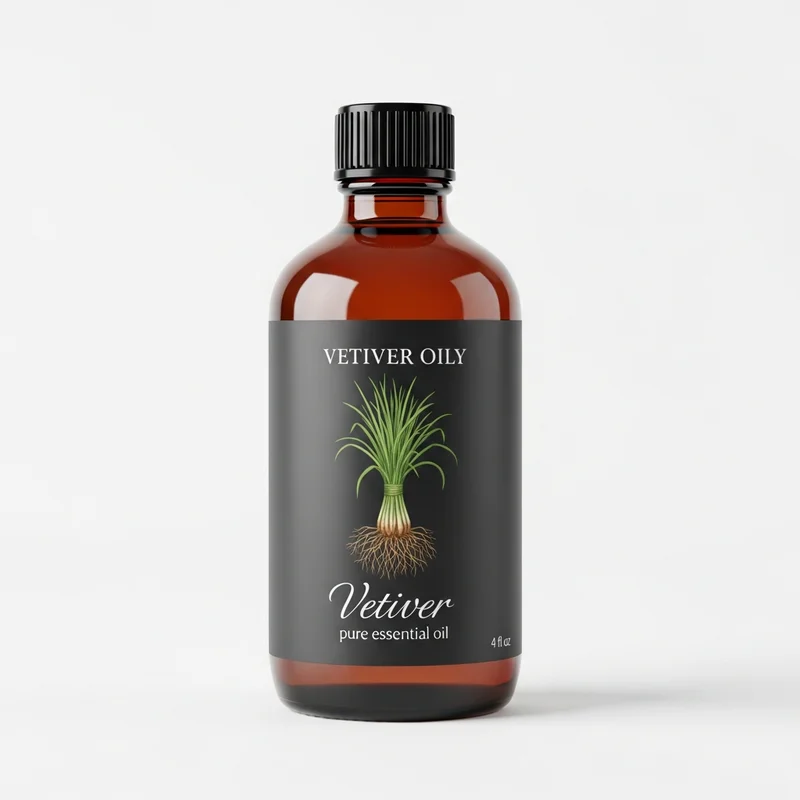
Vetiver Essential Oil
Our own Vetiver Essential Oil, in sizes from 0.5 oz to bulk.
From $18.99
Shop Now →This comprehensive guide explores the research-backed strategies for incorporating vetiver oil for sleep support, offering practical applications while maintaining a mindful approach to natural wellness. We'll examine what current science suggests about vetiver's potential benefits and provide detailed guidance for creating your own sleep-supportive rituals.
Table of Contents
- Understanding Vetiver Oil and Sleep Science
- Research Insights: What Studies Suggest
- Safe Application Methods for Bedtime
- DIY Sleep-Support Blends and Recipes
- Creating Mindful Bedtime Rituals
- Complementary Natural Sleep Strategies
- Safety Considerations and Best Practices
- Troubleshooting Common Sleep Challenges
Understanding Vetiver Oil and Sleep Science
Vetiver (Vetiveria zizanioides) is a perennial grass native to India, renowned for its complex root system that produces one of aromatherapy's most distinctive essential oils. The oil's unique chemical profile, rich in sesquiterpenes and other aromatic compounds, gives it a deep, smoky, and profoundly grounding scent that many describe as "nature's sedative."
The Sleep Connection
Sleep is a complex physiological process governed by our circadian rhythms and influenced by numerous factors including stress levels, environmental conditions, and nervous system activity. Traditional aromatherapy practices have long recognized vetiver's potential to support the transition into restful states, and modern research is beginning to explore the mechanisms behind these observations.
The human olfactory system connects directly to the limbic brain, which governs emotions and stress responses. When we inhale aromatic compounds from vetiver essential oil bedtime applications, these molecules may influence neurotransmitter activity and help shift the nervous system toward a more parasympathetic (rest-and-digest) state.
Chemical Composition and Sleep Support
Vetiver oil contains several key compounds that researchers believe may contribute to its calming properties:
- Vetiveryl acetate: May support relaxation responses
- Vetivones: Could influence mood and stress perception
- Khusimol: A sesquiterpene that some research suggests may have calming effects
- β-Vetivone: May interact with neurotransmitter systems
While these compounds show promise in preliminary studies, it's important to note that essential oil research is still evolving, and individual responses can vary significantly.
Research Insights: What Studies Suggest
The scientific exploration of vetiver oil's potential sleep-supportive properties is growing, though much research remains in early stages. Current studies offer intriguing insights while highlighting the need for continued investigation.
Nervous System Studies
Some research suggests that vetiver oil may influence the central nervous system in ways that could support relaxation. A 2015 study published in natural product research indicated that certain sesquiterpenes found in vetiver might interact with GABA receptors, which play crucial roles in calming neural activity.
However, researchers emphasize that these findings are preliminary, and the mechanisms by which aromatherapy oils influence sleep patterns require further study. The complex interplay between scent, emotion, and physiological responses makes this an active area of scientific inquiry.
Stress Response Research
Several studies have examined vetiver's potential effects on stress markers, which indirectly relate to sleep quality. Research published in complementary medicine journals suggests that inhaling vetiver oil may help support the body's natural stress response patterns, though more human clinical trials are needed to confirm these effects.
One small study observed that participants who used vetiver oil sleep quality protocols reported subjective improvements in their rest patterns, though researchers noted the importance of placebo-controlled trials to validate these findings.

Traditional Use Documentation
Beyond modern scientific inquiry, vetiver has extensive traditional use documentation spanning centuries. In Ayurvedic practices, vetiver has been traditionally used to support cooling and calming effects, particularly during times of mental agitation or restlessness.
Traditional Chinese Medicine also recognizes vetiver's potential to help "quiet the spirit" and support peaceful states. While traditional use doesn't constitute scientific proof, it provides valuable context for understanding how different cultures have approached vetiver's applications.
Safe Application Methods for Bedtime
Creating a safe and effective vetiver insomnia remedy approach requires understanding proper dilution, application methods, and timing. Always remember that essential oils are highly concentrated plant extracts that require careful handling.
Diffusion Methods
Aromatherapy diffusion is one of the gentlest ways to introduce vetiver's aroma into your sleep environment:
Ultrasonic Diffuser Protocol:
- Add 3-5 drops of vetiver oil to your diffuser
- Run for 15-30 minutes before bedtime
- Consider timer settings to avoid overnight operation
- Ensure adequate room ventilation
For more comprehensive diffusion guidance, explore our detailed vetiver diffuser blends for sleep recommendations.
Topical Application Guidelines
Safety First: Never apply undiluted essential oils directly to skin. Always perform a patch test before first use.
Dilution Ratios for Sleep Support:
| Application Area | Dilution Ratio | Carrier Oil Amount | Vetiver Drops |
|---|---|---|---|
| Pulse Points | 1-2% | 1 tablespoon | 3-6 drops |
| Foot Massage | 2-3% | 1 tablespoon | 6-9 drops |
| Full Body Massage | 1% | 2 tablespoons | 6 drops |
Recommended Carrier Oils for Sleep Blends:
- Jojoba oil (lightweight, non-comedogenic)
- Sweet almond oil (nourishing, gentle)
- Fractionated coconut oil (quick-absorbing)
- Grapeseed oil (light texture, suitable for sensitive skin)
Inhalation Techniques
Direct Inhalation:
- Place 1-2 drops on a tissue or cotton pad
- Hold 6 inches from nose and inhale gently
- Practice mindful breathing for 2-3 minutes
- Place the tissue near your pillow (not directly under face)
Steam Inhalation (occasional use only):
- Add 2-3 drops to a bowl of warm water
- Create a tent with a towel over your head
- Inhale gently for 5-10 minutes
- Keep eyes closed to prevent irritation
DIY Sleep-Support Blends and Recipes
Creating your own vetiver oil for sleep blends allows for personalization while maintaining cost-effectiveness. These recipes combine vetiver with complementary oils traditionally associated with relaxation support.
The "Deep Roots" Bedtime Blend
Ingredients:
- 4 drops vetiver essential oil
- 3 drops lavender essential oil
- 2 drops cedarwood essential oil
- 1 drop ylang-ylang essential oil
- 2 tablespoons jojoba oil
Instructions:
- Combine essential oils in a dark glass bottle
- Add carrier oil and gently swirl to mix
- Allow to synergize for 24 hours before first use
- Apply to pulse points 30 minutes before bedtime
- Store in cool, dark place for up to 6 months
Grounding Sleep Roller Recipe
For convenient application, create a vetiver roller blend specifically designed for bedtime use:
Ingredients (for 10ml roller bottle):
- 3 drops vetiver essential oil
- 2 drops frankincense essential oil
- 2 drops sweet orange essential oil
- Fill remainder with fractionated coconut oil
Application Points:
- Behind ears
- Base of neck
- Wrists
- Temples (avoid eye area)
- Chest (heart center)
Pillow and Linen Spray
"Tranquil Earth" Room Spray:
- 2 oz distilled water
- 1 oz witch hazel
- 8 drops vetiver essential oil
- 6 drops lavender essential oil
- 4 drops sandalwood essential oil
Safety Notes:
- Test spray on inconspicuous fabric area first
- Shake well before each use (oils and water separate)
- Spray linens 15-20 minutes before bedtime to allow settling
- Avoid spraying directly on pillowcase where face will contact
Bath Blend for Evening Relaxation
"Earth's Embrace" Bath Soak:
- 1 cup Epsom salt
- 1/4 cup dead sea salt
- 4 drops vetiver essential oil
- 3 drops bergamot essential oil
- 2 drops patchouli essential oil
- 1 tablespoon carrier oil (to disperse essential oils)
Instructions:
- Mix essential oils with carrier oil first
- Combine with salts in storage container
- Add 2-3 tablespoons to warm bath water
- Soak for 15-20 minutes, 1-2 hours before intended bedtime
Creating Mindful Bedtime Rituals
Integrating vetiver essential oil bedtime practices into mindful evening rituals can amplify the potential benefits through the power of intention and consistent routine. The mind responds well to predictable patterns that signal the transition from day to night.
The Five-Sense Sleep Ritual
This holistic approach engages all senses to create a comprehensive wind-down experience:
Sight:
- Dim lights 1 hour before bedtime
- Use warm-toned lighting (avoid blue light)
- Create visual calm with minimal, organized spaces
- Consider candles (safely extinguished before sleep)
Sound:
- Play soft, ambient music or nature sounds
- Practice conscious breathing to create internal rhythm
- Consider gentle chanting or humming
- Embrace mindful silence
Scent (Vetiver Integration):
- Begin diffusion 30 minutes before sleep routine
- Apply diluted vetiver blend during evening self-care
- Use room spray on linens as part of bed preparation
- Practice intentional breathing with vetiver inhalation
Touch:
- Self-massage with vetiver-infused oils
- Use soft, natural fiber pajamas and bedding
- Practice gentle stretching or yoga
- Engage in mindful touch of natural textures
Taste:
- Herbal tea ritual (chamomile, passionflower)
- Avoid heavy meals 3 hours before bed
- Practice mindful sipping as meditation
- Stay hydrated but limit fluids 1 hour before sleep
Grounding Meditation with Vetiver
This practice combines the earthy essence of vetiver with visualization techniques:
Preparation:
- Apply diluted vetiver blend to pulse points
- Sit comfortably or lie in bed
- Place a tissue with 1-2 drops vetiver nearby
- Ensure comfortable temperature and minimal distractions
The Practice:
- Breath Awareness (3 minutes): Focus on natural breath rhythm while inhaling vetiver's aroma
- Body Scan (5 minutes): Progressively relax each body part, starting from toes
- Root Visualization (5 minutes): Imagine roots growing from your body into the earth, drawing up calm energy
- Release Technique (2 minutes): Visualize releasing day's tensions down through these roots
- Integration (5 minutes): Rest in peaceful awareness, allowing natural drowsiness
Journaling for Sleep Preparation
Combine the grounding qualities of vetiver with reflective writing:
"Earth's Wisdom" Evening Pages:
- Keep a dedicated sleep journal beside your bed
- Apply vetiver pulse point blend before writing
- Write three things you're grateful for from the day
- Note any worries and consciously "plant" them for tomorrow's attention
- Set gentle intentions for restful sleep
- Record any patterns you notice in sleep quality
Complementary Natural Sleep Strategies
While vetiver oil may offer valuable support for sleep routines, it works best as part of a comprehensive approach to sleep hygiene. Consider these complementary strategies to enhance your vetiver oil sleep quality efforts:
Sleep Environment Optimization
Temperature Control:
- Maintain bedroom temperature between 60-67°F (15-19°C)
- Use breathable bedding materials
- Consider cooling mattress pads for hot sleepers
- Ensure adequate ventilation
Light Management:
- Install blackout curtains or eye masks
- Remove electronic devices or use blue light filters
- Consider red light therapy devices for evening use
- Use dawn simulation alarm clocks
Sound Environment:
- Address noise pollution with earplugs or white noise machines
- Consider soundproofing for urban environments
- Use consistent background sounds if helpful
- Maintain quiet household routines in evening hours
Lifestyle Factors That Support Sleep
Exercise Timing:
- Regular physical activity may support sleep quality
- Complete vigorous exercise at least 3 hours before bedtime
- Gentle yoga or stretching can be beneficial in evening
- Consider morning sunlight exposure for circadian rhythm support
Nutrition and Sleep:
- Avoid large meals, caffeine, and alcohol close to bedtime
- Consider foods traditionally associated with sleep support (tart cherries, almonds, herbal teas)
- Maintain consistent meal timing
- Stay adequately hydrated throughout the day
Stress Management Integration
Since stress often interferes with sleep, combining vetiver's potential calming properties with other stress-management techniques may be beneficial. Our guide to vetiver oil for anxiety offers additional strategies that complement sleep support.
Daytime Stress Reduction:
- Regular meditation or mindfulness practice
- Time management and boundary setting
- Nature exposure and grounding activities
- Social connection and support system maintenance
Evening Stress Release:
- Gentle movement or stretching
- Creative activities that promote flow states
- Warm baths or showers
- Breathing exercises combined with aromatherapy
Safety Considerations and Best Practices
While vetiver essential oil is generally considered well-tolerated by most people, responsible use requires attention to safety guidelines and individual considerations.
General Safety Guidelines
Dilution Requirements:
- Never apply undiluted essential oils directly to skin
- Start with lower concentrations and increase gradually if needed
- Use appropriate dilution ratios based on application method
- Always perform patch tests before first use
Quality and Sourcing:
- Purchase from reputable suppliers with quality testing
- Look for therapeutic-grade, pure essential oils
- Check for proper botanical names (Vetiveria zizanioides)
- Store in dark glass bottles away from heat and light
- Replace oils after 2-3 years or if scent changes significantly
Special Populations and Considerations
Pregnancy and Nursing:
- Consult healthcare providers before using essential oils
- Some practitioners suggest avoiding strong aromatherapy in first trimester
- Consider lower dilution ratios if approved by healthcare provider
- Monitor for any sensitivity changes during pregnancy
Children and Elderly:
- Use significantly lower concentrations for children
- Avoid direct application on children under 2 years
- Consider diffusion as gentler option for young children
- Elderly individuals may have increased skin sensitivity
Medical Conditions and Medications:
- Consult healthcare providers if you have chronic conditions
- Be aware of potential interactions with medications
- Those with asthma or respiratory conditions should use caution with inhalation methods
- Individuals with sensitive skin conditions may need extra dilution
Signs to Discontinue Use
Stop using vetiver oil and consult a healthcare provider if you experience:
- Skin irritation, redness, or rash
- Respiratory difficulties or increased breathing problems
- Headaches or dizziness
- Nausea or digestive upset
- Any unusual or concerning reactions
- Worsening of existing medical conditions
Storage and Shelf Life
Proper Storage:
- Keep in dark glass bottles with tight-fitting caps
- Store in cool, dry places (not bathroom medicine cabinets)
- Avoid temperature fluctuations
- Keep away from children and pets
- Label blends with creation dates and ingredients
Shelf Life Indicators:
- Pure vetiver oil: 4-5 years when properly stored
- Diluted blends: 6-12 months depending on carrier oil
- Signs of degradation: changed color, rancid smell, separation
- When in doubt, replace with fresh oil
Troubleshooting Common Sleep Challenges
Even with the best intentions and quality products, you may encounter challenges when using vetiver insomnia remedy approaches. Understanding common issues and solutions can help optimize your experience.
"The Scent is Too Strong"
Vetiver's rich, earthy aroma can be overwhelming for some individuals, especially those new to the oil.
Solutions:
- Reduce the number of drops used in diffusion (start with 1-2 drops)
- Blend with lighter oils like sweet orange or lavender
- Increase carrier oil ratios for topical applications
- Try intermittent diffusion (15 minutes on, 15 minutes off)
- Place diffused scent farther from sleeping area
- Consider using vetiver during meditation time rather than sleep time
"I'm Not Feeling Any Effects"
Individual responses to aromatherapy vary significantly, and some people may not notice immediate effects.
Troubleshooting Steps:
- Ensure you're using pure, high-quality vetiver oil
- Try different application methods (topical vs. diffusion)
- Give consistent use time - effects may be subtle and cumulative
- Combine with other relaxation practices
- Check if you have olfactory fatigue (nose blindness) from overuse
- Consider that vetiver's effects may be more about stress reduction than direct sedation
"It Seems to Energize Rather Than Relax Me"
Some individuals experience an opposite reaction to expected effects, possibly due to individual brain chemistry or associations.
Possible Approaches:
- Try using vetiver earlier in the evening rather than right before bed
- Reduce concentration significantly
- Combine with known relaxing oils like lavender
- Use for daytime grounding rather than nighttime relaxation
- Consider that initial alertness may settle with consistent use
- Explore other essential oils if vetiver consistently causes stimulation
"I'm Experiencing Skin Sensitivity"
Skin reactions can occur even with proper dilution, particularly in sensitive individuals.
Immediate Steps:
- Discontinue use immediately
- Wash affected area with mild soap and cool water
- Apply cool compress if inflammation is present
- Avoid further exposure until skin fully recovers
Prevention Strategies:
- Always perform patch tests on small skin areas first
- Use lower dilution ratios (0.5-1% instead of 2-3%)
- Choose gentler carrier oils like jojoba or fractionated coconut oil
- Consider diffusion-only methods if topical sensitivity persists
- Test different vetiver sources, as quality can vary
"Sleep Quality Hasn't Improved"
Remember that essential oils are just one component of good sleep hygiene and may not address underlying sleep disorders.
Comprehensive Assessment:
- Evaluate overall sleep environment and habits
- Consider if stress, diet, or lifestyle factors are primary issues
- Track sleep patterns to identify specific challenges
- Assess if expectations are realistic - improvements may be gradual
- Consider consulting healthcare providers for persistent sleep difficulties
- Explore whether anxiety or other conditions might need addressing first
Creating Your Personal Protocol
Successful use of vetiver for sleep support often requires personalizing your approach based on individual responses and preferences.
Experimentation Framework:
- Keep a sleep and aromatherapy journal
- Try one variable at a time (concentration, timing, method)
- Give each approach at least one week for assessment
- Note subjective sleep quality, morning alertness, and overall well-being
- Consider seasonal or hormonal variations in response
Vetiver Essential Oil
Vetiver Essential Oil from our own shop, in sizes from 0.5 oz to bulk.
From $18.99
Shop Now →