Vetiver Oil in Calming Aromatherapy Blends: An Ingredient Deep Dive
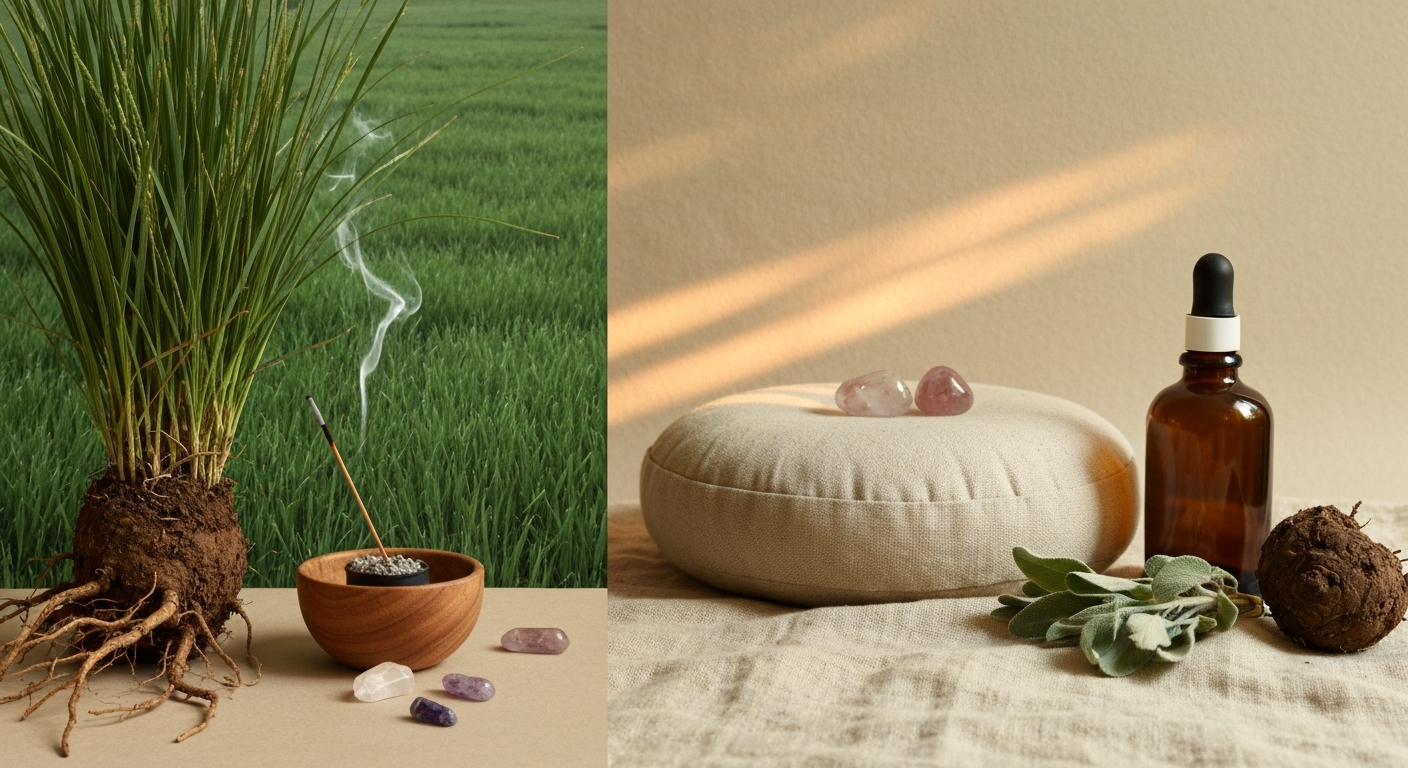
In the gentle world of aromatherapy, few oils possess the profound earthiness and centering qualities that vetiver essential oil brings to calming blends. Known as the "oil of tranquility," vetiver has been traditionally used across cultures for its potential to support a sense of grounding and inner stillness. This ancient grass, with its deep roots that can extend up to six feet into the earth, offers us an aromatic bridge between our hurried daily lives and the peaceful rhythms of nature.
Understanding Vetiver's Aromatic Profile
Vetiver essential oil presents a complex sensory experience that speaks to our deepest need for grounding. The oil carries a rich, woody base note with subtle smoky undertones and hints of earth after rainfall. Some describe detecting gentle whispers of leather and dried herbs, while others notice a sweet, almost vanilla-like warmth that emerges as the oil settles.
This distinctive aromatic signature makes vetiver particularly valuable in vetiver aromatherapy applications. Unlike brighter, more volatile oils that quickly fill a space, vetiver's heavier molecules move slowly, creating a sustained foundation that may help promote feelings of stability and presence. Research observations suggest that deeper, earthier scents like vetiver may be associated with enhanced feelings of security and centeredness in some individuals.
"Vetiver's scent profile is like a meditation in itself—deep, contemplative, and infinitely grounding."
Traditional and Cultural Context
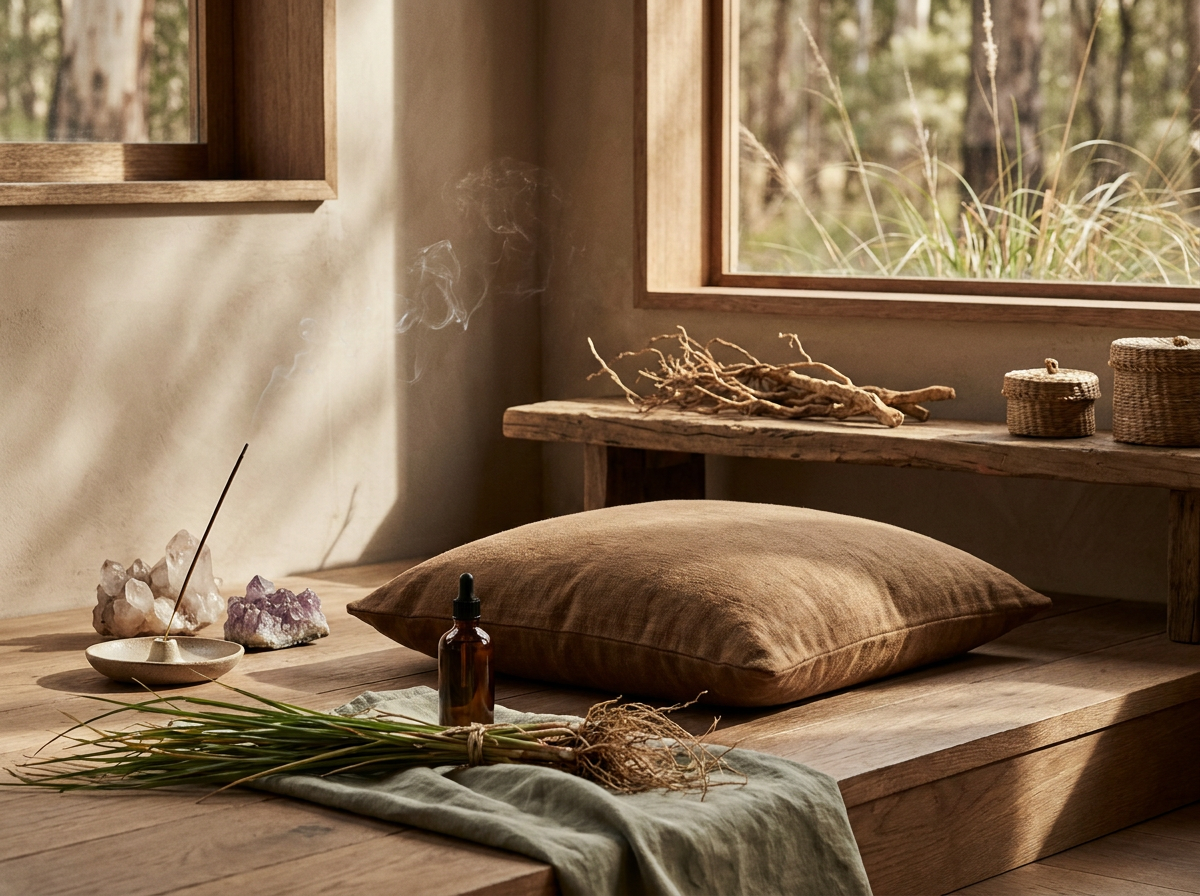
The use of vetiver in aromatic practices spans centuries and continents. In India, where much of the world's vetiver is cultivated, the plant has been traditionally woven into mats and screens, naturally cooling spaces while releasing its calming fragrance. Ayurvedic traditions have long recognized vetiver's potential to support a sense of inner balance and peaceful contemplation.
In Haiti, vetiver cultivation represents both environmental stewardship and economic sustainability, with local communities harvesting the roots using time-honored methods. The Haitian variety, known as Vetiveria zizanioides, is particularly prized for its complex aromatic profile and potential calming properties.
Research Observations on Calming Properties
While we cannot make specific medical claims about vetiver essential oil, some research suggests interesting observations about its potential effects on emotional well-being. Studies examining aromatherapy applications have noted that participants exposed to vetiver's aroma reported subjective feelings of relaxation and reduced tension. However, it's important to note that these findings represent observational data rather than conclusive medical evidence.
Anecdotal reports from aromatherapy practitioners frequently describe vetiver as potentially supportive for those seeking to establish a sense of calm during stressful periods. People often report that vetiver's presence in their environment may help create an atmosphere conducive to quiet reflection and mindful presence.
Creating Effective Vetiver Calming Blends
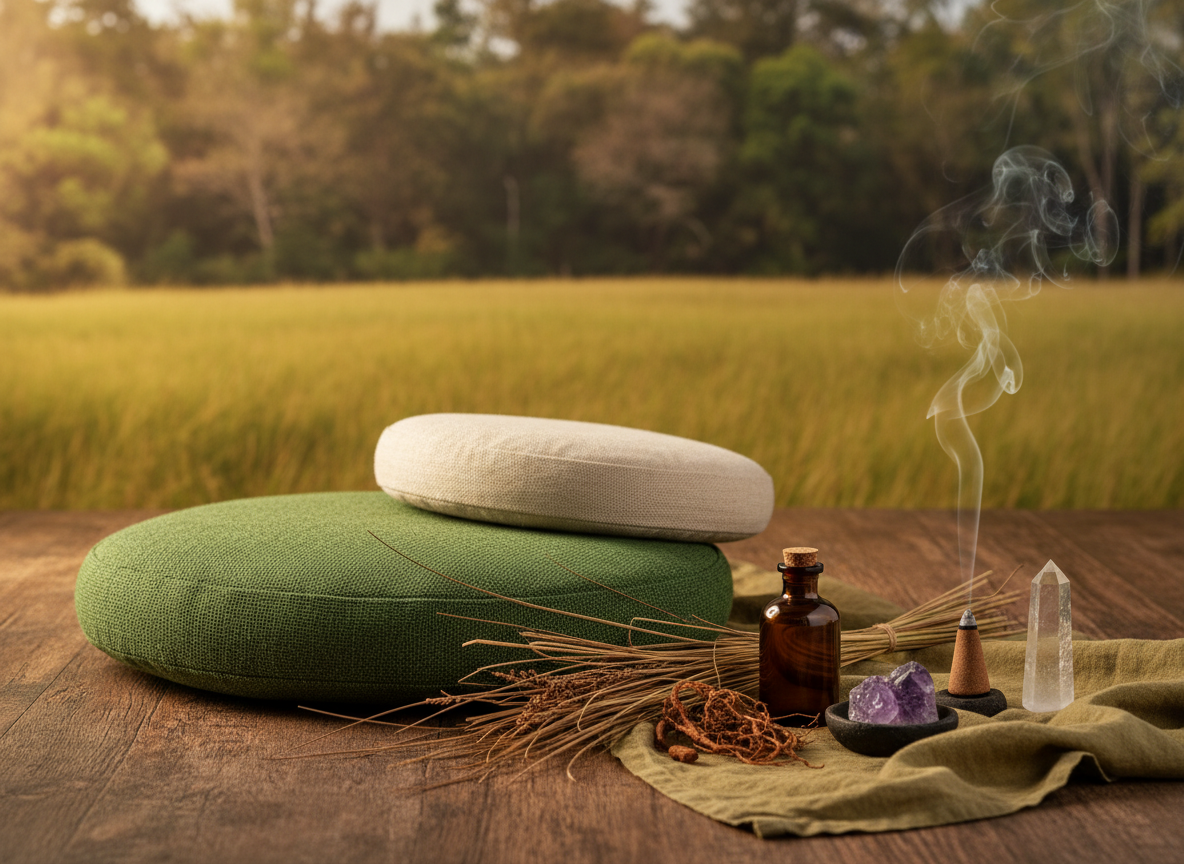
When formulating a vetiver calming blend, understanding the oil's role as an aromatic anchor proves essential. Vetiver functions beautifully as a base note, providing depth and longevity to blend compositions while potentially supporting overall feelings of groundedness.
Complementary Oil Partnerships
Vetiver's rich, earthy character harmonizes particularly well with certain oil families:
- Floral oils: Lavender, ylang-ylang, and geranium may help soften vetiver's intensity while maintaining its grounding qualities
- Citrus oils: Bergamot and sweet orange can add uplifting brightness to balance vetiver's earthiness
- Herbaceous oils: Clary sage and marjoram may complement vetiver's calming potential
- Woody oils: Sandalwood and cedarwood can enhance vetiver's natural grounding properties
Suggested Blend Ratios for Beginners
When working with vetiver in calming blends, less often proves more effective. Consider these general guidelines:
| Blend Size | Vetiver Drops | Complementary Oils | Total Drops |
|---|---|---|---|
| Small (10ml) | 2-3 drops | 8-12 drops | 10-15 drops |
| Medium (30ml) | 5-8 drops | 20-35 drops | 25-43 drops |
| Large (50ml) | 8-12 drops | 35-60 drops | 43-72 drops |
Safety Note: Always perform patch testing before topical application. Dilute essential oils properly in carrier oils—typically 1-2% for general use. Pregnant individuals and those with sensitive skin should consult qualified healthcare providers before use.
Practical Applications for Vetiver Aromatherapy
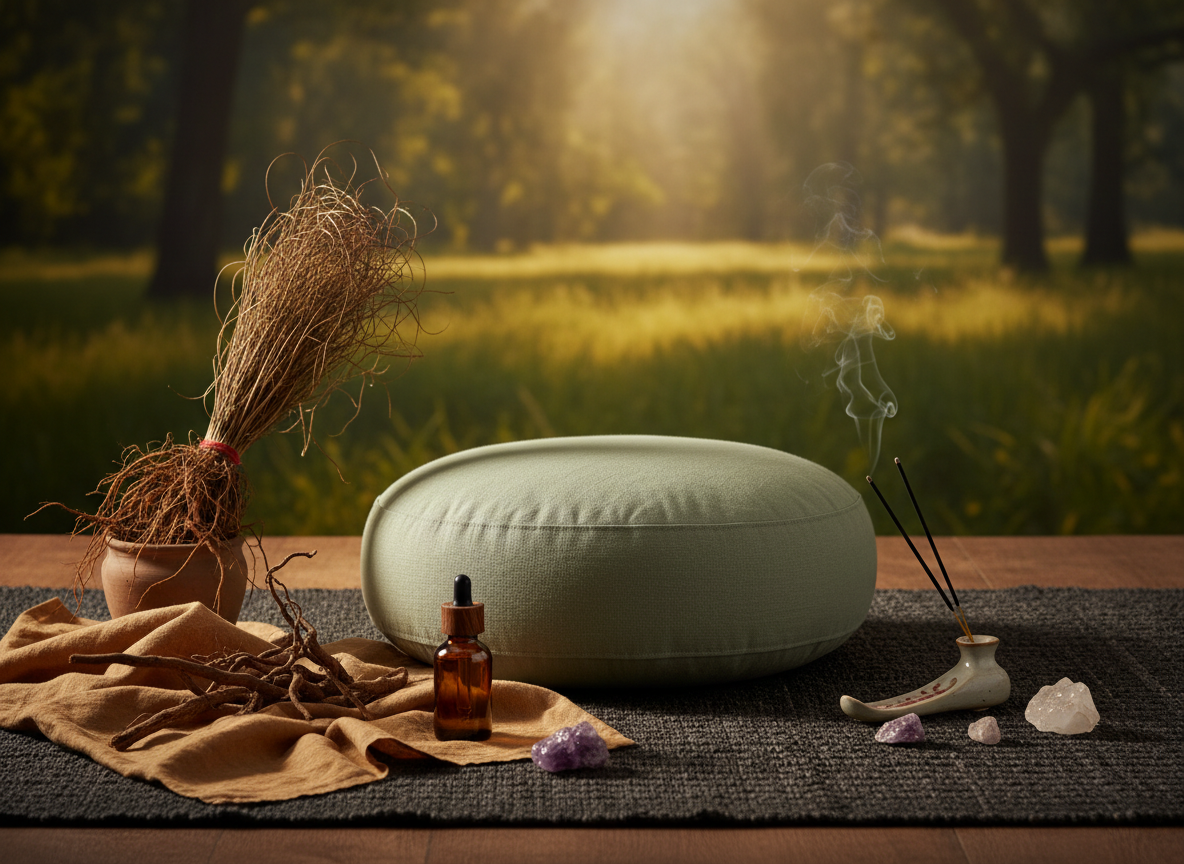
The versatility of vetiver essential oil uses in aromatherapy extends across multiple application methods, each offering unique ways to experience its potentially grounding properties.
Diffusion Methods
Due to vetiver's viscous nature and heavy molecular weight, it requires thoughtful diffusion approaches:
- Ultrasonic diffusers: Warm the vetiver oil slightly before adding to improve diffusion
- Reed diffusers: Excellent for vetiver's sustained release properties
- Personal inhalers: Ideal for creating portable calming support
- Room sprays: Blend with lighter oils for even distribution
Topical Applications
When properly diluted, vetiver blends may be applied topically to potentially support feelings of calm and centeredness:
- Pulse point rollers: Apply to wrists and temples for mindful moments throughout the day
- Massage oils: Incorporate into carrier oils for potentially grounding bodywork experiences
- Bath blends: Combine with Epsom salts and carrier oils for a potentially calming soak
Important Safety Reminder: Never apply undiluted essential oils directly to skin. Always use appropriate carrier oils and discontinue use if irritation occurs.
Quality Considerations and Sourcing
The effectiveness of vetiver in aromatherapy applications depends significantly on oil quality and sourcing practices. Authentic vetiver essential oil should display certain characteristics that indicate proper extraction and storage:
Quality Indicators
- Consistency: High-quality vetiver appears thick and viscous, sometimes requiring gentle warming for easy pouring
- Color: Ranges from pale amber to deep brown, depending on origin and processing
- Aroma complexity: Should display multiple aromatic layers rather than a single, flat note
- Longevity: Quality vetiver maintains its scent for hours, even in small quantities
Sustainable Sourcing
Choosing vetiver from suppliers committed to sustainable practices supports both environmental stewardship and community development. Look for oils that support fair trade practices and ecological farming methods, particularly from regions like Haiti where vetiver cultivation provides important economic opportunities for local communities.
Common Blending Challenges and Solutions
Working with vetiver in calming blends presents unique considerations that, when understood, lead to more successful aromatic experiences.
Overcoming Heaviness
New aromatherapy enthusiasts sometimes find vetiver overwhelming due to its intensity. Consider these approaches:
- Start with minimal amounts—even one drop can significantly impact a blend
- Balance with lighter, more volatile oils like citrus or mint
- Allow blends to mature for 24-48 hours before final evaluation
- Create test batches before committing to larger quantities
Enhancing Diffusion
Vetiver's thick consistency can challenge diffusion equipment. Solutions include:
- Gently warming the oil before use
- Blending with lighter carrier oils for better flow
- Using alcohol-based spray formulations for room misting
- Incorporating into wax melts or solid diffuser formats
Mindful Practice Integration
Perhaps the most profound aspect of working with vetiver in aromatherapy lies in its potential to support mindful awareness and present-moment connection. The oil's slow, deliberate aromatic release mirrors the patience required for meaningful meditation and self-reflection practices.
Consider incorporating vetiver blends into daily mindfulness routines—perhaps during morning intention-setting, evening wind-down periods, or moments when you seek to reconnect with inner stillness. The act of mindfully creating and experiencing these blends becomes part of the therapeutic process itself.
Creating Ritual Around Blending
Transform the process of creating vetiver aromatherapy blends into a mindful practice:
- Set aside dedicated time without distractions
- Begin with a few conscious breaths to center yourself
- Handle each oil with intention and respect
- Notice how different combinations affect your sense of well-being
- Journal about your experiences to track preferences and responses
Remember that aromatherapy represents a complementary practice that may support overall well-being rather than replace professional healthcare. Always consult qualified healthcare providers for specific health concerns, and view your vetiver aromatherapy practice as one element in a holistic approach to self-care and mindful living.
Through patient experimentation and mindful attention, vetiver essential oil can become a treasured ally in your journey toward greater calm, centeredness, and connection with the grounding wisdom of the earth.