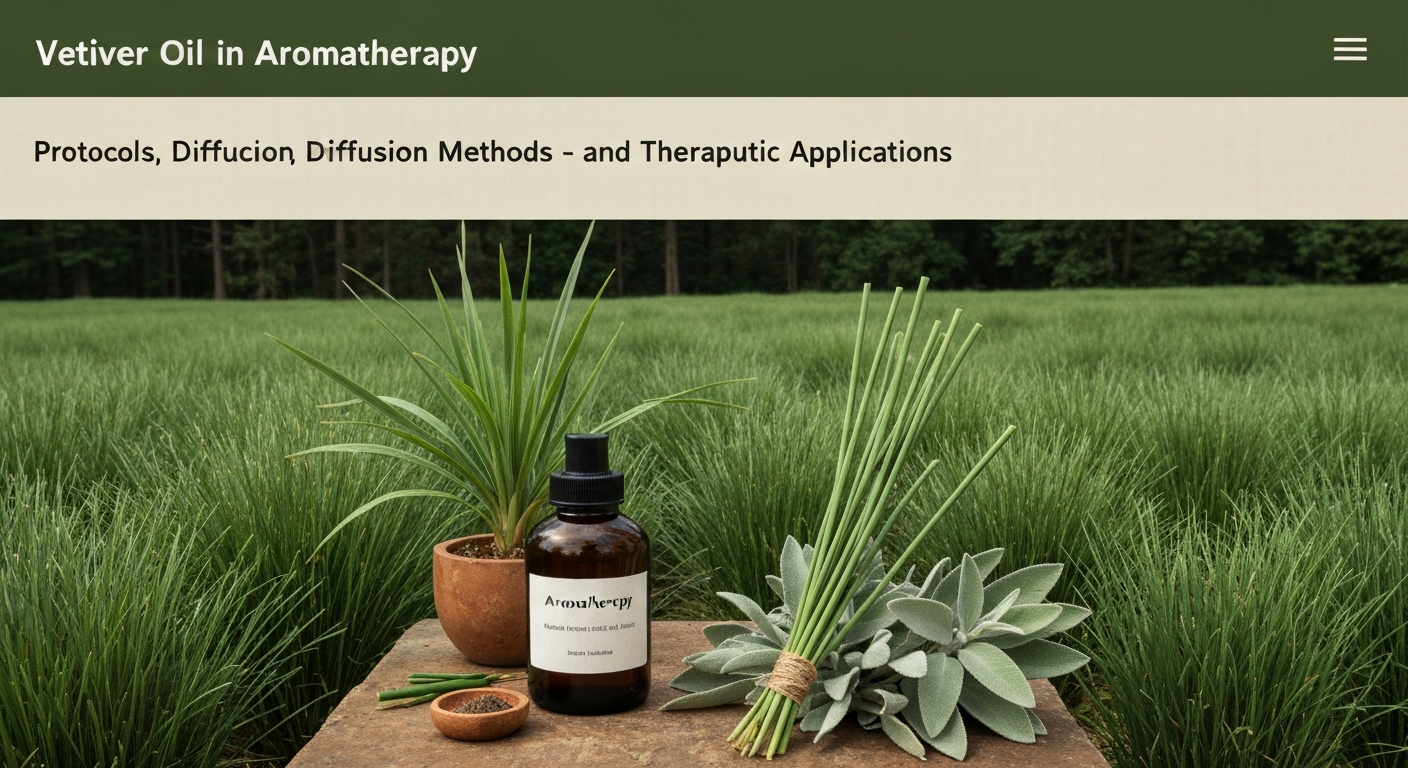
Vetiver Oil in Aromatherapy: Protocols, Diffusion Methods, and Therapeutic Applications
Key Takeaways
- Vetiver oil's grounding properties may support relaxation and focus when used in aromatherapy practices
- Multiple diffusion methods exist, each offering unique benefits for different settings and intentions
- Research suggests potential applications for stress management and sleep support, though more studies are needed
- Proper dilution and safety protocols are essential for responsible aromatherapy practice
- Clinical aromatherapy approaches emphasize evidence-based protocols and professional guidance
Table of Contents
- Understanding Vetiver in Aromatherapy Context
- Comprehensive Diffusion Methods and Protocols
- Research-Based Therapeutic Applications
- Clinical Aromatherapy Protocols
- Blending Synergies and Combinations
- Safety Considerations and Best Practices
- Practical Implementation Guide
- Professional Perspectives and Future Directions
Understanding Vetiver in Aromatherapy Context
Vetiver aromatherapy represents one of nature's most profound offerings for grounding and centering practices. Derived from the roots of Chrysopogon zizanioides, this earthy essential oil has been traditionally used across cultures for its potential calming and stabilizing properties.
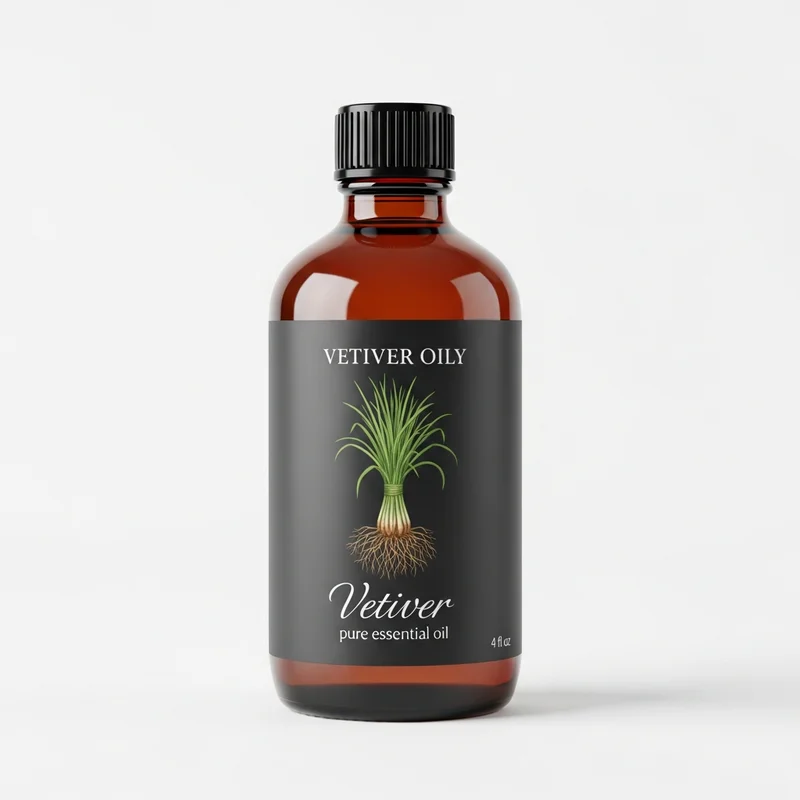
Vetiver Essential Oil
Our own Vetiver Essential Oil, in sizes from 0.5 oz to bulk.
From $18.99
Shop Now →The Aromatic Profile of Vetiver
Vetiver's complex aromatic composition creates its distinctive therapeutic potential. The oil contains over 100 chemical compounds, with key constituents including:
- Vetiverol: May contribute to the oil's grounding properties
- Khusimol: Research suggests potential calming effects
- β-Vetivone: May support the oil's reported sedative qualities
- Vetiveric acid: Could contribute to the oil's stability and depth
This intricate chemical symphony creates an olfactory experience that many describe as deeply rooting and centering. The scent profile ranges from woody and earthy to smoky and green, with subtle variations depending on the oil's origin and distillation method.
Traditional and Cultural Context
Historically, vetiver has been revered in various aromatherapy traditions. In Ayurvedic practices, it's traditionally associated with cooling and grounding properties. Indian and Southeast Asian cultures have long incorporated vetiver into spiritual and meditative practices, valuing its potential to support mental clarity and emotional balance.
Modern aromatherapy has embraced these traditional applications, with practitioners often recommending vetiver for those seeking deeper connection to earth energy and enhanced mindfulness practices.
Comprehensive Diffusion Methods and Protocols
The method of diffusion significantly impacts how vetiver oil's aromatic compounds interact with the environment and the individual. Each approach offers unique benefits and considerations for optimal aromatherapy practice.
Ultrasonic Diffusion
Ultrasonic diffusers represent the most popular method for vetiver essential oil diffuser applications. These devices create a fine mist by breaking down oil particles through high-frequency vibrations.
Recommended Protocol:
- Add 3-5 drops of vetiver oil per 100ml of water
- Run for 30-60 minute intervals with 30-minute breaks
- Ideal room size: 200-400 square feet
- Best timing: evening or meditation practices
Benefits: Gentle, consistent diffusion that preserves the oil's delicate compounds while providing sustained aromatic presence.
Nebulizing Diffusion
Nebulizing diffusers offer the most concentrated aromatic experience by dispersing pure essential oil without water dilution.
Recommended Protocol:
- Use 10-15 drops of vetiver oil in the reservoir
- Operate for 10-15 minute intervals with 45-minute breaks
- Ideal for smaller spaces (100-200 square feet)
- Perfect for therapeutic aromatherapy sessions
Considerations: More intensive method requiring shorter exposure times due to concentrated oil delivery.
Heat-Based Diffusion
Traditional methods using candle warmers or electric heat diffusers offer gentle, continuous diffusion.
Recommended Protocol:
- Add 5-8 drops to the warming dish
- Monitor oil levels and refresh as needed
- Suitable for continuous, subtle aromatic presence
- Ideal for extended meditation or relaxation periods
Note: While gentle, heat can alter some of vetiver's more delicate compounds, potentially affecting its aromatic complexity.
Personal Inhalation Methods
Direct inhalation techniques provide immediate access to vetiver's grounding properties.
| Method | Protocol | Duration | Best Use |
|---|---|---|---|
| Steam Inhalation | 2-3 drops in hot water | 5-10 minutes | Deep relaxation sessions |
| Aromatherapy Inhaler | 5-8 drops on cotton wick | As needed | Portable stress support |
| Tissue Method | 1-2 drops on tissue | 2-3 minutes | Quick centering practice |
| Palm Inhalation | 1 drop rubbed between palms | 30 seconds - 2 minutes | Mindfulness moments |
Research-Based Therapeutic Applications
Scientific inquiry into vetiver therapeutic use has revealed promising areas where the oil may support wellness practices. While research is ongoing, several studies have explored vetiver's potential applications in aromatherapy settings.
Stress and Anxiety Support
Preliminary research suggests vetiver oil may help promote a sense of calm and relaxation. A 2015 study published in Natural Product Research indicated that vetiver oil inhalation showed potential anxiolytic effects in animal models, though human studies remain limited.
Aromatherapy practitioners often recommend vetiver for individuals seeking natural approaches to stress management, particularly noting its grounding qualities that may help promote emotional stability.
Reported Benefits:
- May support a sense of calm and centeredness
- Could help promote emotional balance during stressful periods
- Traditionally used to support meditation and mindfulness practices
- May help create a grounding atmosphere for relaxation
Sleep Quality Support
Some research suggests vetiver oil may support healthy sleep patterns. The oil's sedative properties have been noted in traditional use, and modern aromatherapy often incorporates vetiver into evening routines.
A study examining vetiver's neurological effects found that certain compounds in the oil showed potential sedative activity, though researchers emphasize the need for more comprehensive human trials.
Sleep Protocol Considerations:
- Diffuse 30-60 minutes before bedtime
- Use in combination with established sleep hygiene practices
- Consider blending with complementary oils like lavender
- Monitor individual response and adjust accordingly
Cognitive Focus and Mental Clarity
Emerging research explores vetiver's potential impact on cognitive function and mental clarity. While definitive conclusions require more study, preliminary findings suggest the oil may support sustained attention and mental grounding.
Aromatherapy practitioners often recommend vetiver for study sessions, meditation practices, or work environments requiring sustained focus, noting anecdotal reports of enhanced mental stability and reduced distractibility.
Nervous System Support
Traditional use of vetiver for nervous system support has attracted scientific attention. Some studies have investigated the oil's potential neuroprotective properties, though this research remains in early stages.
The complex interplay of vetiver's chemical constituents may contribute to its reported calming effects on the nervous system, potentially supporting overall neurological wellness when used as part of comprehensive self-care practices.
Clinical Aromatherapy Protocols

Clinical aromatherapy vetiver applications follow evidence-based protocols developed by healthcare professionals and certified aromatherapists. These standardized approaches ensure consistent, safe, and potentially effective use in therapeutic settings.
Professional Assessment and Individual Protocols
Clinical aromatherapy begins with comprehensive assessment of individual needs, health status, and therapeutic goals. Qualified practitioners evaluate:
- Current health conditions: Any medications or health issues that might interact with aromatherapy
- Aromatherapy history: Previous experiences with essential oils and sensitivities
- Therapeutic objectives: Specific wellness goals and desired outcomes
- Environmental factors: Setting where aromatherapy will be practiced
Based on this assessment, practitioners develop individualized protocols that may incorporate vetiver as part of a comprehensive aromatherapy plan.
Standardized Diffusion Protocols
Clinical settings often employ standardized protocols to ensure consistent delivery and safety:
Hospital/Healthcare Settings:
- Concentration: 1-2 drops per 100ml water
- Duration: 15-30 minute sessions
- Frequency: 2-3 times daily as needed
- Monitoring: Regular assessment of patient response
Therapeutic Massage Integration:
- Dilution: 1-2% in carrier oil (6-12 drops per ounce)
- Pre-treatment diffusion: 10 minutes before session
- Environmental support: Continued gentle diffusion during treatment
Mental Health Support Settings:
- Individual sessions: Personal inhaler with 5-8 drops
- Group settings: Gentle room diffusion at 2-3 drops per 200 sq ft
- Duration: Aligned with therapy session length
Documentation and Outcome Tracking
Clinical aromatherapy emphasizes careful documentation of protocols and outcomes:
- Baseline assessments using validated scales
- Regular monitoring of subjective responses
- Tracking of any adverse reactions or sensitivities
- Protocol adjustments based on individual response
This systematic approach helps build evidence for vetiver's therapeutic applications while ensuring patient safety and optimal outcomes.
Blending Synergies and Combinations
Vetiver's complex aromatic profile creates numerous opportunities for therapeutic blending. Understanding these synergistic combinations enhances aromatherapy effectiveness and creates more complete therapeutic experiences.
Grounding and Centering Blends
Vetiver's natural grounding properties complement other earth-based oils:
"Deep Roots" Blend:
- Vetiver: 3 drops
- Cedarwood: 2 drops
- Patchouli: 1 drop
- Sandalwood: 2 drops
This combination may support deep relaxation and emotional stability, particularly beneficial for meditation practices or evening wind-down routines.
"Forest Floor" Blend:
- Vetiver: 2 drops
- Pine: 3 drops
- Juniper: 1 drop
- Cypress: 2 drops
Designed to evoke the grounding energy of forest environments, this blend may support connection to nature and environmental mindfulness.
Stress Relief Combinations
Blending vetiver with traditionally calming oils may enhance stress-relief properties:
"Tranquil Evening" Blend:
- Vetiver: 2 drops
- Lavender: 4 drops
- Roman Chamomile: 1 drop
- Bergamot: 2 drops
This combination addresses multiple aspects of stress response, potentially supporting both mental calm and emotional balance.
Focus and Mental Clarity Blends
Vetiver's grounding properties can balance more stimulating oils for sustained focus:
"Mindful Focus" Blend:
- Vetiver: 2 drops
- Rosemary: 3 drops
- Lemon: 2 drops
- Frankincense: 1 drop
This blend aims to support mental clarity while maintaining emotional groundedness, potentially useful for study or work environments.
Seasonal and Circadian Support
Vetiver's adaptogenic-like properties make it suitable for seasonal aromatherapy protocols:
Summer Cooling Blend:
- Vetiver: 3 drops
- Peppermint: 1 drop
- Eucalyptus: 2 drops
- Lime: 2 drops
Winter Warming Blend:
- Vetiver: 2 drops
- Cinnamon: 1 drop
- Orange: 3 drops
- Clove: 1 drop
Safety Considerations and Best Practices

Responsible vetiver aromatherapy requires understanding and implementing comprehensive safety protocols. (See: NIH — Vetiver Research.) While vetiver is generally considered safe for most individuals, proper use guidelines ensure optimal benefits while minimizing risks.
For detailed safety information, consult our comprehensive vetiver oil safety guide.
General Safety Guidelines
Dilution Requirements:
- Topical use: Maximum 2% dilution (12 drops per ounce of carrier oil)
- Diffusion: 3-5 drops per 100ml water in ultrasonic diffusers
- Personal inhalers: 8-10 drops maximum on cotton wick
- Patch testing: Always test diluted oil on small skin area before wider use
Duration and Frequency Limits:
- Continuous diffusion: Maximum 1 hour, then 30-minute break
- Daily exposure: Limit to 6-8 hours total aromatherapy time
- Personal inhalation: 2-3 minutes per session, multiple times daily as needed
- Rest periods: Regular breaks prevent olfactory fatigue and sensitivity development
Special Population Considerations
Pregnancy and Nursing: Consult healthcare providers before use. Some aromatherapy sources suggest avoiding vetiver during first trimester, though research on safety during pregnancy remains limited.
Children: Reduce concentrations by 50% for children over 6 years. Avoid use in children under 6 without professional guidance.
Elderly Individuals: Start with lower concentrations and shorter exposure times, monitoring for enhanced sensitivity or adverse reactions.
Pets: Many essential oils can be harmful to pets. Ensure adequate ventilation and provide pet-free areas when diffusing.
Contraindications and Drug Interactions
While vetiver is generally well-tolerated, certain conditions may require caution:
- Severe respiratory conditions: Consult healthcare providers before aromatic use
- Known essential oil sensitivities: Perform comprehensive patch testing
- Medications: While no specific interactions are documented, discuss aromatherapy use with healthcare providers, especially for sedative medications
- Pre-surgical periods: Discontinue use 2 weeks before surgery due to potential sedative effects
Quality and Sourcing Safety
Safe aromatherapy depends on high-quality, pure essential oils:
- Source from reputable suppliers providing GC/MS testing results
- Verify botanical name (Chrysopogon zizanioides) and country of origin
- Ensure proper storage in dark glass bottles away from heat and light
- Check expiration dates and oil integrity before use
- Avoid synthetic or adulterated products that may contain harmful additives
Emergency Protocols
Know how to respond to adverse reactions:
Skin Irritation: Remove oil immediately with carrier oil (not water), then wash with soap and water. Apply cool compress if needed.
Respiratory Distress: Move to fresh air immediately. If symptoms persist or worsen, seek medical attention.
Allergic Reactions: Discontinue use and seek appropriate medical care for moderate to severe reactions.
Practical Implementation Guide
Successfully incorporating vetiver aromatherapy into daily life requires strategic planning, appropriate equipment, and consistent practice. This implementation guide provides step-by-step approaches for various lifestyle applications.
Home Environment Setup
Essential Equipment:
- Quality ultrasonic diffuser (100-400ml capacity)
- High-grade vetiver essential oil with GC/MS testing
- Glass storage bottles for blends
- Carrier oils for dilution (jojoba, fractionated coconut oil)
- Personal aromatherapy inhalers for portable use
Room-by-Room Applications:
Bedroom: Create a calming pre-sleep environment with gentle diffusion 30-60 minutes before bedtime. Use 3-4 drops in 200ml water, focusing on grounding blends that may support restful sleep.
Home Office: Support sustained focus with intermittent diffusion during work sessions. Blend vetiver with clarity-supporting oils like rosemary or lemon, using 15-30 minute intervals with breaks.
Living Areas: Establish grounding energy in common spaces with subtle, continuous diffusion during relaxation times or family gatherings.
Bathroom/Spa Spaces: Incorporate vetiver into self-care routines through steam inhalation or diffusion during bath time for enhanced relaxation experiences.
Daily Routine Integration
Morning Centering Practice:
- Begin with 2-3 minutes of palm inhalation using 1 drop vetiver
- Set intentions while focusing on the grounding aroma
- Follow with brief meditation or mindfulness practice
- Carry personal inhaler for midday grounding moments
Work Day Support:
- Use desk diffuser with vetiver-focus blends during demanding tasks
- Take aromatherapy breaks with personal inhaler during stressful periods
- Create olfactory anchors for returning to centered state throughout day
Evening Wind-Down Protocol:
- Begin diffusion 1 hour before desired bedtime
- Combine with other relaxation practices (gentle yoga, reading, bath)
- Reduce stimulating activities while aromatherapy creates calming atmosphere
- Transition to sleep with subtle, continued diffusion if desired
Seasonal Adaptations
Adjust vetiver aromatherapy protocols seasonally to align with natural rhythms and changing environmental needs:
Spring: Blend with citrus oils for renewal energy while maintaining grounding stability during transition periods.
Summer: Emphasize cooling combinations that preserve vetiver's centering properties while supporting comfort in warmer weather.
Autumn: Focus on grounding and preparation blends that support adaptation to shorter days and increased indoor time.
Winter: Combine with warming oils while maintaining vetiver's stabilizing influence during darker months that may challenge mood and energy.
Travel and Portable Applications
Maintain aromatherapy practice while traveling:
- Personal Inhalers: Pre-loaded with favorite vetiver blends for airplane travel and hotel stays
- Car Diffusion: USB-powered diffusers for commute support and travel relaxation
- Hotel Room Protocols: Portable diffusion methods and room spray alternatives
- Time Zone Support: Use vetiver's grounding properties to support circadian rhythm adjustment
Professional Perspectives and Future Directions
The landscape of vetiver aromatherapy continues evolving through clinical research, professional practice development, and emerging applications in healthcare and wellness settings.
Current Clinical Applications
Healthcare professionals increasingly recognize aromatherapy's complementary role in patient care, with vetiver finding applications in various clinical settings:
Hospitals and Medical Centers: Some facilities incorporate vetiver aromatherapy in oncology units, where patients report the grounding scent helps manage treatment-related anxiety. Palliative care teams may use gentle vetiver diffusion to create calming environments for patients and families.
Mental Health Settings: Therapists and counselors sometimes integrate vetiver aromatherapy into treatment environments, noting its potential to support emotional grounding and session focus. Group therapy settings may benefit from subtle environmental diffusion.
Wellness Centers: Spas and wellness facilities commonly incorporate vetiver into signature treatments, recognizing its appeal for stress relief and deep relaxation experiences.
Research Frontiers
Emerging research directions show promise for expanding our understanding of vetiver's therapeutic applications:
Neurological Studies: Researchers are investigating how vetiver's compounds interact with neurotransmitter systems, particularly focusing on GABA pathways that may explain reported calming effects.
Sleep Research: Clinical trials examining vetiver aromatherapy's impact on sleep quality measures, including sleep onset time, duration, and subjective sleep satisfaction.
Stress Physiology: Studies measuring cortisol levels, heart rate variability, and other stress biomarkers in response to vetiver aromatherapy exposure.
Cognitive Function: Research exploring whether vetiver's grounding properties translate to measurable improvements in attention, focus, and cognitive performance.
Certification and Training Developments
Professional aromatherapy education increasingly emphasizes evidence-based practice and clinical applications:
- Clinical Aromatherapy Certifications: Programs focusing on hospital and healthcare applications
- Research Methodology Training: Preparing aromatherapists to contribute to clinical research
- Safety and Contraindications: Enhanced education on population-specific considerations and drug interactions
- Quality Assessment Skills: Training in essential oil analysis and authenticity verification
Technology Integration
Technological advances are creating new possibilities for vetiver aromatherapy delivery and monitoring:
Smart Diffusion Systems: IoT-enabled devices that can adjust diffusion protocols based on environmental factors, time of day, or user preferences.
Wearable Aromatherapy: Personal devices that deliver controlled amounts of vetiver and other essential oils throughout the day.
Biometric Integration: Systems that adjust aromatherapy delivery based on real-time stress indicators like heart rate variability or skin conductance.
Virtual Reality Applications: Combining vetiver aromatherapy with VR environments for enhanced relaxation and meditation experiences.
Sustainability and Ethical Considerations
The growing popularity of vetiver aromatherapy raises important sustainability questions:
- Sustainable Sourcing: Supporting farming practices that preserve soil health and provide fair compensation to growers
- Climate Impact: Assessing how climate change affects vetiver cultivation and oil quality
- Community Support: Ensuring vetiver trade benefits local communities in producing regions
- Conservation Efforts: Protecting wild vetiver populations and supporting cultivation diversity
Future Research Priorities
The aromatherapy research community has identified several priority areas for vetiver studies:
- Large-scale Clinical Trials: Randomized controlled studies with sufficient sample sizes to establish efficacy for specific conditions
- Mechanism Studies: Research clarifying how vetiver compounds affect physiological and neurological processes
- Dosage Optimization: Studies determining optimal concentrations and exposure times for different applications
- Population Studies: Research examining vetiver's effects across diverse demographic groups
- Long-term Safety: Studies assessing safety of extended vetiver aromatherapy use
Regulatory Landscape
As aromatherapy gains clinical recognition, regulatory frameworks continue evolving:
- Healthcare Integration: Guidelines for incorporating aromatherapy into standard medical practice
- Quality Standards: Enhanced regulations for essential oil purity and therapeutic grade classifications
- Professional Licensing: Development of standardized credentials for clinical aromatherapists
- Insurance Coverage: Growing recognition of aromatherapy as covered complementary therapy
These developments suggest a future where vetiver aromatherapy may play an increasingly important role in integrative healthcare approaches, supported by robust evidence and professional standards.
Conclusion: Grounding Practice in Evidence and Intention
Vetiver aromatherapy represents a bridge between ancient wisdom and modern wellness science. As research continues to explore its therapeutic potential, practitioners can thoughtfully integrate this grounding oil into comprehensive self-care routines.
The key to successful vetiver aromatherapy lies in understanding its properties, respecting safety protocols, and approaching its use with mindful intention. Whether seeking stress support, enhanced focus, or deeper connection to earth energy, vetiver offers a pathway to centered well-being.
Vetiver Essential Oil
Vetiver Essential Oil from our own shop, in sizes from 0.5 oz to bulk.
From $18.99
Shop Now →