Vetiver Oil FAQ: Smell, Skin, Safety and Choosing
People ask us the same handful of things about vetiver oil, usually before buying a first bottle: what does it actually smell like, how do I use it, and is it okay around my family? Here are our answers, kept short and tied to sources where it matters. Where the honest answer is "ask a professional", we say which one.
Vetiver Essential Oil
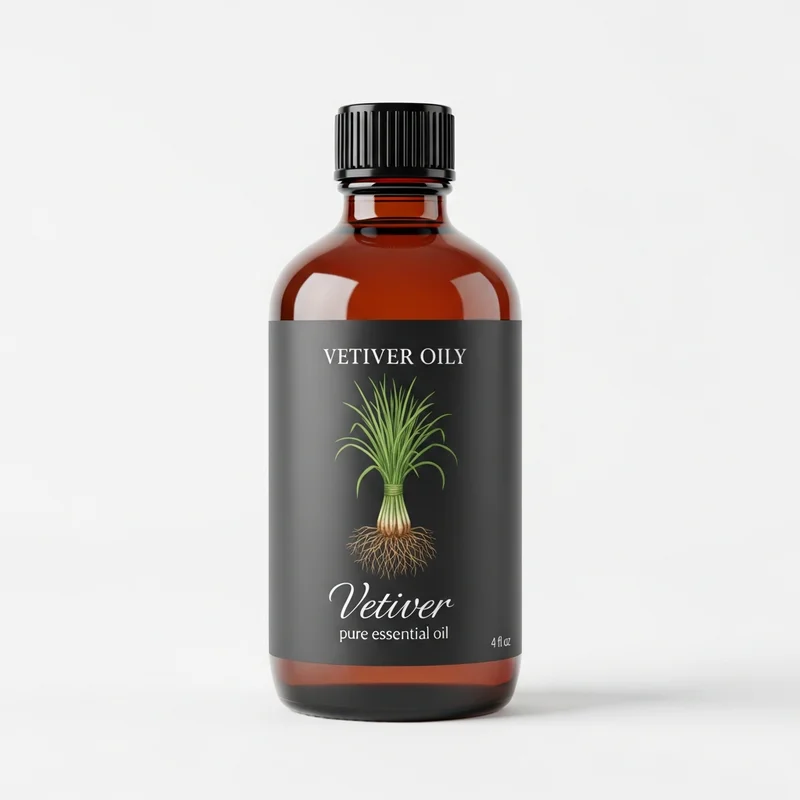
Our own Vetiver Essential Oil, in sizes from 0.5 oz to bulk.
From $20.99
Shop Now →What is vetiver essential oil, and what does it smell like?
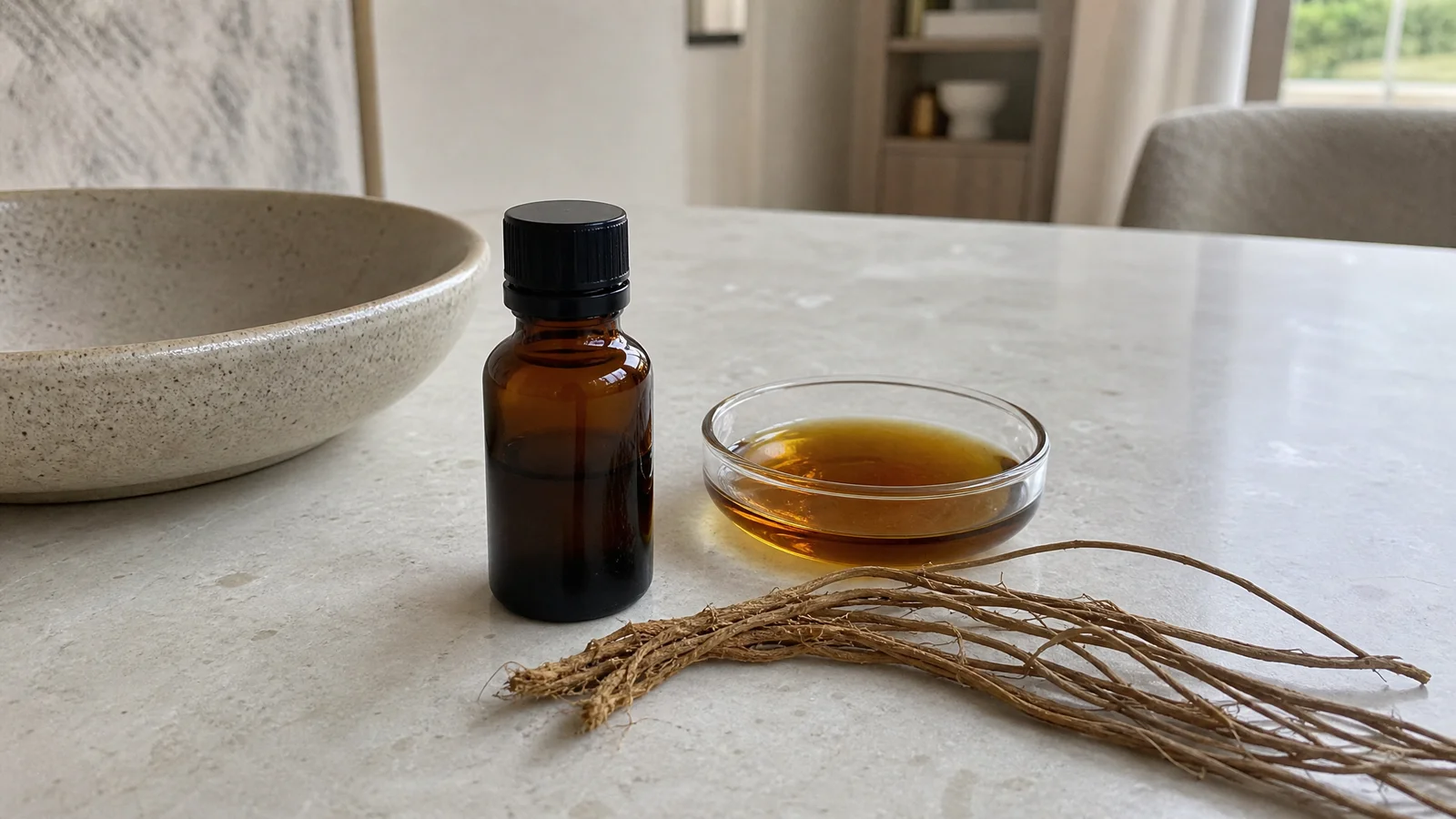
It is the oil distilled from the roots of a tall grass, Chrysopogon zizanioides, also filed under the older name Vetiveria zizanioides. We describe the aroma as deep, earthy and smoky-sweet, and perfumers treat it as a base note. The chemistry behind that is delightfully complicated. A 2021 study of a Haitian oil found several hundred sesquiterpene-type components, a grapefruit-like lift from vetivones and nootkatone, an earthy note from geosmin and a creamy, sandalwood-like background. One compound alone, with an odor threshold more than 150 times lower than khusimone, carries much of the woody-amber character. In plain terms, a tiny amount of a few molecules does a great deal of the smelling.
Does it change as it ages?
It can. A study of one South Indian oil stored for 6 to 30 months found the smell shifting from green and harsh toward something drier, softer, sweeter and more persistent, with some constituents falling and others rising. That was one oil, so it is a hint rather than a rule. We say our oil typically keeps its character for 6 to 8 years stored in a cool, dark place, and it is also thick and slow-pouring, so warming the bottle a little makes measuring easier.
Can I put it on my skin?
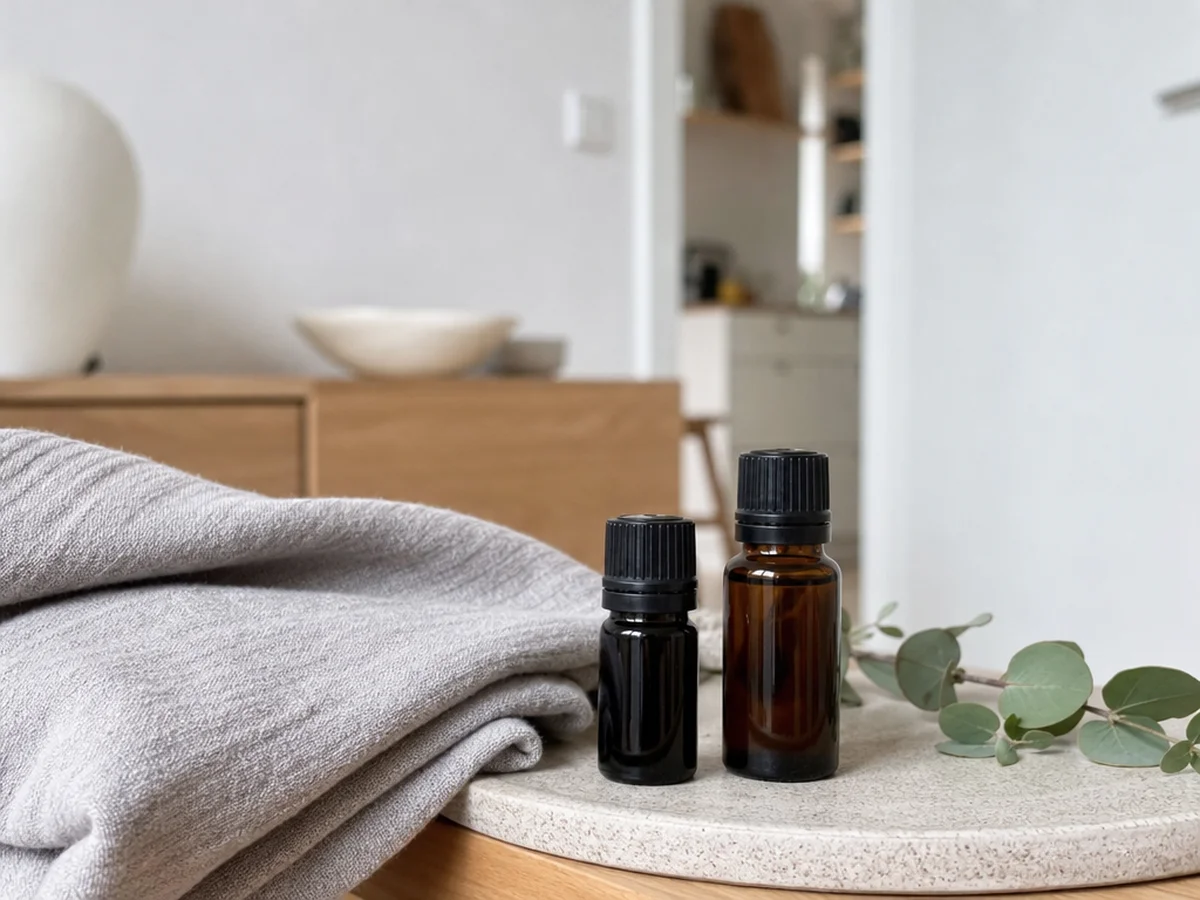
Diluted, yes, and never neat. Tisserand's safety guidelines say plainly not to apply undiluted essential oils to the skin. Our dilution guidance is 0.5% to 2% in a carrier oil such as jojoba or sweet almond, with a patch test first. Tisserand's published ranges run from 0.2 to 1 percent for sensitive or impaired skin, through 0.5 to 1.2 percent for facial cosmetics and deodorants, to 1 to 3 percent for body oils and lotions. We start at the lower end and keep vetiver away from the eyes. If your skin is reactive or you have a skin condition, a dermatologist is the person to ask. We sell the oil neat, so the dilution arithmetic is yours; our safety guide walks through it.
Can it cause an allergic reaction?
Any essential oil can, because they are concentrated mixtures of aromatic compounds. A review by de Groot and Schmidt counted nearly 80 oils linked to contact allergy and noted that most reactions follow the use of undiluted oils or high-concentration products. That is the reason for the dilution and the patch test, and an allergist or dermatologist can do proper testing if you react to something.
Can I swallow it?
No. Our oil is for aromatic and cosmetic use, and we say never to take it internally. Poison Control notes that some essential oils are poisonous when swallowed and that inhaling an oil into the lungs can cause pneumonia. If someone swallows any essential oil, call your poison center on 1-800-222-1222 in the US. Our swallowing post has more.
What about children, pets and pregnancy?
These are questions for a pediatrician, a veterinarian and a midwife or doctor, not for a shop. Poison Control points out that children have thin skin and immature livers and may be more susceptible than adults. The Merck Veterinary Manual says concentrated essential oils should never be applied directly to pets, names cats and birds as especially sensitive, and advises keeping animals out of the room when an active diffuser is running. The NHS says not all "natural" remedies are safe in pregnancy and asks pregnant women to tell their midwife or doctor about aromatherapy. We keep our oil away from children and pets and recommend you check with the relevant professional first. More in our pregnancy post and our pet post.

Does vetiver oil help with anxiety or sleep?
We sell a cosmetic oil and make no such claim. For context, the vetiver research is mostly in rats: one study had them inhale vetiver oil before a maze test, and another recorded brain activity and found more time awake and less slow-wave sleep. Neither involved people. NCCIH says of aromatherapy and insomnia that "we don't know whether it's helpful" because little rigorous research has been done. Anyone with ongoing anxiety or sleep trouble should talk to a physician. Our posts on anxiety and sleep lay out what was studied.
How do I use a thick oil?
Warm the bottle in your hands for a minute so it pours, and use a pipette if you can, since shaking drops out of the neck is harder to control. Vetiver is thick and slow-pouring, and a little goes a very long way, so start with the smallest amount your recipe calls for. Wipe the neck before capping so the cap does not seal shut.
Where should I keep it?
In a cool, dark place, tightly closed, away from heat and light and out of reach of children and pets. We say the oil typically keeps its character for 6 to 8 years stored that way.
What color is it, and will it stain?
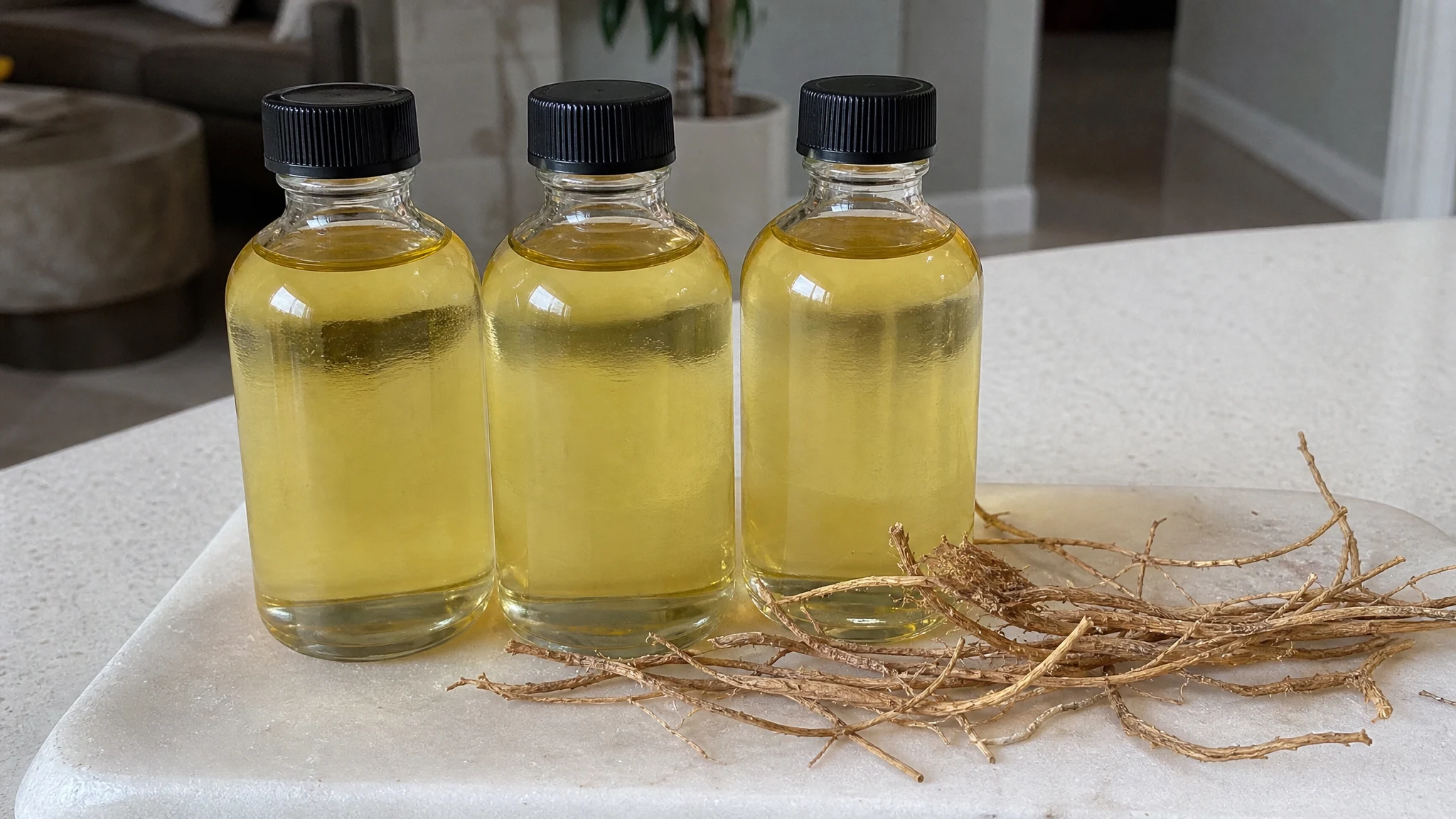
Vetiver is deep amber to brown, and it can tint soap or candles. Pale fabric can show a mark if oil gets onto it, so wipe spills straight away.
How do I choose a good bottle?
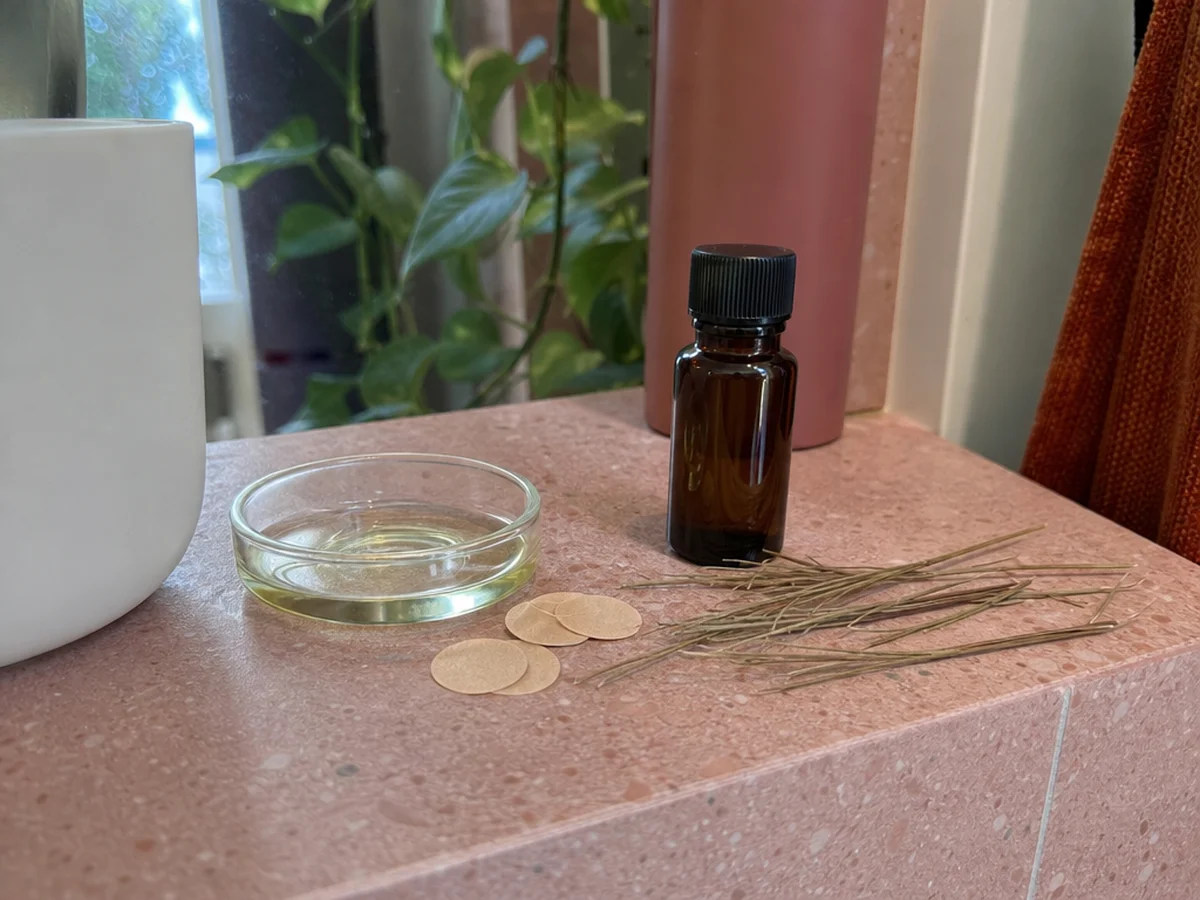
Look for paperwork that shows measurements. The Certificate of Analysis we publish covers one batch: it lists a relative density of 0.993 at 20 C, within a standard range of 0.985 to 1.020, and a refractive index of 1.525, within 1.520 to 1.528. It does not include GC-MS or optical rotation. If you need those, ask us in writing through the contact page for the report for your lot before relying on it, and ask any seller the same. Our guide to judging a bottle says more about thickness and color, which are poor guides on their own.
If you have a question we have not covered, write to us through the contact page and tell us what you are trying to make.
Vetiver Essential Oil
Vetiver Essential Oil from our own shop, in sizes from 0.5 oz to bulk.
From $20.99
Shop Now →Sources & Further Reading
- Ouyang X et al., 2021. The Smelling Principle of Vetiver Oil, Unveiled by Chemical Synthesis. PubMed Central
- Dubey N, Chhonkar SS, Raghav CS, 2011. Effect of Period of Storage on Physico-chemical Properties and Major Constituents of South Indian Vetiver (Vetiveria zizanioides Linn.) Oil. Indian Forester. indianforester.co.in
- Tisserand Institute. Safety Guidelines - Tisserand Institute. tisserandinstitute.org
- Tisserand Institute. Dilution for essential oils. tisserandinstitute.org
- de Groot AC, Schmidt E, 2016. Essential Oils, Part IV: Contact Allergy. Dermatitis. PubMed
- Poison Control. Essential oils: Poisonous when misused. poison.org
- Merck Veterinary Manual. Toxicoses From Essential Oils in Animals - Toxicology - Merck Veterinary Manual. merckvetmanual.com
- NHS. Medicines in pregnancy - NHS. nhs.uk
- Saiyudthong S et al., 2015. Anxiety-like behaviour and c-fos expression in rats that inhaled vetiver essential oil. Natural Product Research. PubMed
- Cheaha D et al., 2016. Modification of sleep-waking and electroencephalogram induced by vetiver essential oil inhalation. Journal of Intercultural Ethnopharmacology. PubMed
- NCCIH. Aromatherapy | NCCIH. nccih.nih.gov