Where Vetiver Oil Comes From: India to Haiti
Vetiver has travelled a long way. A grass that began in India now underpins perfumes made in Paris and Grasse, and its oil is steamed out of roots dug in the hills of southern Haiti. Knowing that route makes the oil easier to appreciate, and it explains why bottles from different places can smell different.
Vetiver Essential Oil
Our own Vetiver Essential Oil, in sizes from 0.5 oz to bulk.
From $20.99
Shop Now →An Indian grass goes global
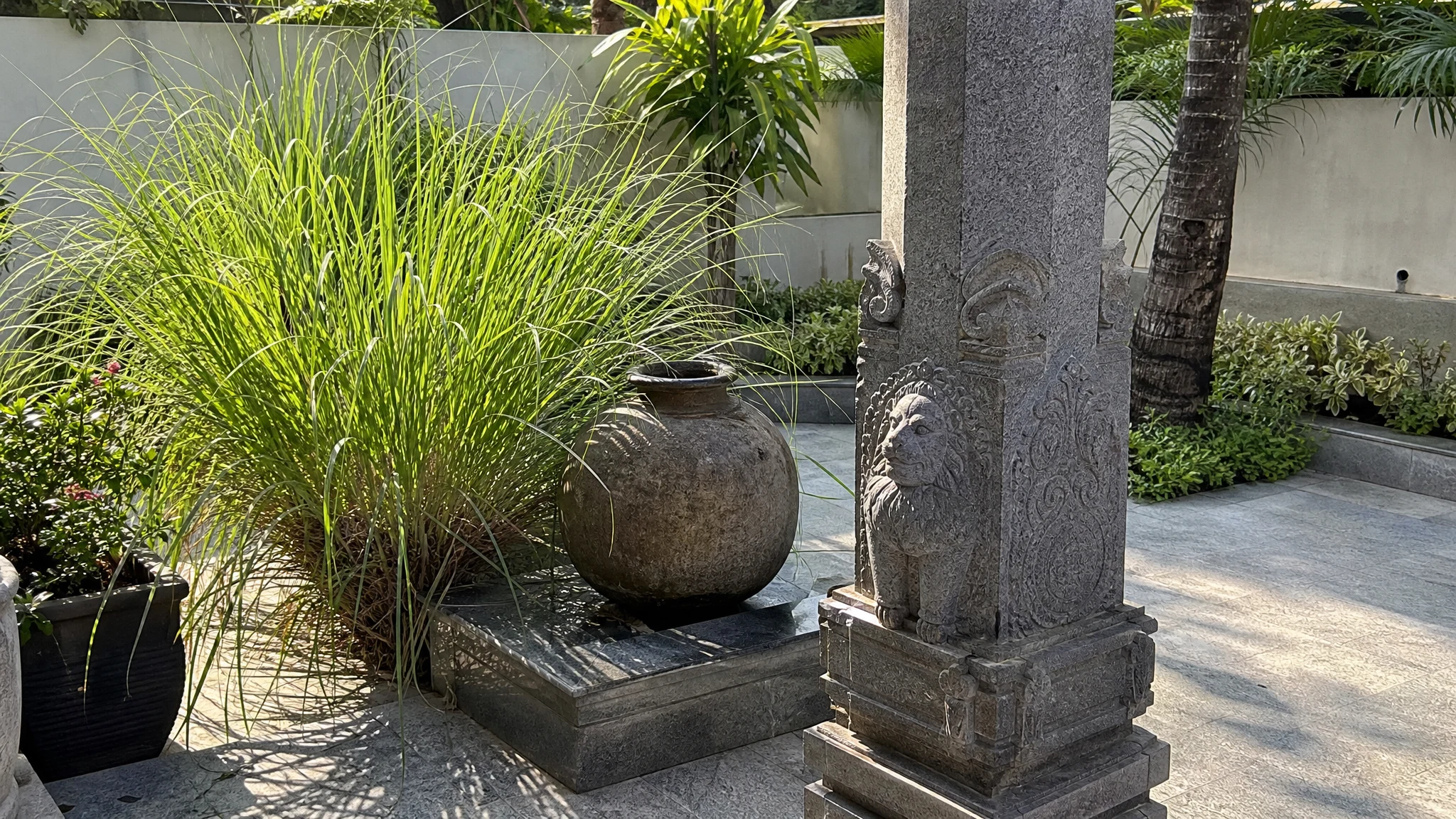
Chrysopogon zizanioides, also known as Vetiveria zizanioides, is originally from India and is now widely cultivated in tropical regions. Its name comes from a Tamil word meaning a root that is dug up. Plant references describe natural stands in swamp areas of northern India, Bangladesh and Burma, while the French perfume archive calls it native to southern India. Either way, people have been moving it around for a very long time.
The oil entered European chemistry early: the first chemical analysis of vetiver oil was made in France in 1809, on roots from Reunion Island, and Reunion was growing vetiver for perfumery from 1900. Indonesia and India built their own traditions, and the Javanese oil became known as akar wangi.
How Haiti became the centre of the trade
Haiti’s story is more recent. According to the account on Wikipedia, vetiver processing was introduced there in the 1940s, and a Haitian distillery expanded to dozens of stills in the decades after. Within a few decades Haiti had become the largest producer in the world, and today it remains one of the largest sources of the oil. Estimates of world production vary a great deal, from roughly 120 to 150 tonnes a year in some sources to far higher in others, depending on the year and what is counted. What they agree on is that Haiti accounts for a very large share, and one report puts it at about half. In the figures we read, Haiti and Indonesia lead, with China behind them.
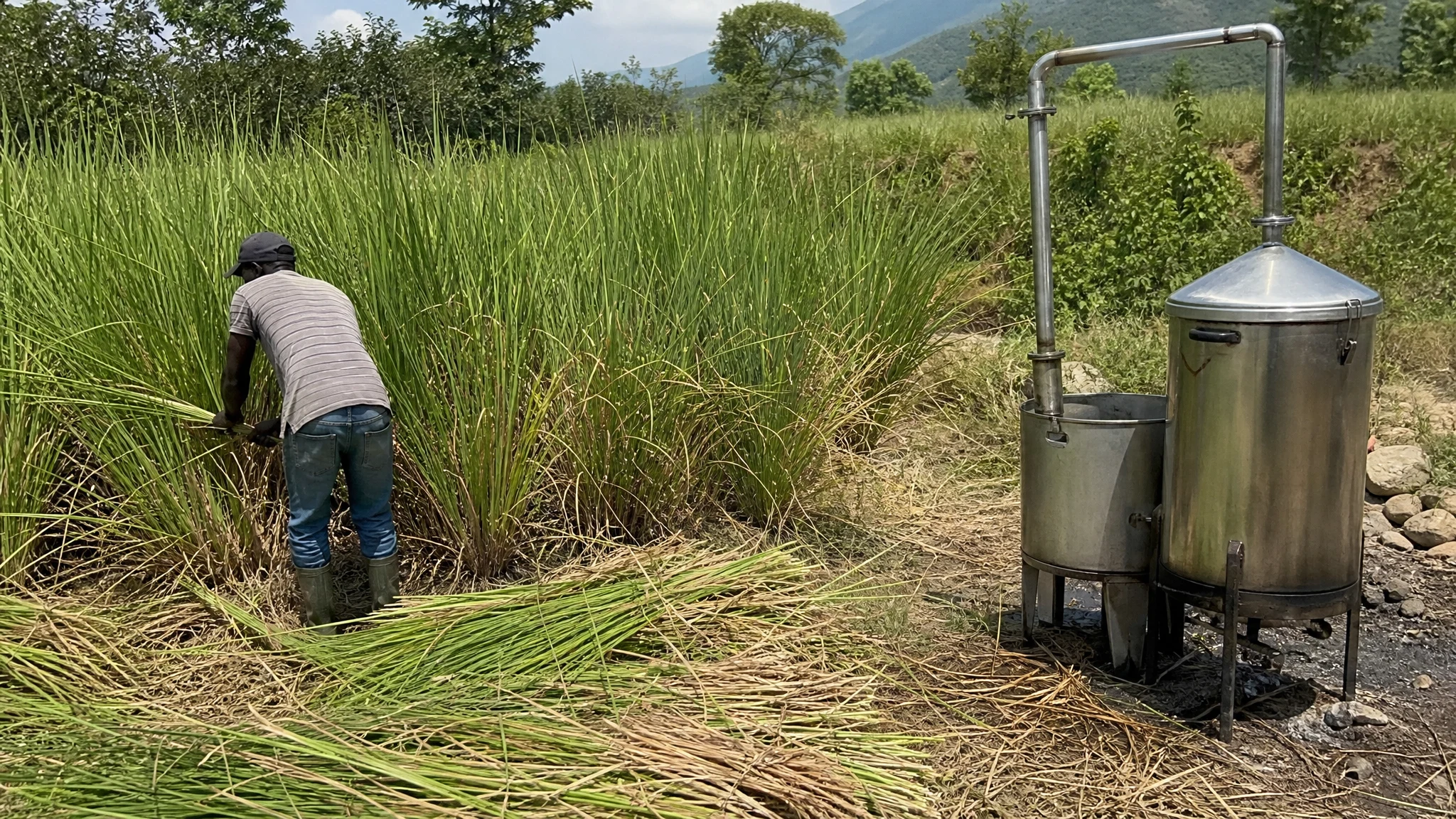
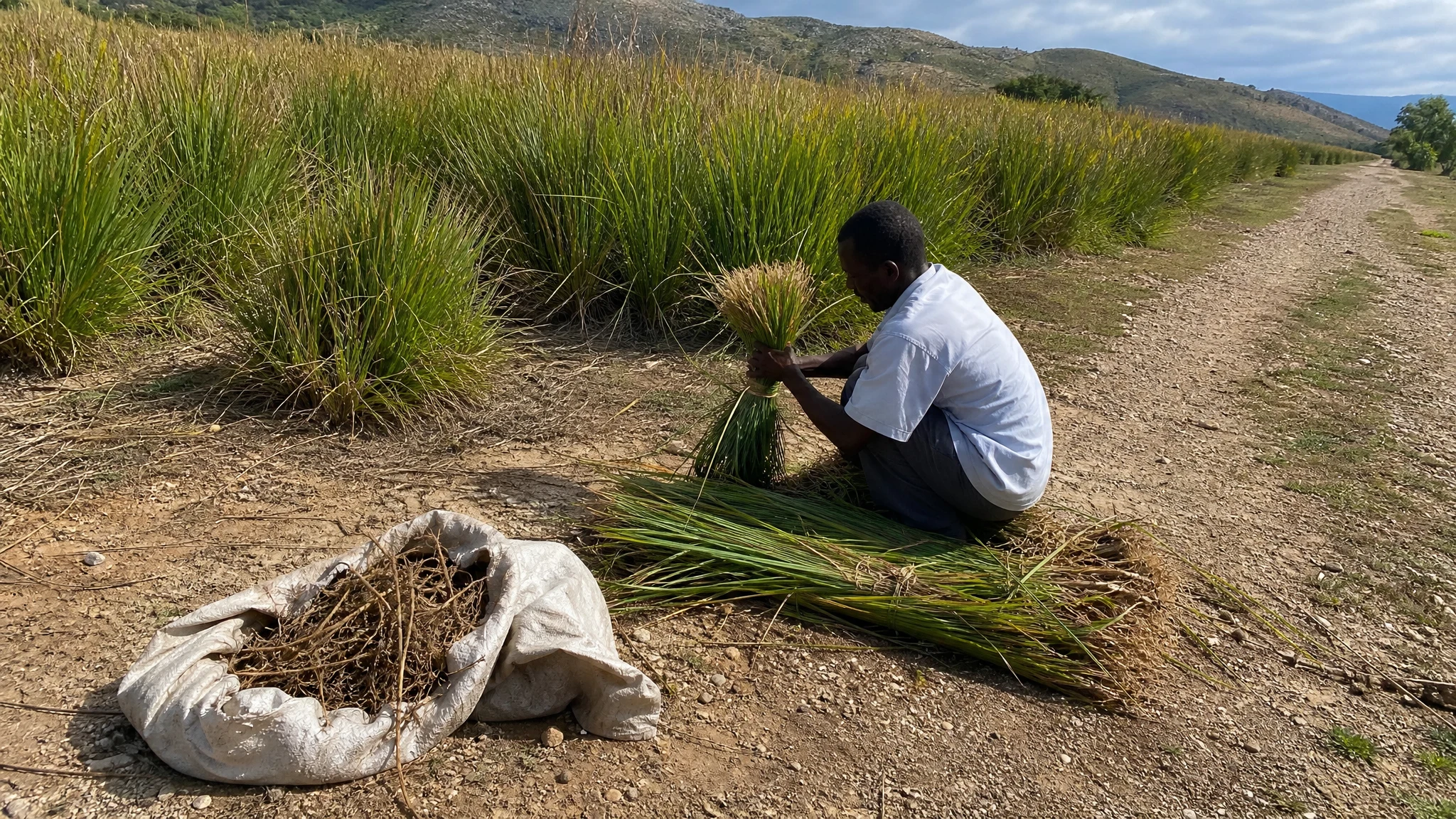
Our own vetiver is steam-distilled from roots that come from the hills of southern Haiti, around Les Cayes and Camp-Perrin.
What digging a root crop involves
Vetiver oil is a root harvest in the most literal sense. Farmers dig the whole plant out of the ground, and the reporting links this traditional harvest to soil erosion. Cooperatives there have been encouraging contour piles of crop residue to hold the soil in place. Reporting from 2018 estimated that about 30,000 farmers in the southwest depend on the crop, which shows how much of a region’s livelihood rests on one grass. Choosing an oil from a root crop is, in a small way, choosing to be part of that story.
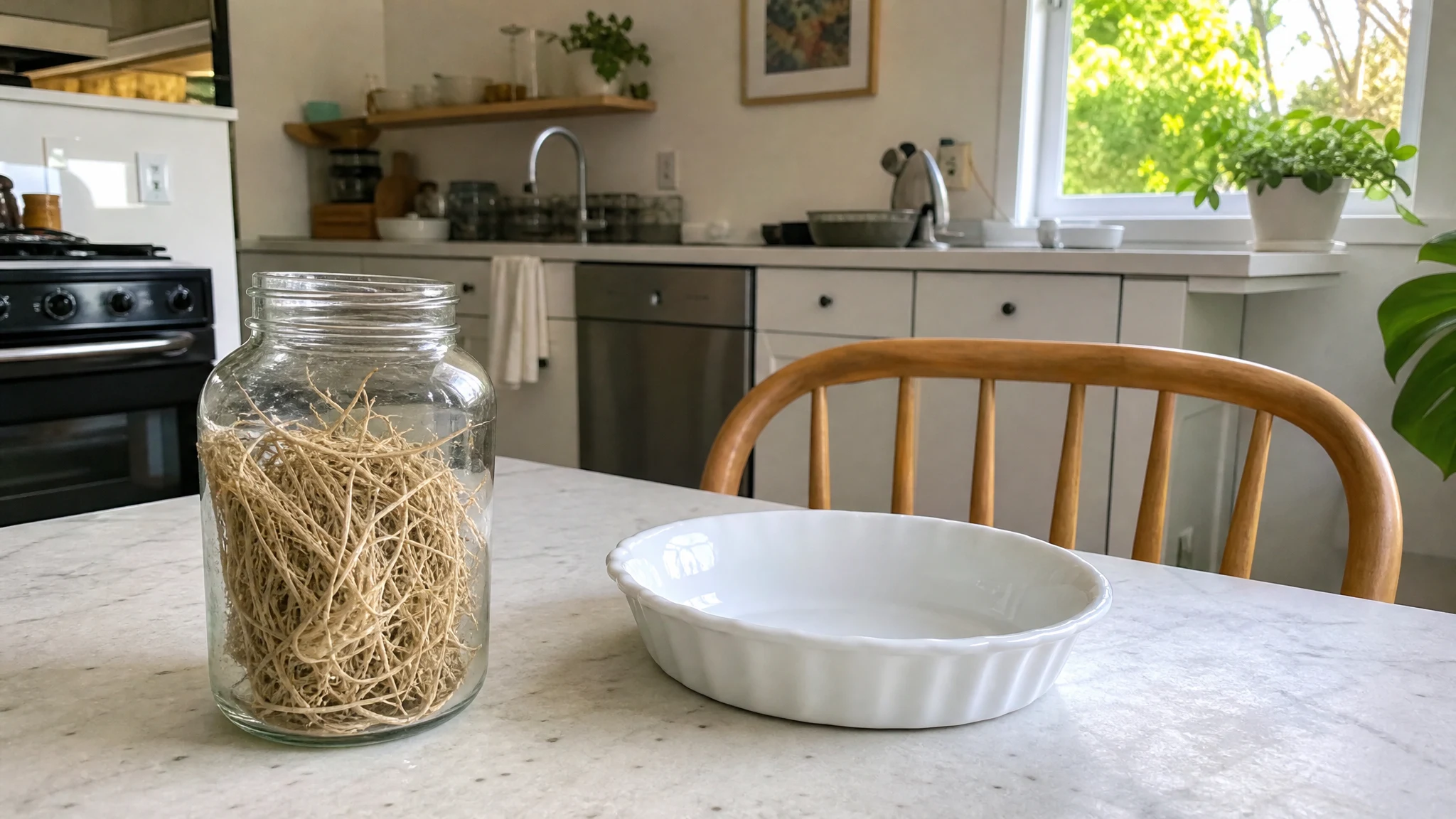
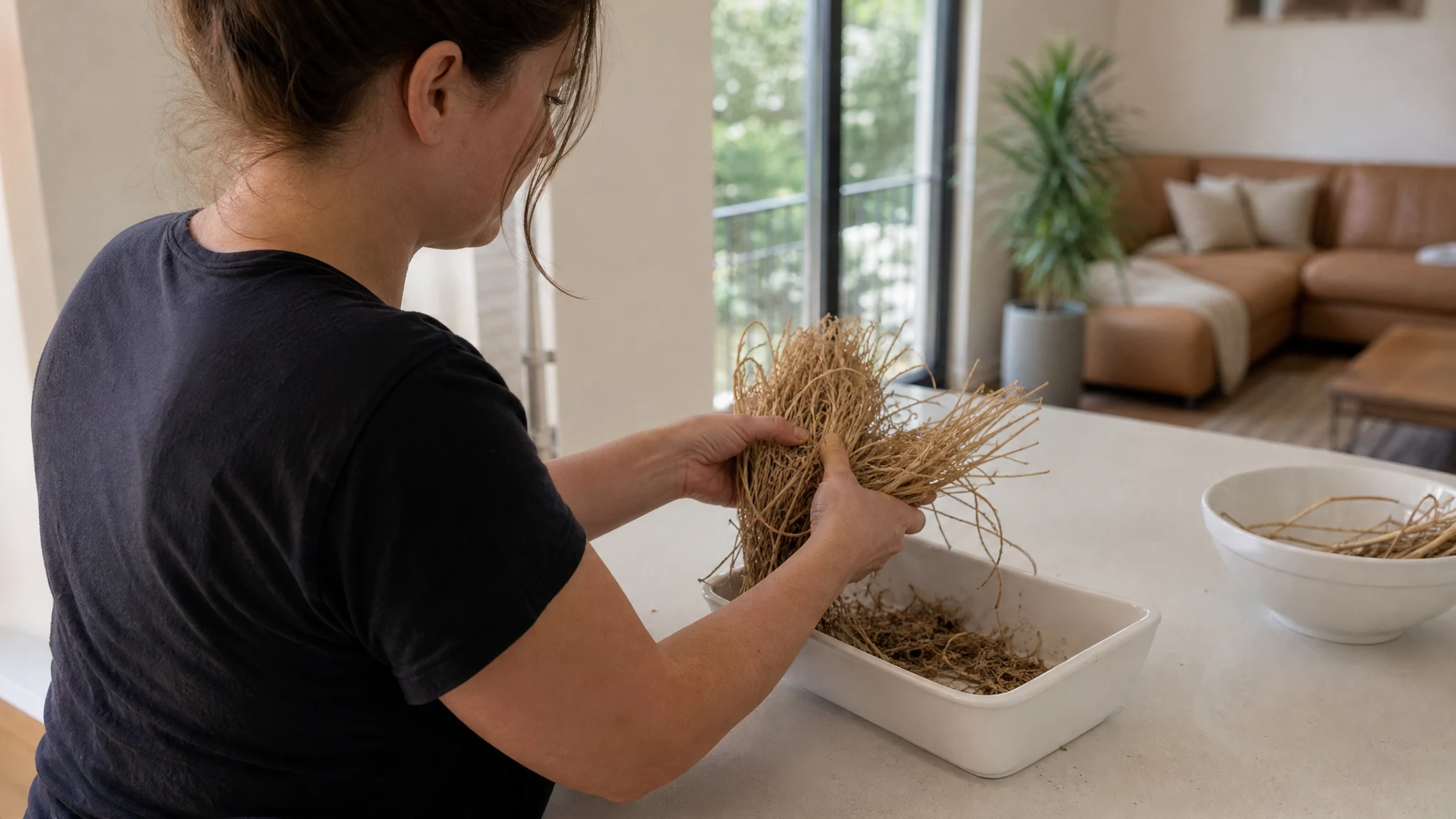
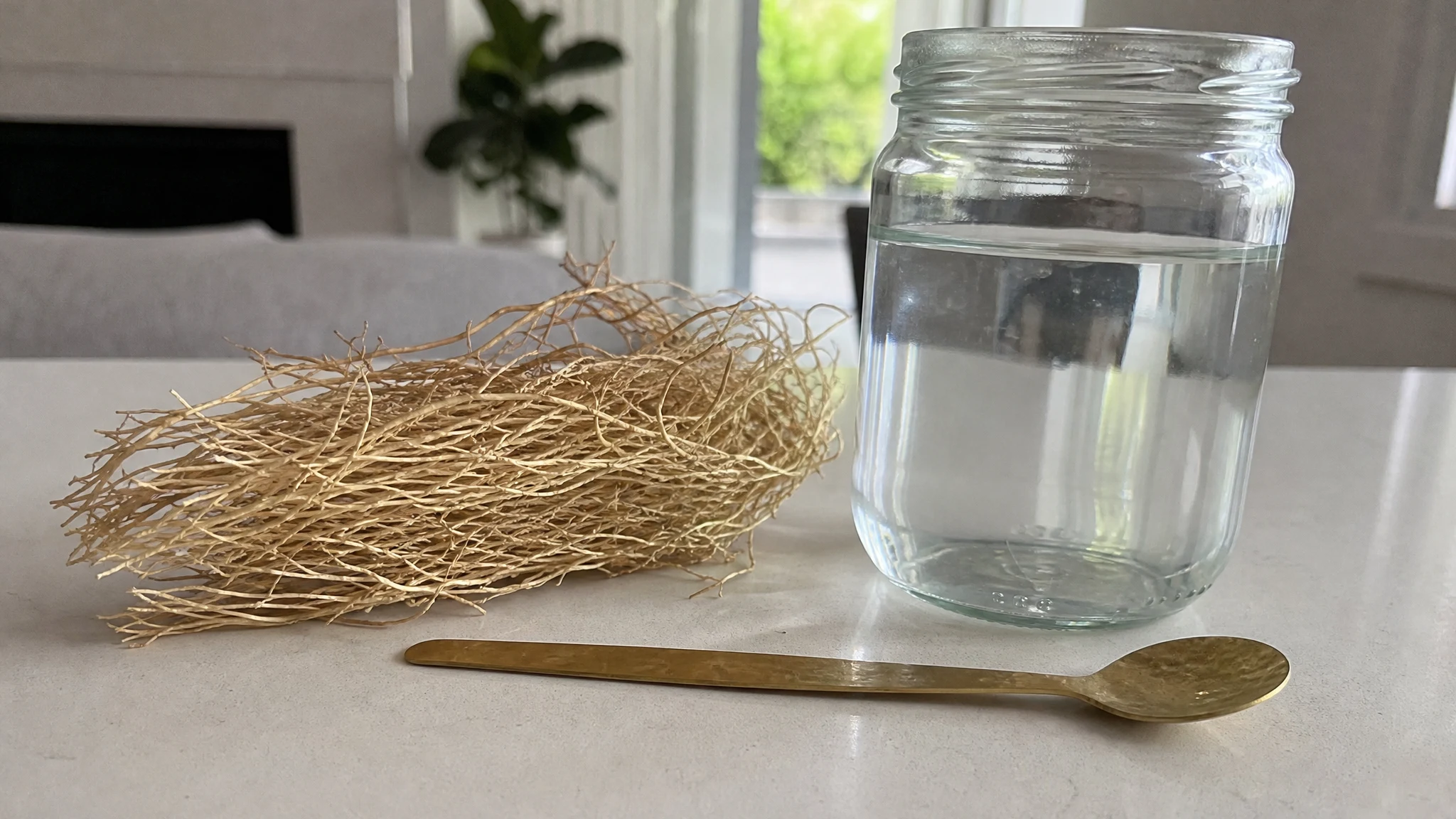
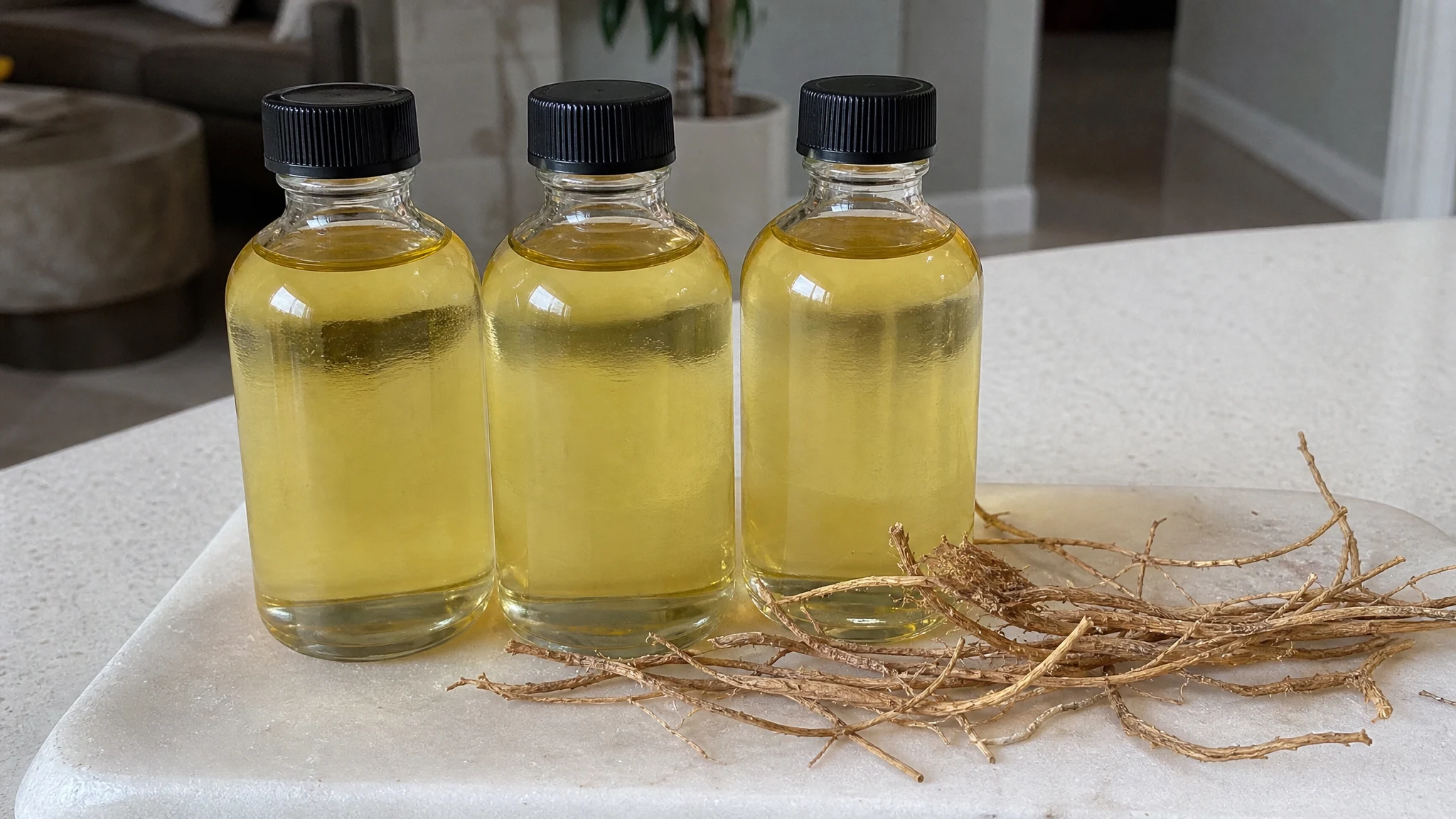
After digging, the roots are washed and dried and then distilled with steam. The French perfume archive says the process takes more than 24 hours, and that about 150 kilograms of dried roots make one kilogram of oil.
Why origin changes the smell
The international standard for vetiver oil lists seven origins: Reunion, China, Haiti, Indonesia, Madagascar, Brazil and the Comoros. Each carries its own character. The perfume archive describes Reunion as earthy, rooty, spicy and leathery, Javanese as earthy, bitter and extremely smoky, and Haitian as smoky, woody and a little green. Those are descriptions rather than measurements, but they help when you are choosing between sources or trying to match a scent. Our comparison of Haitian, Javanese and Indian vetiver goes into the differences, and our guide to what vetiver smells like takes the same idea to your nose.
Following the route with your nose
One of the pleasures of vetiver is that its history is easy to turn into a small tasting project. Pour a drop of oil onto a blotter strip and smell it right away. Then pick two or three words for it, such as smoky, earthy or woody, and write them beside the date. Come back after an hour and add whatever has changed. Over a few weeks you will build a little vocabulary of your own, and it will make every description you read, in this article or anywhere else, easier to follow.
If you like maps, keep one nearby while you read about the places in this post: India, Reunion, Java, Haiti. It is a pleasing thing to realise how far a single grass has travelled, and how many hands have touched it along the way. We find that knowing a little of the route makes us slow down a bit when we open a bottle.
What we love about a root crop
There is something humbling about an oil that comes from a root. You cannot pick it in an afternoon, and you cannot hurry it in the still. The deep, smoky-sweet smell you find in the bottle feels earned, somehow, and that is part of why we enjoy working with it. Take your time with it, use a little at a time, and give your nose a minute before you decide how you feel.
If you are curious about how the oil is separated from the root, the story of steam distillation versus CO2 extraction is a good follow-up. And if you want a document from us for a specific lot, ask in writing through the contact page.
That is also why we encourage a little curiosity about provenance. Two bottles labelled vetiver can start from the same species and still be a world apart in tone, and knowing the places on this map gives you words for what you are smelling.
Vetiver is a good reminder that an oil is also a place and a way of life. It rewards a few minutes of curiosity before you open the bottle.
Vetiver Essential Oil
Vetiver Essential Oil from our own shop, in sizes from 0.5 oz to bulk.
From $20.99
Shop Now →Sources & Further Reading
- Chrysopogon zizanioides - Wikipedia
- PROSEA - Plant Resources of South East Asia, vetiver entry
- Catherine Bala, Vetiver : a palette of woody fragrances (Osmotheque, 2015)
- Felicien, New Harvesting Techniques Bring Hope to Haiti’s Vetiver Farmers (Global Press Journal, 2018)
- ISO 4716:2013 - Vetiver Essential Oil Quality and Testing Standard