Vetiver History: From Indian Cooling Screens to Chanel
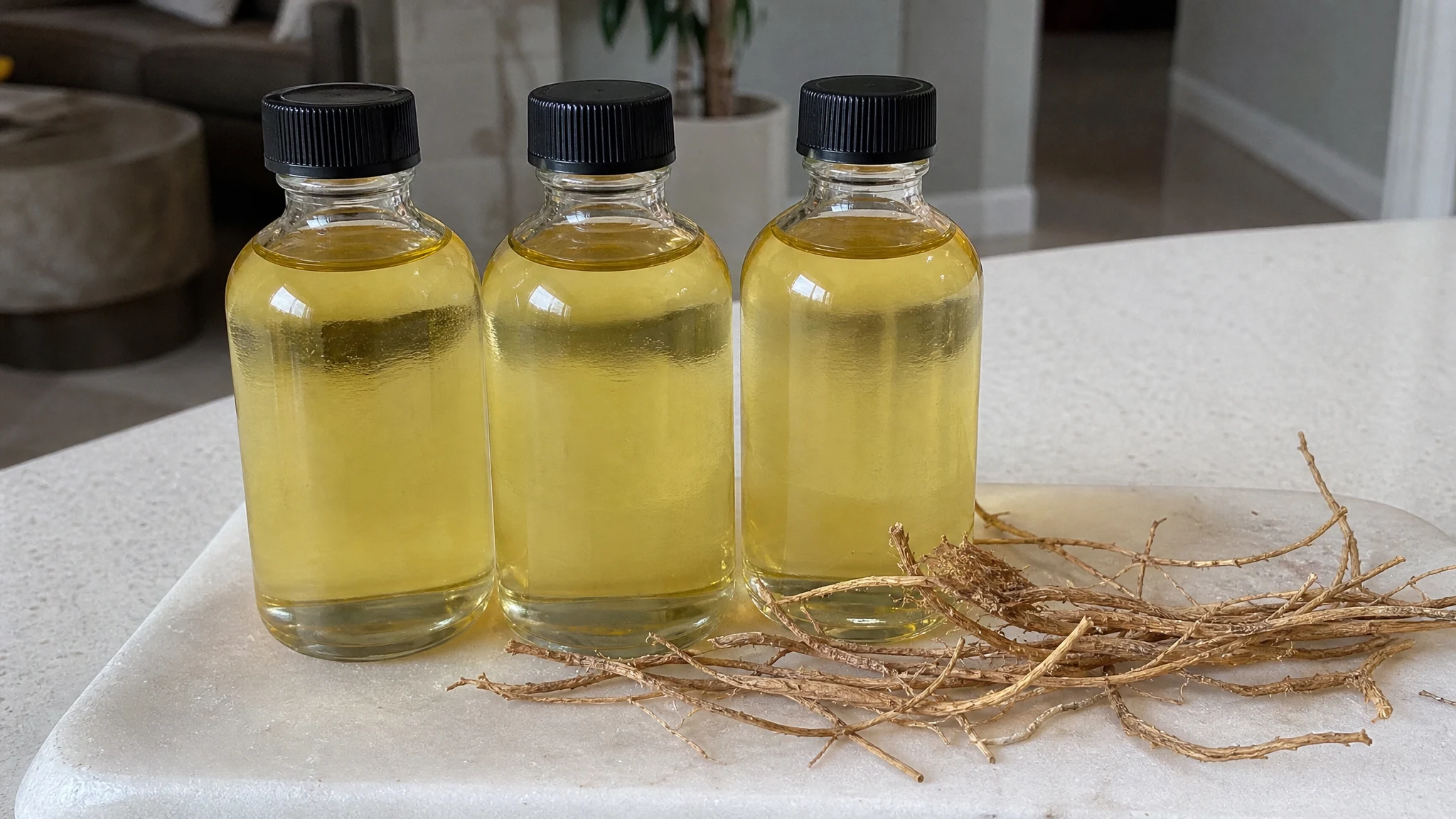
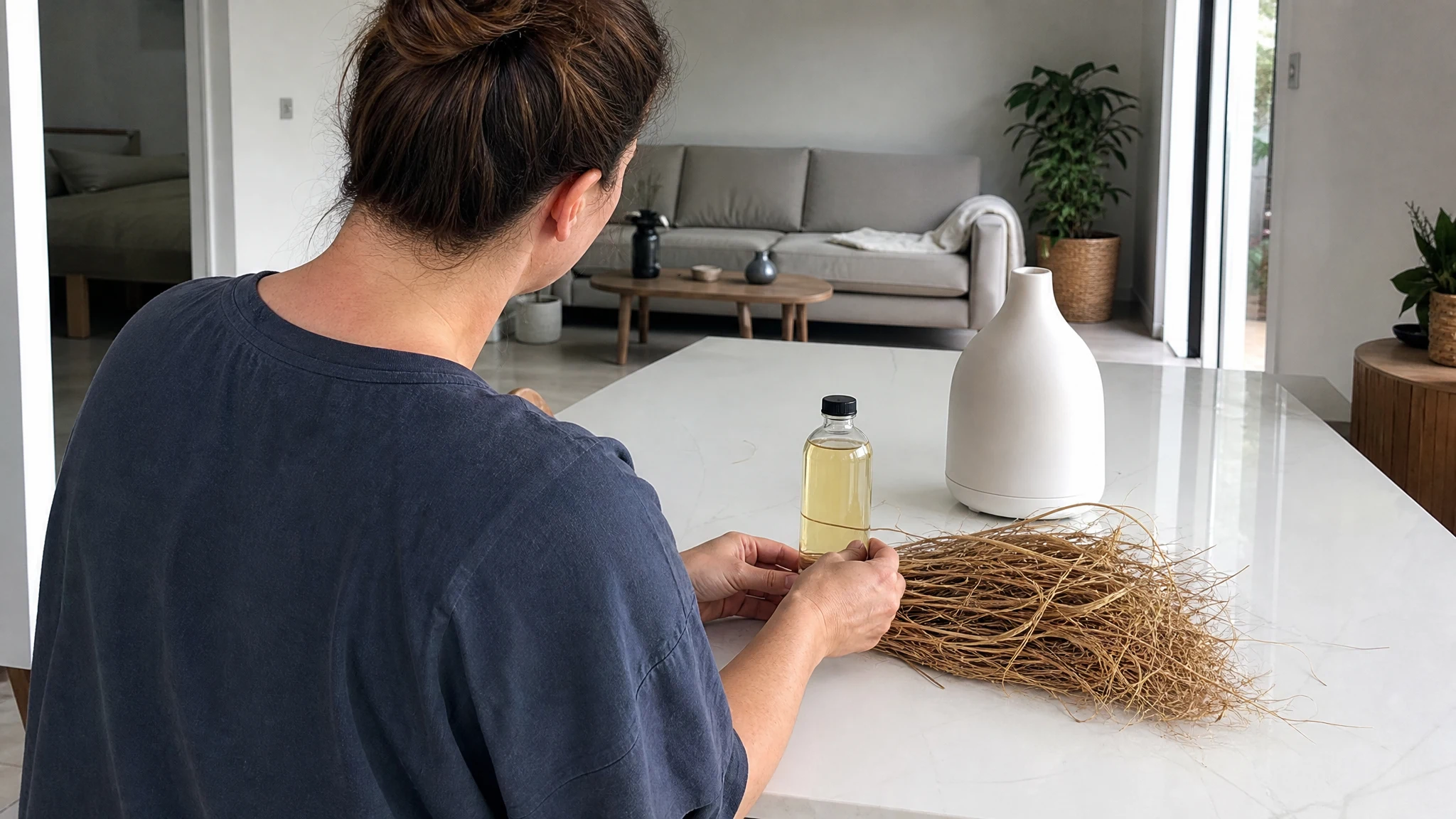
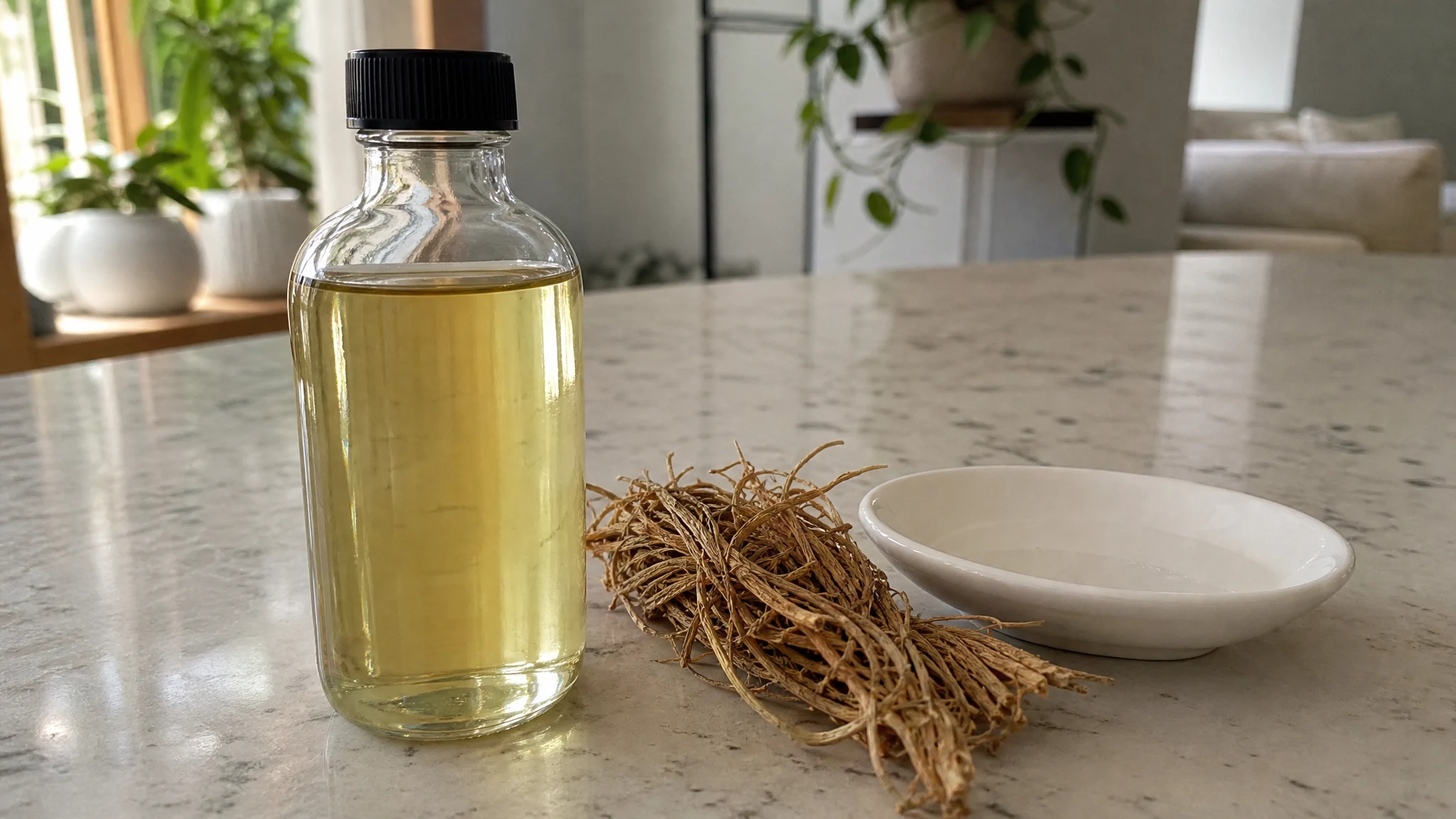
Long before anyone put vetiver in a bottle of cologne, people in India hung it in their windows. Woven screens of the dried roots, called khus chiks, were sprinkled with water so that a hot breeze came through cooled and gently perfumed. It is a good way into vetiver's history, because it reminds us that the smell we now call a base note started as a comfort.
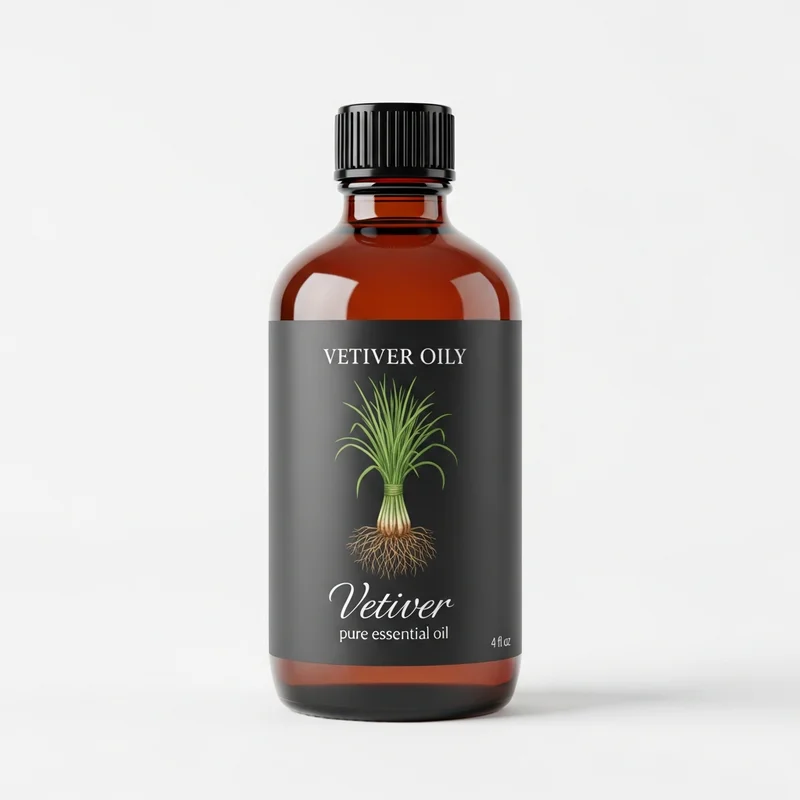
Vetiver Essential Oil
Our own Vetiver Essential Oil, in sizes from 0.5 oz to bulk.
From $20.99
Shop Now →India: roots for cooling, long before perfume houses
The name comes from the Tamil vettiveru, and the Osmothèque, the French perfume archive, says the plant's aromatic and medicinal properties were first recognised in India, citing ayurvedic treatises in Sanskrit written around 1,000 BCE (Vetiver : a palette of woody fragrances, Osmothèque). That date is the archive's statement, and a lovely one to hold loosely.
The living tradition is easier to see. A fragrance supplier's long account of a 1995 trip to North India describes khus screens, clay water pots wrapped in damp roots, and miniature khus pavilions sold to pilgrims at the temple town of Nathdwara. It also describes Kannauj, in Uttar Pradesh, where wild vetiver roots are distilled in copper stills, and says the town has kept an unbroken perfumery tradition since at least the 16th century, while calling much of the older history speculative (Fraterworks, Ruh Khus - Oil of Tranquility). Our post on khus oil follows that thread further.
France and Réunion: the root meets the laboratory
The Osmothèque dates the arrival of the word "vetiver" in French to the early 19th century, and says the first chemical analysis of the oil took place in France in 1809 on roots imported from Réunion, then called Île Bourbon. Cultivation there for the perfume industry began in 1900, and the resulting "Bourbon" vetiver was long regarded as the finest in the world. Production on Réunion has since become marginal, the archive says, because of labour, yield, reduced planting and drought, and Haitian vetiver has taken the lead.

The perfume record
Perfume dates are the easiest to pin down, and two sources agree. The Osmothèque says the first women's fragrance with vetiver in its base was Chanel N°5, by Ernest Beaux in 1921, followed by Lanvin's Arpège in 1927. Carven's Vetiver (1957, Firmenich) was the first men's fragrance built around it, and Jean-Paul Guerlain's Vetiver (1959) is the one most people know, which the archive describes as evoking earthiness after rain and fresh morning air. A 2021 paper on vetiver's chemistry opens with the same pair, Chanel N°5 and Guerlain's Vetiver, and says that no other material appears more often in the name of a perfume (Ouyang et al., The Smelling Principle of Vetiver Oil, Unveiled by Chemical Synthesis). If you enjoy this side of the story, vetiver in perfumery explains what the oil actually does in a formula.
Haiti and the modern trade
Today the oil is distilled mainly in Haiti, China and Java. The Osmothèque calls Haiti the world's leading exporter, with 74 metric tonnes in 2012, about half of world production. The 2021 paper puts worldwide consumption at 300 to 400 tonnes a year, with about 60% coming from the Les Cayes commune. Those numbers do not match, which is not surprising: they describe different years and measure exports in one case and consumption in the other. What they agree on is the direction, and it is why we say our oil comes from roots from southern Haiti with some pride. For how vetiver is grown and sourced, see where vetiver comes from.
Science catches up with the smell
The chemistry took a long time. The 2021 paper notes that khusimone was proposed as the smelling principle by Maurer in 1980 and appeared to be confirmed by an exhaustive analysis in 2000, but with a threshold of 4.7 ng per litre of air it could not be the main odorant. The authors identified a different trace ketone, 2-epi-ziza-6(13)en-3-one, detectable at 29 picograms per litre, and proved it by synthesis. In short, a root perfumers have loved for centuries only had its signature smell pinned down in recent years. The compounds are the subject of our vetivone and khusimol article.
Picturing the screens
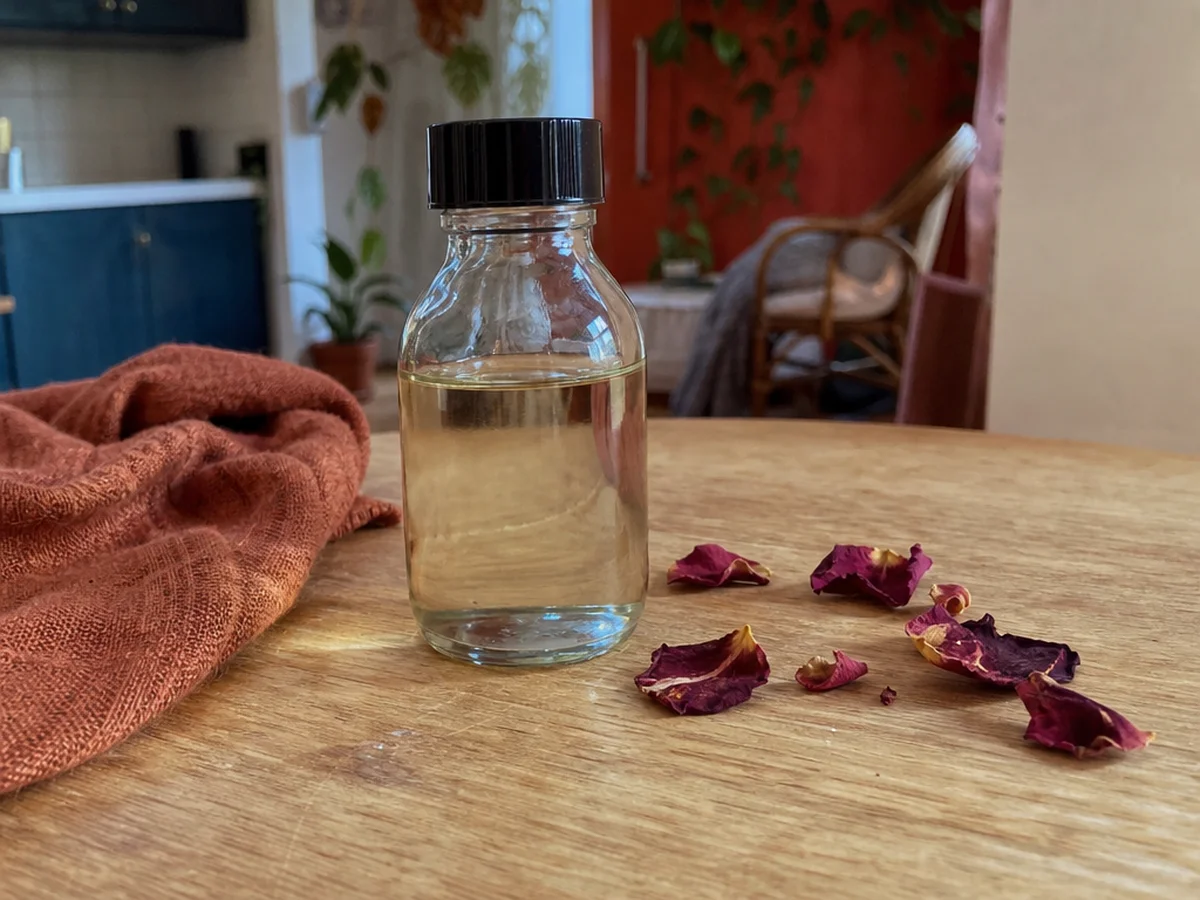
It helps to imagine a khus screen in use. On a hot afternoon, someone sprinkles water on the dried roots hung across a window, and the incoming air carries a damp, earthy, faintly sweet smell through the room. You do not need a laboratory to understand why people loved it. It smells like rain on warm ground, and that is much the same impression perfumers chase when they reach for vetiver today.
Smelling the history yourself
You can follow the story with your nose. Smell a classic vetiver cologne from a perfumer, then smell a drop of vetiver oil on a paper strip. The oil is darker and more earthy, and the perfume is brighter on top, but the root runs through both. Set the strip aside for an hour and smell it again. What remains is the quiet base that has kept perfumers interested for more than a century.

What a long history means
A long record of use tells you a material has been loved. It does not by itself tell you what an oil does for a person, and a 2017 review of vetiver oil in cosmetics found little beyond its scent (Burger et al., Vetiver Essential Oil in Cosmetics: What Is New?). We think that is fine, because the scent is the story. We sell vetiver as an aromatic and cosmetic oil and make no health claim for it.
Next time you smell a vetiver fragrance, a dampened screen in a doorway in India is not a bad picture to hold in mind.
Vetiver Essential Oil
Vetiver Essential Oil from our own shop, in sizes from 0.5 oz to bulk.
From $20.99
Shop Now →Sources & Further Reading
- Vetiver : a palette of woody fragrances (Osmothèque, 2015)
- Ruh Khus - Oil of Tranquility (Fraterworks)
- The Smelling Principle of Vetiver Oil, Unveiled by Chemical Synthesis (Ouyang et al., Angewandte Chemie, 2021)
- Vetiver Essential Oil in Cosmetics: What Is New? (Burger et al., Medicines, 2017)