How Vetiver Grass Is Harvested: Digging, Drying, Distilling
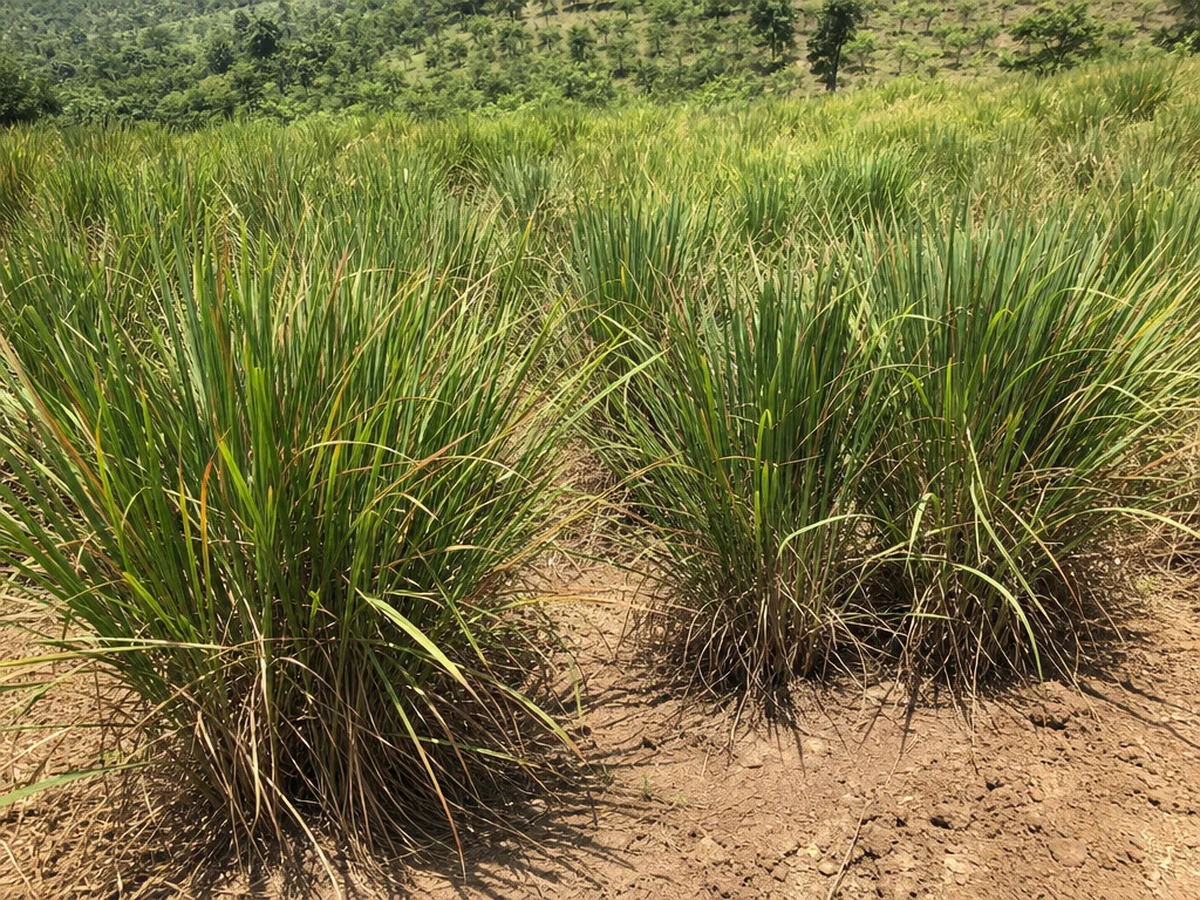
Vetiver looks like an ordinary clump of tall grass, and everything interesting about it is underground. The roots, which can run several metres deep, are where the oil is made, and getting that oil into a bottle takes a year or more of growing, a hard day of digging and a still that runs overnight.
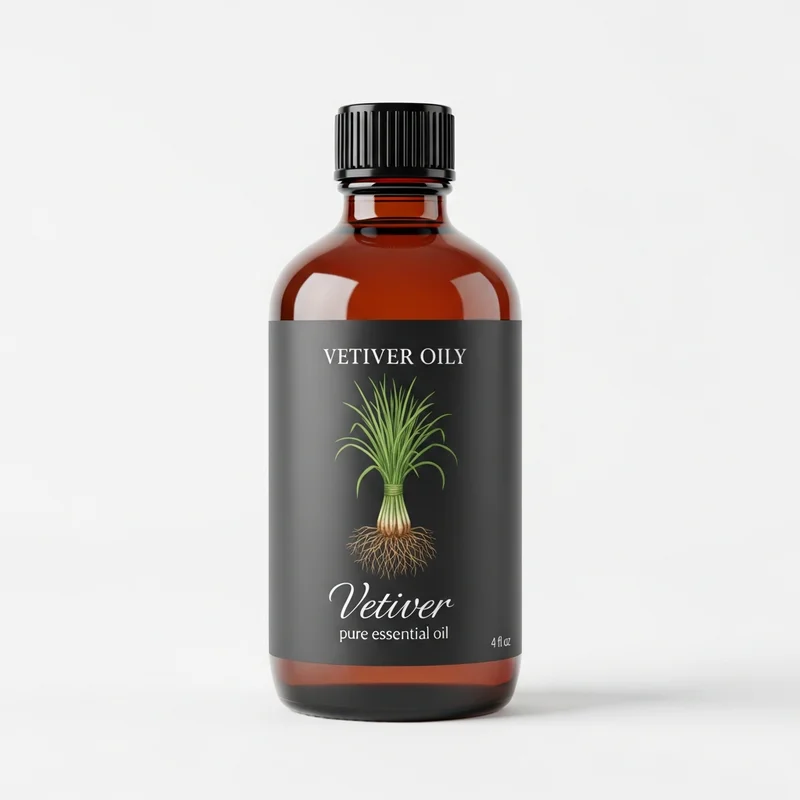
Vetiver Essential Oil
Our own Vetiver Essential Oil, in sizes from 0.5 oz to bulk.
From $20.99
Shop Now →The oil lives in the roots
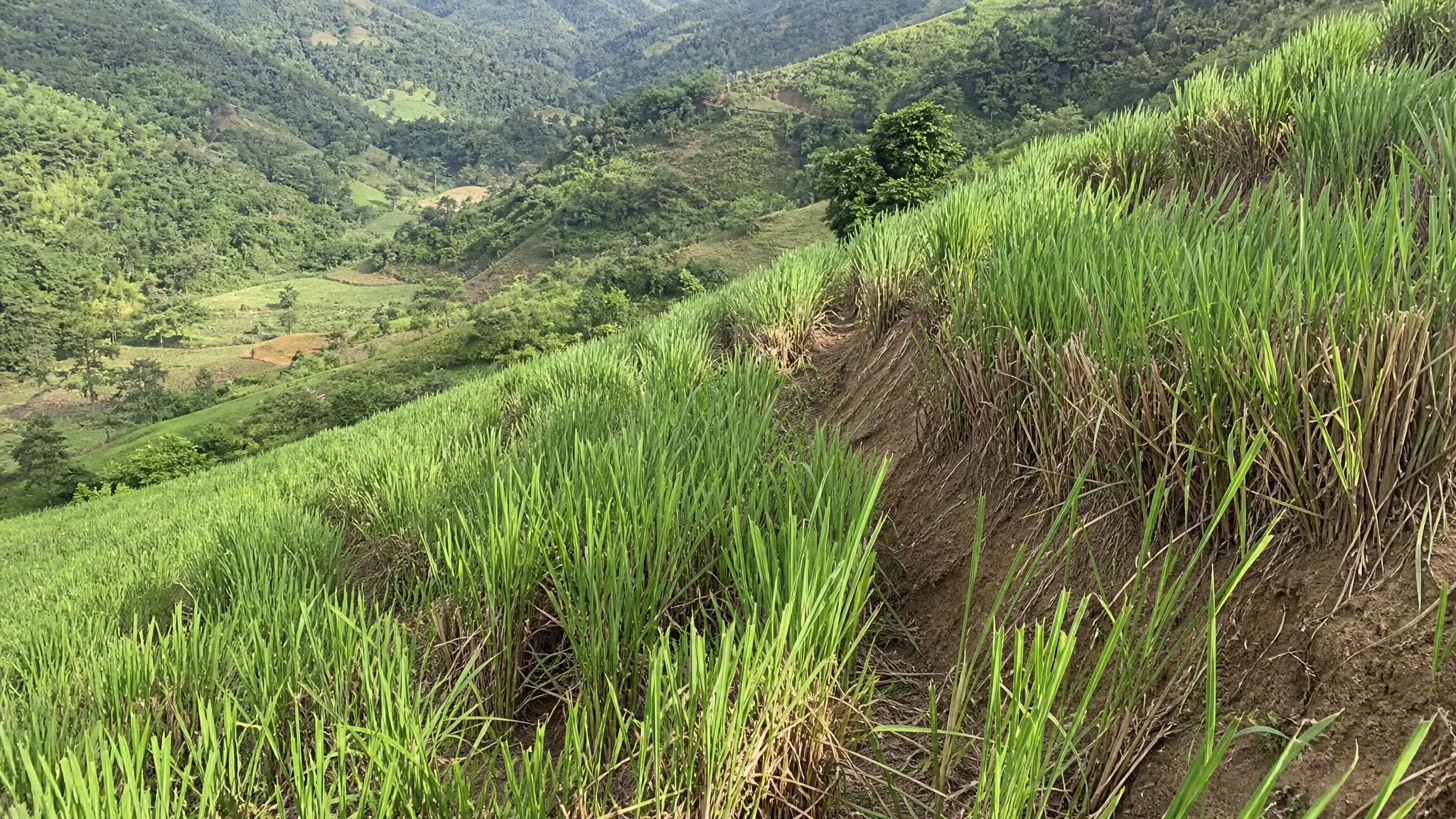
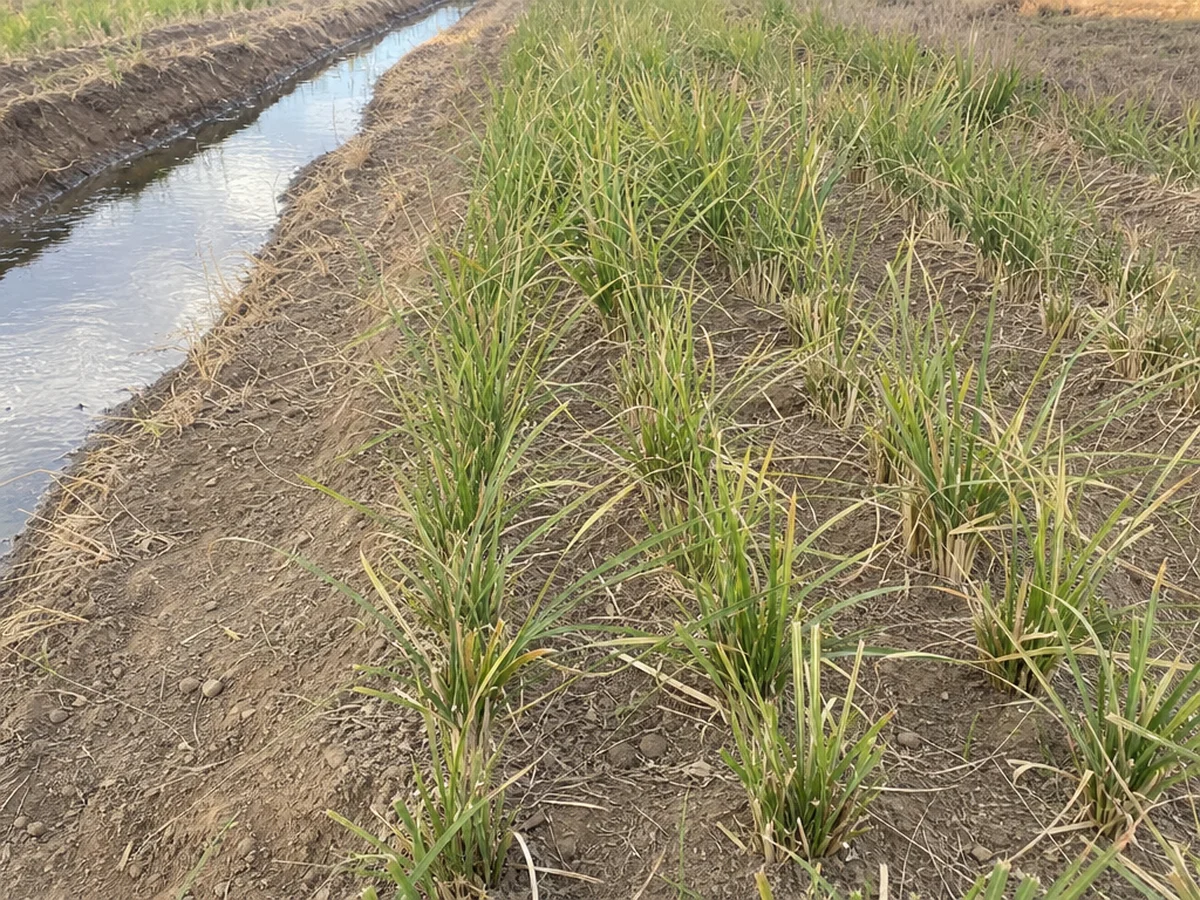
The Plant Resources of South-East Asia handbook notes that for oil production, light sandy soils are preferred because they make it easier to harvest the smaller roots, which contain most of the oil. The same plant is famously tolerant of poor ground: it grows in anything from very acid to very alkaline soil, and from heavy clay to leached sand. It does ask for sunshine, and should not be permanently shaded.
The yield is modest. The Osmotheque, the French perfume archive, says it takes about 150 kg of dried roots to make 1 kg of essential oil. Every drop is the product of a lot of root.
How long the roots stay in the ground
This is the question where sources give different answers, and the differences are instructive. The PROSEA handbook says roots are normally harvested 15 to 18 months after planting, when their oil content is highest. In Java, harvest is sometimes at 12 months, and elsewhere it is sometimes postponed beyond 24 months, which gives lower yields but, in the handbook's words, a heavier and darker oil of higher quality. The Osmotheque describes digging from August to December, one year after planting.
The way to read these is as a trade-off rather than a contradiction. Earlier harvests bring more oil per field. Later harvests bring less oil that is heavier and darker. Where a grower lands on that curve is one reason two bottles of vetiver can pour and smell a little differently, and it is one of the reasons we find the oil so interesting.
Digging is the hard part
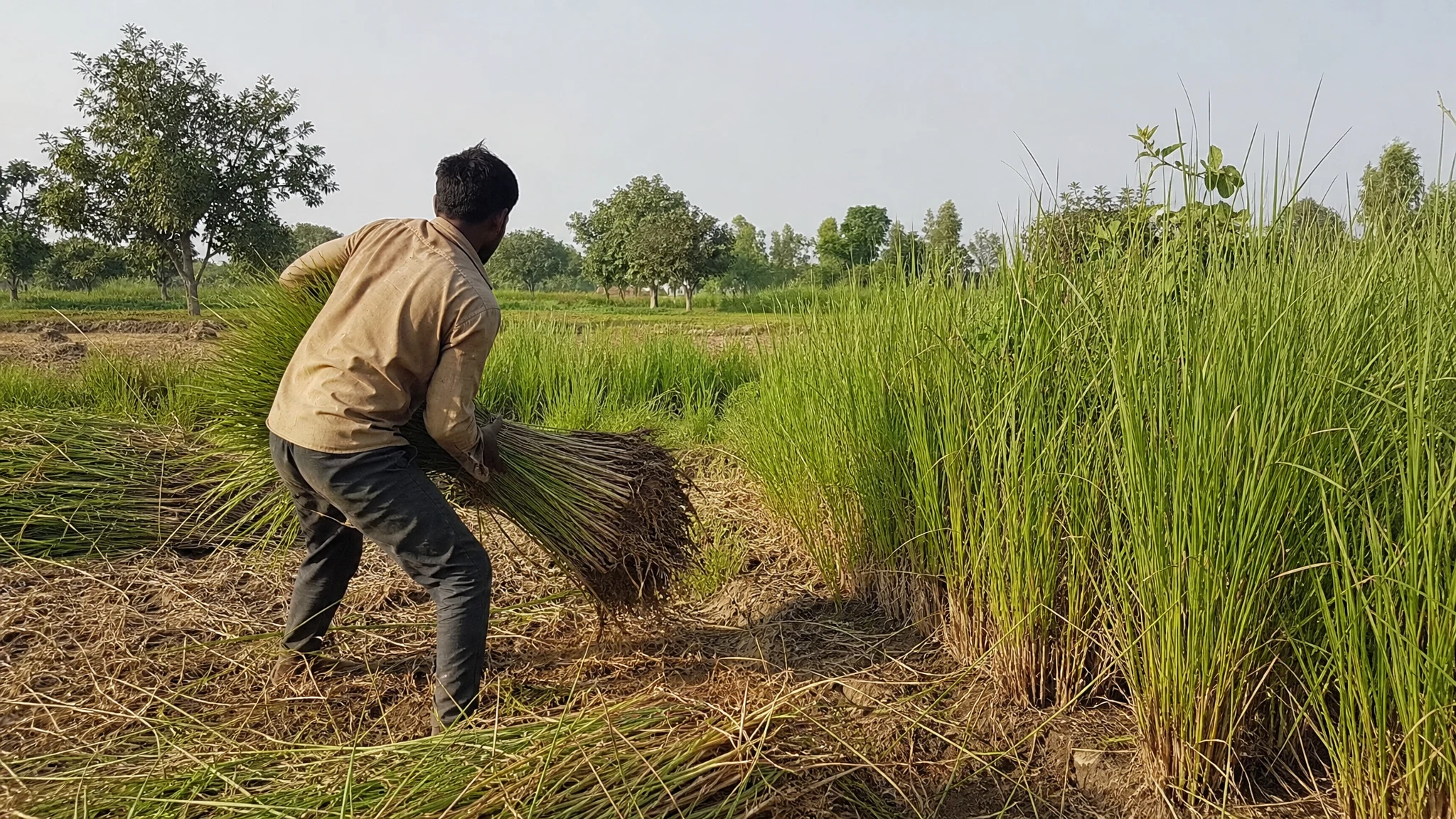
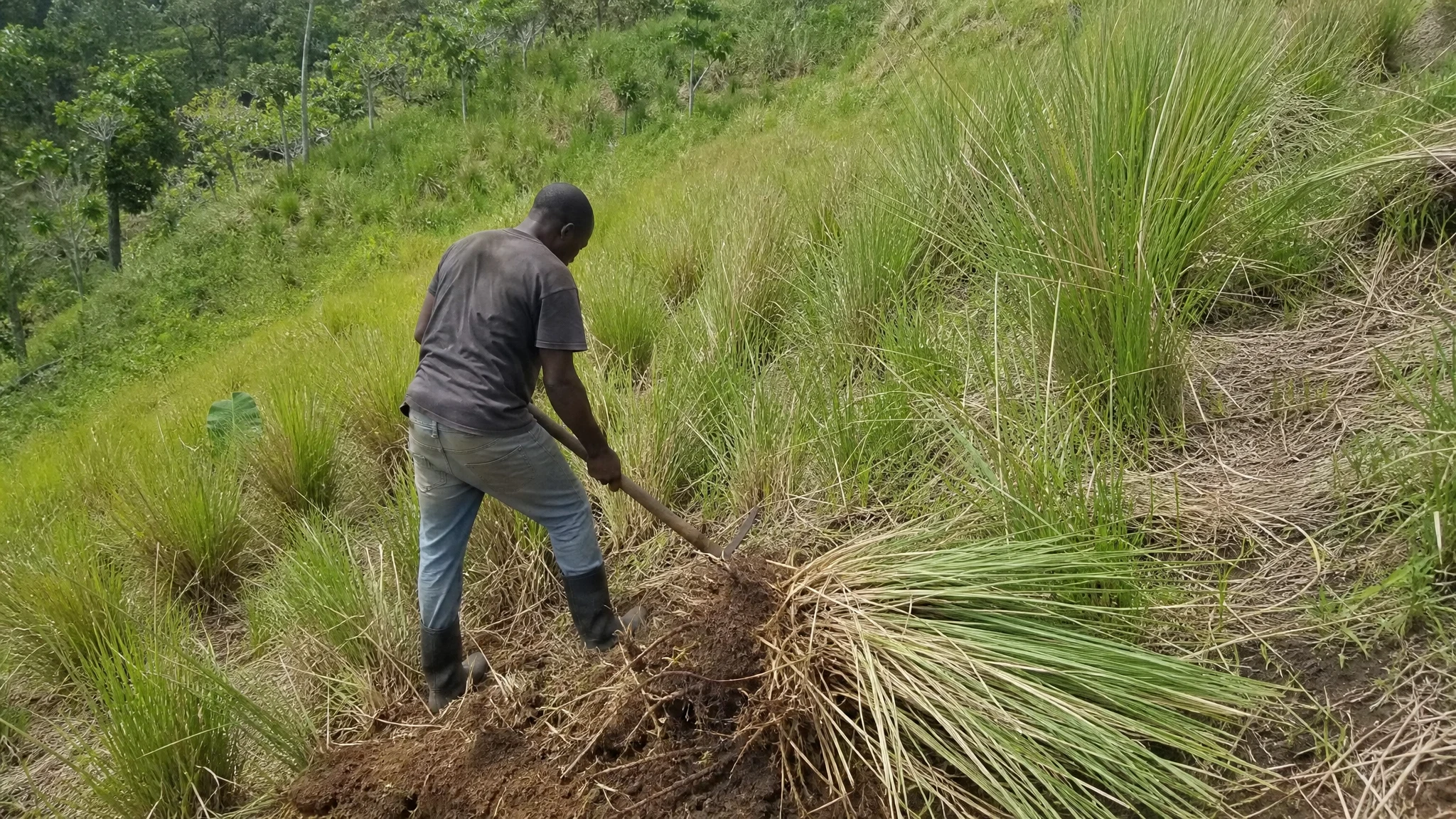
Vetiver is not mown. The whole plant comes out of the ground. A 2018 Global Press Journal report from Les Cayes, in southwestern Haiti, quotes a farmer saying that vetiver is harvested by digging the whole plant out, a practice that has led over time to soil degradation and erosion on the hillsides. The report describes a local exporter encouraging growers to leave contour piles of crop residue, called rampes, spaced about five metres apart, to hold the soil. It also says Haitian farmers grow about half of an estimated 120 to 150 tons of vetiver oil produced worldwide each year, and credits some 30,000 farmers in the southwest for that output. Those are a journalist's figures from a particular year, so we use them as scale rather than a precise count.
Drying and distilling
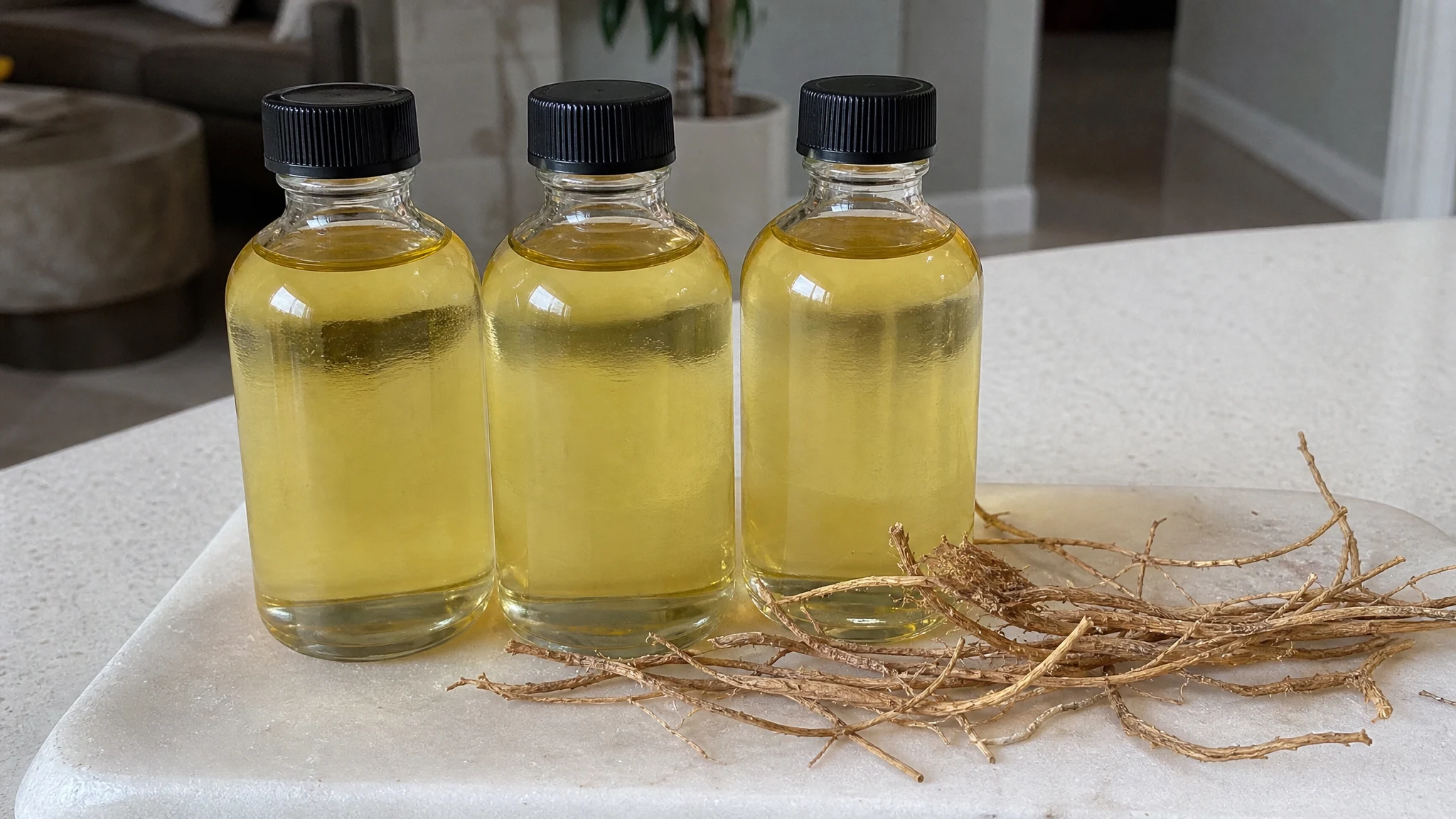
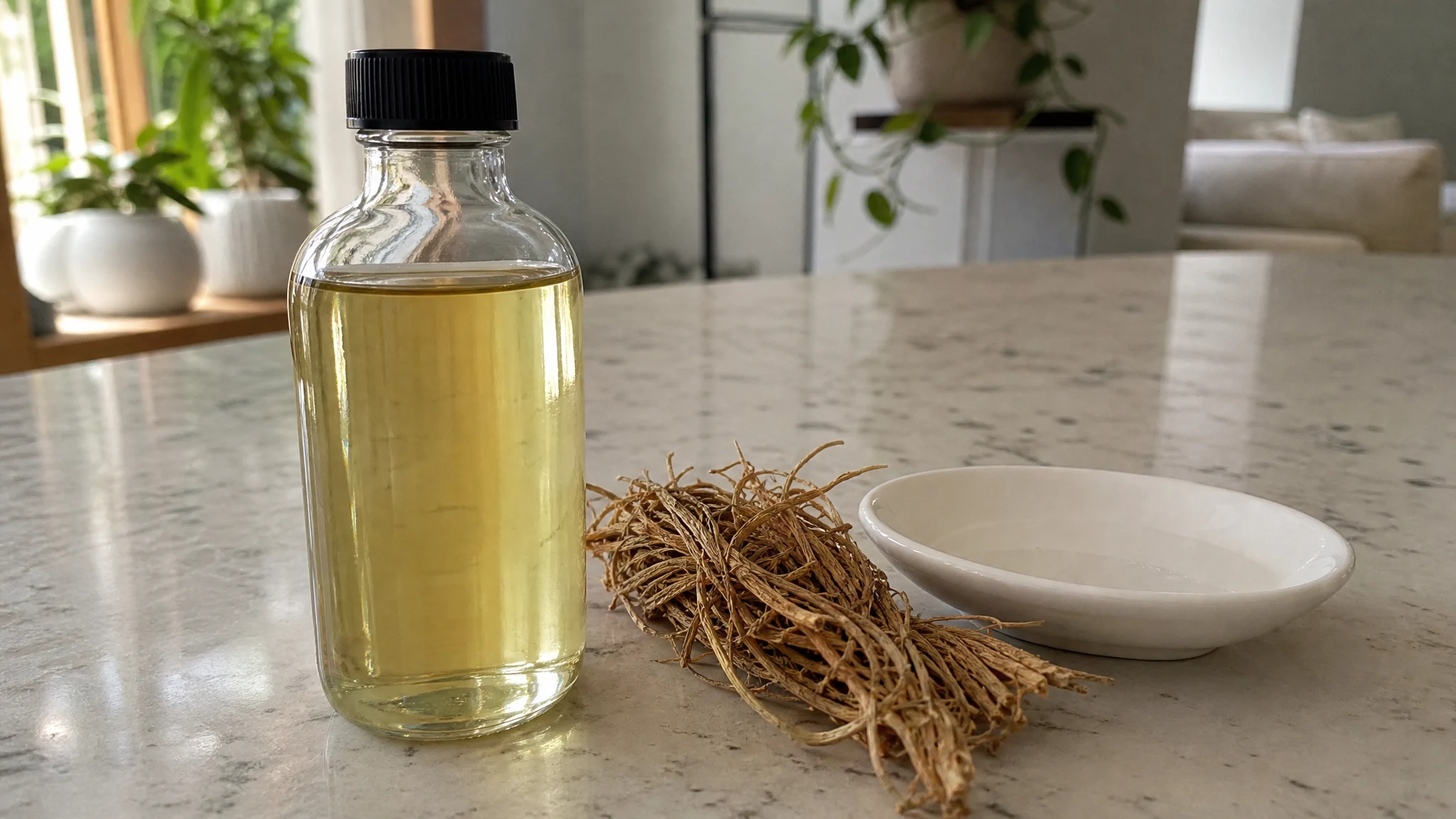
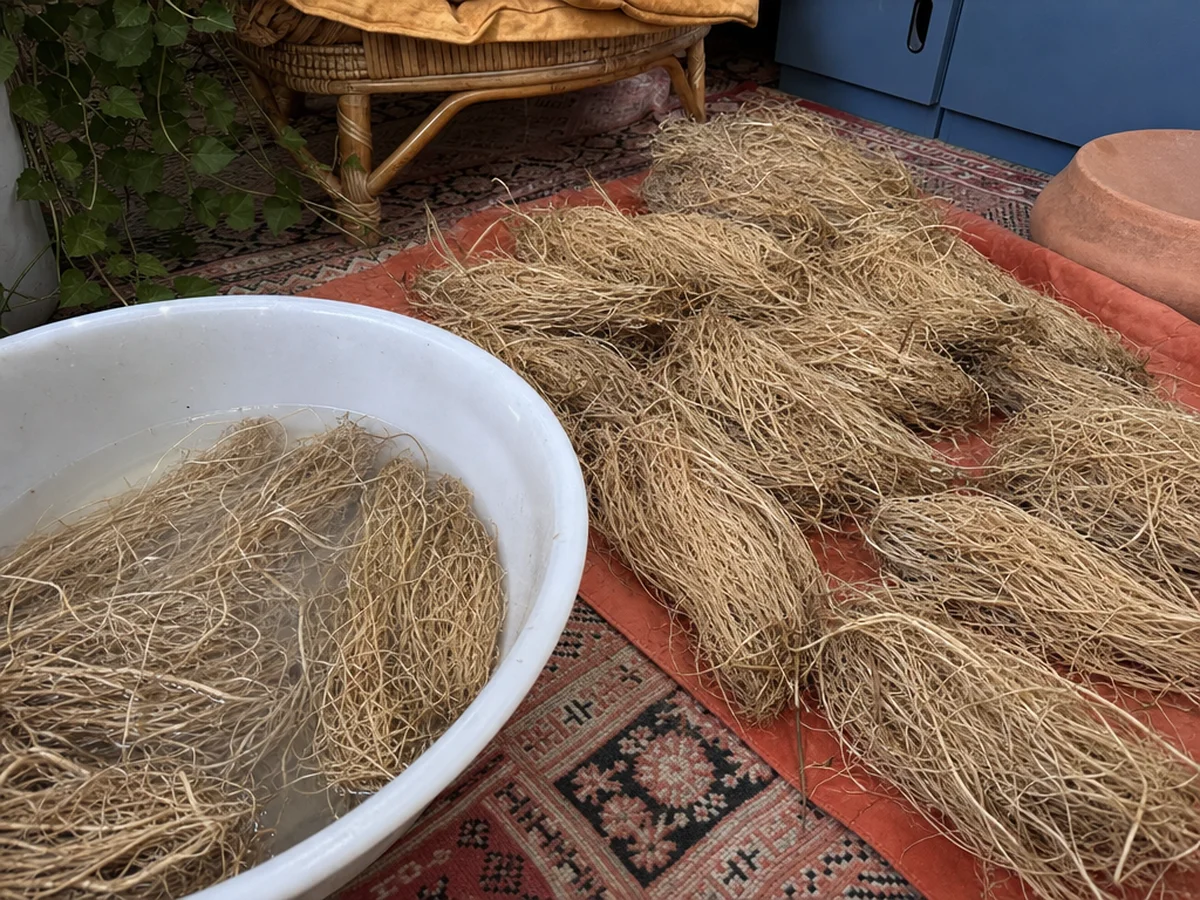
After digging, the roots are washed, cut and dried before they go to the still. The Osmotheque says the distillation takes more than 24 hours and needs a great deal of water, and that the result is a very thick, resinous, yellowish oil. PROSEA adds that vetiver oil improves with storage, because the harsh green earthy note of freshly distilled oil turns into a fuller, heavier and sweeter odour. That is why you will hear perfumers and makers talk about resting the oil. Our vetiver is a steam-distilled root oil, thick and slow-pouring, with a deep, earthy and smoky-sweet aroma, so that thickness is part of its character.
If you are tempted to grow it
A garden clump will give you a lovely fragrant root and almost no oil. Given that commercial yields come to well under one part in a hundred of the dried root's weight, and that the oil needs a long distillation, buying oil is far more realistic than making it. Grown as a hedge or for its roots as a sachet, vetiver has many virtues. PROSEA reports good growth where the average maximum temperature is between 25 and 35 degrees Celsius, so it is a plant for warm climates.
Why the roots smell the way they do
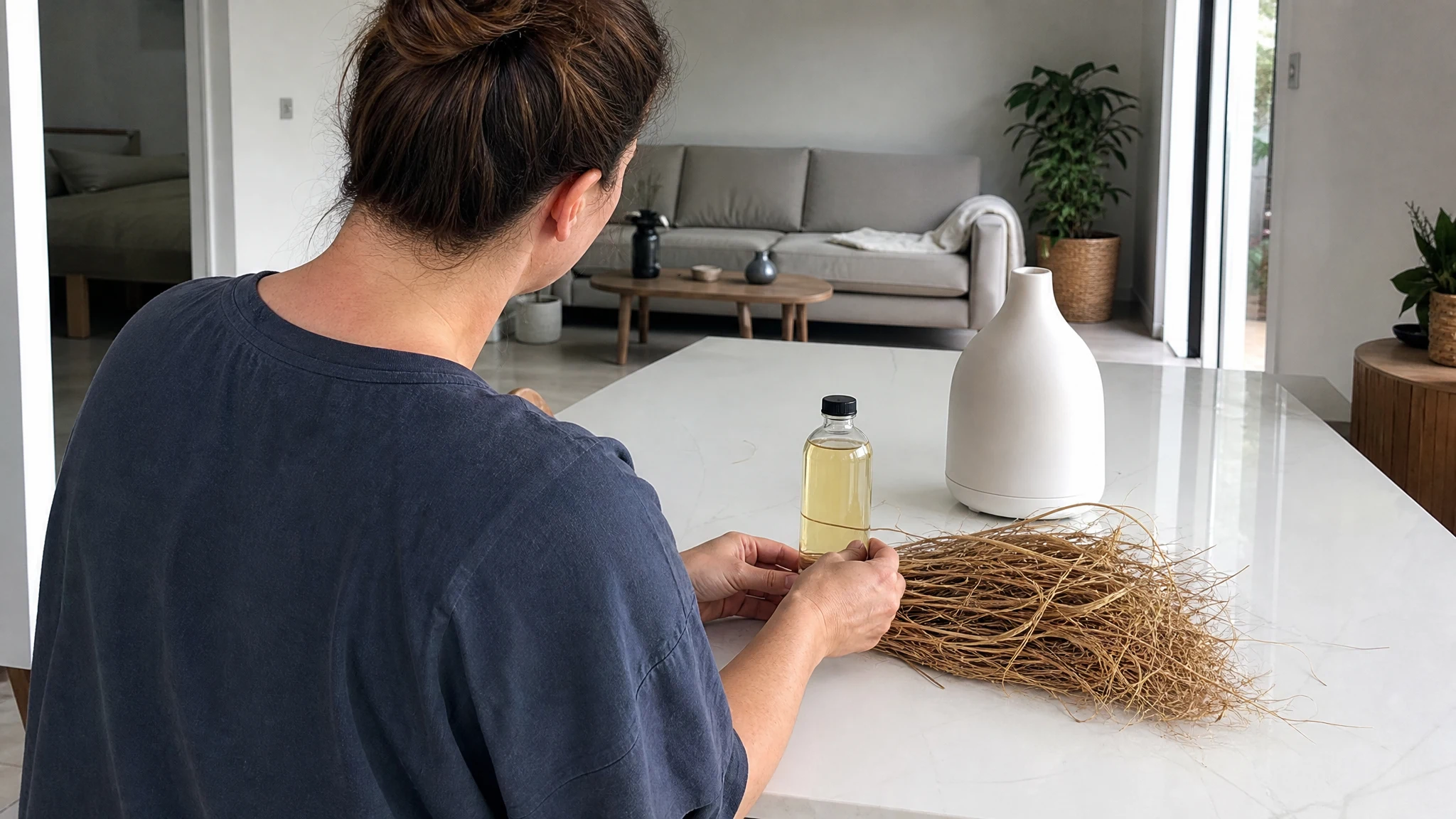
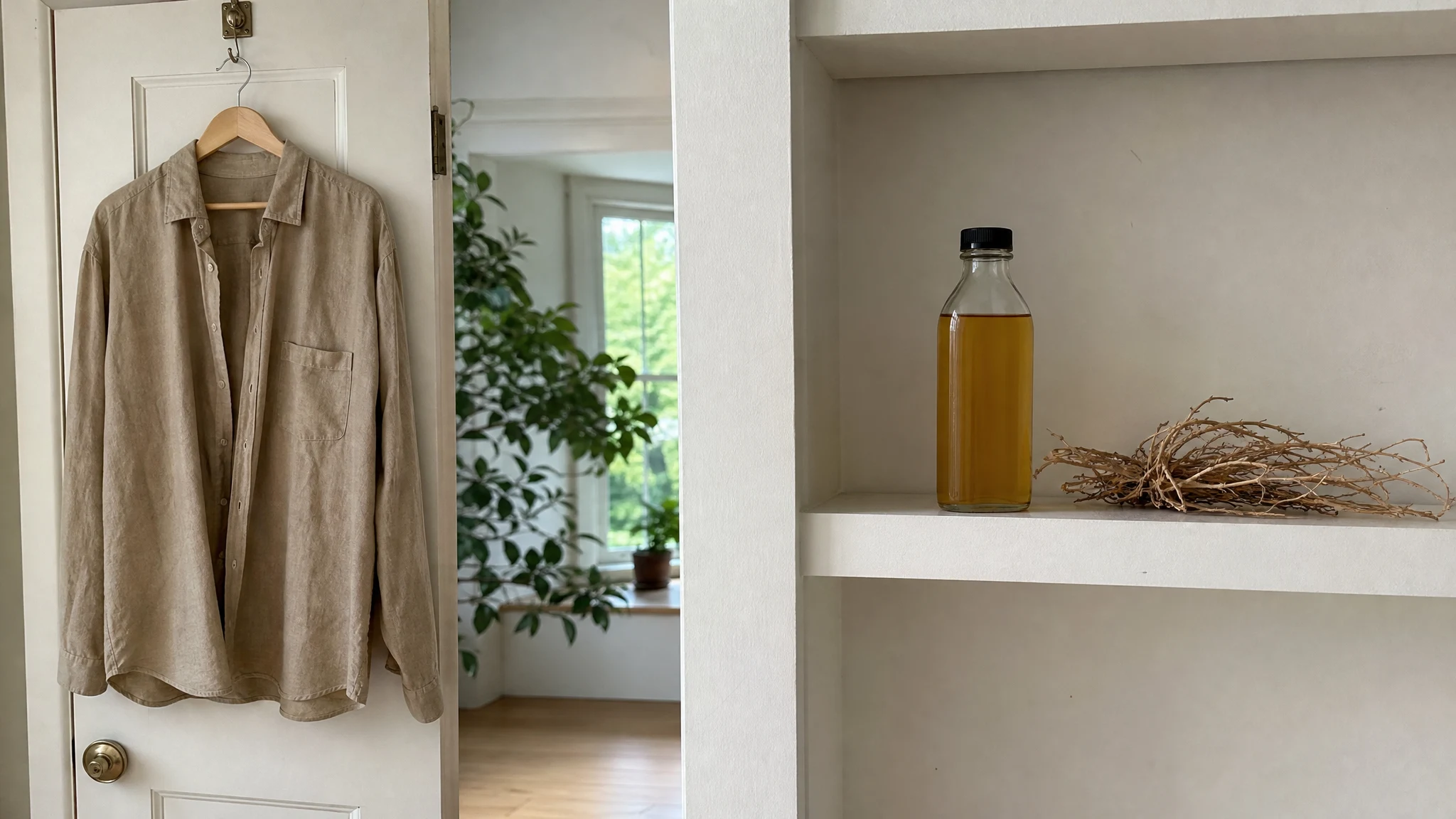
If you ever get hold of a fresh vetiver root, rub it between your fingers and smell your hand. It is a green, earthy, slightly sweet smell, a long way from the finished oil but unmistakably related. Dried roots have been used as sachets and woven into mats, and the smell is part of why people kept them in their homes. That everyday, rooty quality is worth holding onto, because it is what sits underneath the smoky-sweet depth of the oil.
What to picture when you open the bottle
Vetiver oil pours slowly, and that slowness is a small reminder of the work above: roots dug by hand, washed, dried and distilled for a long time. We find that picture changes how we use it. You measure carefully, you warm the bottle in your hands if the oil is stubborn, and you do not waste a drop. A thick, dark oil rewards a little patience at the pouring stage, and a pipette gives you more control than shaking the neck.
What this means for the bottle in your hand
Everything above is general crop knowledge. For our own oil, the Certificate of Analysis we publish covers one batch and lists the parts used, the extraction method, appearance, smell, a relative density of 0.993 and a refractive index of 1.525. If you want GC-MS data or other results for a particular lot, ask us in writing through the contact page before you rely on them.
If this made you curious about the plant itself, read our post on where the oil is stored in the root and the extraction post. For the climate and soil question, try our terroir post, and for how origin shapes the scent, the origin comparison.
It is a slow, hands-on crop with a fragrant payoff, and knowing the effort behind it makes every drop easier to appreciate.
Vetiver Essential Oil
Vetiver Essential Oil from our own shop, in sizes from 0.5 oz to bulk.
From $20.99
Shop Now →