Vetiver Grass and Soil Erosion: Hedge Versus Oil Crop
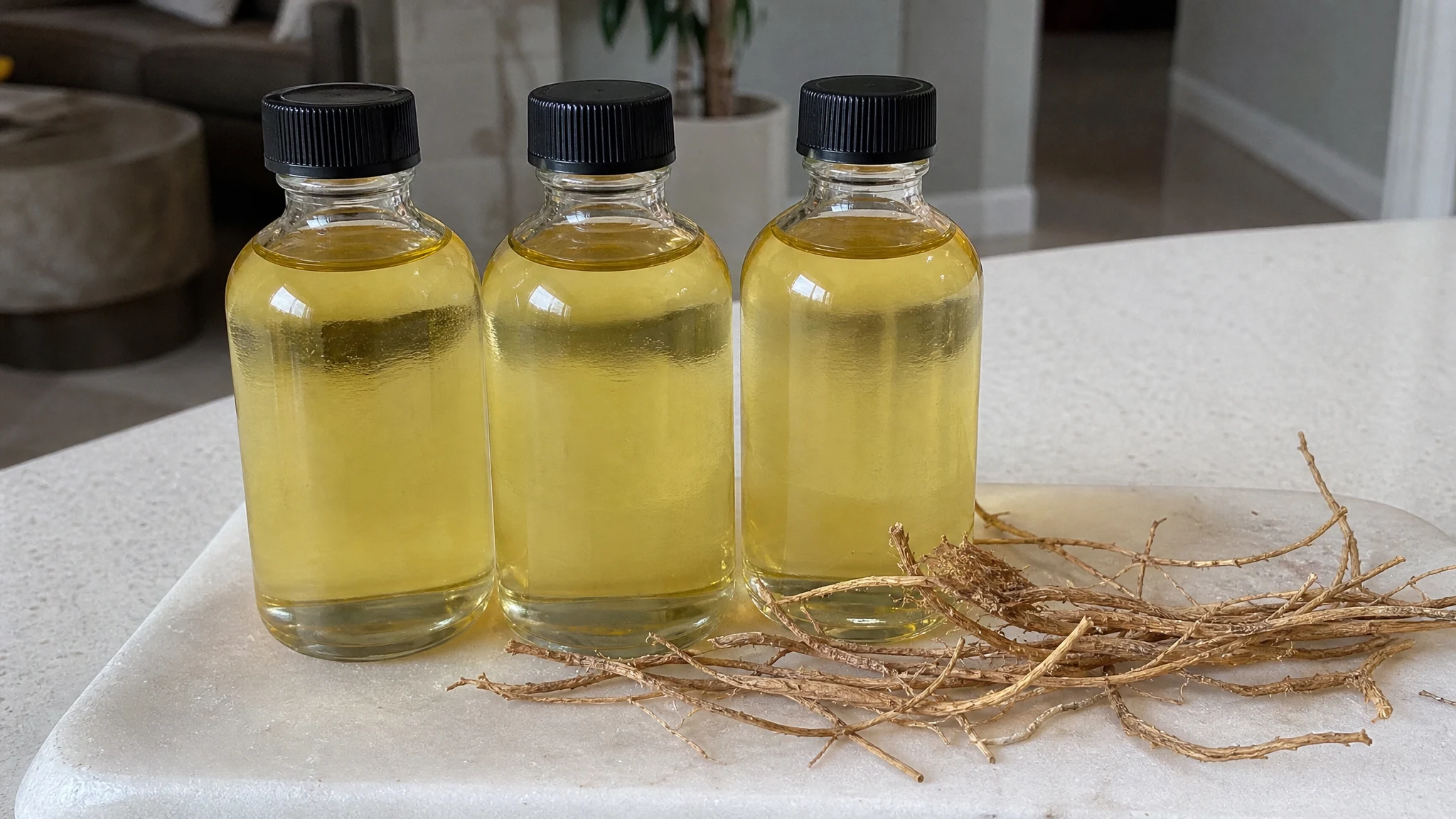
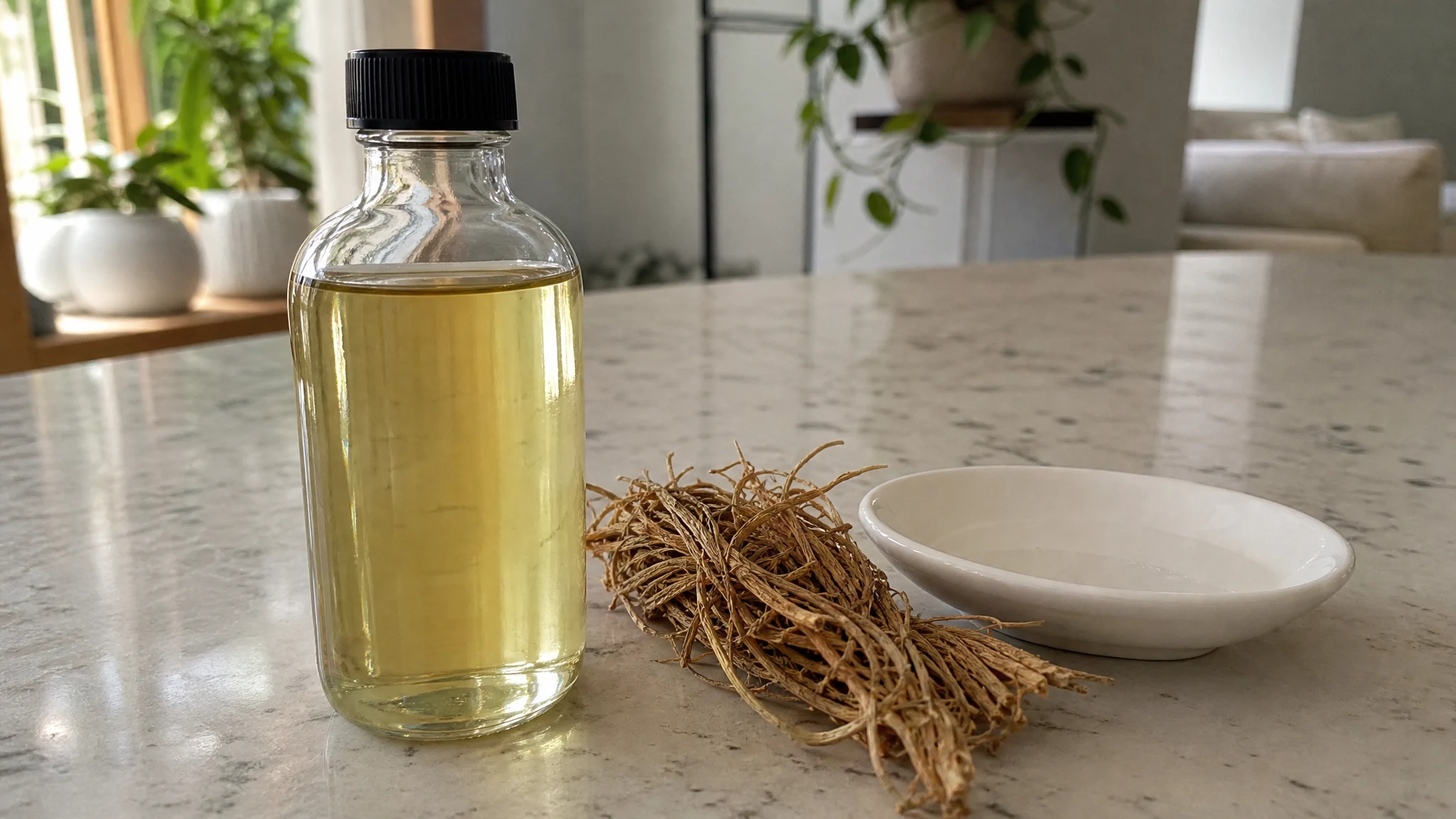
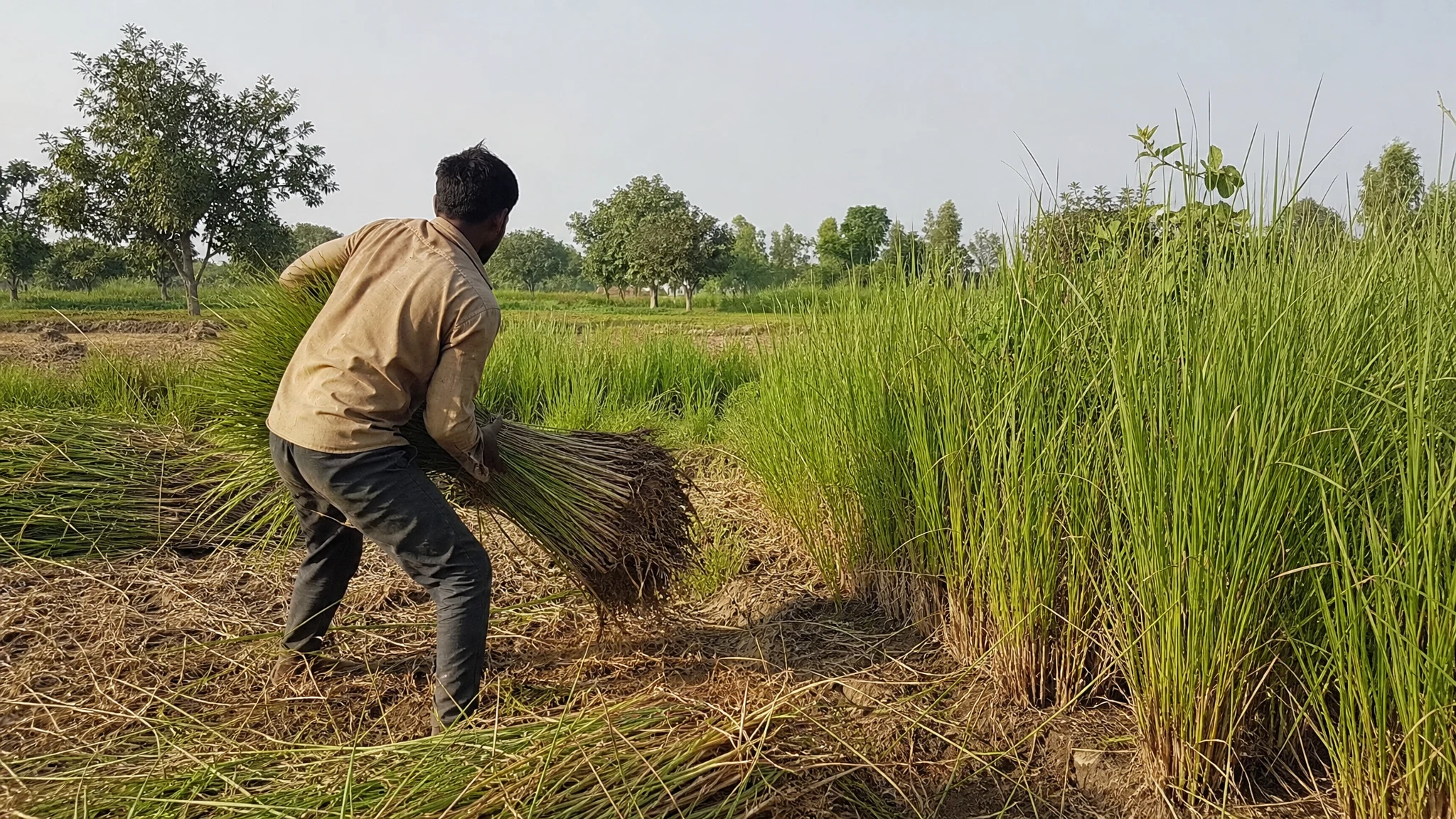
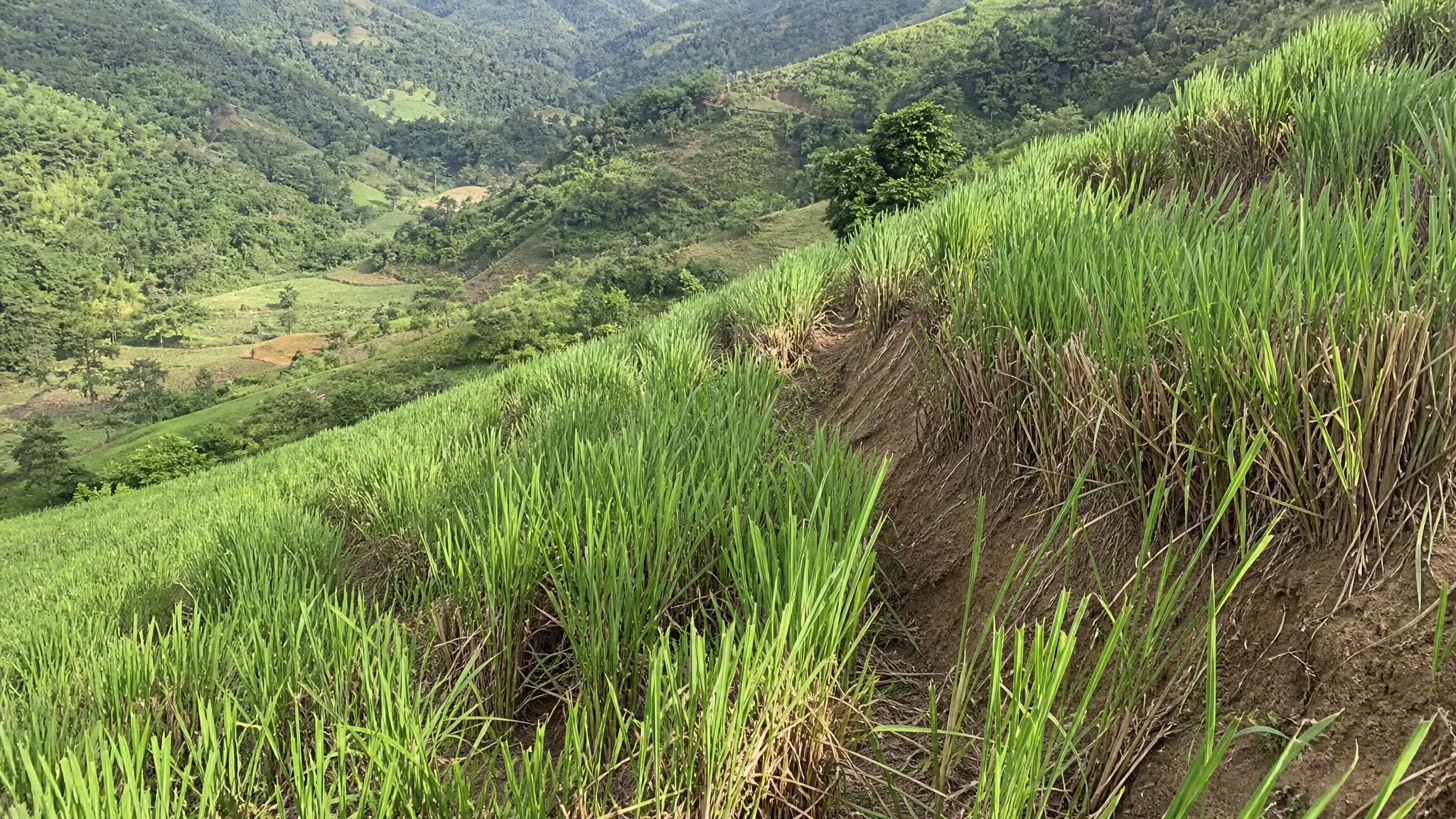
Vetiver has a double life. In one, it is a tall grass planted in tidy lines across a hillside to keep the soil from washing away. In the other, it is the source of the dark, smoky-sweet oil in our bottles, which comes from the roots and so means digging the plant up. Both are true, and they pull in different directions, which is what makes "sustainable vetiver" a more interesting question than it first sounds.
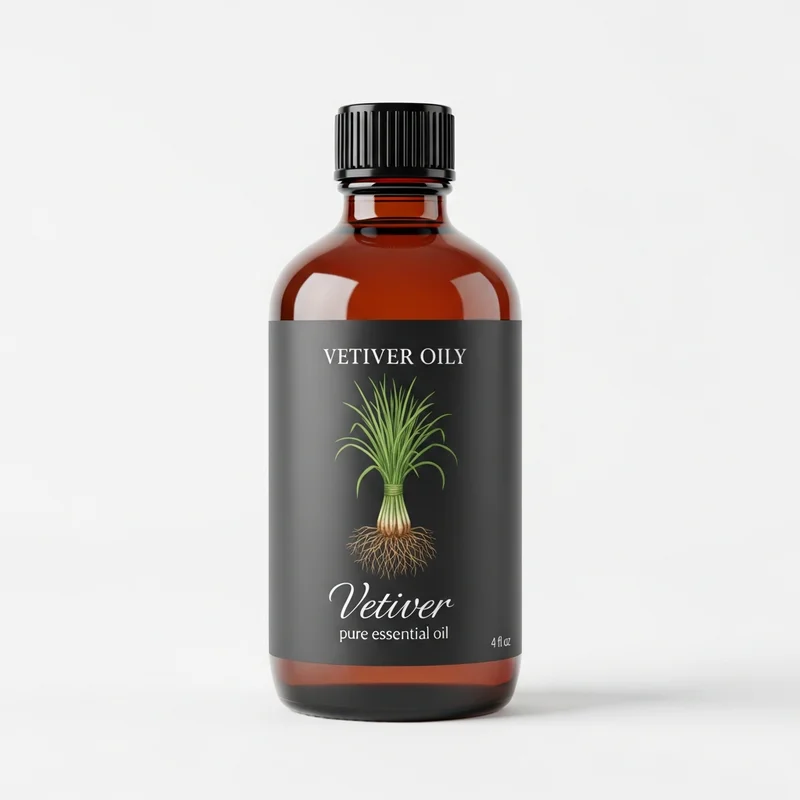
Vetiver Essential Oil
Our own Vetiver Essential Oil, in sizes from 0.5 oz to bulk.
From $20.99
Shop Now →What a vetiver hedge does on a slope
The clearest evidence comes from a replicated experiment in Thailand. Researchers built plots on 30, 40 and 50 percent slopes, left one bare on each slope as a control, and planted the others with vetiver hedges along the contour. Under simulated rain of up to 160 mm an hour, the hedges cut runoff by 31 to 69 percent and soil loss by 62 to 86 percent compared with the bare plots (Donjadee and Tingsanchali, 2013). The wide ranges are honest ones: slope, rain intensity and hedge spacing all moved the result. The species there was Vetiver nemoralis, not the zizanioides grown for most oil, so read it as strong support for the idea of a hedge rather than a number to carry to any particular hillside.
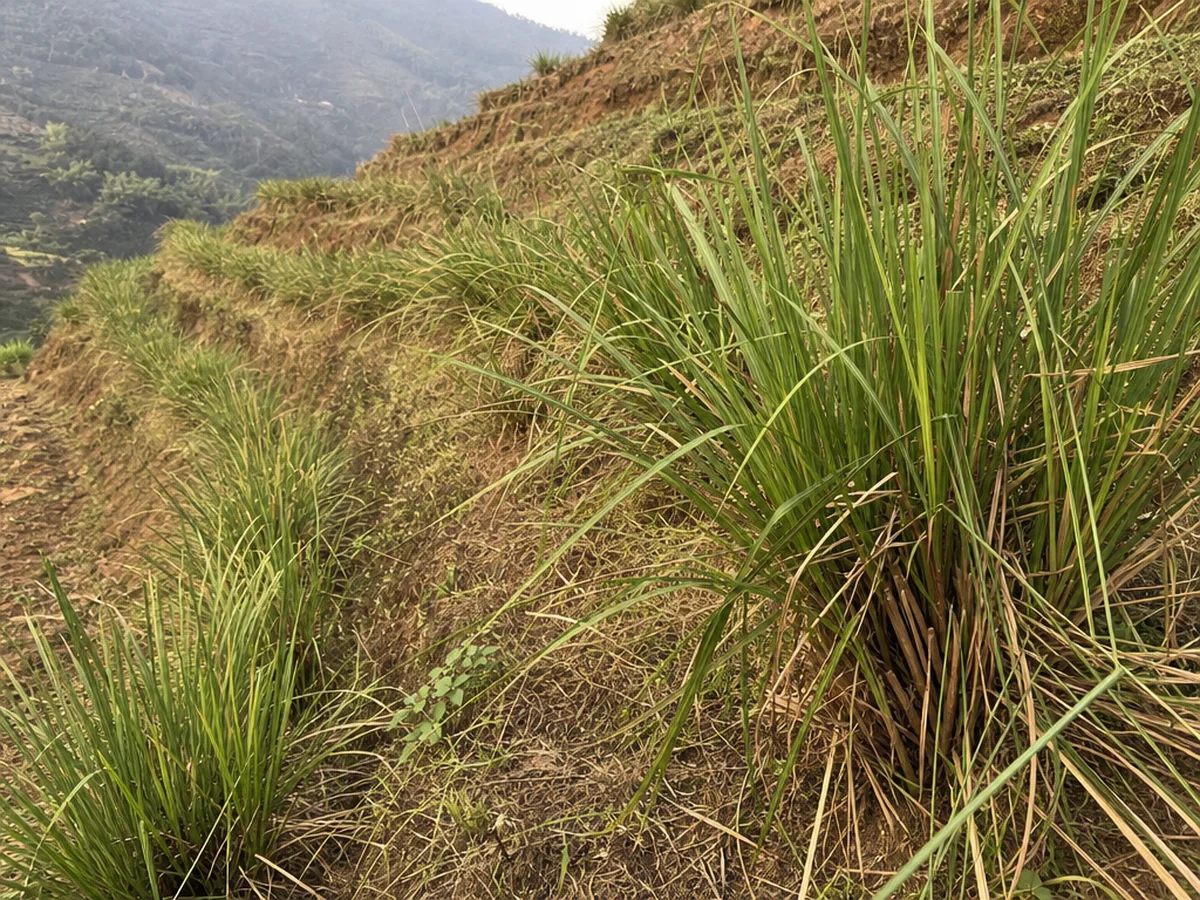
The reason is in the roots. An engineering paper from Queensland reports that vetiver roots can reach 2 to 3 metres down in the first year, and that a two-year-old hedge raised the shear strength of the soil beside it by 90 percent at a quarter metre deep, fading to 12.5 percent at a metre (Truong and Hengchaovanich, 1997). The authors were advocates for the plant, so we treat the figures as measurements with an enthusiastic frame, but the picture is consistent: a dense curtain of deep, fibrous roots grips soil, most strongly near the surface.
Why the oil crop is a different story
Here is our own reasoning, and we label it as such. The roots that hold the hillside are the roots a distiller wants. A hedge stays in the ground for years; an oil harvest lifts it. So the erosion benefit belongs to the hedge, and whether an oil field keeps any of it depends on how the harvest is carried out.
Reporting from Haiti, the country that supplies a large share of the world's vetiver oil, says as much. Global Press Journal described how farmers have traditionally dug out the whole plant, leaving soil exposed and farmers worried about losing their land. It also described a practical fix: "rampes," lines of crop residue laid along the contour about five metres apart, which one oil producer working with 13 cooperatives checks for before buying a harvest. The Associated Press reported that the soil is disturbed to roughly 40 centimetres, that roots need at least a year to reach a good length, and that pulling whole plots early makes erosion worse. Neither story measured soil loss. They tell us what growers and agronomists describe, and the encouraging part is that the remedy they describe is simple and visible.
The people behind the crop
The same reporting gives a picture of who grows it. The AP cites a 2018 study finding that most vetiver farmers earn under two US dollars a day and that nine in ten rely on the crop as their only income. Headcounts differ by source, from 15,000 to 60,000 farmers in one and about 30,000 in the southwest in the other, and neither explains its method, so we would hold the range loosely. Global Press Journal also followed one farmer whose yearly earnings rose after adopting rampes and selling to a buyer who required them. That is one account, not an average, but it shows why harvest practice and fair dealing travel together.
It is easy to hear "vetiver protects hillsides" and assume the bottle on your shelf carries that benefit. It does not, automatically. The oil is a fragrance material; the erosion work is done by living hedges standing in the ground. Keeping the two jobs apart in your mind makes you a better asker of questions, and it is a distinction we would rather you hold than a tidy slogan.
What we can say about our oil
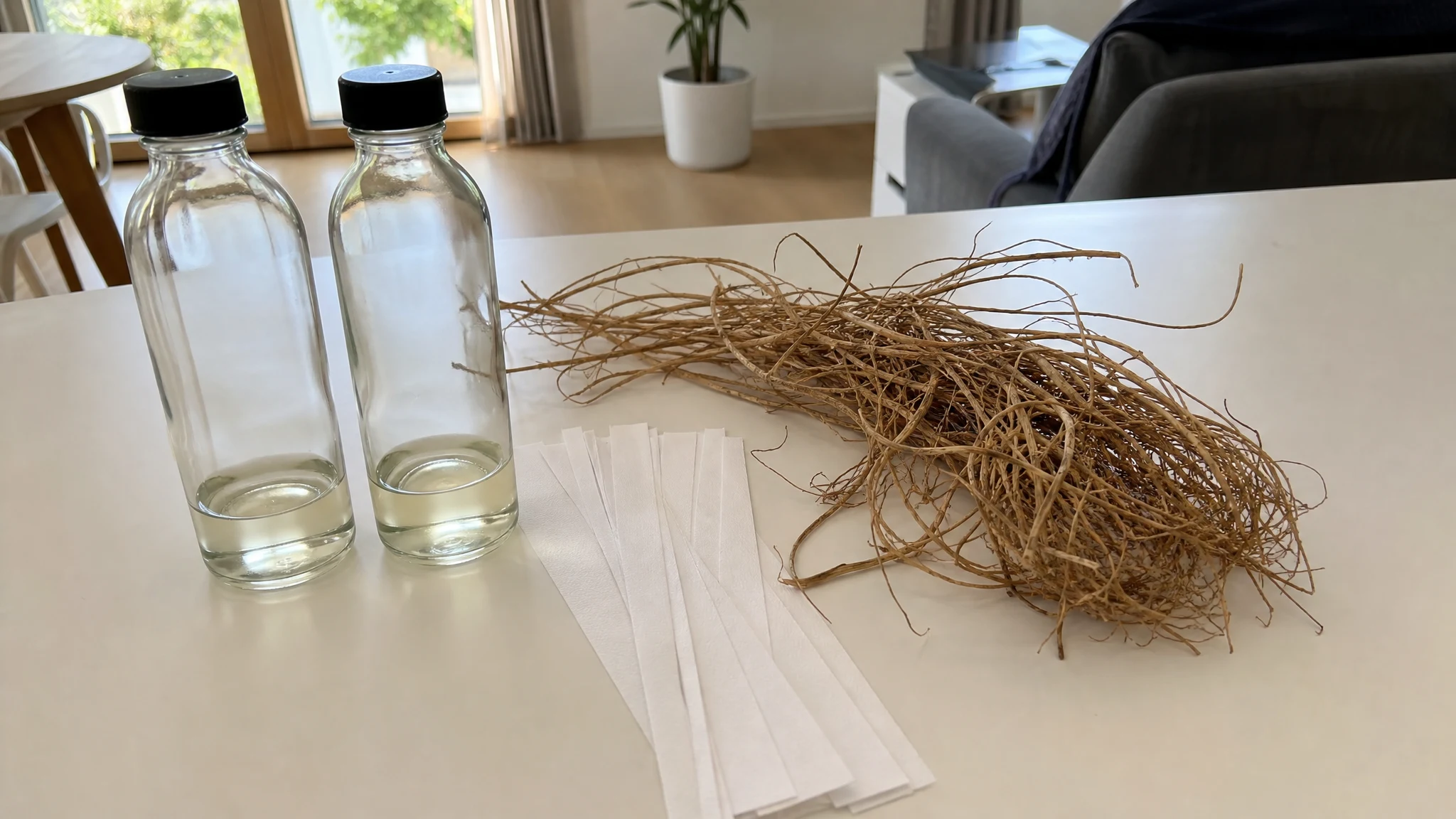
We sell one vetiver essential oil, steam-distilled from roots. We make no sustainability claim for it and do not want you to infer one from the plant's reputation. What we can do is encourage the questions that follow from the reporting above, and they are worth putting to any supplier, us included:
- How old were the roots at harvest?
- Was a plot lifted all at once or in sections?
- Is anything left on the contour afterwards?
- Is replanting carried out, and is it recorded?
- Who is paid, and by whom?
Plain questions like these cost nothing to ask. The quality of the answer, its detail and its willingness to be put in writing, tells you a good deal.
Send yours to us in writing through our contact page, and weigh a vague answer from anyone as an answer. For the wider journey from field to still, our post on growing and harvesting vetiver goes step by step, and this origin comparison shows how growing regions differ. The plant's longer story is in our history of vetiver.
If your real goal is to hold a slope together, a hedge is the tool, and a local conservation district can tell you whether vetiver suits your climate; the Queensland paper notes the grass is highly intolerant of shade. If your goal is a beautiful base note, the oil is the tool. It helps to know which job you are hiring the plant for.
Vetiver Essential Oil
Vetiver Essential Oil from our own shop, in sizes from 0.5 oz to bulk.
From $20.99
Shop Now →Sources & Further Reading
- Donjadee S, Tingsanchali T, 2013. Reduction of runoff and soil loss over steep slopes by using vetiver hedgerow systems (Paddy and Water Environment 11:573-581), summarised at Conservation Evidence
- Truong P, Hengchaovanich D, 1997. Application of the Vetiver Grass System in Land Stabilisation, Erosion and Sediment Control in Civil Construction. vetiver.org
- Felicien MM, 2018. New Harvesting Techniques Bring Hope to Haiti’s Vetiver Farmers. Global Press Journal
- Coto D, 2019. Amid crisis, Haiti fights to save oil used in fine perfumes. Associated Press via Yahoo News