How to Use Vetiver Oil: A First-Timer's Starting Guide
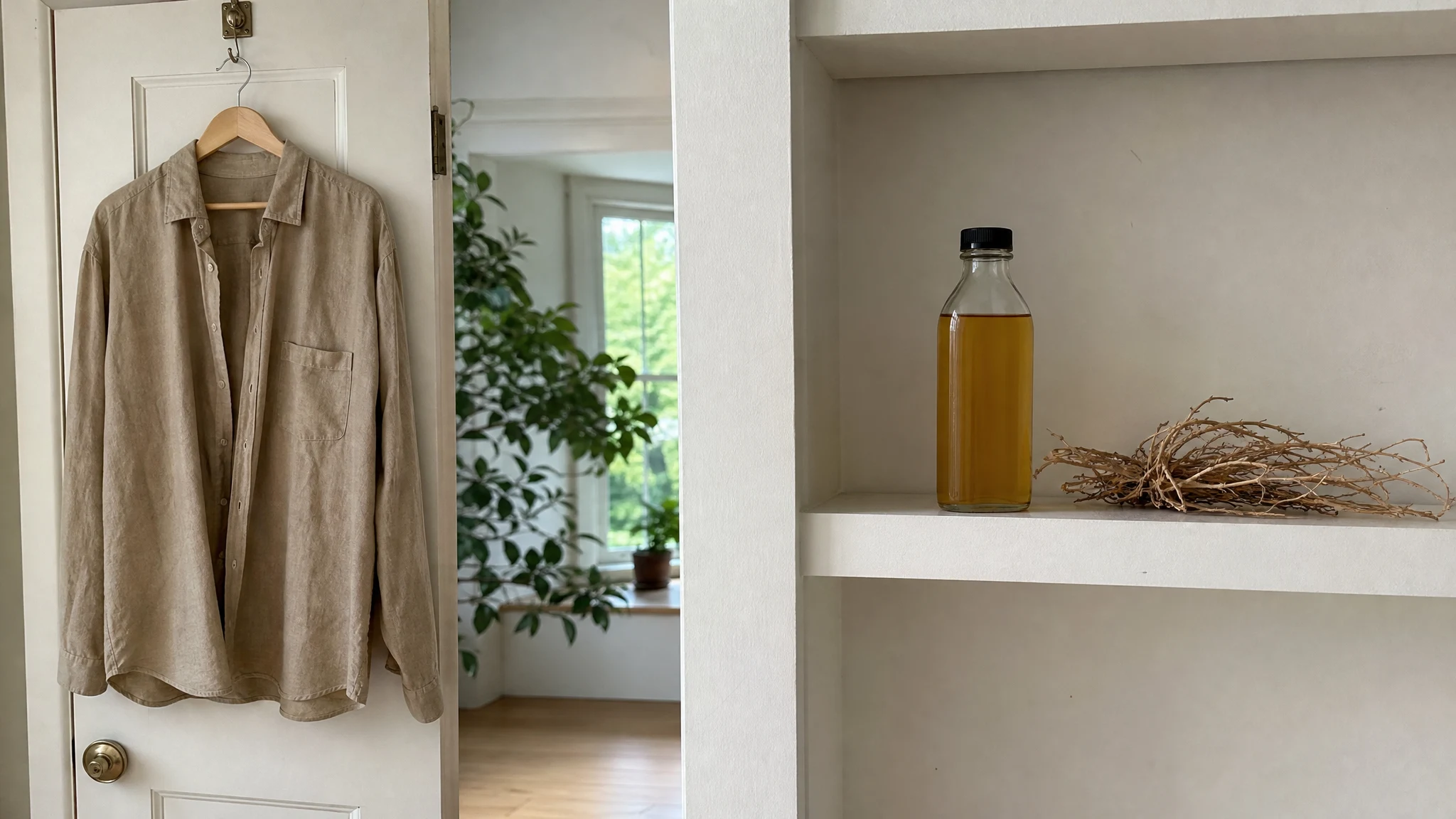
Vetiver is not the kind of oil you dab on and forget. It is dark, thick and slow, and the first time you tilt the bottle you will see why people say a little goes a very long way. If you have just bought one, the best first step costs nothing: take the cap off and smell it.
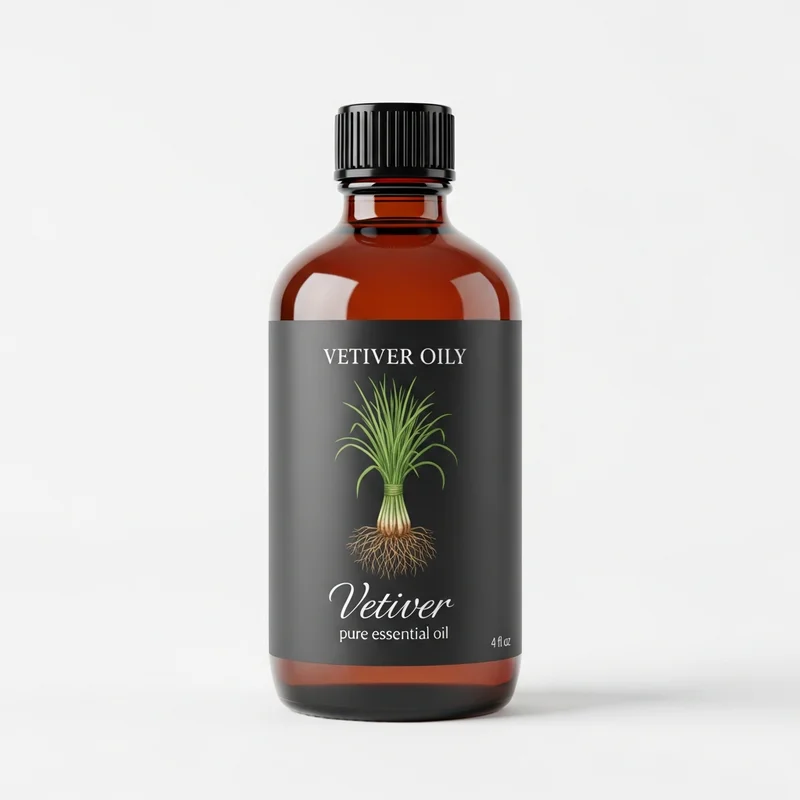
Vetiver Essential Oil
Our own Vetiver Essential Oil, in sizes from 0.5 oz to bulk.
From $20.99
Shop Now →Start with the scent
Hold the bottle a few inches from your nose rather than right under it. We describe the aroma as deep, earthy and smoky-sweet, and perfumers treat it as a base note, the slow-evaporating material that gives a blend its foundation. If you want to understand that character before you use it for anything, our scent guide walks through what people notice.
Once you know the smell, a few scent-only uses are open to you without ever touching skin:
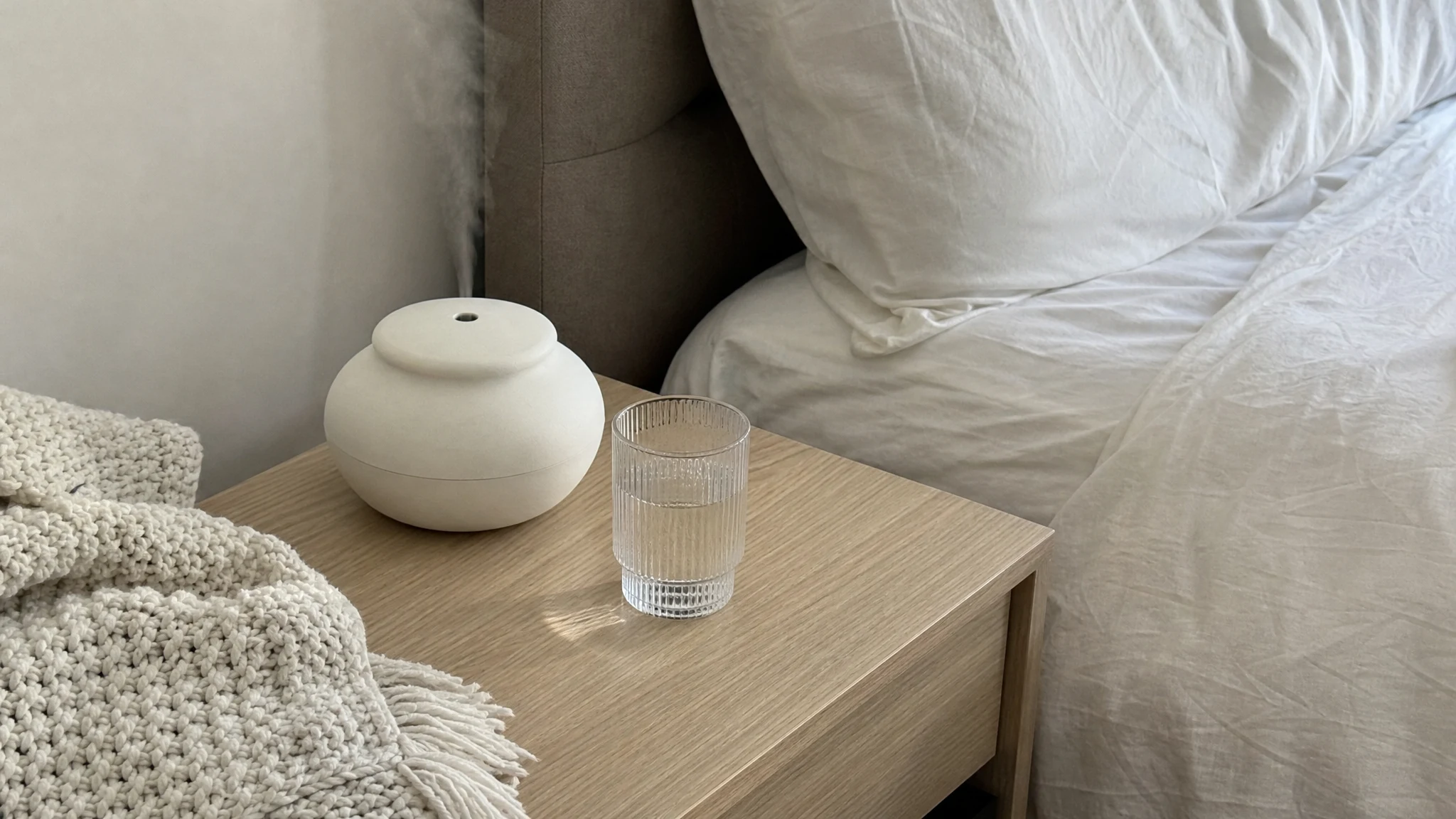
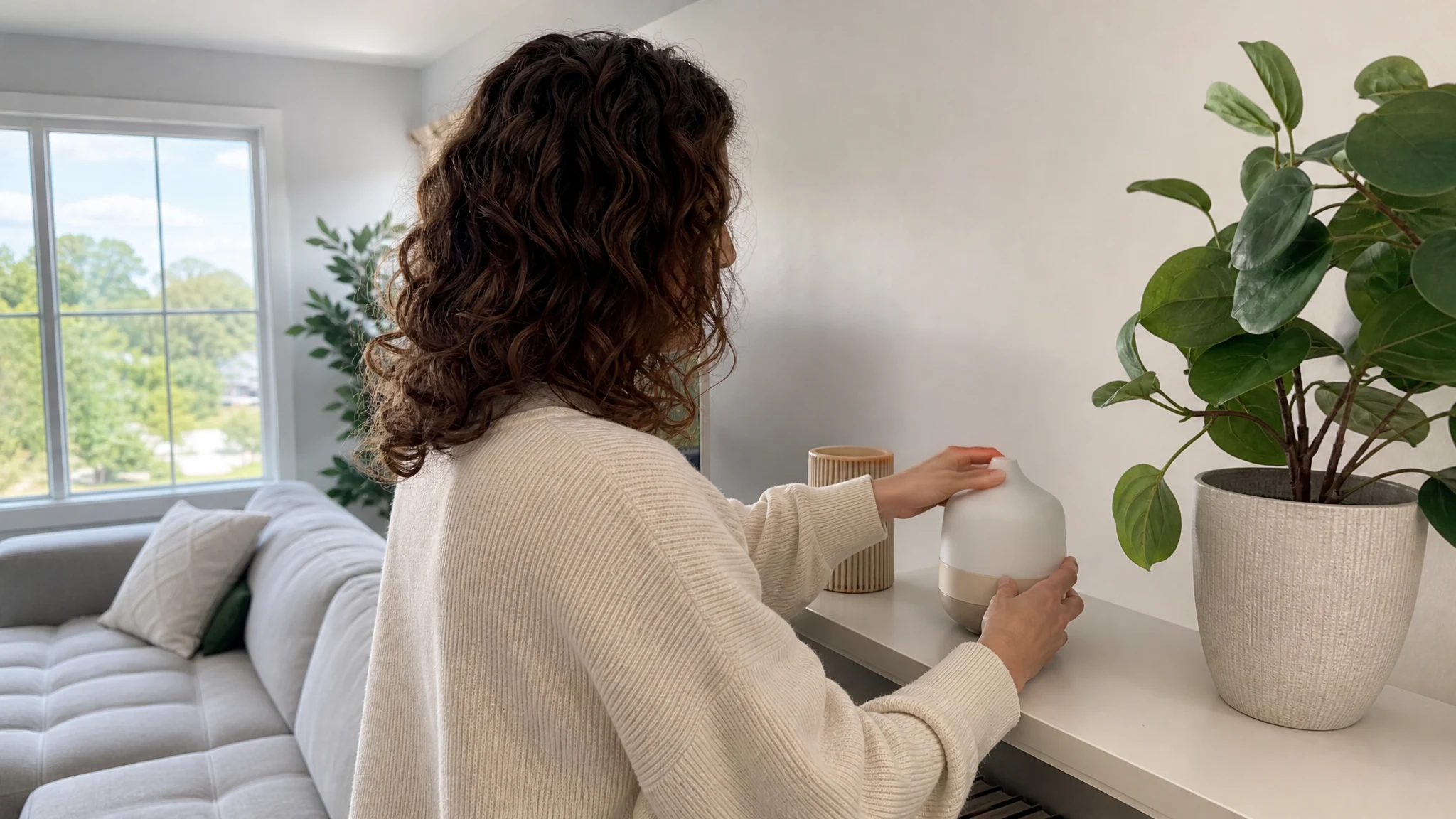
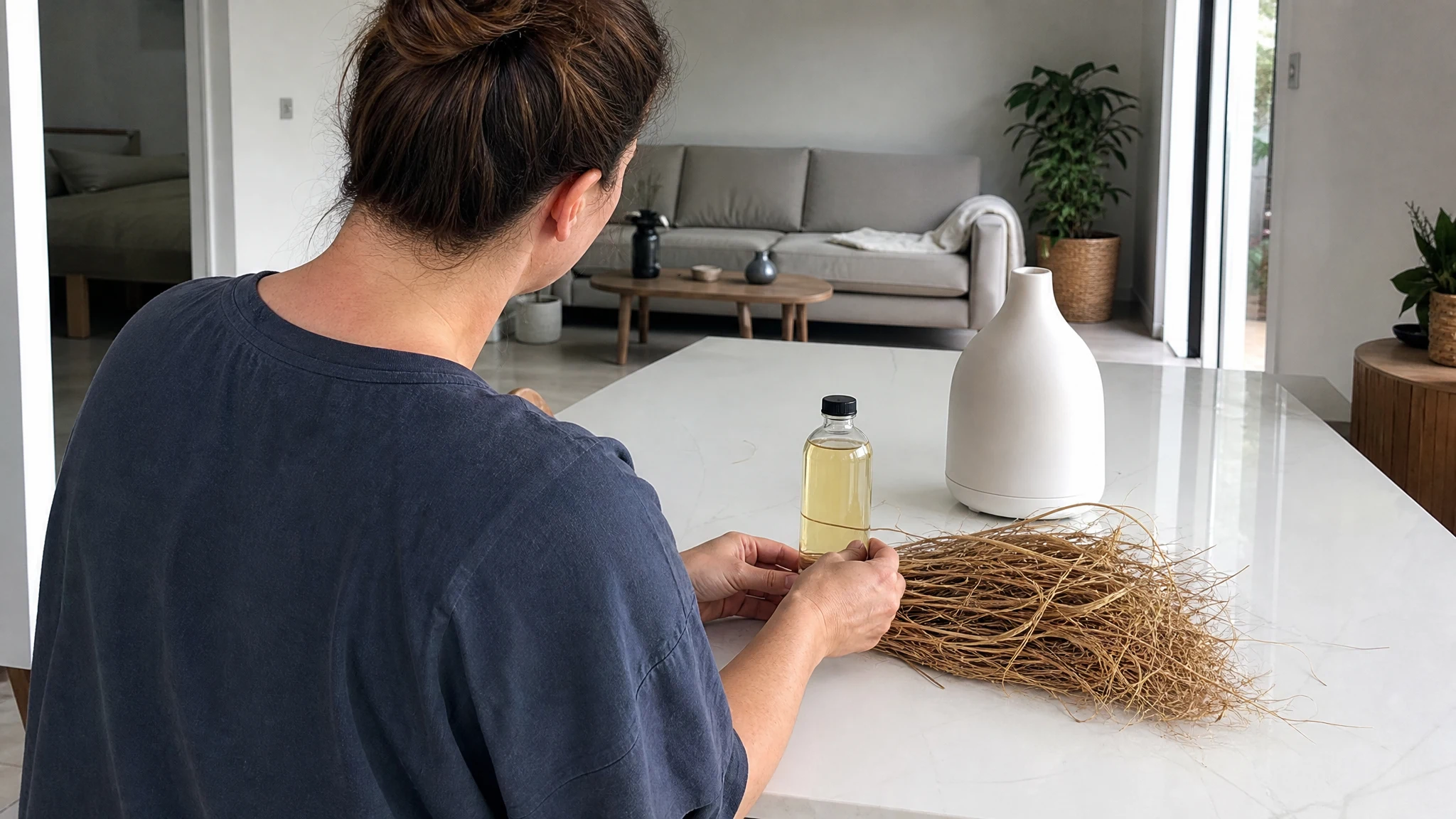
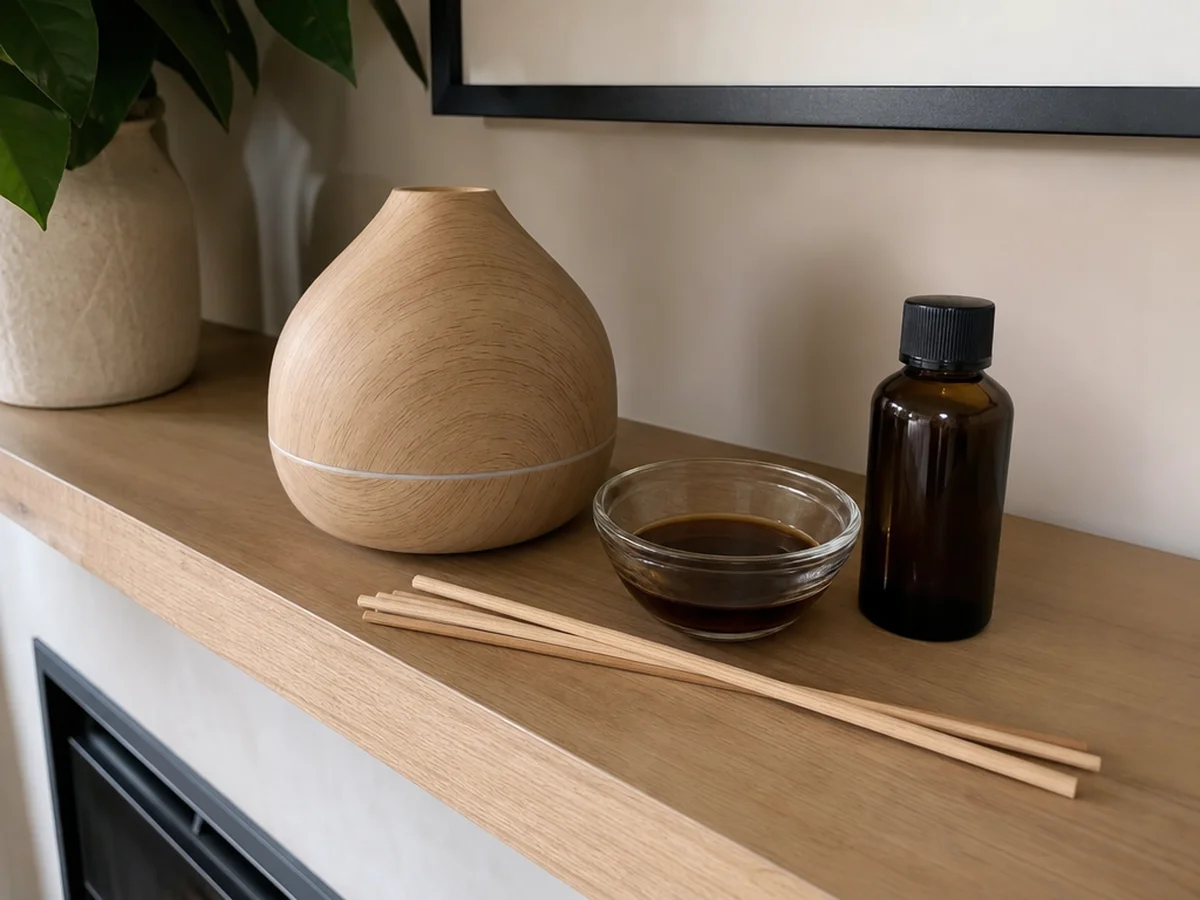
- A diffuser. Thick oil can cling to the reservoir of an ultrasonic unit, so many people prefer a reed or warm-air diffuser, or start with a thinner oil. Our diffuser guide goes into detail. Tisserand's guidance is to diffuse in cycles of 30 to 60 minutes on and 30 to 60 minutes off.
- Perfumery. Vetiver pairs well with sandalwood, patchouli, lavender, bergamot, rose and cedarwood. We sell vetiver only, so those come from a perfumery-supplies seller. See layering vetiver for how the base note works.
- Home fragrance. Candles and soap have their own rules, covered in the posts on candle making and soap making.
Keep a small notebook
It sounds fussy, but a few lines of notes pay off with an oil this strong. Write the date you opened the bottle, what you tried and how much you used. Next time you reach for it you will know whether your last diffuser session was too heavy or your last blend was just right, and you will not have to rely on memory.
On skin, always diluted
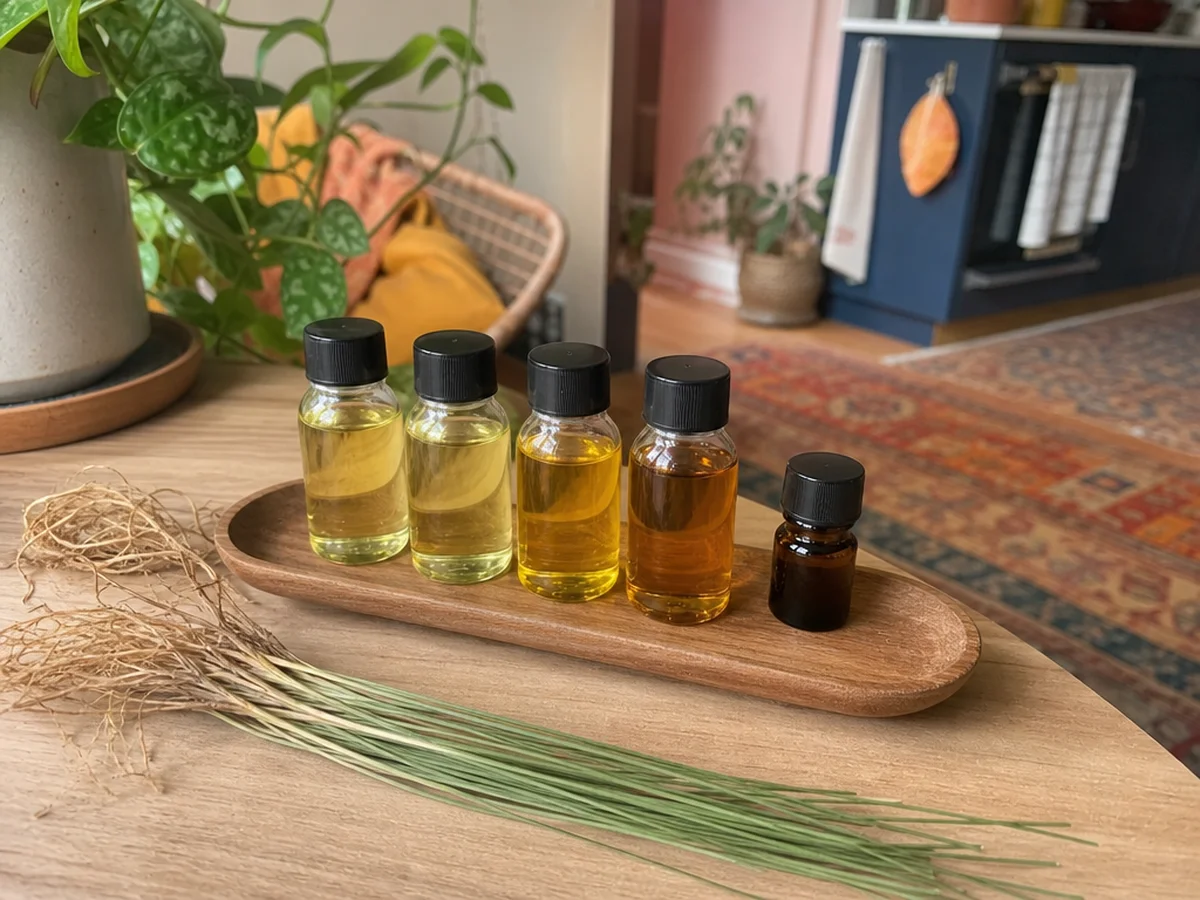
Vetiver arrives neat, so the dilution maths is yours. We recommend 0.5% to 2% in a carrier oil such as jojoba or sweet almond, and always a patch test first. The Tisserand Institute is blunt on the subject: do not apply undiluted essential oils to your skin, and undiluted use is the most common cause of skin reactions.
Which end of our range you choose depends on where the oil is going. Tisserand's dilution page suggests 0.2% to 1% for sensitive or impaired skin, 0.5% to 1.2% for facial products and deodorants, and 1% to 3% for body oils and lotions. Because our top figure of 2% sits above the facial range, we would use the lower end for anywhere near the face and begin at 1% or less for a body oil.
Here is the arithmetic for one fluid ounce (about 30 ml) of carrier. At 0.5% you need roughly 0.15 ml of vetiver, at 1% about 0.3 ml, and at 2% about 0.6 ml. Drop counts are only a rough guide, since Tisserand points out that no two drops are the same, and vetiver drops are larger and slower than most. Weighing on a kitchen scale is more dependable. On the batch described in the Certificate of Analysis on our site, relative density was 0.993, so a millilitre weighs just under a gram.
The patch test
The American Academy of Dermatology describes a simple home method. Pick a spot about the size of a quarter that will not get rubbed or washed, such as the inside of your elbow, apply the diluted product twice a day for 7 to 10 days, and wash it off for good if you notice redness, itching or swelling. It takes patience, and it is the single most useful habit for anyone adding a new oil to their routine.
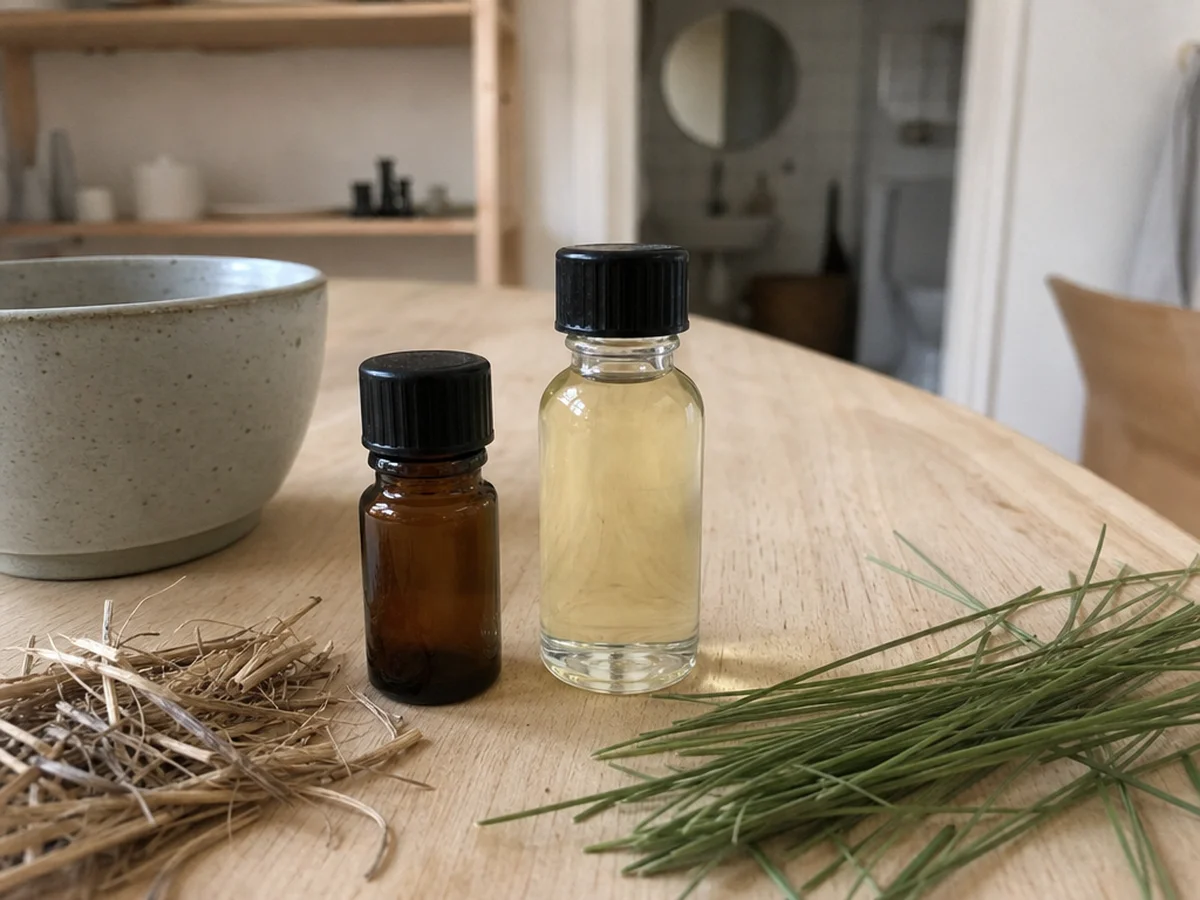
We do not sell carrier oils, so choose one from a carrier-oil supplier. Our carrier oil guide helps with the choice, and the safety guide covers dilution in more depth.
What to expect from the bottle
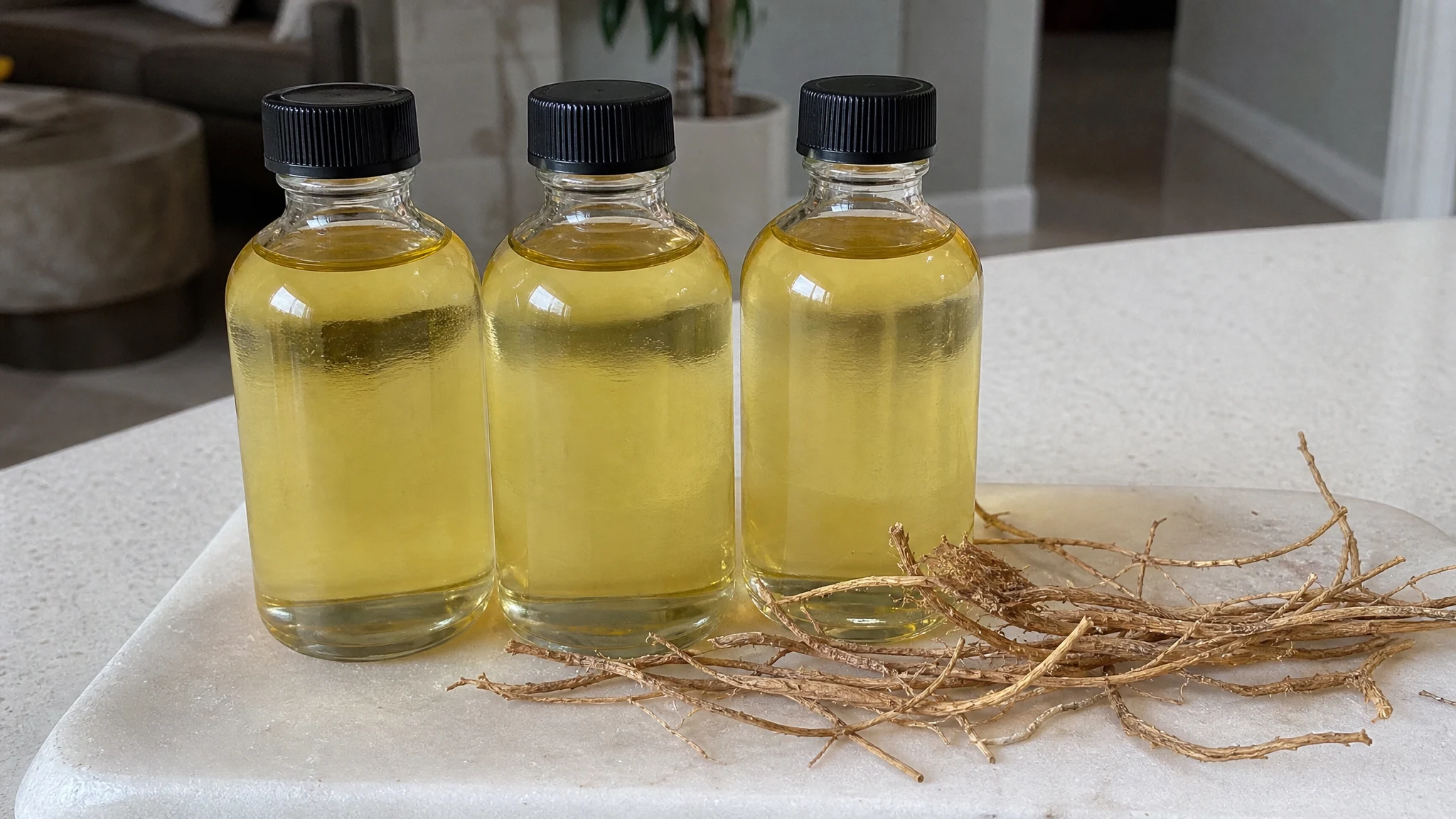
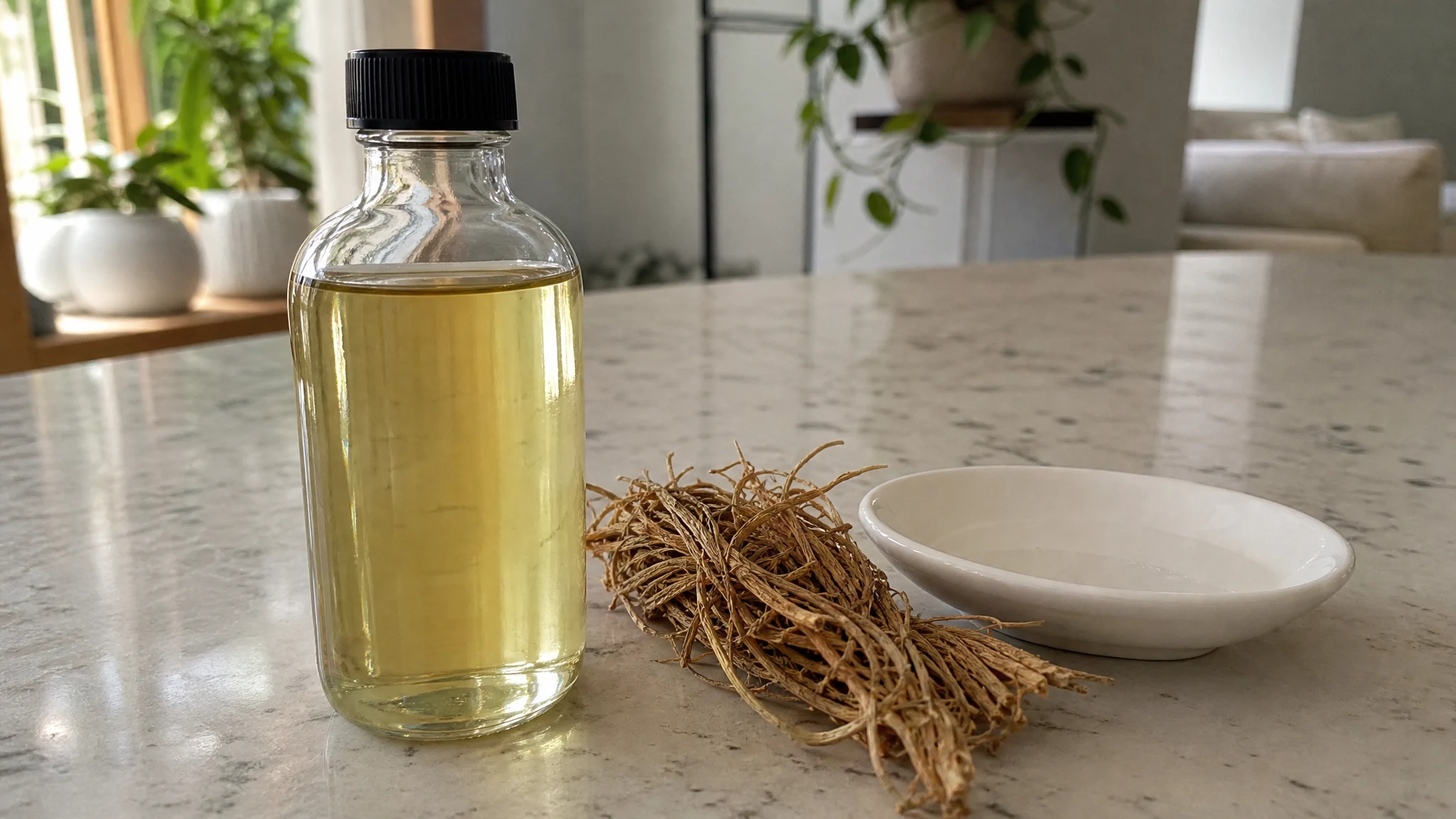
The oil is dark, somewhere between amber and brown, and it moves slowly when it is cool. Warm the closed bottle in your hands for a minute and it will pour more willingly. Keep a paper towel nearby and wipe the neck after each use, because a thick oil leaves a ring on whatever it touches, and it can mark light fabric.
Where we would stop
Some uses are better left alone. Do not swallow vetiver oil; the National Capital Poison Center warns that some essential oils can be poisonous when swallowed, and says to call your poison center at 1-800-222-1222 if that happens. Keep the bottle away from children and pets, away from your eyes, and off damaged skin. If you are pregnant, nursing, have a medical condition or take medication, ask your healthcare provider first. We sell this as an external, aromatic and cosmetic oil.
You will also see claims that vetiver calms the mind or helps sleep. We do not make them. The best known study put inhaled vetiver oil in rats, and the National Center for Complementary and Integrative Health says of aromatherapy and insomnia that it is not known whether it helps because little rigorous research has been done. Enjoying a scent you love is reason enough. For anything affecting your health, a physician is the right first call.
A calm way to begin
Smell the bottle. Try a weak dilution on one small patch. Keep the cap tight and the bottle in a cool, dark cupboard, where it typically keeps its character for 6 to 8 years; our storage notes explain more. Everything else can wait until you know how you feel about it.
Vetiver Essential Oil
Vetiver Essential Oil from our own shop, in sizes from 0.5 oz to bulk.
From $20.99
Shop Now →Sources & Further Reading
- Tisserand Institute. Safety Guidelines (How to Use Essential Oils Safely). tisserandinstitute.org
- Tisserand Institute. Dilution for essential oils. tisserandinstitute.org
- Tisserand Institute. Safety guidelines for diffusing essential oils at home. tisserandinstitute.org
- American Academy of Dermatology. How to test skin care products. aad.org
- National Capital Poison Center. Essential oils: Poisonous when misused. poison.org
- Saiyudthong S et al., 2015. Anxiety-like behaviour and c-fos expression in rats that inhaled vetiver essential oil. Nat Prod Res 29(22):2141-2144. PubMed 25553641
- National Center for Complementary and Integrative Health. Aromatherapy. nccih.nih.gov