Vetiver Soap Making: How Much to Add and When
A bar of soap that smells like damp earth, smoke and warm wood is a rare pleasure, and vetiver is the oil that gets you there. It is also one of the more forgiving scents to work with, because it is strong enough that a modest amount goes a long way. The trick is knowing what "modest" means in numbers.
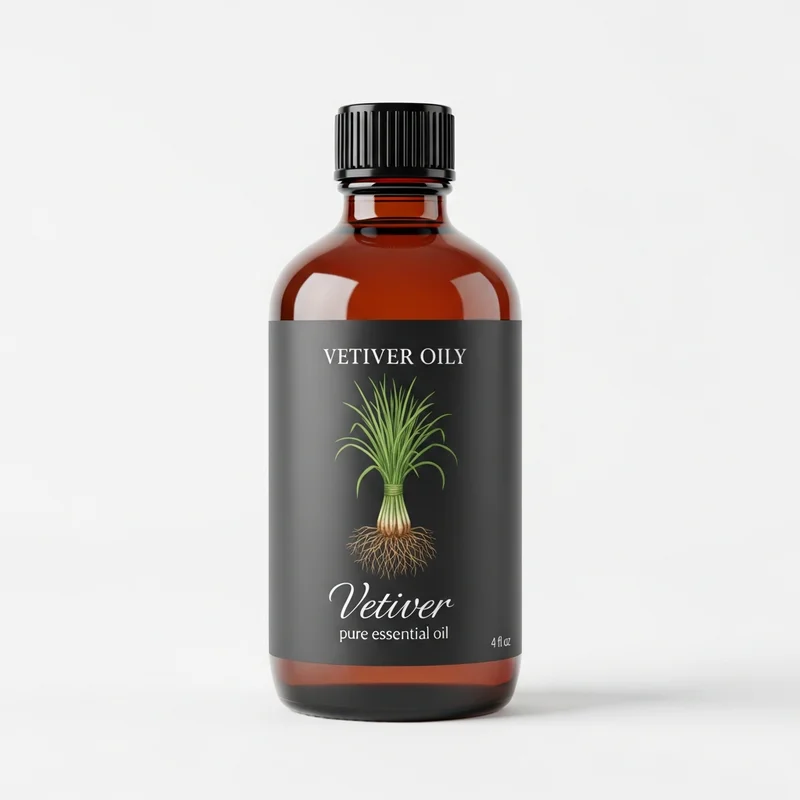
Vetiver Essential Oil
Our own Vetiver Essential Oil, in sizes from 0.5 oz to bulk.
From $20.99
Shop Now →Lye comes first
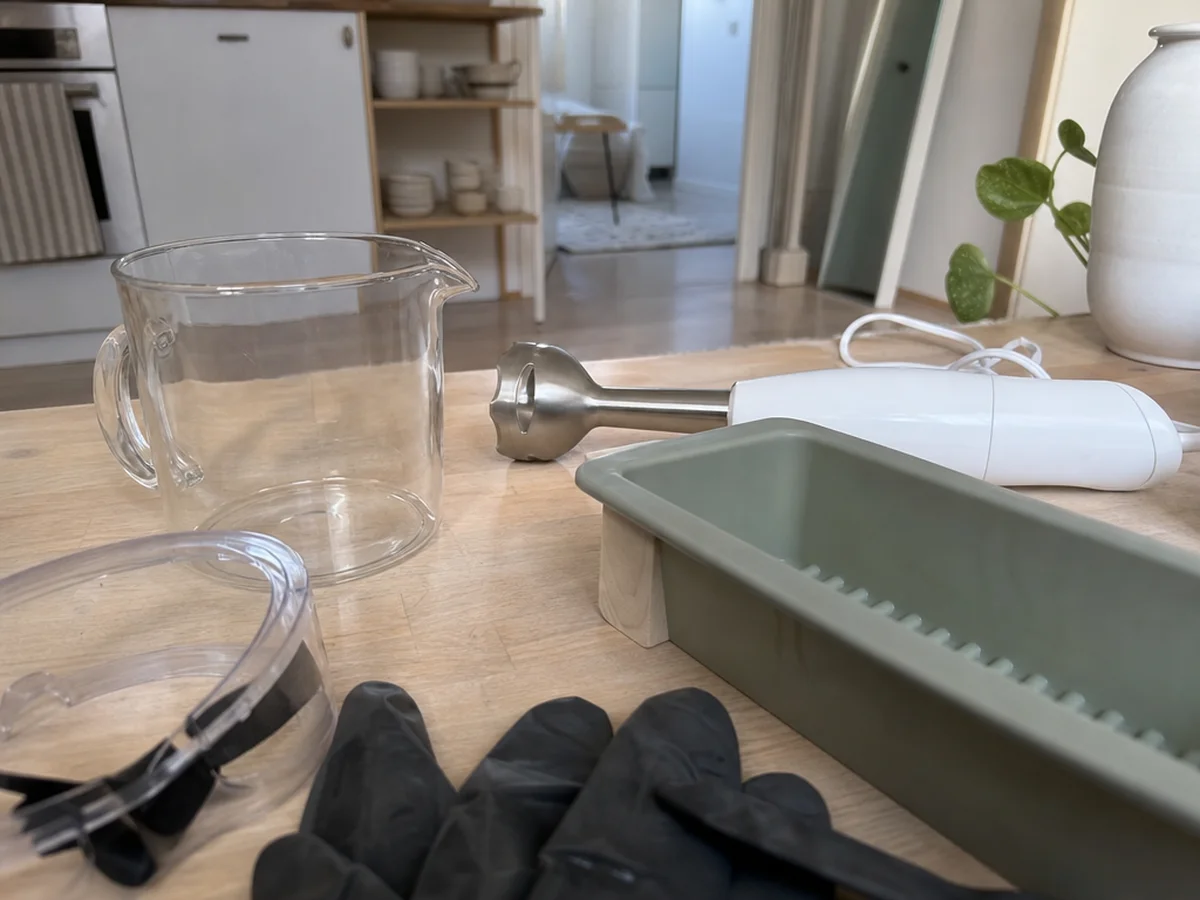
Before the scent, a word on the real hazard. The NIOSH Pocket Guide lists the effects of sodium hydroxide as irritation of the eyes, skin and mucous membranes, burns of the eyes and skin, and pneumonitis. Its first aid is to flush the eyes immediately with water and to rinse the skin immediately, and to seek medical care right away if it is swallowed. Gloves, eye protection and ventilation are the minimum, and a poison center or a physician is who to call after an exposure.
We are not giving lye quantities here. Lye must be calculated for the exact oils in your own batch with a soap calculator, so this page picks up once your base recipe exists and covers the scent stage.
Two ways of quoting a rate
Soap scent rates are expressed in two ways, and mixing them up is the most common arithmetic slip. One is a percentage of the weight of the oils in the recipe, leaving out water and lye. The other is a percentage of the finished product.
Soapmaker Tanya Anderson of Lovely Greens caps most essential oils at 3% of the oil weight, which is 13.6 g for 454 g of oils. A few are lower: peppermint at 2%, and sweet fennel, jasmine, juniper berry and lemongrass at 1%. Vetiver is on her chart at 3%, as is patchouli. She stresses that IFRA limits are maximums rather than targets, and says the figure to look up is the one for category 9 or 9a.
The Tisserand Institute offers the product-based view, putting bath products at 2% to 4%, the closest category it lists to a wash-off bar.
A starting rate for vetiver
A ceiling is not a goal. Vetiver is thick, dark and powerfully scented, so we would start well under 3% of the oils. This is our reasoning, offered as arithmetic and not as a limit from any source:
- Take a recipe with 1,000 g of oils.
- At 1% of oils, vetiver is 10 g. On the batch described in our Certificate of Analysis (relative density 0.993), that is about 10 ml, a little over a third of a fluid ounce.
- At 2% of oils, it is 20 g, about 20 ml, still under the 3% figure for most oils.
To check against Tisserand's 2% to 4% range, suppose the finished soap weighs about 1.4 to 1.5 times the oils. That is an assumption, because water and lye vary by recipe. Then 20 g in about 1,450 g of batter is roughly 1.4% of the whole, comfortably within the 2% to 4% range. Redo the sum with your own numbers. If you add a second essential oil, count the two together against the lower limit of either.
For a first batch we would make a small one at 1%. If the scent is not what you imagined, you will have spent very little to learn it. Anyone with a known fragrance allergy should ask a dermatologist or allergist before making scented soap. If you plan to sell your soap, ask your supplier for an IFRA certificate, as we do not publish one for our oil.
When to add it
Lovely Greens describes trace or emulsion as the traditional time to add essential oils to cold-process batter, and notes that she adds accelerating oils before stirring so she can control the thickening. Essential oils do not take part in saponification, so timing is about handling and not chemistry. We know of no data on whether vetiver speeds up trace, so treat it as you would any unfamiliar oil: add it before the stick blender comes out, in a batch with time to spare, and watch the batter.
Colour, and what to leave out
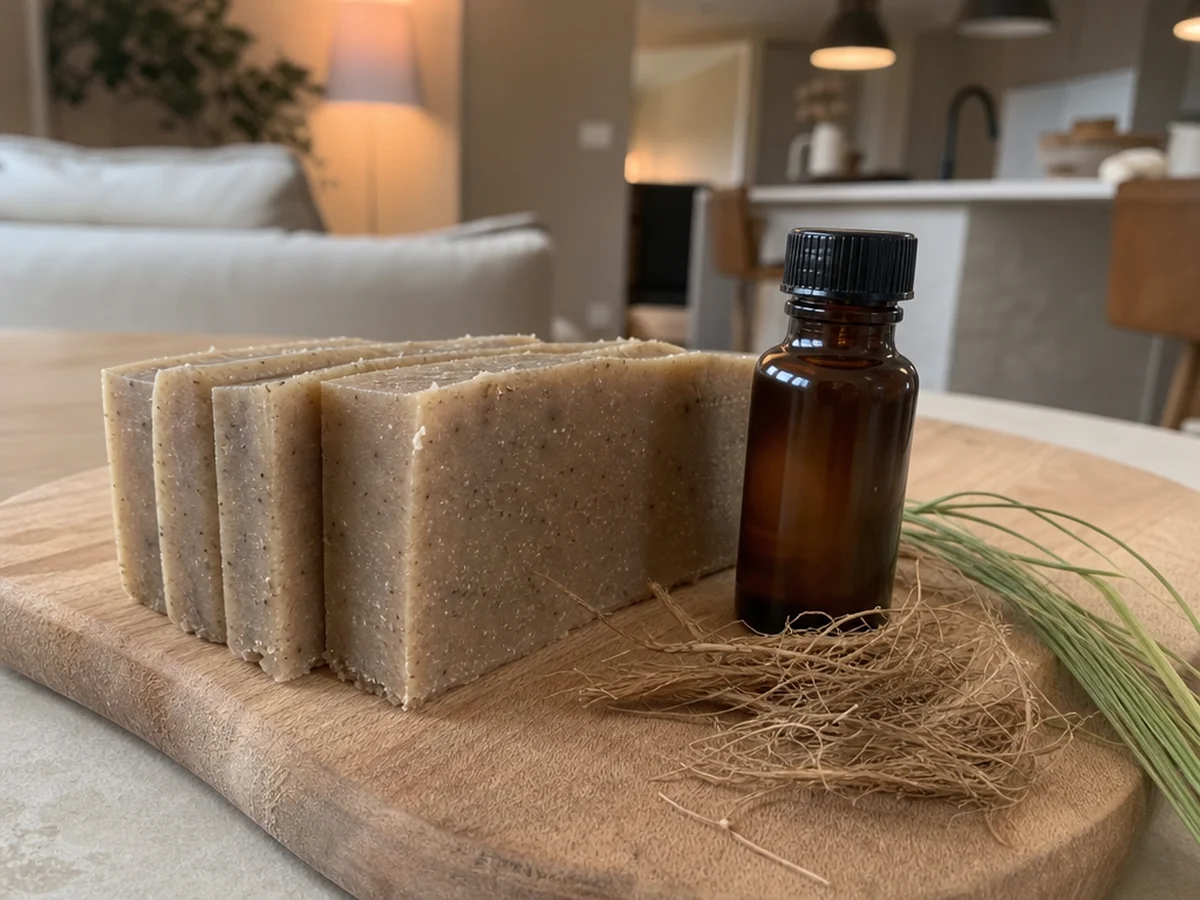
Vetiver is deep amber to brown, and our Certificate of Analysis lists the appearance standard as a brown to red liquid. Expect a warm tint in pale soap that may vary from one batch of oil to the next.
It is tempting to promise more than a scent. Vetiver is sometimes described as a fixative, but that is perfumer vocabulary for low-volatility materials slowing the evaporation of lighter ones, and we know of no soap-specific test showing how long its scent holds in a bar. A bar of soap is also rinsed off, so we do not make skin claims for it. Judge the bar by how it lathers and smells. We do not sell dried root, so leave that out too. Soap bases, lye, moulds and second oils come from a soapmaking supplier.
Give the bar time before you judge it
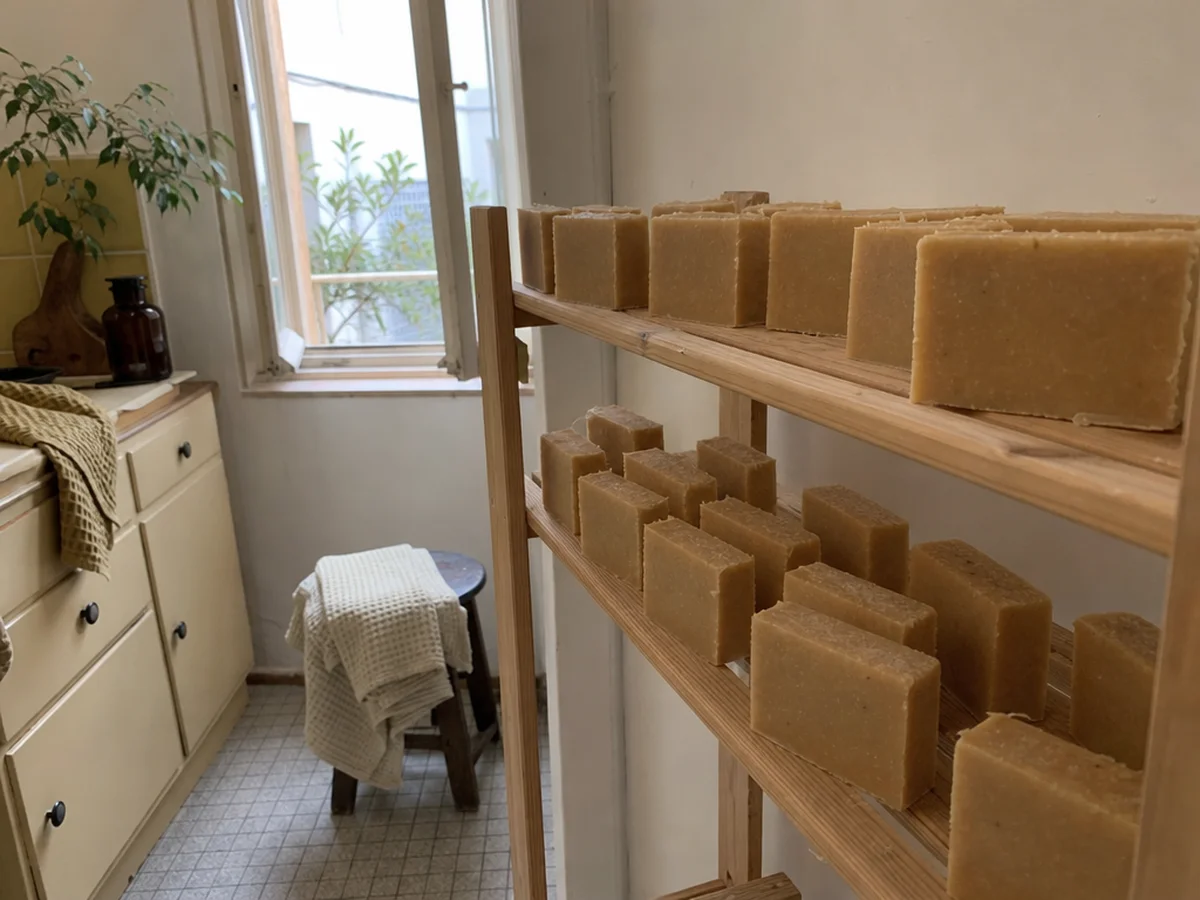
Soap changes as it cures, so be patient with the scent. Smell the dry bar, then smell it again with wet hands and a little lather, because those are two different experiences. Write the percentage and the date on a note that stays with the batch, and you will know exactly what to adjust next time.
Vetiver is thick and slow-pouring, so warm the bottle in your hands first, and weigh it straight into a small cup instead of pouring from the bottle into the batter, where you cannot take any back.
Where to read next
Choosing the oils that make up the soap itself is covered in our carrier oil guide. For leave-on uses, the safety guide sets out dilution. A shampoo bar follows the same principles in the shampoo bar post, and the blending post lists partner oils. If you sell soap and need batch documents for a specific lot, ask us in writing through the contact page.
Start at 1%, write down what you did, and your second bar will be better than your first.
Vetiver Essential Oil
Vetiver Essential Oil from our own shop, in sizes from 0.5 oz to bulk.
From $20.99
Shop Now →Sources & Further Reading
- CDC NIOSH. NIOSH Pocket Guide to Chemical Hazards: Sodium hydroxide. cdc.gov
- Lovely Greens. How Much Essential Oil to Add to Soap Recipes + Usage Rates. lovelygreens.com
- Tisserand Institute. Dilution for essential oils. tisserandinstitute.org