Does Vetiver Oil Help Acne? What the Studies Show
There is a particular kind of excitement that comes from reading that vetiver oil stopped acne bacteria from growing. It is a real result, and it is worth understanding exactly what it was: bacteria in a dish, a lotion made in a lab, and no one's face. Here is how we read it, and why we would keep vetiver where it shines, in the scent department.
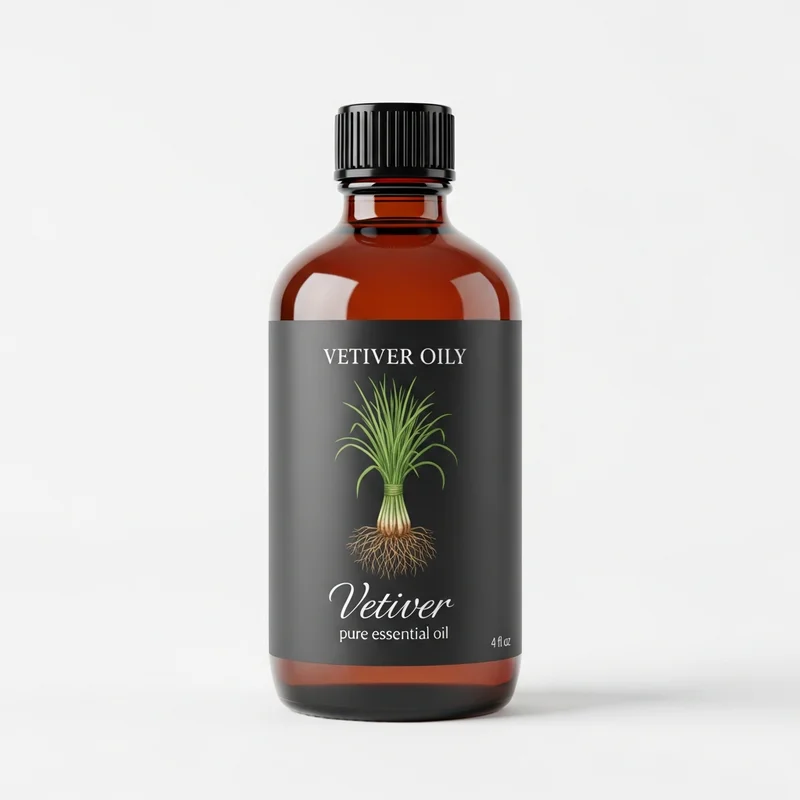
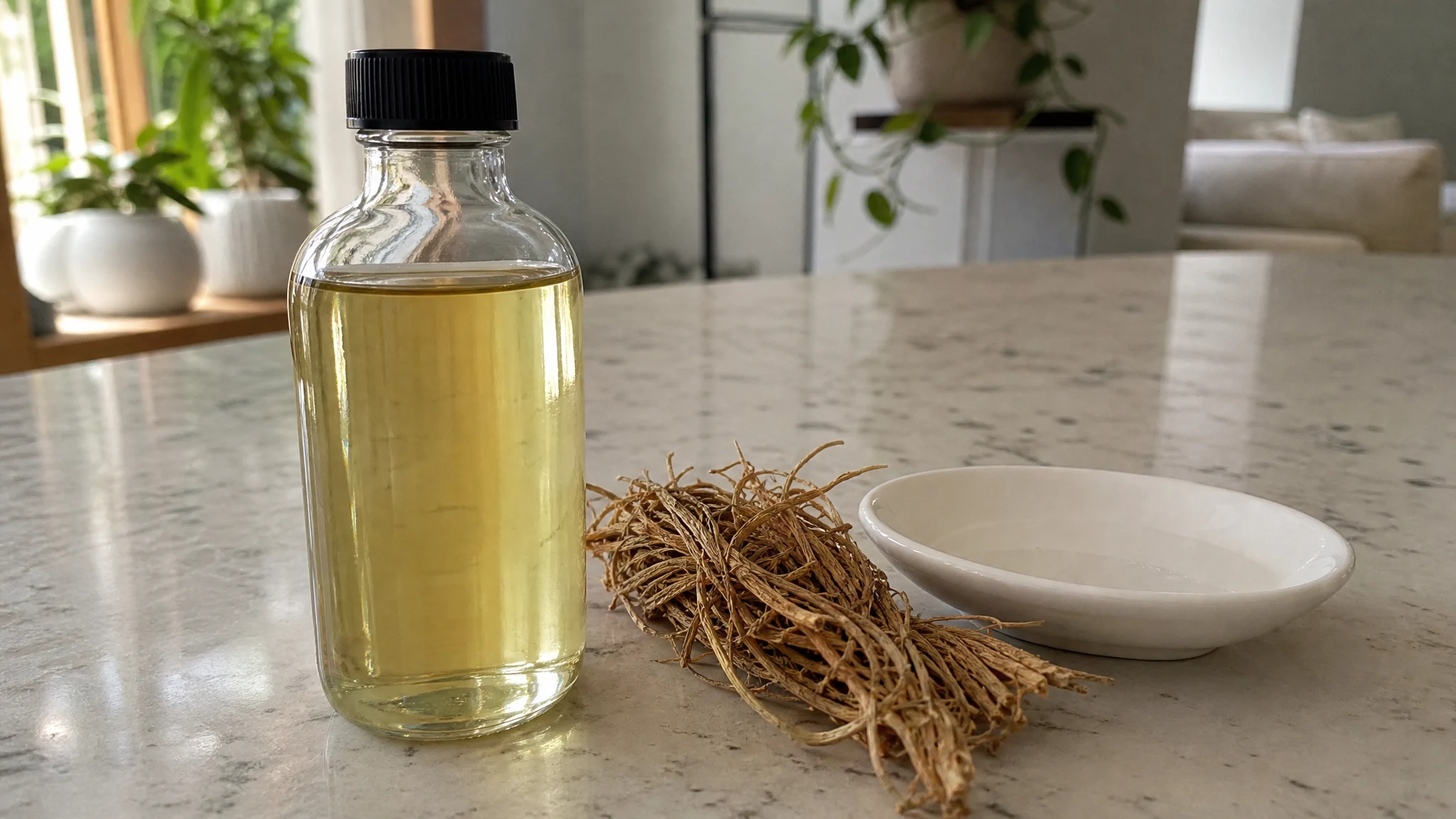
Vetiver Essential Oil
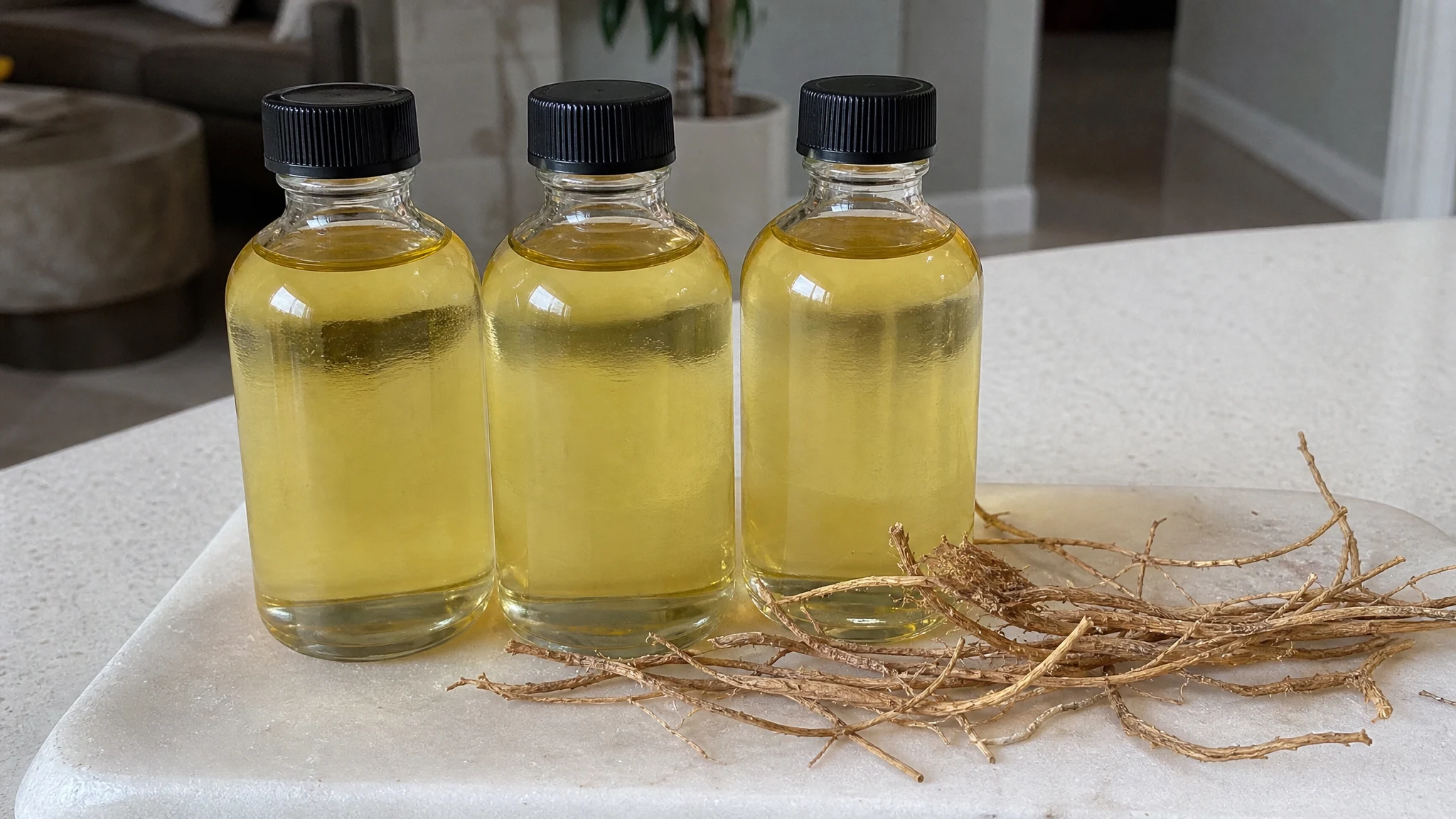
Our own Vetiver Essential Oil, in sizes from 0.5 oz to bulk.
From $20.99
Shop Now →What the vetiver studies actually did
The study people quote most is a formulation paper from a South African team. They tested vetiver oil against four bacteria linked to skin problems, including the one associated with acne, and found it held them back at a very small concentration. They then turned the oil into an emulsified lotion that stayed stable for 84 days and still stopped the acne bacterium growing in culture. That is good lab chemistry. It is also the end of the story: nobody wore the lotion.
A second group screened hundreds of oil combinations against acne-related bacteria and found that the blends popular in aromatherapy books were not the ones that performed best. A third team, looking at vetiver for cosmetics more broadly, found it active against several bacteria but concluded it offered no particularly significant cosmetic value beyond its scent. We find that a nicely honest sentence, and it matches how perfumers have treated vetiver for generations: as a beautiful material, not a treatment.
From a petri dish to a pore
It helps to picture what a lab number leaves out. A minimum inhibitory concentration is measured in a clear broth where the oil can reach every bacterium. A blocked pore is oil, dead cells and inflammation packed into a tiny space. The bacteria are one part of acne, not all of it, and a dermatologist will tell you a good plan takes weeks to show anything. The American Academy of Dermatology says to expect at least 6 to 8 weeks of sticking with treatment before you see fewer breakouts, and it describes benzoyl peroxide as a widely available option worth asking about.
There is one more curiosity. A skincare ingredient maker reported that a vetiver extract (a different material from the essential oil, made by an upcycling process) boosted sebum production in cell lines and on the skin of mature volunteers. That research was aimed at dry, mature skin, so it is not a warning label for our oil. It is just a reminder that vetiver does interesting things to skin biology that nobody has mapped out for acne.
Why the lab story is so tempting
A tidy result is easy to love. A dish with a clear ring around the oil looks like proof, and a headline writes itself. But a clear ring in a dish is a long way from a face, and the gap between the two is where most promising ideas stay. We find it reassuring to remember that a good scent is a perfectly respectable reason to like an oil, and that it does not need a skin story attached.
Questions worth asking a dermatologist
If you are managing breakouts, a few questions make an appointment more useful. How long should I try a treatment before judging it? Which products on my shelf could be irritating my skin? Should fragrance be part of my routine at all while my skin is unsettled? Bring a list of what you currently use, including anything scented, and let the professional guide the order. None of that has anything to do with a bottle of vetiver, and that is exactly why it belongs here.
Enjoying vetiver the low-stakes way
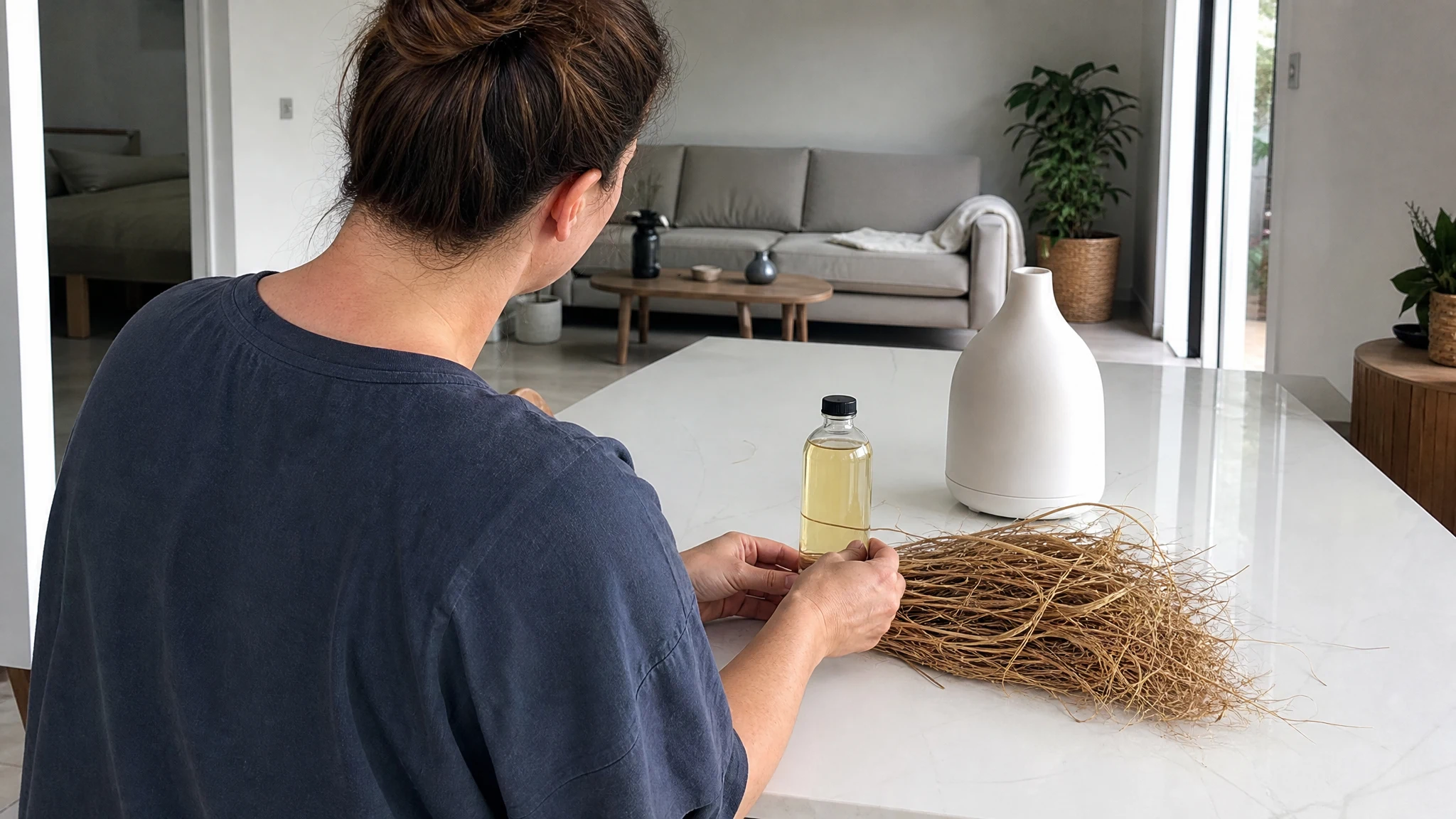
For the aroma, a room scent or a very lightly diluted body oil for areas away from trouble spots lets you enjoy the smell without asking it to do a job. Open the bottle, take a slow breath of the earthy, smoky-sweet scent, and leave it at that.
If you like vetiver and have breakouts
We sell one vetiver essential oil, steam-distilled from roots, with a deep, earthy, smoky-sweet aroma. It is sold neat and is meant for aromatic and cosmetic use. Our guidance is to dilute it to between 0.5% and 2% in a carrier oil and patch test first, and we would start at the bottom of that range and stay away from broken or inflamed skin. Skin that is already unhappy reacts to fragrance more readily, and large patch-test surveys of essential oils in clinics show that reactions to them are a real, regular occurrence, even if vetiver was not among the oils in the one big survey we checked.
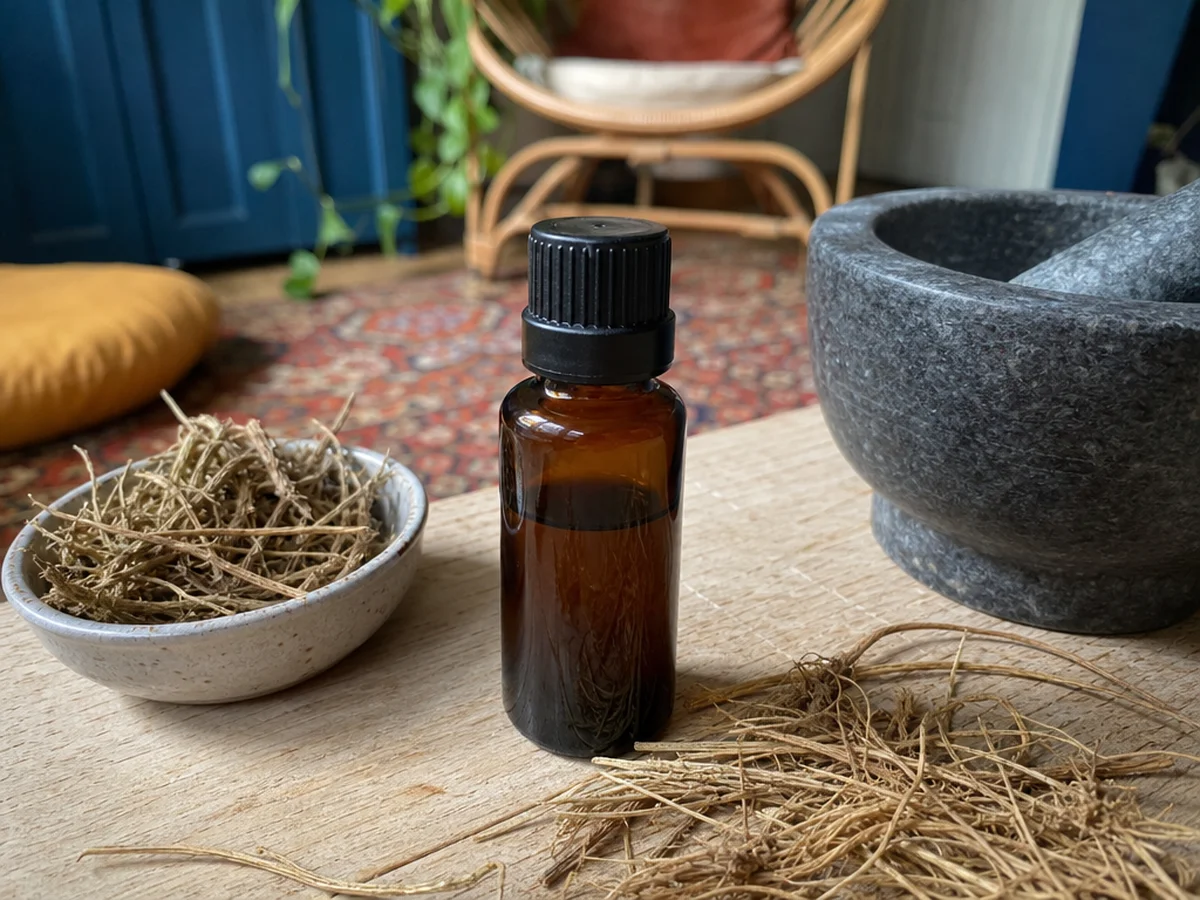
So what would we do with it? Enjoy it where it belongs: a few drops in a room fragrance or a diluted body oil for areas away from trouble spots. Carrier oils such as jojoba come from a craft or supply shop, since we sell vetiver only. Leave the spot treatment to products and professionals that have been tested in people.
When acne is deep, painful or has you worried about marks, a board-certified dermatologist is the person to see, and the sooner the better. Vetiver will still smell wonderful afterwards. If you are curious about the broader skin picture, our vetiver and skin post goes through the research, our dilution and safety guide covers the practical numbers, and our carrier oil guide helps with the other half of the blend.
Questions about the oil itself are welcome through our contact page.
Vetiver Essential Oil
Vetiver Essential Oil from our own shop, in sizes from 0.5 oz to bulk.
From $20.99
Shop Now →Sources & Further Reading
- Kurrimboccus et al. Antimicrobial Formulation of Chrysopogon zizanioides Essential Oil in an Emulsified Lotion for Acne. Planta Medica, 2022
- Orchard et al. The in vitro antimicrobial evaluation of commercially essential oils and their combinations against acne. International Journal of Cosmetic Science, 2018
- Burger et al. Vetiver Essential Oil in Cosmetics: What Is New? Medicines, 2017
- De Tollenaere et al. Overall renewal of skin lipids with Vetiver extract for a complete anti-ageing strategy. International Journal of Cosmetic Science, 2021
- Geier et al. Contact sensitization to essential oils: IVDK data of the years 2010-2019. Contact Dermatitis, 2022
- American Academy of Dermatology. Acne: Diagnosis and treatment