Vetiver Oil and Focus: What Research Exists
Focus is one of the things people most want from a scent, and it is easy to see why: a smell is immediate, pleasant and easy to try. With vetiver the honest answer is that no one has tested it for attention in people with ADHD. We would rather tell you that plainly and then share what the research does show.
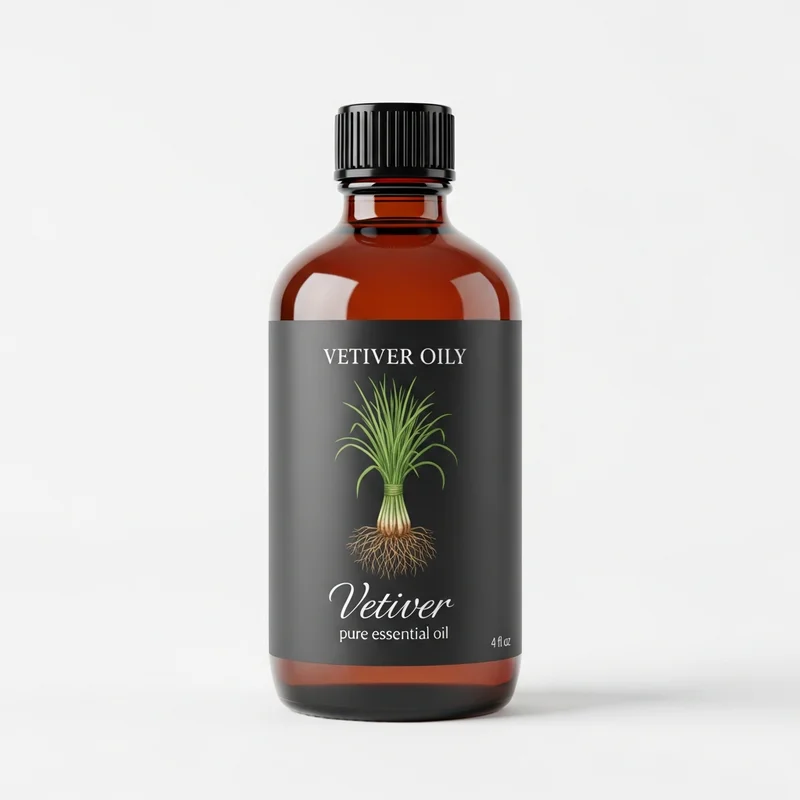
Vetiver Essential Oil
Our own Vetiver Essential Oil, in sizes from 0.5 oz to bulk.
From $20.99
Shop Now →What the nearest studies looked at
The studies that touch attention at all are small and indirect. In one, researchers fitted adult male rats with EEG electrodes and had them inhale vetiver oil. The rats stayed awake longer and spent less time in deep sleep, which the authors read as a refreshing, alerting effect on brain activity. In another, mice were given a vetiver root extract (not the essential oil) and did better in maze and memory tests, though nothing in the setup was an ADHD model.
The human side is thinner still. We found no human study of vetiver oil alone that measured attention. A 2026 trial in older adults used a morning blend and a night blend, with vetiver as one of five oils in the night blend, and reported better sleep and memory-and-concentration scores. Because the oils came as a team, nobody can say what vetiver contributed.
Notice the tension. The oil looked alerting in rats and relaxing in people. Those two readings cannot both be one tidy focus effect, and neither study measured what ADHD is actually about. A recent review of the whole plant describes the evidence as preclinical. A Europe PMC search on 5 November 2026 for vetiver together with ADHD returned a single record, a review about growing and processing the grass.
What ADHD care looks like
The National Institute of Mental Health describes standard ADHD treatment as medication and psychosocial approaches such as cognitive behavioral therapy, parent training and school interventions, with newer ideas like neurofeedback and mindfulness still being studied. That is the yardstick any scent has to be held against, and nobody has put vetiver anywhere near it. If attention is a struggle for you or your child, a clinician is the right first stop, and an oil should never replace or alter prescribed care.
How people actually use scent at a desk
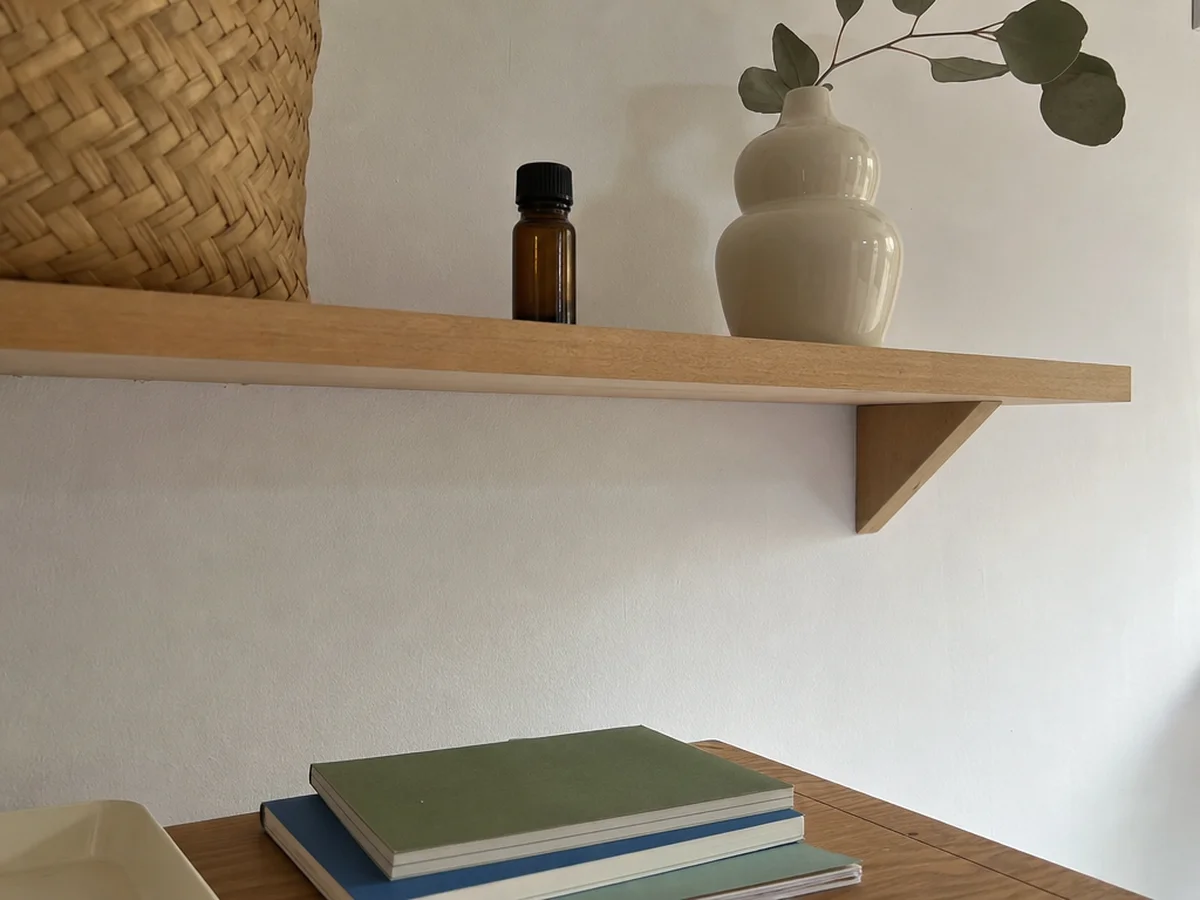
Lots of people have a small ritual to start work: clearing the desk, making a hot drink, opening a window. A scent can be part of that, because a smell is a quick signal that this is the part of the day for sitting down. That is a personal habit, not a measured effect, and it works because you choose it. If vetiver is your choice, a very light touch is enough.
Keeping the scent light
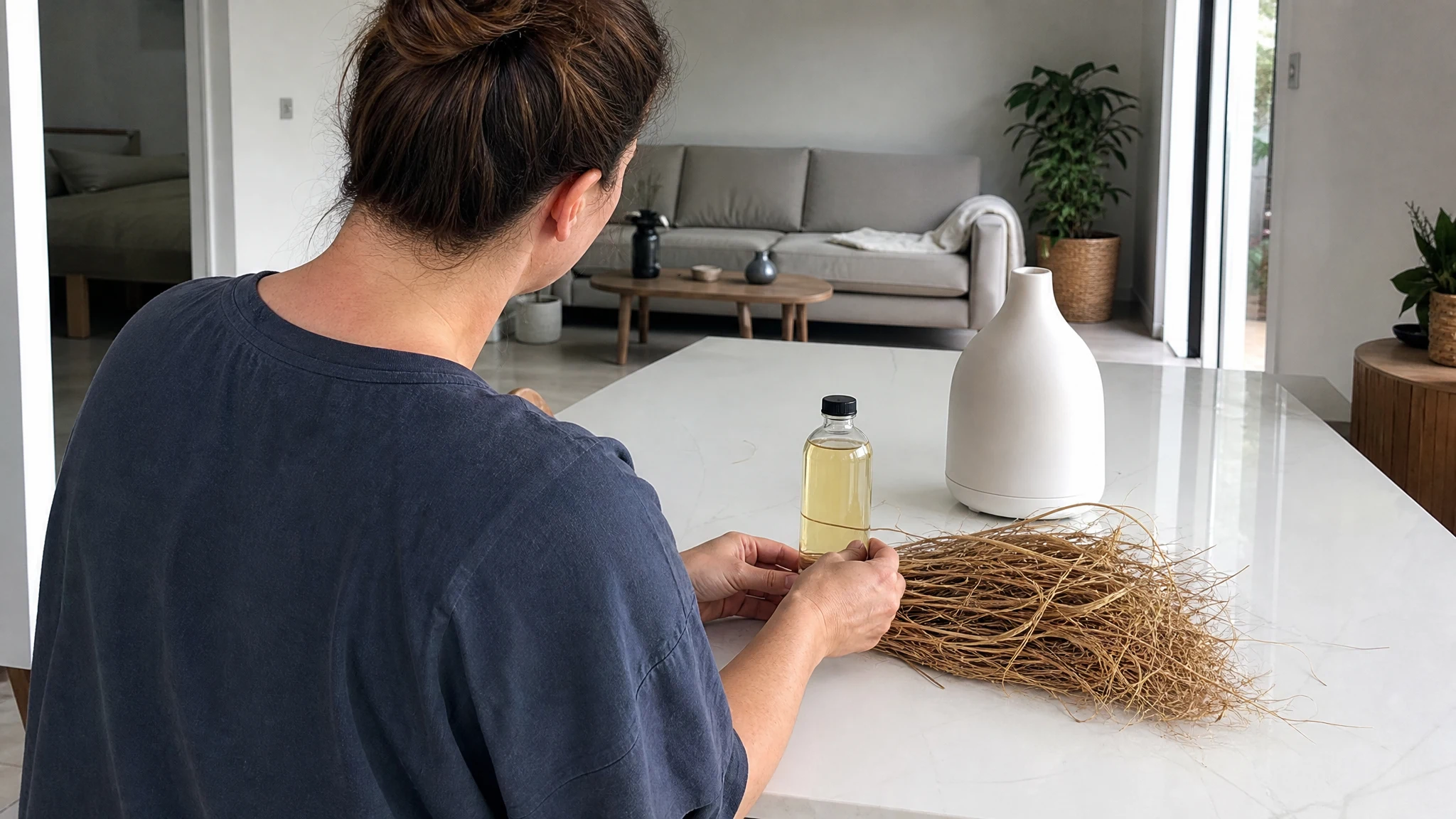
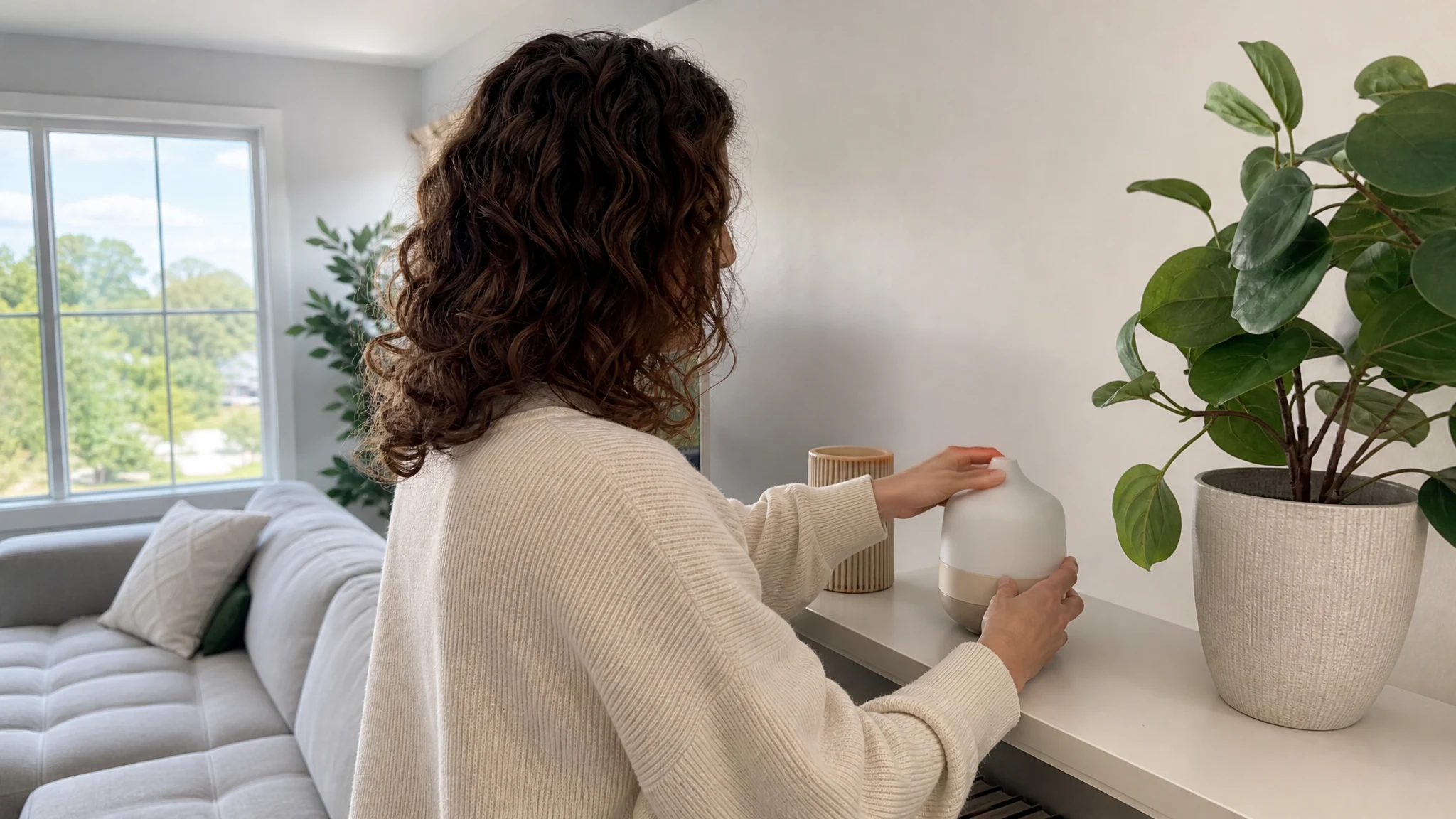
Vetiver is strong and lingers, so a desk does not need much. If you diffuse, use a low setting and open a window now and then. If you would rather skip a machine, put a drop on a paper strip and leave it beside your keyboard. Notice how the smell changes after an hour. It is an earthy, smoky-sweet base note, and it slowly softens as it dries.

Questions to ask before you reach for any product
What is it supposed to do, and who tested it? Is the claim about the smell or about your attention? If it is the second, what did the study actually measure? Asking those questions makes you a more comfortable buyer of any scented product, and they take less than a minute.
The scent on its own terms
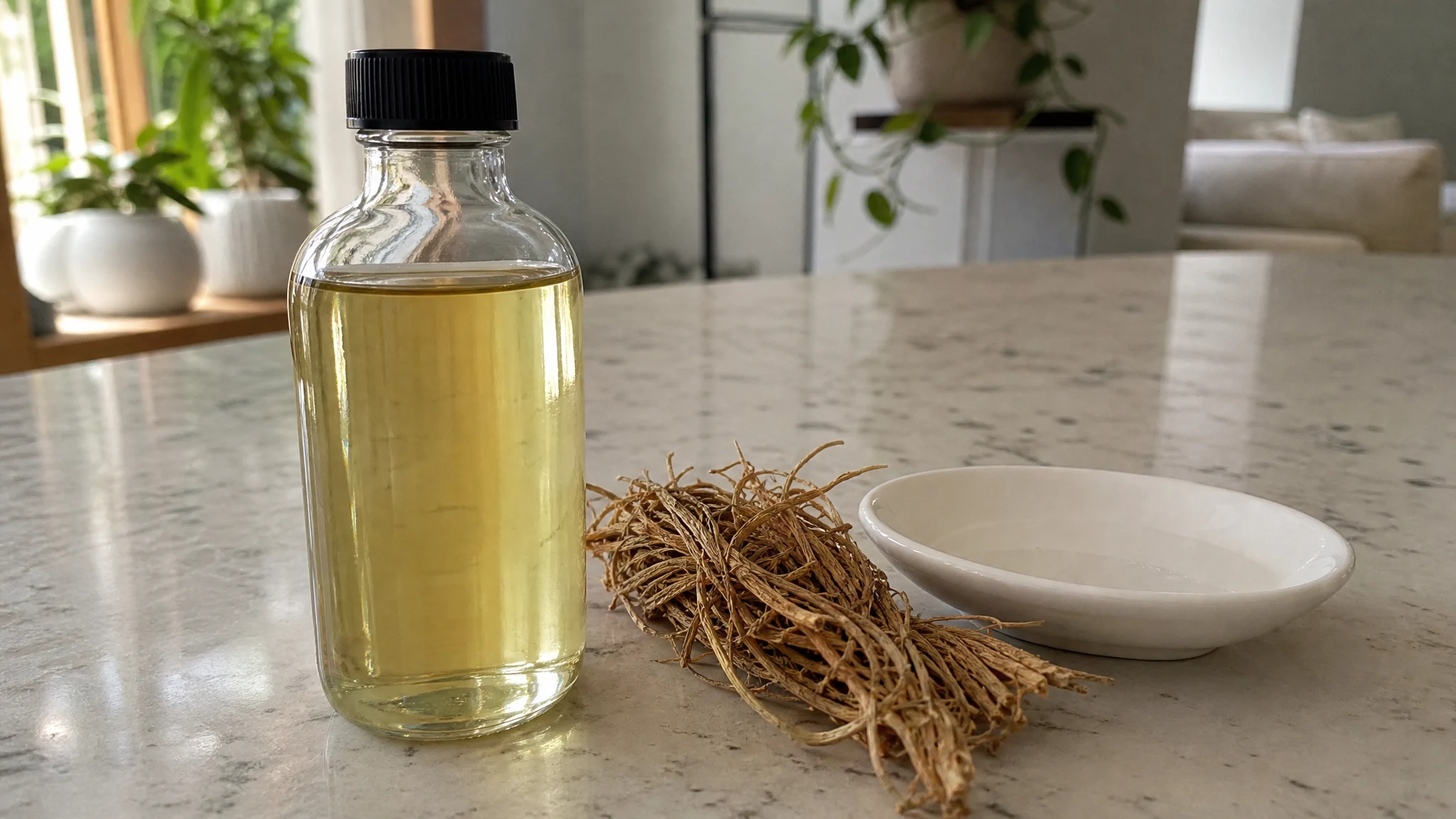
None of this means vetiver has no place on a desk. A lot of people simply like a particular smell in the room where they work, and that is reason enough. Ours is a steam-distilled vetiver essential oil with a deep, earthy, smoky-sweet aroma, thick and slow to pour, so a single drop goes a long way. We would never label it focus support, because that is a claim about attention that has not been tested for this oil. We sell it as an aromatic and cosmetic oil.

A few practical notes. Our guidance is to keep it away from children and pets and never to take it internally. If you diffuse, keep the scent light and let the room rest between sessions. If anyone in the home has asthma or reacts to fragrance, mention the diffuser to their clinician. For children, we would leave oil questions to a pediatrician. Our post on vetiver around children goes through where the guidance disagrees.
If you want to read more on how researchers handle this kind of question, our anxiety research post looks at the same rat and human studies, and our sleep research post covers the human sleep trials. For equipment, see our diffuser post.
Storing the bottle
Keep the cap tight and the bottle in a cool, dark cupboard, away from children and pets. Wipe the neck after pouring, because a thick, dark oil leaves a ring that can mark a desk or a notebook. A bottle kept tidy is a bottle you will enjoy using, and it is a small habit that costs nothing.
If you keep a bottle at your workspace, put it in a drawer or a closed box and not on an open shelf, so the scent stays in the bottle until you choose to open it.
Enjoy the smell for what it is, and leave the attention plan to the people trained to build one.
Vetiver Essential Oil
Vetiver Essential Oil from our own shop, in sizes from 0.5 oz to bulk.
From $20.99
Shop Now →Sources & Further Reading
- Cheaha et al. Modification of sleep-waking and electroencephalogram induced by vetiver essential oil inhalation. Journal of Intercultural Ethnopharmacology, 2016
- Nirwane et al. Anxiolytic and nootropic activity of Vetiveria zizanioides roots in mice. Journal of Ayurveda and Integrative Medicine, 2015
- Ede Sarikaya et al. Effects of inhaled aromatherapy on sleep quality and cognitive function in older adults: a randomised controlled trial. Journal of Gerontology Series A, 2026
- Gunasekar et al. Pharmacological and Therapeutic Potential of Chrysopogon zizanioides (Vetiver): A Comprehensive Review of Its Medicinal Applications and Future Prospects. Biomolecules, 2025
- Attention-Deficit/Hyperactivity Disorder (ADHD) - National Institute of Mental Health (NIMH)