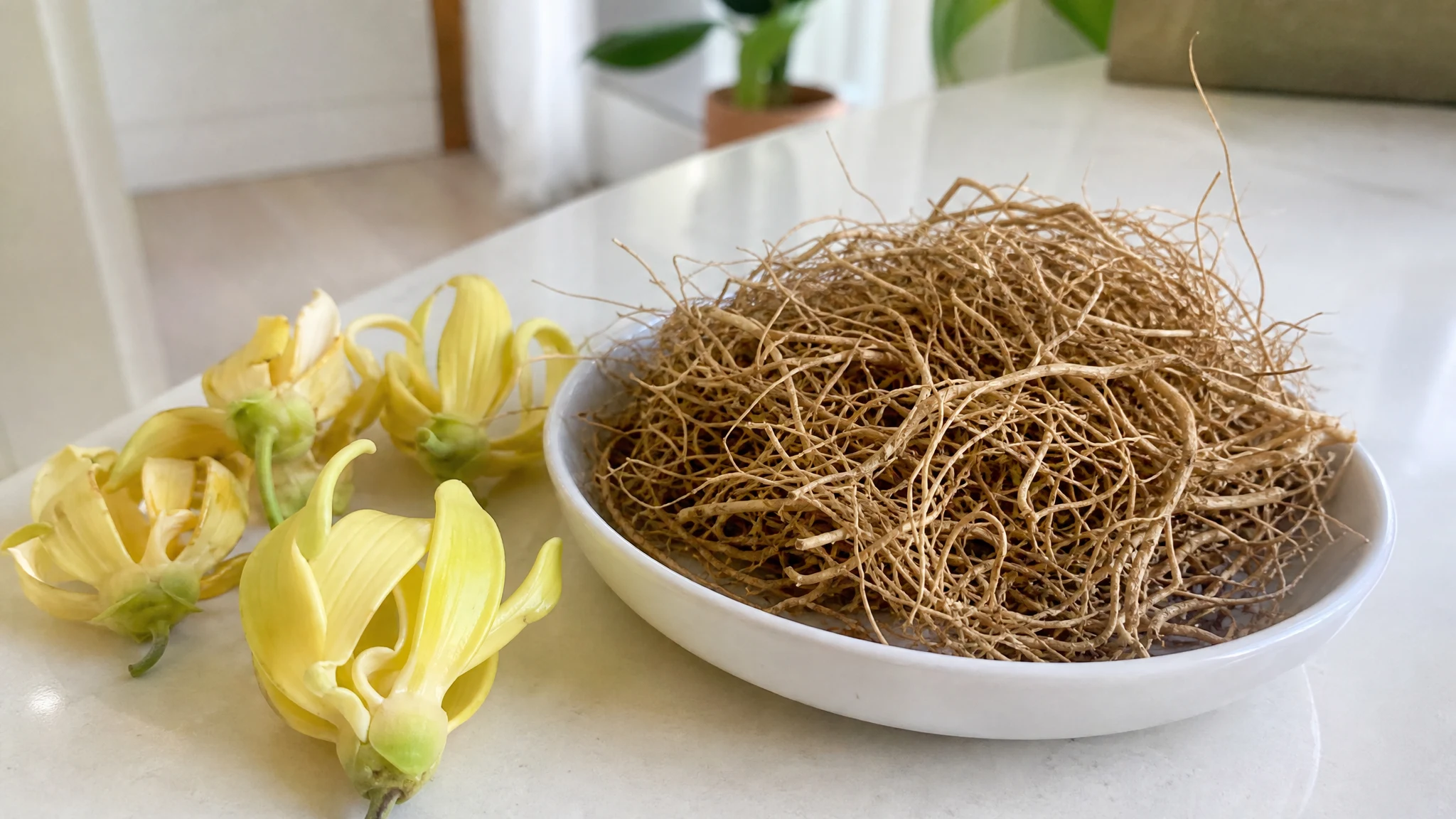
Vetiver vs Ylang Ylang: Earthy Root Oil or Floral Bloom?
Ylang ylang has small human studies and a clearer skin caution; vetiver has rat studies and a deep base-note scent. We compare them and how to choose.
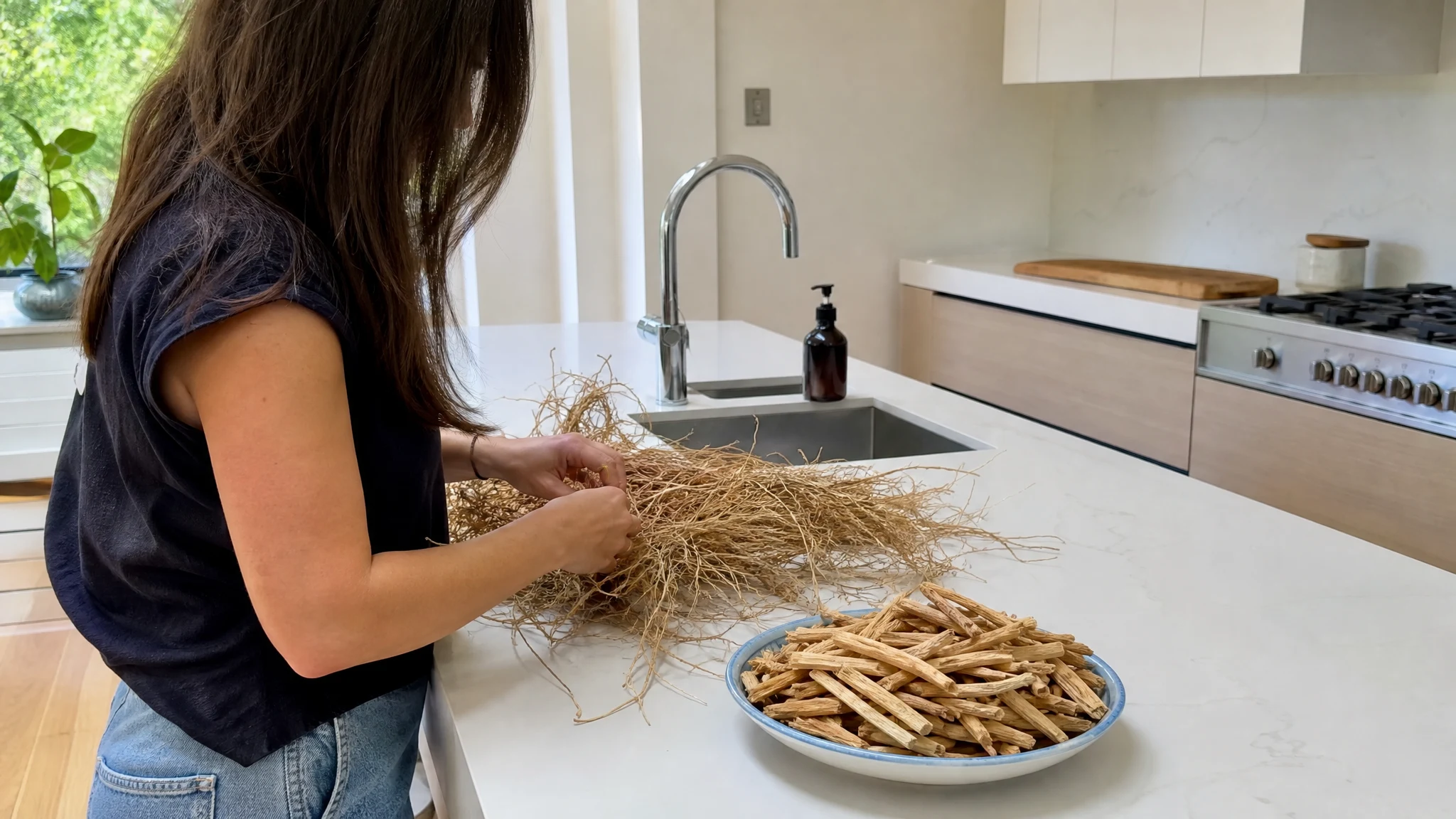
Vetiver vs Sandalwood: Which Woody Base Fits Your Blend?
A 2021 lab check found none of six sandalwood oils met the standard. We compare vetiver and sandalwood on scent, labels and skin, and how to buy either.
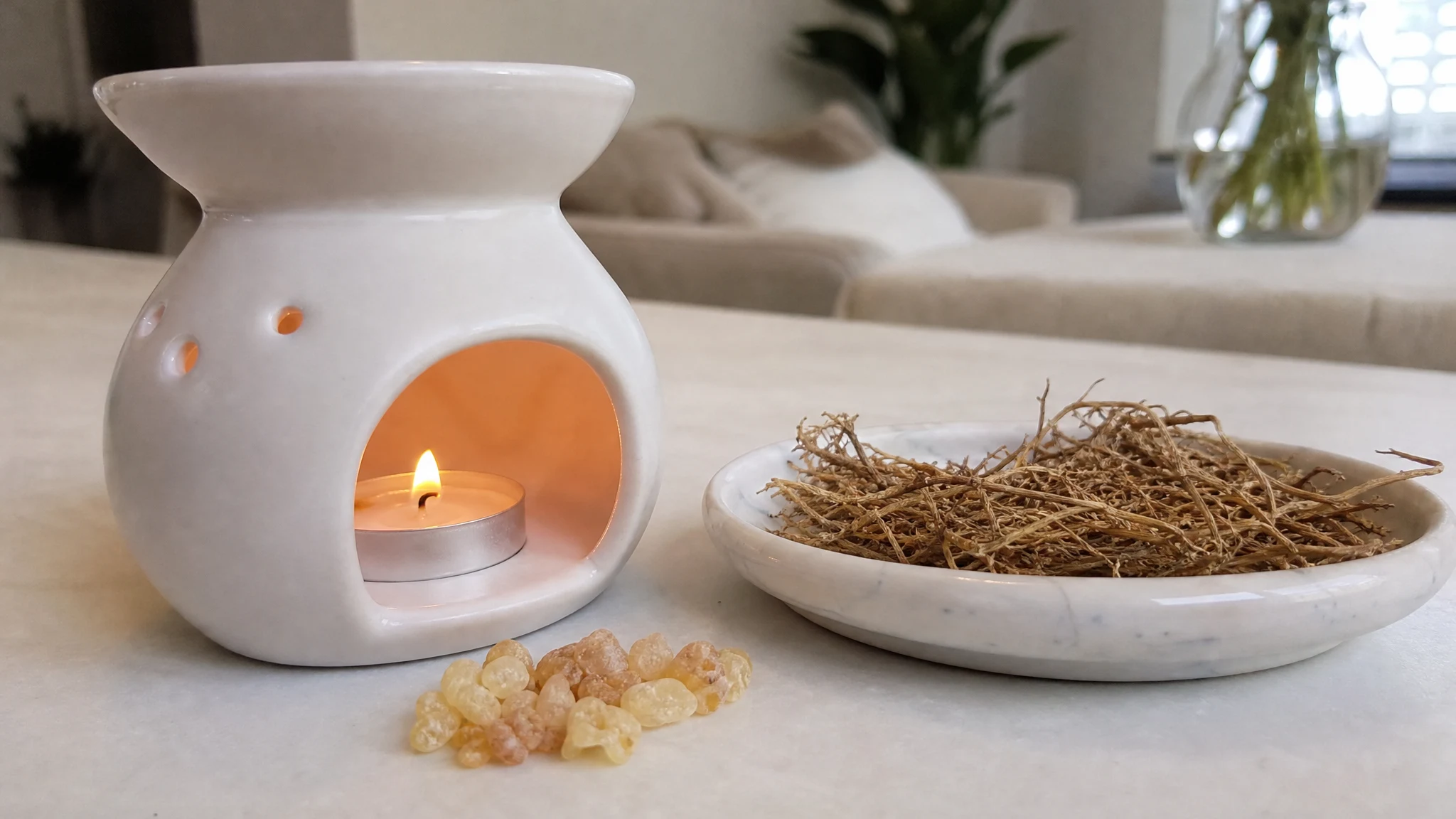
Vetiver or Frankincense for Meditation: Choosing by Scent
Neither oil has been tested on meditation. Both have a story, though. We compare the research, the scent and the practical side, so you can pick by nose.
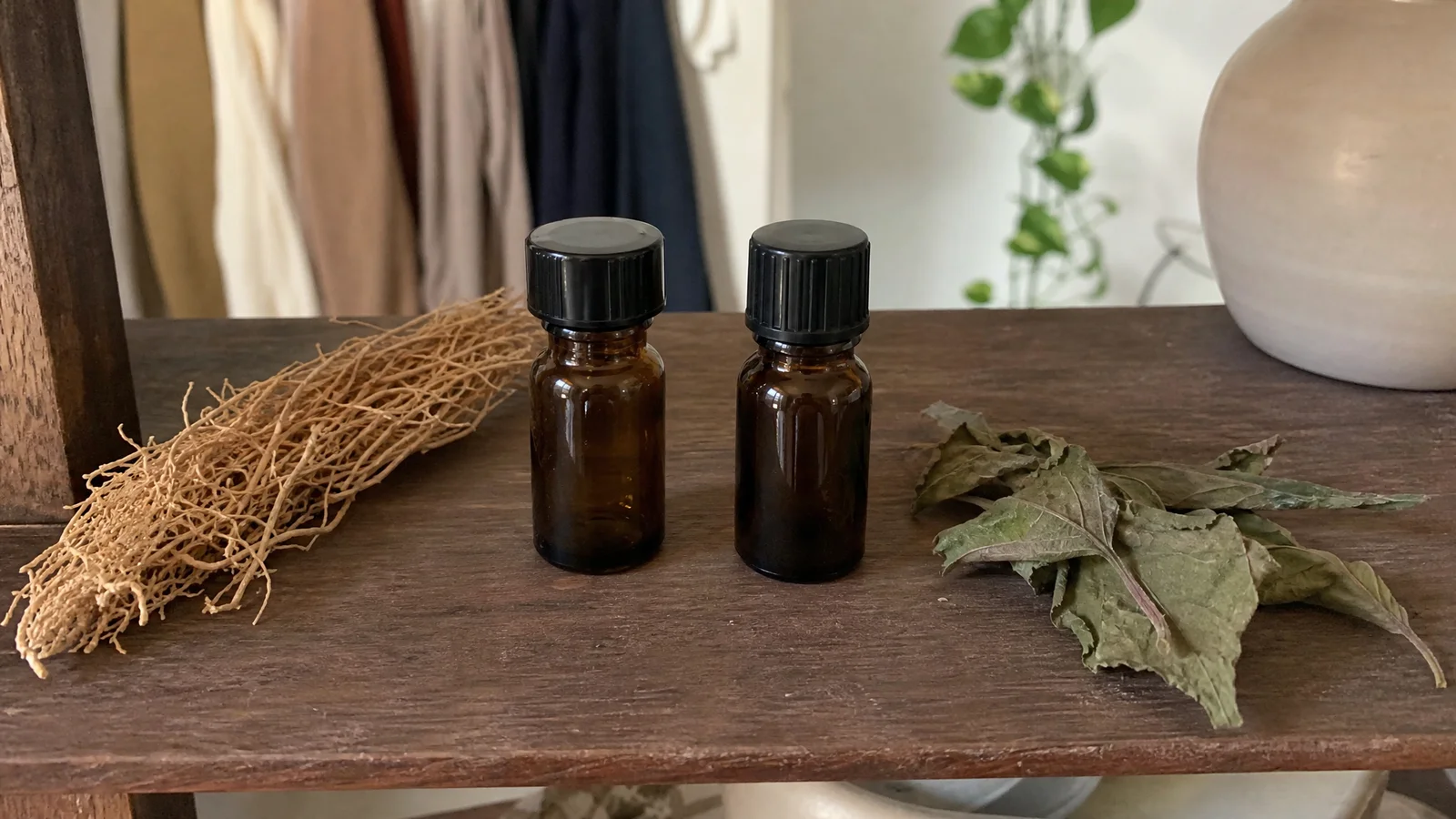
Vetiver vs Patchouli: Root Oil or Leaf Oil?
Both are earthy, but vetiver comes from roots and patchouli from leaves. We compare their character, what a perfumer uses each for, and how to choose.
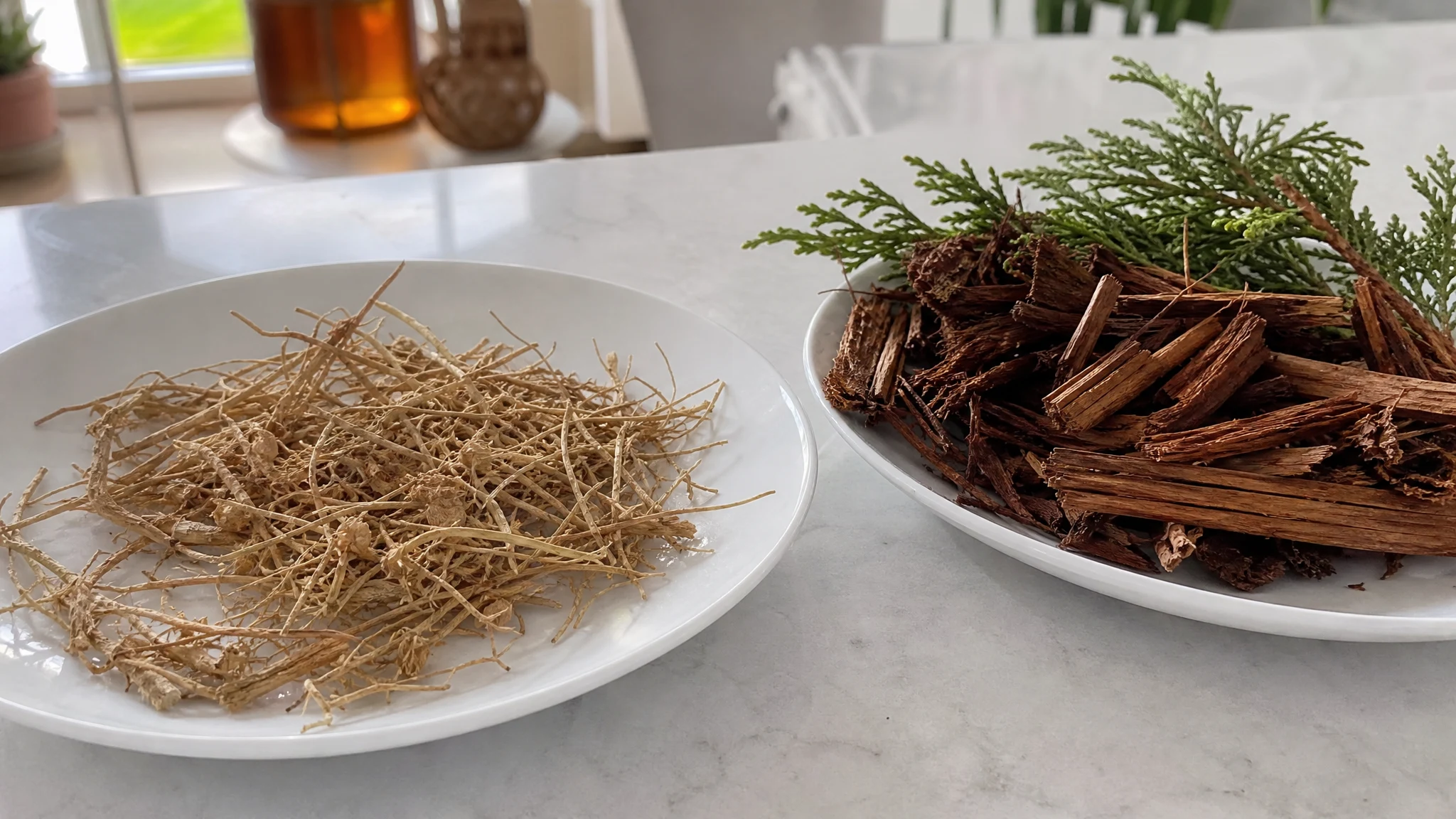
Vetiver vs Cedarwood Oil: Two Woody Scents Compared
Vetiver or cedarwood for sleep? No study settles it. Compare how the two woody oils smell, why 'cedarwood' means many oils, and what research exists.
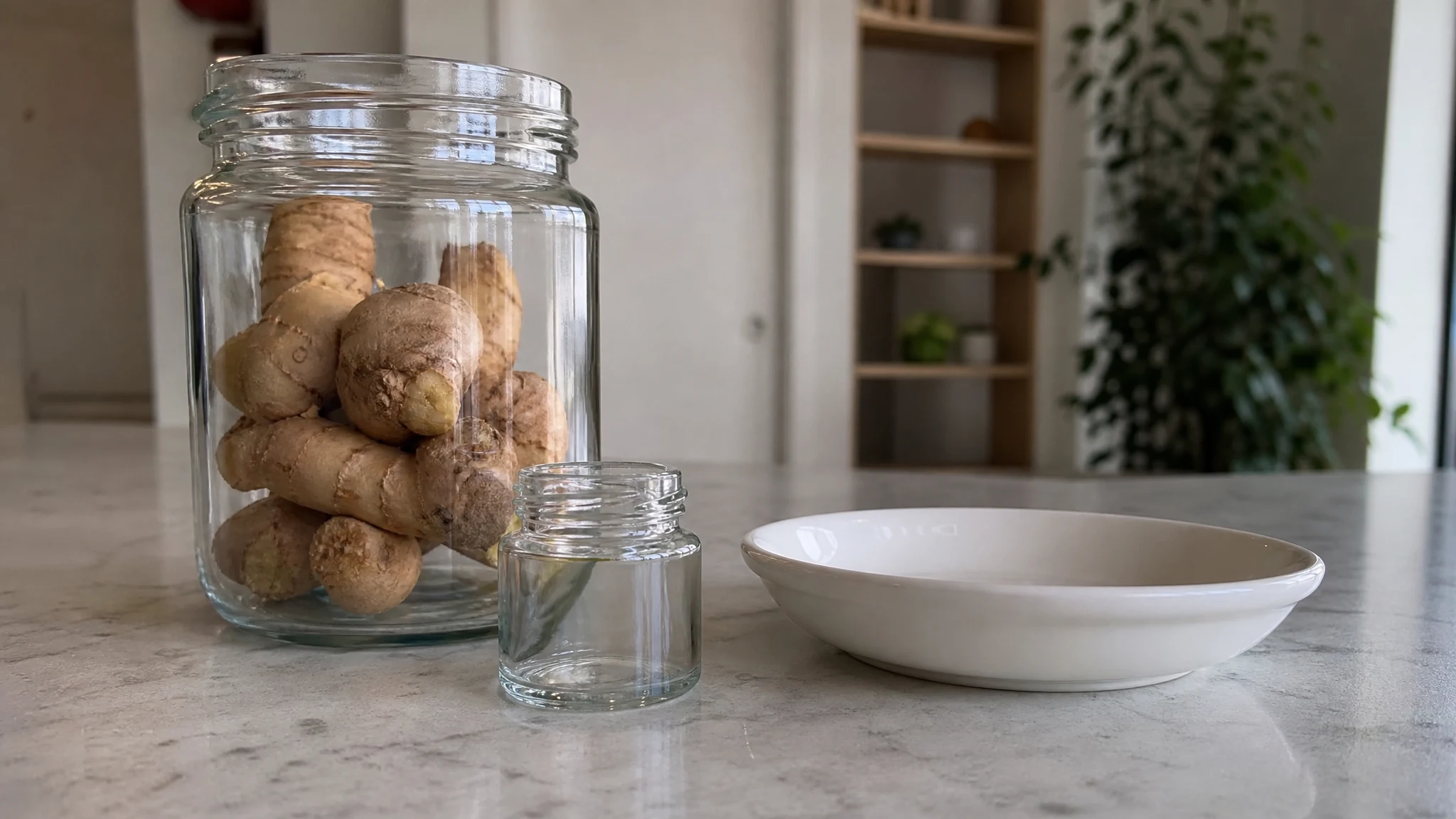
Vetiver Roller Blends: How Much Oil Per 10 ml Bottle
Vetiver is thick and lingers, so a little goes far in a roller. See the arithmetic for a 10 ml bottle, why we start low, and what to look for in a carrier.
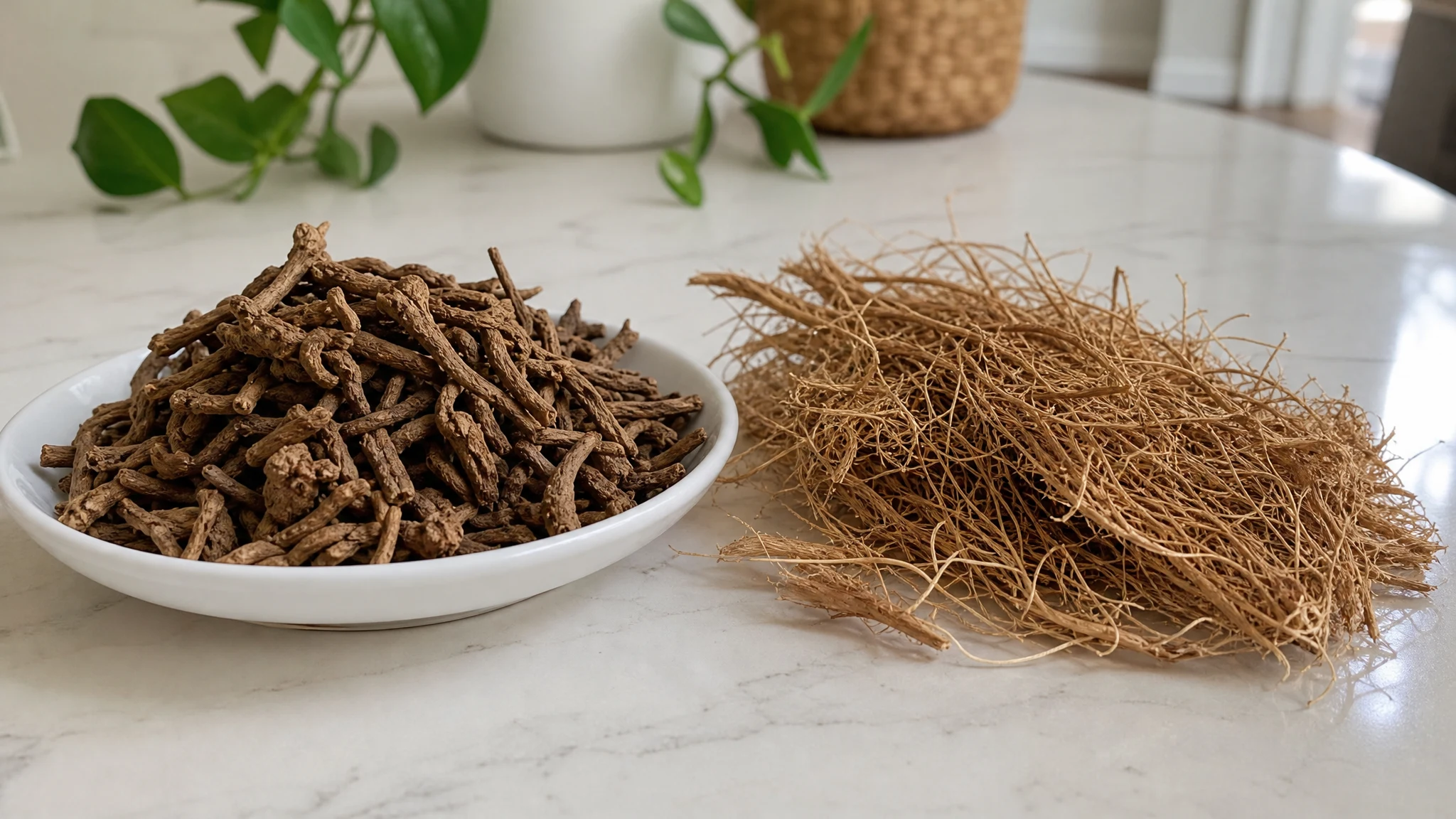
Vetiver Oil vs Valerian Root: What Sets Them Apart
Valerian is a swallowed root extract; vetiver is an aromatic oil. We explain what each has been studied for and why they do not substitute for each other.
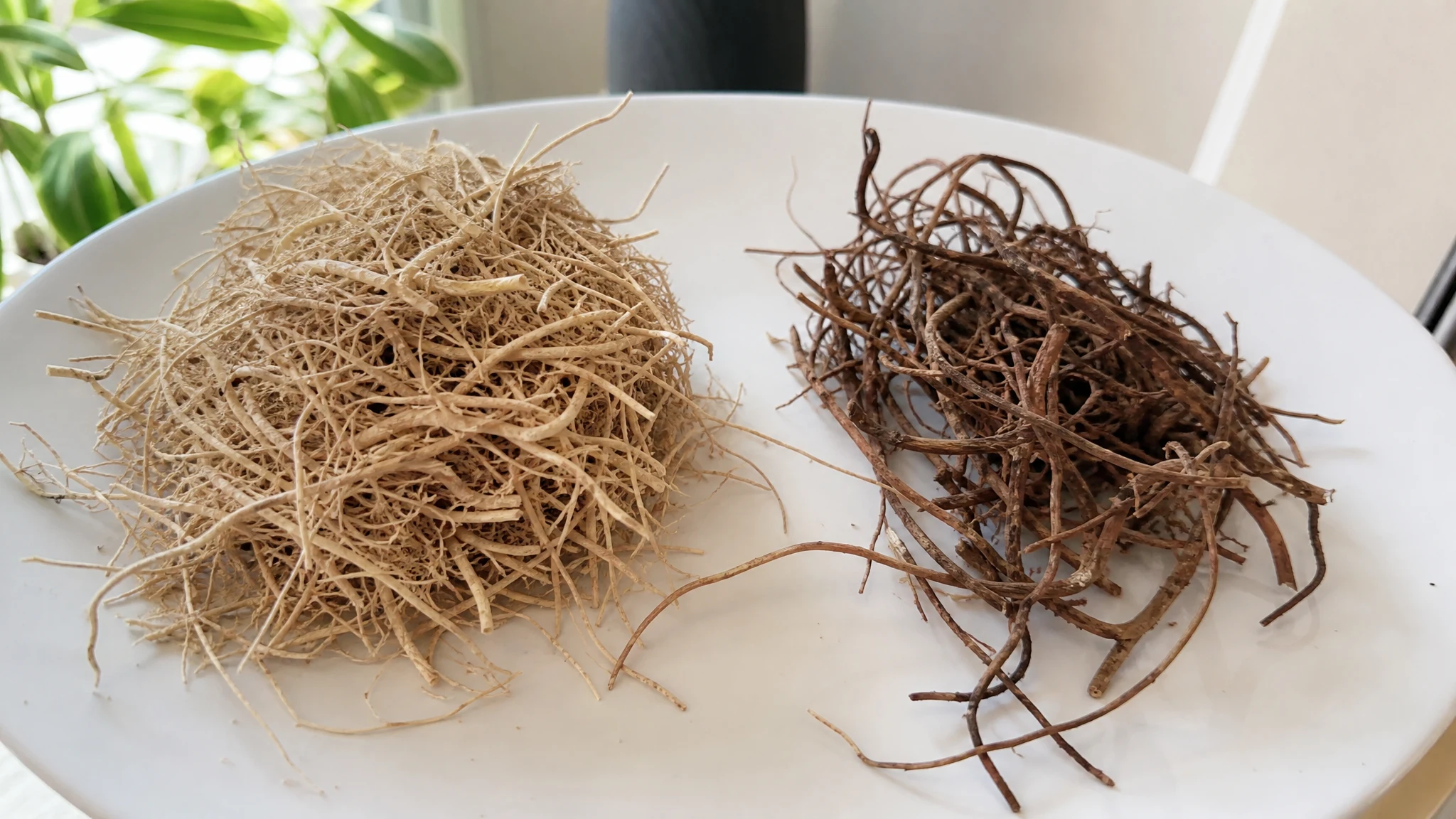
Vetiver vs Spikenard: Two Root Oils, Two Supply Stories
Both are earthy root oils, yet their supply stories differ sharply. We cover spikenard's conservation status, the lab papers, and how to buy either.
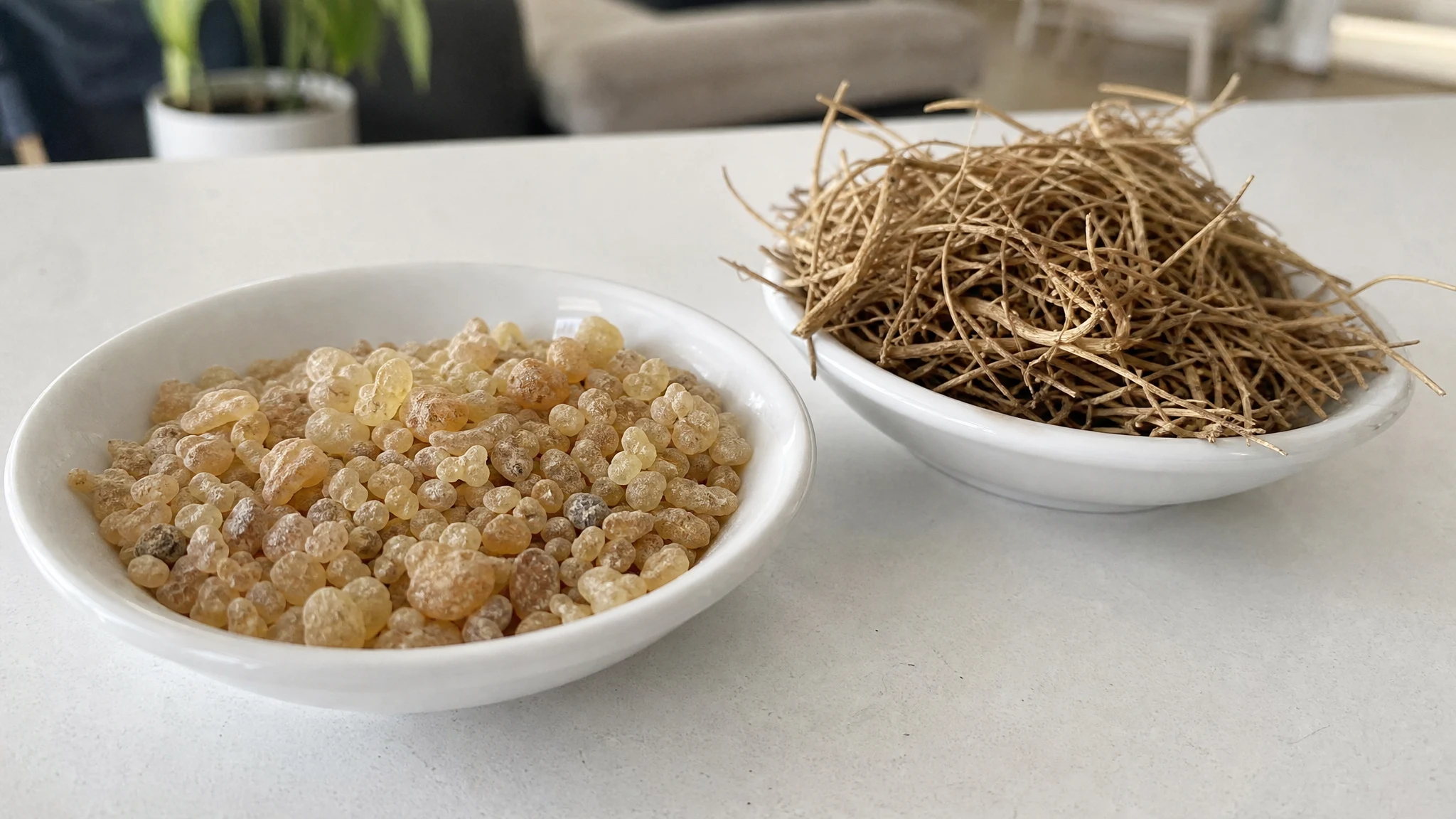
Vetiver vs Myrrh Oil: Which Base Note Suits You?
The famous myrrh wound study used a different species, and vetiver's lab work points to scent. We compare these two base notes and how to choose.
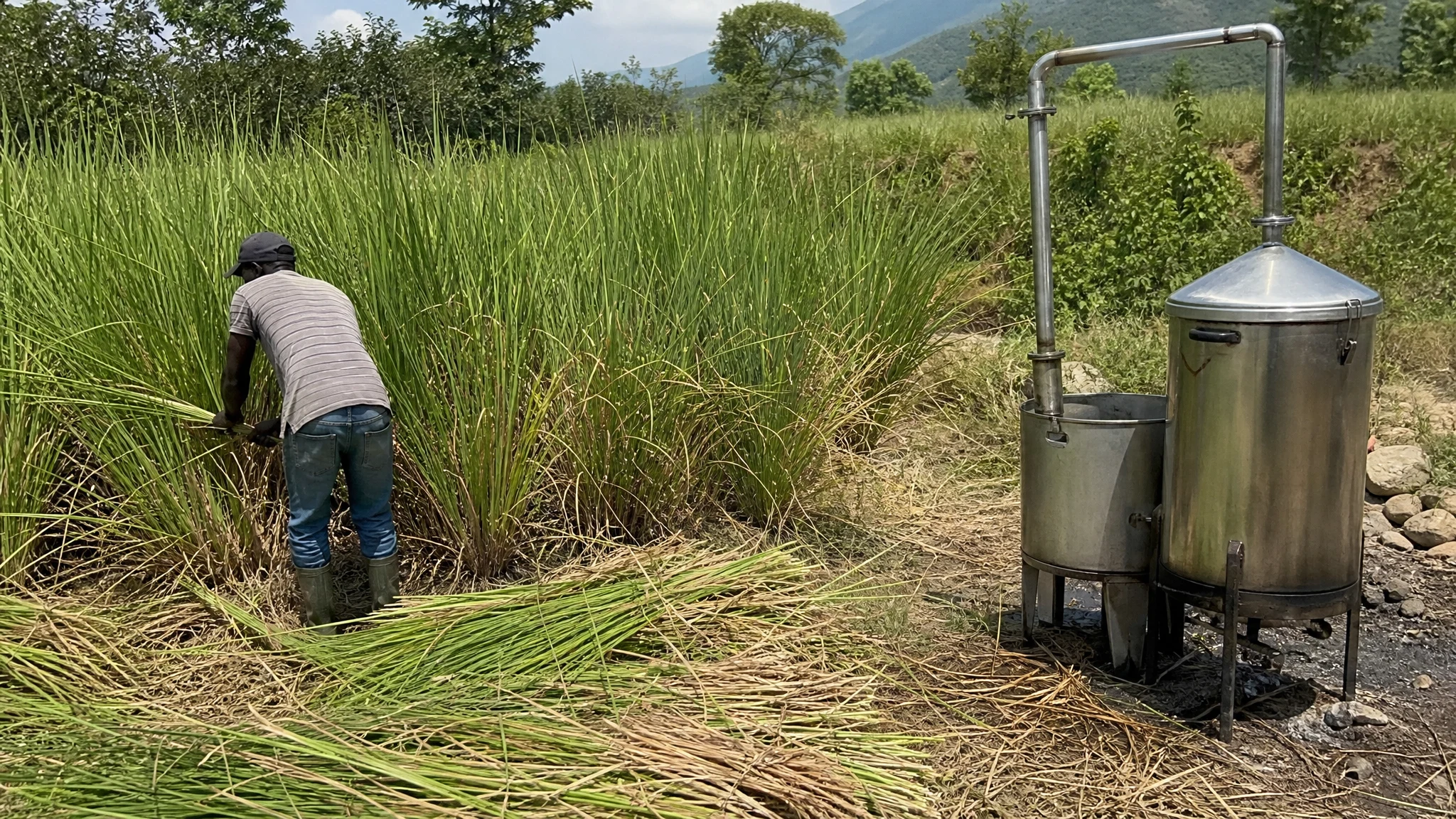
How Vetiver Oil Is Made: From Root to Bottle
Vetiver oil is steam-distilled from roots, and each step before and after the still leaves a mark. Follow the journey and learn what to ask about a bottle.

Diffusing Vetiver Oil: Which Diffuser Suits a Thick Oil?
No trial has tested a vetiver diffusing routine, but a few good sources help. Here is how to match device, run time and room to a thick, slow-pouring oil.

Vetiver Oil and Inflammation: Lab Studies vs Massage
Vetiver oil calmed inflammation signals in mouse cells, but no one has tested it for pain. We explain the lab work, the massage question and what to do.