Winter Vetiver Blends: Warm, Woody Scents for Cold Nights
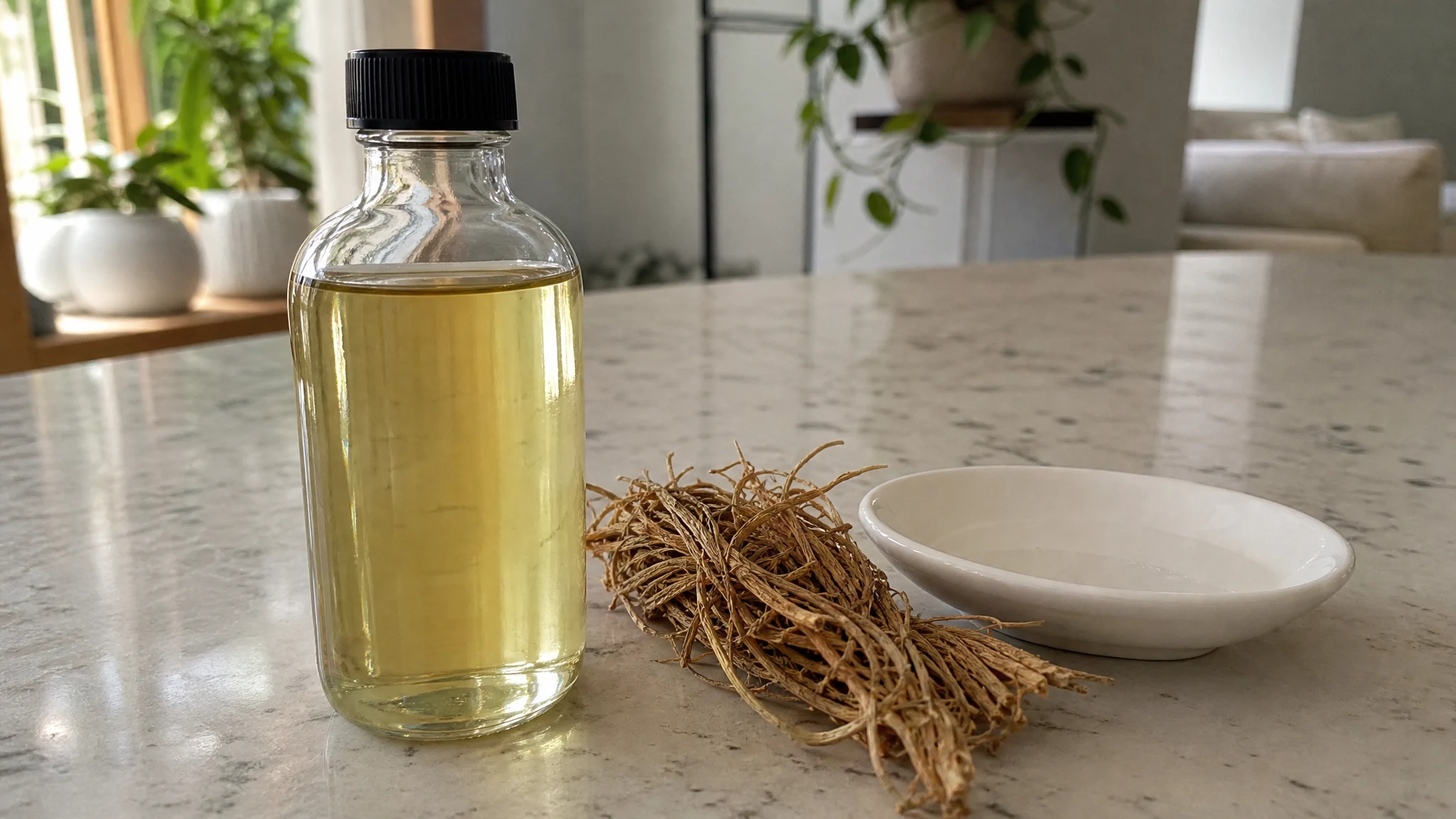
There is a particular kind of evening in winter when the light goes early, the house smells of nothing in particular, and a warm, woody scent would be exactly right. Vetiver is a natural for those evenings. It brings a dark, smoky-sweet base, and a little goes a very long way, so a short blend does the job.
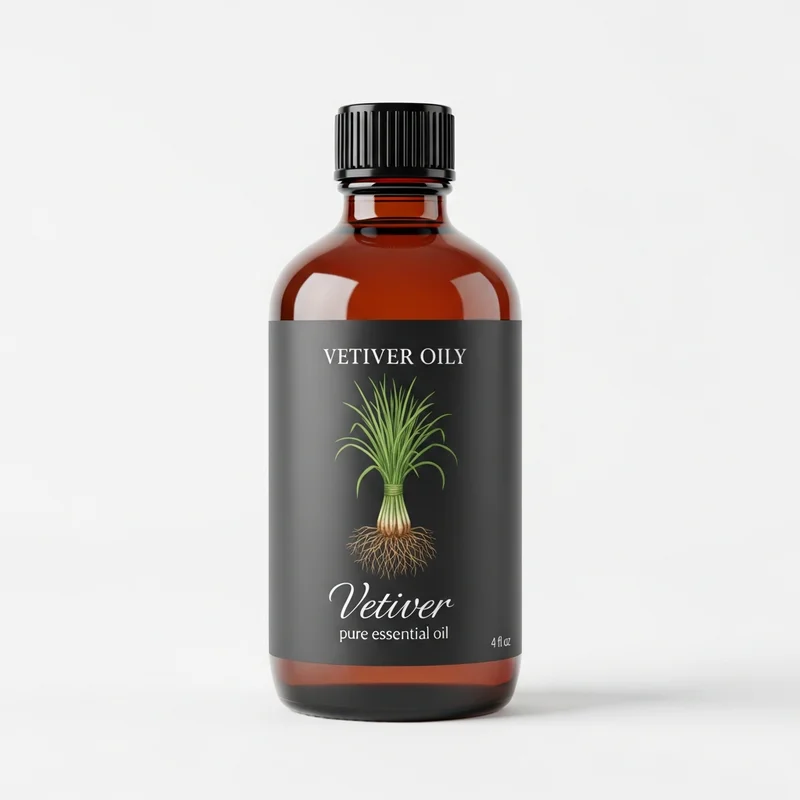
Vetiver Essential Oil
Our own Vetiver Essential Oil, in sizes from 0.5 oz to bulk.
From $20.99
Shop Now →Why vetiver suits cold weather
Vetiver’s scent is more layered than it first seems. Perfumery researchers describe a fresh, grapefruit-like top, an earthy middle and a creamy, sandalwood-like base. That means it already supplies a citrus thread and a deep foundation, so winter blends can be short: vetiver, one companion wood, and one oil to lift it. We list sandalwood, patchouli, lavender, bergamot, rose and cedarwood as oils that blend well with vetiver. We sell vetiver only, so you will find the others at an essential oil supplier.
Three blends to try
These are suggested ratios worked out from common blending pairings, written in parts so you can scale them to your own diffuser or reed bottle. Treat them as starting points, because vetiver is strong and it is easy to add more but hard to take away.
| Blend | Parts | The idea |
|---|---|---|
| Hearth | 1 vetiver, 5 sweet orange, 3 cedarwood, 1 patchouli | Orange on top keeps the wood from going flat |
| Deep woods | 1 vetiver, 4 cedarwood, 3 sandalwood, 2 bergamot | Three woods under a citrus lift |
| Evening lamp | 1 vetiver, 5 lavender, 2 patchouli, 2 sweet orange | Floral first, earth last |
For more pairings and how to adjust them, see our blending post. If you want to compare earthy partners first, our notes on vetiver and sandalwood help.
Setting the scene
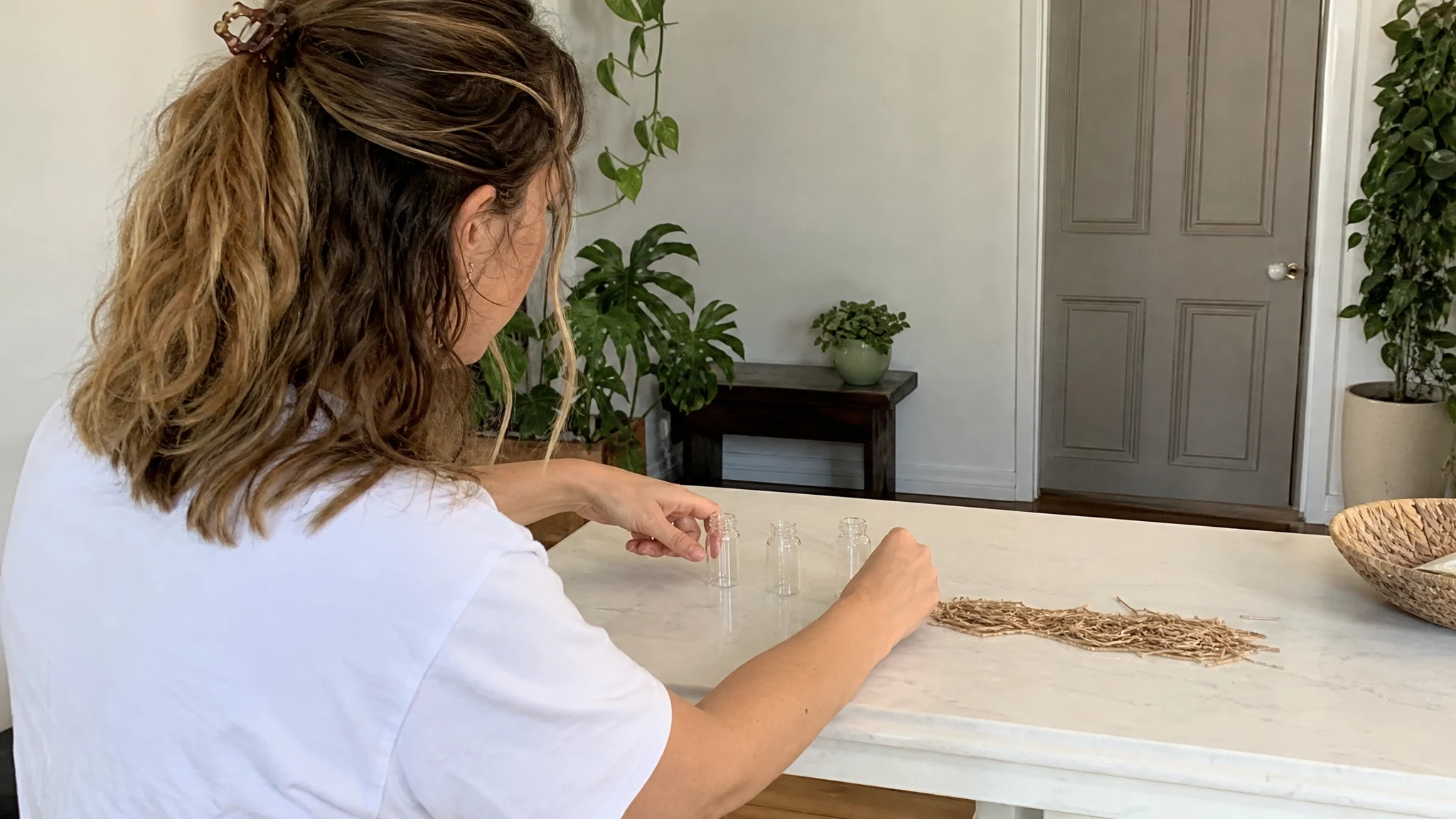
A blend is only part of an evening. The lamp, the blanket and the quiet matter as much as the oil. Before you run a full diffuser, put a few drops of your blend on a paper strip, or dip a reed in a tiny test jar, and see how it sits in the room. You will notice quickly whether the orange is carrying its share or whether the wood has taken over, and a small adjustment now is easier than rescuing a full bottle later.
Making a blend your own
- Start small. Mix a few drops at a time, in parts, and scale up once you like the smell.
- Write it down. A line on a card with the parts and the date saves you from guessing next winter.
- Change one thing at a time. Swap a single oil or shift a single part, so you know what made the difference.
- Let it rest. A blend smelled straight after mixing can read differently an hour later, so check it again before you decide.
Diffusing a thick oil
Vetiver is thick, and in an ultrasonic diffuser it can sit at the bottom of the reservoir, so many people use a reed diffuser or a warm-air diffuser, or start with a thinner oil in the blend. Warming the bottle in your hands for a few minutes helps it pour, and a pipette gives more control.
Robert Tisserand recommends intermittent diffusion: 30 to 60 minutes on, then 30 to 60 minutes off, and very low levels are fine for any length of time. Keep the room ventilated, and keep diffusers away from children and pets. Our post on using vetiver in a diffuser goes through the steps.
Keeping the bottle happy when it is cold
Winter is hard on bottles in two ways. A cold room makes a thick oil pour even more slowly, and that is simply a matter of letting it come to room temperature. The opposite mistake is parking it on a radiator or a heater shelf. The Tisserand Institute lists oxygen, light and heat as the causes of oxidation in essential oils, so we suggest a cool, dark cupboard away from heat sources. We say vetiver typically keeps its character for 6 to 8 years stored that way, and our storage post covers the rest.
A word on mood
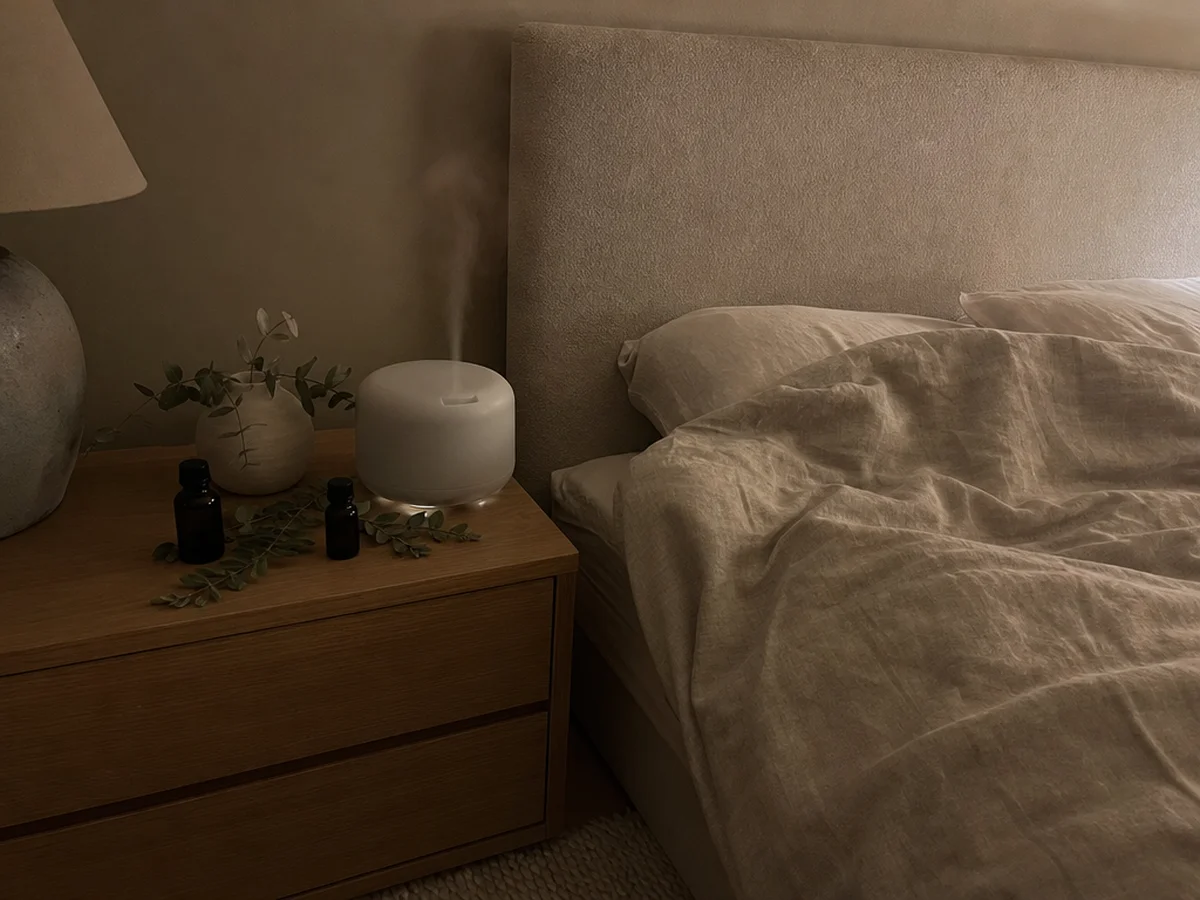
A pleasant scent in the evening is a small comfort, and we like that for what it is. The US National Center for Complementary and Integrative Health notes that for sleep problems, little rigorous research has been done on aromatherapy, and in a study of people under stress, a lemon scent improved mood but neither scent changed stress indicators. That page does not mention vetiver. If low mood returns every winter, a physician or mental health professional is the right person to talk to. The oil is something we sell for aroma and cosmetic use only.
Remember that these ratios are for scent only; any skin use calls for dilution to 0.5% to 2% in a carrier and a patch test, as with every use of our oil.
Pick a quiet evening, light the lamp, and see what the first few minutes of a woody blend do to the room.
Winter blends also tend to be the ones you return to, so it is worth keeping a small labelled jar of your favourite mix. A card taped to the jar with the date and the parts means you can remake it in a few minutes, even when the evening has already started.
Vetiver Essential Oil
Vetiver Essential Oil from our own shop, in sizes from 0.5 oz to bulk.
From $20.99
Shop Now →