DIY Vetiver Cologne: A Two-Oil Recipe With Alcohol
Vetiver is a base note: deep, earthy, smoky-sweet, and slow to leave the skin. That is exactly why perfumers love it, and also why a bottle of nothing but vetiver and alcohol feels like a song with no first verse. Here is a simple two-oil cologne, worked out by weight, with the reasoning behind each choice.
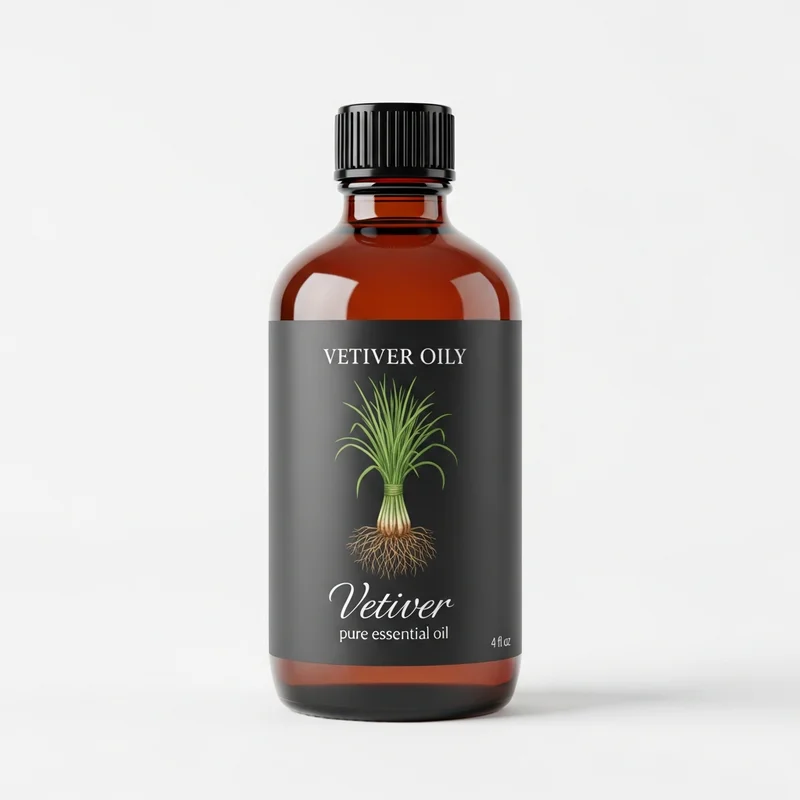
Vetiver Essential Oil
Our own Vetiver Essential Oil, in sizes from 0.5 oz to bulk.
From $20.99
Shop Now →Start with the strength
Fragrance names are really about how much scented oil sits in the alcohol. Perfume Lounge puts a traditional eau de cologne at about 2 to 5% perfume oil on average, and points out that these are industry habits, since there is no mandatory standard. For a cologne made from raw essential oils, we would stay at the light end of that band, around 2% in total.
The reason is the skin. A cologne goes on again and again, often near the neck and face, and published dilution guidance for those areas is modest: the Tisserand Institute lists 0.5 to 1.2% for facial cosmetics and deodorants and 1 to 3% for body oils and lotions. Our own guidance for vetiver is 0.5% to 2% in a carrier, with a patch test first. A 2% blend with vetiver making up half of it sits inside all of those. Eau de parfum strengths, which run several times higher, are better left to finished fragrances made by people with full ingredient data.
What vetiver does in the bottle
The Osmotheque, the French perfume archive, describes vetiver as having one of the woodiest scents of all aromatic plants and as an excellent fixative for volatile ingredients. In plain terms, the oil is thick and slow, so it gives lighter materials something to cling to. That is a perfumer's description rather than a measurement from a lab, so treat it as the reason we build the cologne around vetiver and let your own nose judge how long it lasts.
Smell before you mix
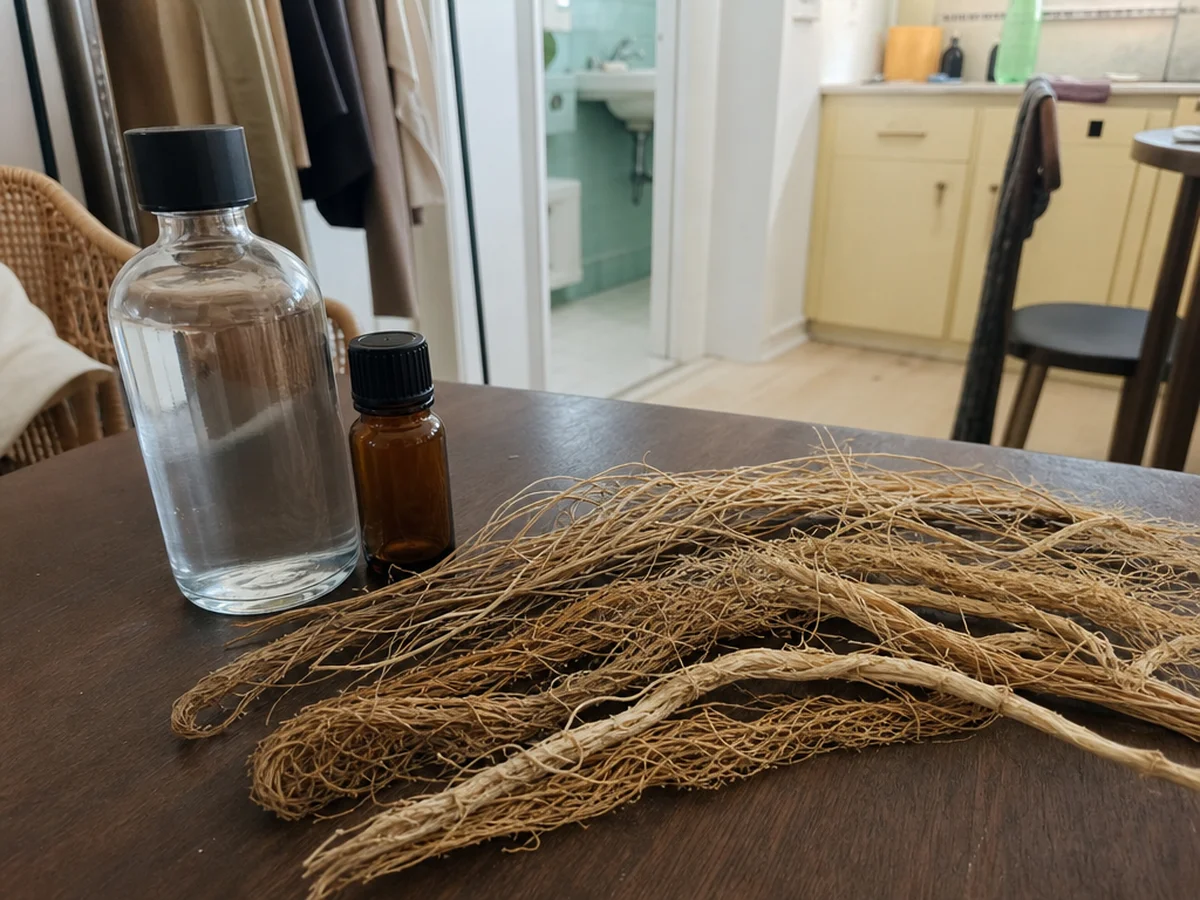
Put a drop of vetiver and a drop of orange on two separate paper strips, then wave them together under your nose. You will get a sense of how the bright and the dark halves meet before you commit any weight to the bottle.
Give it an opening
Vetiver does not sparkle on its own. If you want the brisk first impression of a store-bought vetiver cologne, you need a lighter top note, and sweet orange is the friendly choice. We only sell vetiver, so you will find orange oil at a craft or aromatherapy supplier. Some citrus oils need extra care on skin in sunlight, so read your supplier's safety data for whichever one you pick before wearing it.
A starter formula, by weight
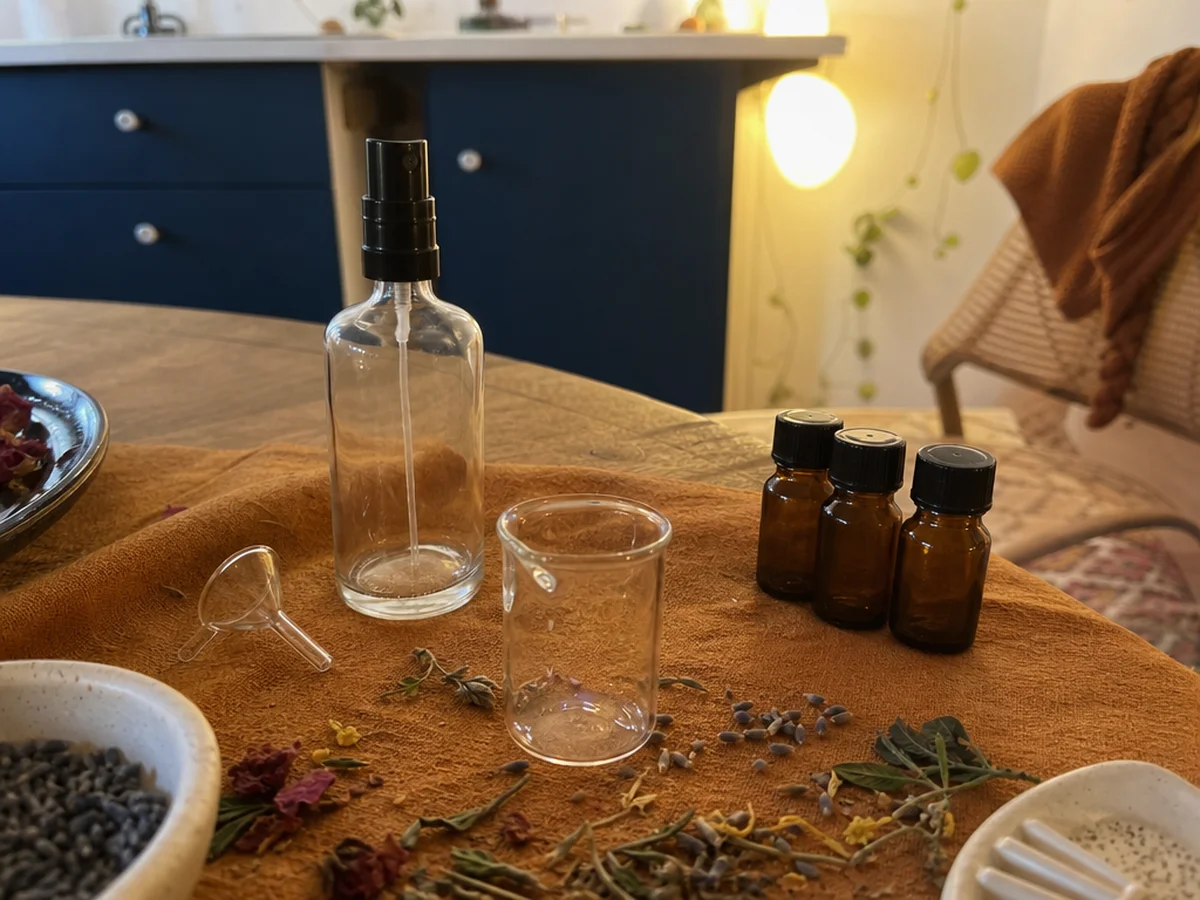
This is a 60 g batch, built from the percentages above. Weighing beats counting drops, because vetiver is thick and its drops are large.
| Ingredient | Grams | Share |
|---|---|---|
| High-proof perfumer's alcohol (fragrance-grade ethanol) | 58.8 g | 98% |
| Sweet orange essential oil | 0.6 g | 1% |
| Vetiver essential oil | 0.6 g | 1% |
One detail of arithmetic: the batch on the Certificate of Analysis we publish has a relative density of 0.993, so 0.6 g of that vetiver is just under 0.6 ml. If your scale only reads to a gram, make a 120 g batch and double everything.
- Weigh the vetiver into a clean glass bottle first, since the thick oil is easiest to handle when it goes in before the rest.
- Add the orange oil, then the alcohol. Cap and shake until no oil is visible on the glass.
- Label it with the date and the percentages, then let it rest. Many makers give a blend a few weeks and judge by nose rather than by the calendar.
- If it turns cloudy, filter it through a coffee filter rather than adding anything to it.
We left water out on purpose. Water makes a fragrance spray a home for microbes unless a cosmetic chemist has designed a preservative system for it, and the FDA lists contaminated water among the sources of cosmetic contamination. Alcohol keeps this formula simple.
Letting it rest
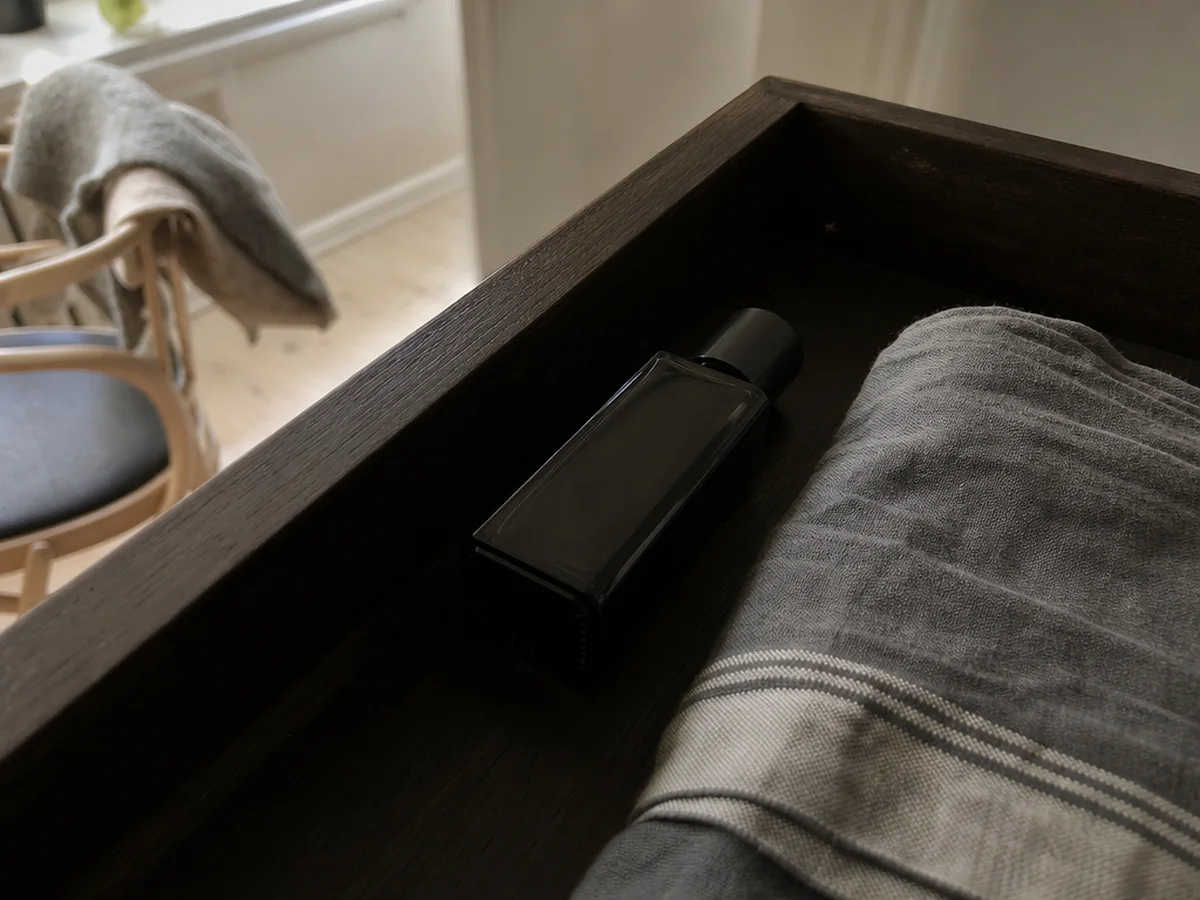
The most underrated step in any cologne is waiting. Right after mixing, the alcohol can dominate and the scent may smell sharp and disconnected. Over days you may notice it rounding out as the oils settle in. Put the bottle in a dark drawer, write the date on it and smell it each week, so you learn how it changes.
Wearing it well
Spray a little on fabric first, then on the skin once your patch test is clear: a dab on the inner forearm, left for a day. Alcohol is flammable, so keep the bottle away from flames and heat. Fragrance reactions are common enough to take seriously. In a patch-test study covering 62,354 people seen in dermatology clinics, about one in five reacted to at least one fragrance marker or essential oil. That group is not the general public, but it is a good reason to test first. If you have eczema, a known fragrance allergy or are pregnant, check with your doctor, dermatologist or midwife before wearing a self-made scent, and keep it away from eyes and children.
Start with a single spray on a shirt collar, or a dab on the wrist once your patch test is clear, and see how you feel about it after an hour. Vetiver lingers, so a light touch goes further than you would think.
For more on how vetiver behaves among other materials, read our post on layering vetiver, the blending guide and the scent guide. Our dilution rules are collected in the safety guide. If you need lot-specific results such as GC-MS, ask us in writing through the contact page before you rely on them.
A cologne is a small, personal project, and this one rewards patience: let it rest, wear it, and adjust the orange up or down in your next batch.
Vetiver Essential Oil
Vetiver Essential Oil from our own shop, in sizes from 0.5 oz to bulk.
From $20.99
Shop Now →Sources & Further Reading
- Perfume Lounge: Perfume concentrations explained
- Tisserand Institute: Dilution for essential oils
- Osmotheque: Vetiver : a palette of woody fragrances
- FDA: Microbiological Safety and Cosmetics
- Warshaw EM et al., 2017: Positive Patch-Test Reactions to Essential Oils in Consecutive Patients From North America and Central Europe